- Zinnias are incredibly easy to grow, perfect for beginners or busy gardeners.
- Direct sowing seeds outdoors after the last frost is the simplest method.
- Full sun and consistent moisture are key to abundant, colorful blooms.
- Planting from seed offers a wide variety of colors, shapes, and sizes.
- Regular cutting encourages more flowers throughout the season.
Welcome to The Little Garden! If you’re dreaming of a garden bursting with vibrant color but feel intimidated by the idea of starting plants from scratch, let me introduce you to your new best friend: the zinnia. These cheerful flowers are renowned for their ease of cultivation, especially when planting zinnias from seed. You don’t need a green thumb or complex equipment; just a sunny spot and a packet of seeds can lead to an explosion of beautiful blooms that last all summer long. Join me as we explore how simple it truly is to fill your garden and vases with these delightful cut flowers, proving that stunning results don’t always require endless effort.
Why Zinnias are the Easy Choice for Gardeners
Zinnias have earned their reputation as one of the easiest annual flowers to grow from seed, and for good reason! They germinate quickly, grow rapidly, and reward you with a spectacular show of color in a relatively short amount of time. Unlike some finicky flowers, zinnias are forgiving and resilient, making them ideal for anyone looking for maximum impact with minimal fuss. Plus, their diverse shapes, sizes, and eye-popping colors mean there’s a zinnia for every garden style and preference.
Meet the Zinnia
Before we dive into planting, let’s get acquainted with this garden favorite:
- Scientific Name: Zinnia elegans (most common garden varieties)
- Common Name: Zinnia
- Zone: USDA Zones 2-11
- Light: Full sun (requires 6-8 hours per day)
- Humidity: Prefers lower humidity to prevent fungal issues, but adaptable.
- Water: Needs consistent moisture, especially during establishment. Water at the base to keep foliage dry.
Getting Started: Planting Zinnias From Seed Outdoors
The easiest and most common way to grow zinnias is by directly sowing seeds into the garden bed after the danger of frost has passed. Zinnias love warmth – both warm air and warm soil (ideally around 70°F or 21°C). Planting too early in cold, wet soil can lead to poor germination and unhappy seedlings.
Preparing Your Planting Area
- Choose Your Spot: Find a location that receives at least 6-8 hours of direct sunlight daily. Full sun is crucial for healthy growth and abundant flowering.
- Prepare the Soil: Zinnias aren’t overly picky but thrive in well-draining soil. Loosen the soil to about 6-8 inches deep. Incorporating some compost or other organic matter can improve soil structure and provide nutrients, giving your zinnias a great start. Clear away any weeds or debris.
- Watering System: Plan how you will water. Zinnias prefer consistent moisture but dislike having wet foliage, which can lead to disease. Drip irrigation or soaker hoses are excellent choices, directing water to the base of the plants.
Sowing the Seeds
Once your soil is prepared and warm, you’re ready to sow!
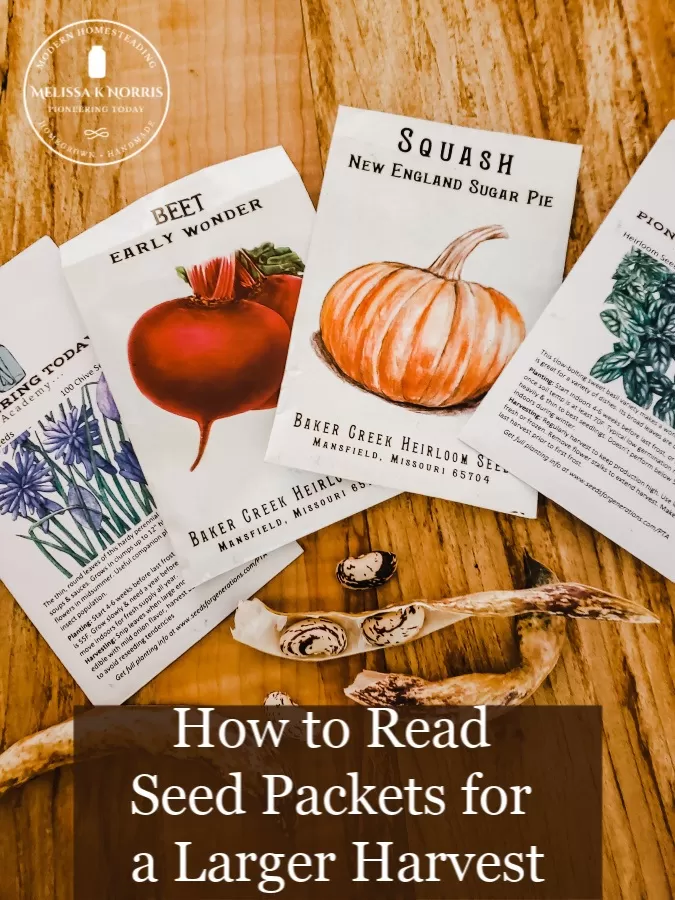
- Check Seed Packet: While zinnias are adaptable, check your seed packet for specific variety information, especially regarding spacing and height.
- Sowing Depth: Plant zinnia seeds about ¼ inch deep. Gently press the seed into the soil and cover lightly with soil or compost.
- Spacing: Recommended spacing is usually 6-12 inches apart, depending on the variety, to ensure good air circulation as they grow large. Rows are typically spaced about 12 inches apart. Proper spacing helps prevent common issues like powdery mildew later in the season.
- Watering After Sowing: Water the area gently but thoroughly after planting to settle the soil and provide initial moisture for germination.
Some gardeners prefer the structured look of spaced rows, which makes weeding easier when plants are young. Others, like me, embrace a more informal, cottage garden look by scattering seeds.
 Person scattering zinnia seeds directly into a raised garden bed for easy planting.
Scattering vs. Spacing Zinnia Seeds
The “lazy” or free-spirited method of scattering seeds certainly works for zinnias! Simply broadcast seeds over the prepared soil and lightly rake them in.
- Pros of Scattering: Creates a wonderfully full, naturalistic look. It’s quick and requires less precision.
- Cons of Scattering: Can lead to overcrowding, which increases the risk of fungal diseases due to poor air circulation. Weeding can become very difficult as the plants fill in.
If you’re aiming for a cutting garden or want to maximize plant health and flower production, taking a few extra minutes to space your seeds according to packet recommendations is beneficial. However, don’t let perfect be the enemy of good! Scattering can absolutely yield a beautiful, albeit sometimes crowded, patch of zinnias.
How Long Until Blooms?
After planting zinnias from seed, you can typically expect to see seedlings emerge within 7-10 days, sometimes even sooner in warm conditions. Blooms usually appear about 6-8 weeks after sowing, turning your garden into a riot of color relatively quickly. The exact timing can vary depending on your climate, the amount of sunlight, and the specific zinnia variety you’ve chosen.
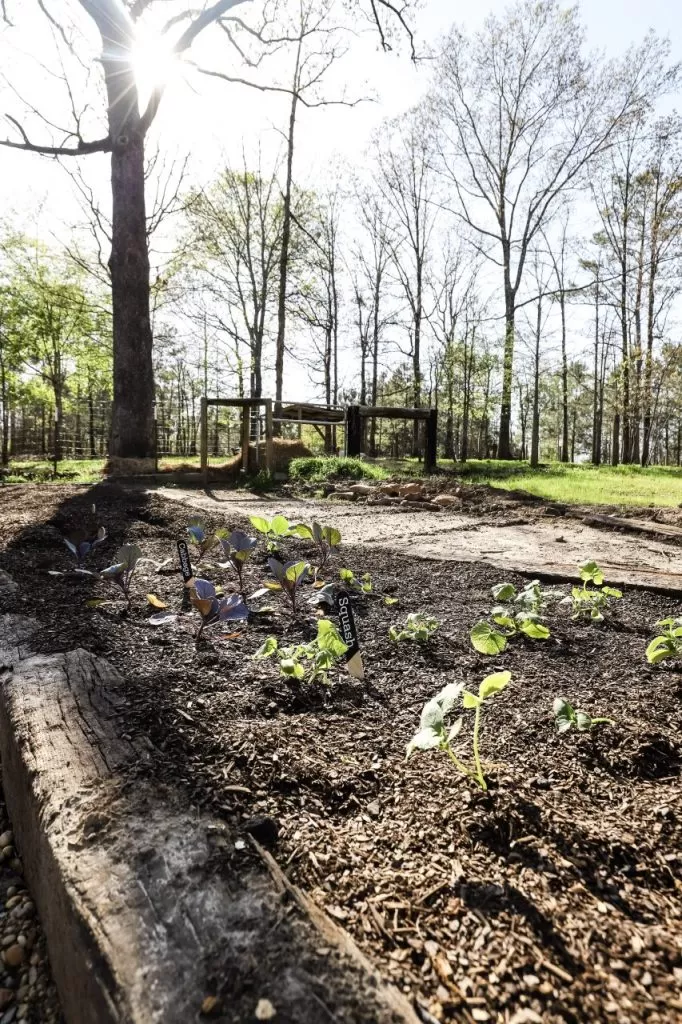
 Young zinnia seedlings sprouting in rich garden soil after planting from seed.
Zinnia Care: Keeping Your Blooms Coming
Once your zinnias are established, they require minimal ongoing care, but a few simple practices will ensure a longer, more prolific bloom season.
- Watering: Continue to provide consistent moisture, especially during dry periods. Water deeply at the base of the plant rather than from overhead, ideally in the morning, to allow foliage to dry throughout the day.
- Sunlight: Ensure they continue to receive full sun. Shady conditions result in leggy growth and fewer flowers.
- Fertilizing: Zinnias don’t generally require heavy feeding, especially if your soil was amended with compost. An all-purpose liquid fertilizer applied once or twice during the peak growing season can give them a boost, but avoid over-fertilizing, which can lead to lots of leaves and few flowers.
- Deadheading & Pinching: This is the secret to continuous blooms!
- Pinching: When young plants are about 8-12 inches tall and have a few sets of leaves, you can “pinch” off the central stem just above a set of leaves or a node. This encourages the plant to branch out, creating a bushier plant with more stems suitable for cutting.
- Deadheading: Regularly remove spent flowers by cutting the stem back to just above a set of leaves or a side branch. This prevents the plant from putting energy into producing seeds and signals it to produce more flowers instead. The more you cut (whether for arrangements or deadheading), the more blooms the plant will generate!
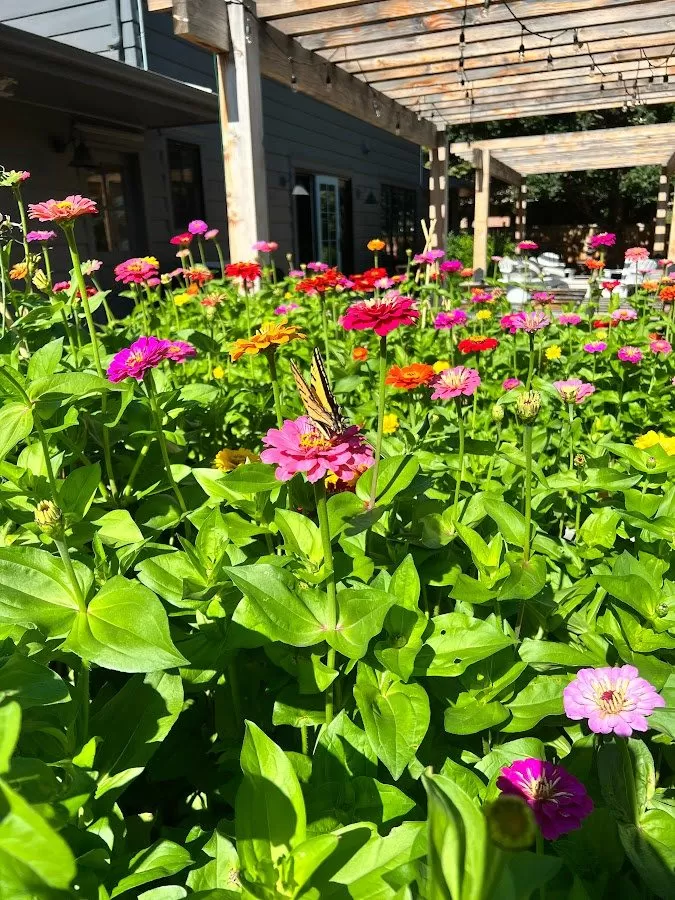
 Tall, colorful zinnia flowers thriving in a raised garden bed under full sun.
Common Questions About Growing Zinnias
Do Zinnias Need Full Sun?
Yes, absolutely! Zinnias perform best with 6-8 hours of direct sunlight daily. Less sun leads to weaker stems and reduced flowering.
When Should I Plant Zinnia Seeds?
Always plant zinnias directly outdoors after your area’s last expected frost date. They are tender annuals and cannot tolerate freezing temperatures. You can find your local frost dates using resources like the Farmers’ Almanac. If you want a head start, you can start seeds indoors 4-6 weeks before the last frost, but direct sowing is often easier as zinnias don’t always love being transplanted.
Should I Soak Zinnia Seeds Before Planting?
Soaking is not strictly necessary for zinnias as they germinate readily. If you choose to soak, limit it to no more than 4-6 hours right before planting. I’ve found no significant difference in germination rates whether I soak or not.
How Deep Do Zinnia Seeds Need to be Planted?
Plant seeds approximately ¼ inch deep.
Are Zinnias Perennials?
In most climates, zinnias are grown as annuals. This means they complete their life cycle in one season and die with the first hard frost. However, they can sometimes self-seed in milder climates, but it’s not reliable. For a guaranteed display each year, you’ll need to replant or save seeds.
How Tall Do Zinnias Get?
Zinnia varieties range greatly in height. Dwarf varieties are typically 6-12 inches tall, perfect for borders or containers. Taller varieties, often used for cut flowers, can reach 3-4 feet or more! Always check the seed packet for the mature height of the specific variety you are planting.
Can You Grow Zinnias in Pots?
Yes! Zinnias are excellent container plants. Dwarf and medium varieties are ideal for pots, but taller types can also work in very large containers. Ensure the pot has drainage holes and use a good quality potting mix.
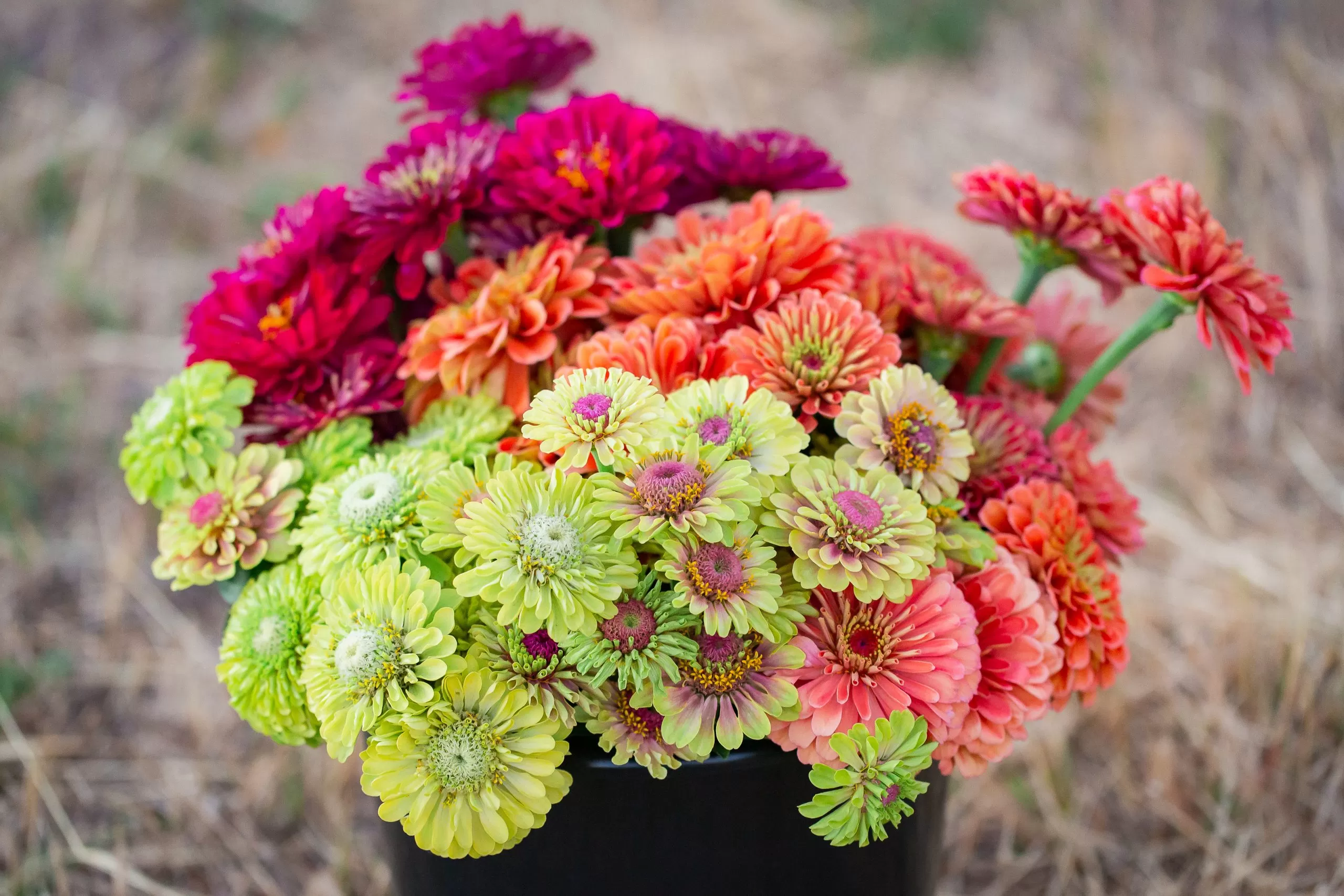
 Freshly cut colorful zinnia flowers arranged in a vase on an outdoor table.
Ensuring Fall Blooms & Saving Seeds
To extend your zinnia season well into the fall, consider succession planting. Sow new seeds every 2-3 weeks from late spring through mid-summer. This ensures a continuous supply of fresh blooms as earlier plants start to fade.
Regular deadheading, as mentioned, is also crucial for encouraging late-season flowering. Don’t let spent flowers go to seed on the plant if you want more blooms!
Speaking of seeds, saving your own zinnia seeds is easy and rewarding. Allow some of the last flowers of the season to dry completely on the plant. The seed head will turn brown and brittle. Snip the dried heads, break them open, and you’ll find the arrow-shaped seeds inside. Store dry seeds in a paper bag or envelope in a cool, dark place until the next planting season.
 Dried zinnia blooms ready for seed harvesting on a metal tray.
Conclusion
Planting zinnias from seed is truly one of the most rewarding and straightforward gardening tasks you can undertake. With minimal effort, you can enjoy a summer and fall filled with cheerful, colorful blooms perfect for attracting pollinators, brightening your garden beds, and filling your home with bouquets. Don’t be intimidated – these resilient flowers are practically foolproof!
Have you tried growing zinnias from seed? What are your favorite tips or varieties? Share your experiences in the comments below! And if you found this guide helpful, please consider sharing it with fellow garden enthusiasts or exploring more garden content on The Little Garden. Happy planting!