Want to expand your citrus collection or simply clone a favorite lemon tree? Learning how to propagate lemon tree cuttings is a rewarding experience!
- Propagating lemon trees from cuttings is a viable and popular method.
- Rooting in soil often yields better results than water propagation.
- Patience is key – rooting can take 1-3 months.
- Trees grown from cuttings will eventually produce fruit.
- The best time to take cuttings is late summer.
There’s something truly magical about transforming a simple branch into a thriving tree that will one day bear fragrant blossoms and delicious fruit. If you’ve ever admired a friend’s prolific lemon tree or want to recreate a specific variety you love, propagating a lemon tree from a cutting is an excellent way to do it. While it might seem intimidating at first glance, with the right approach and a little patience, you can successfully grow new lemon trees right from your own garden!
Contents
- Can You Root Lemon Tree Cuttings in Water?
- How Long Does It Take Lemon Tree Cuttings to Root?
- Will Lemon Trees Grown From Cuttings Produce Fruit?
- When is the Best Time to Take a Lemon Tree Cutting?
- How to Propagate a Lemon Tree: Step-by-Step
- Tools Needed:
- Steps to Propagate a Lemon Tree:
- STEP 1: Select and Identify a Branch
- STEP 2: Make the Cut
- STEP 3: Prepare the Cutting
- STEP 4: Apply Rooting Hormone (Recommended)
- STEP 5: Plant the Cutting
- STEP 6: Create a Humid Environment
- STEP 7: The Waiting Game
- When Do I Transplant the Cuttings?
- About Lemon Trees
- Conclusion
Can You Root Lemon Tree Cuttings in Water?
Many gardeners attempt to root cuttings in water, hoping to watch the roots develop. While this method works for some houseplants, it’s generally not recommended for woody citrus cuttings like those from a lemon tree. Citrus stems are prone to rotting in water before they can develop viable roots. Our own attempts have shown that this method often leads to disappointment, with cuttings simply decaying in the water.
How Long Does It Take Lemon Tree Cuttings to Root?
Patience is perhaps the most crucial ingredient when you propagate lemon tree cuttings. Unlike some fast-rooting plants, lemon tree cuttings can take their time to establish a root system. You might see the first tiny roots appearing after about a month, but significant root development, enough for the cutting to be considered truly rooted, can take anywhere from two to three months, sometimes even longer. Don’t be discouraged if you don’t see immediate results!
Will Lemon Trees Grown From Cuttings Produce Fruit?
Absolutely! One of the great advantages of propagating citrus from cuttings is that the new tree will be a clone of the parent plant. This means it will inherit all the characteristics of the original tree, including its fruit-bearing capabilities. Once your propagated lemon tree reaches maturity, which can take a few years depending on conditions, it will produce the same type of lemons as the tree you took the cutting from.
When is the Best Time to Take a Lemon Tree Cutting?
Timing plays a significant role in the success rate when you propagate lemon tree cuttings. The ideal time is typically in the late summer. You’ll want to select what’s known as “semi-hardwood” cuttings. These are branches from the current year’s growth that are beginning to firm up and change color from green towards brown and woody, but haven’t become fully hardened yet. This stage of growth has enough energy and maturity to support root development.
How to Propagate a Lemon Tree: Step-by-Step
Ready to give it a try? Here’s a simple guide to help you successfully propagate your lemon tree using stem cuttings.
Tools Needed:
- Sharp, clean pruning shears or a sharp knife
- Small pot filled with moist potting mix (a mix designed for citrus or general potting soil with good drainage works well)
- Clear plastic bag (like a bread bag or a produce bag)
- Rooting hormone (powder or liquid – optional, but highly recommended for woody cuttings)
Steps to Propagate a Lemon Tree:
STEP 1: Select and Identify a Branch
Choose a healthy, vigorous branch from the parent lemon tree. Look for a branch with recent growth, which indicates good health and energy. Crucially, avoid branches that are currently producing flowers or fruit, as the plant’s energy is directed towards reproduction rather than vegetative growth, which is what you need for successful rooting. The branch should be about the thickness of a pencil.
STEP 2: Make the Cut
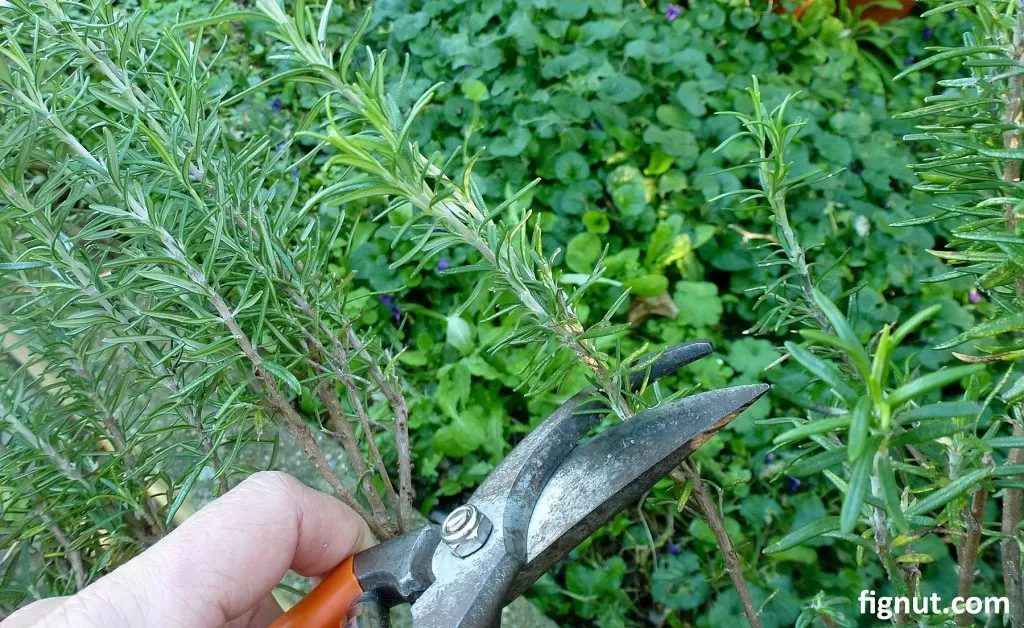
Using your sharp, clean shears or knife, cut a section of the chosen branch. Your cutting should be about 4-6 inches long and include at least two or three nodes. Nodes are the small bumps along the stem where leaves emerge or where a branch forks. These nodes are where the magic happens – they contain dormant cells that will develop into roots. Make a clean cut just below a node.
STEP 3: Prepare the Cutting
Strip off all the leaves from the lower half to two-thirds of the cutting. Leaving too many leaves will cause the cutting to lose too much moisture through transpiration before it can develop roots. You only need to leave a few leaves at the very top of the cutting to help it photosynthesize slightly.
STEP 4: Apply Rooting Hormone (Recommended)
While not strictly mandatory, dipping the cut end of the stem in rooting hormone significantly increases your chances of success. Rooting hormones contain auxins, plant hormones that stimulate root formation. If using powder, moisten the cut end slightly with water first, then dip it into the powder, tapping off any excess. If using liquid, follow the product instructions. If you are committed to a strictly organic garden, be aware that most commercial rooting hormones are synthetic, though some natural options exist. We’ve found that a little rooting hormone makes a big difference for woody cuttings like citrus.
STEP 5: Plant the Cutting
Carefully insert the prepared cutting into the pot filled with moist potting mix. Make a small hole first with a pencil or stick to avoid rubbing off the rooting hormone. Plant the cutting deep enough so that at least one or two nodes are beneath the soil surface – these are where the new roots will primarily emerge. Gently firm the soil around the base of the cutting.
 Young lemon tree cutting planted in a pot of moist soil, covered with a clear plastic bag to create humidity.
STEP 6: Create a Humid Environment
This step is critical for preventing the cutting from drying out before it can grow roots. Cover the entire pot and cutting with a clear plastic bag. You can use a large Ziploc bag, a clear bread bag, or even prop up a plastic produce bag with sticks. The bag acts like a mini-greenhouse, trapping humidity around the cutting and reducing water loss from the leaves. Place the covered pot in a location that receives bright, indirect light. Avoid direct sunlight, which can overheat the cutting inside the bag.
STEP 7: The Waiting Game
Now comes the hardest part: waiting! Place your covered pot in its bright, indirect light spot and try to resist the urge to constantly check on it. Check the soil moisture periodically – you should see condensation inside the bag, which indicates adequate humidity. If the soil surface looks dry, you can carefully water it without waterlogging the pot. The bag helps maintain moisture, so watering will be infrequent. You’ll know the cutting has rooted when you see new leaf growth appearing at the top. This is a sign the cutting is actively growing and has successfully established roots!
When Do I Transplant the Cuttings?
If you’ve rooted your cutting directly into a small pot filled with good quality potting mix, you often don’t need to transplant it immediately after rooting. The cutting can continue to grow in this pot until its roots begin to fill the container. Signs that it’s time to repot include roots appearing from the drainage holes or the plant drying out very quickly between waterings. When you do repot, choose a slightly larger pot and handle the fragile new roots carefully.
About Lemon Trees
Lemon trees (Citrus × limon) are popular fruit trees in many climates, known for their fragrant flowers and tart fruit.
- Scientific Name: Citrus × limon
- Common Name: Lemon Tree
- USDA Zones: 9-11 (Can be grown in pots and brought indoors in colder zones)
- Light: Full sun (at least 6-8 hours of direct sunlight per day)
- Humidity: Prefers moderate to high humidity
- Water: Water deeply when the top inch of soil feels dry; ensure good drainage.
Conclusion
Propagating a lemon tree from a cutting is a deeply satisfying gardening project. While it requires patience and attention to detail, the reward of growing your own citrus tree from scratch is well worth the effort. By following these steps, selecting the right cutting, and providing the ideal humid environment, you’ll be well on your way to expanding your garden with new lemon trees. Have you tried propagating lemon trees or other citrus? Share your experiences or questions in the comments below! Don’t forget to explore more gardening guides and tips here on Thelittle.garden!