Getting your hands dirty and watching nature work its magic is one of the greatest joys of gardening. And when it comes to dramatic growth and sheer fun, few plants beat the mighty pumpkin! If you’ve ever dreamed of growing your own impressive gourds, the journey begins with selecting and nurturing the right pumpkin seeds for planting. It might seem simple, but giving these future giants the best start is key.
- Choosing the right pumpkin seeds is crucial for success.
- Proper seed preparation like filing and soaking significantly improves germination rates.
- Soil temperature is a critical factor when planting pumpkin seeds indoors.
- Gentle care and gradual acclimatization are needed before seedlings move outside.
- Starting pumpkin seeds can be a rewarding experience, even if you’re just growing for fun.
Ready to unlock the secrets to starting your pumpkin adventure? Whether you’re aiming for a spooky Halloween display or just want to enjoy the process of growing something truly spectacular, let’s dive into how to give your pumpkin seeds the perfect start.
Why Start Pumpkin Seeds for Planting?
While some vegetables are happy to be direct-sown, pumpkin seeds, especially those from larger or prized varieties (Cucurbita maxima), can be a bit finicky. Starting them indoors gives you control over critical early conditions like temperature and moisture, significantly boosting your germination success rate. It also gives your plants a head start against pests and unpredictable spring weather. For many gardeners, the act of starting the seeds indoors is a cherished ritual, a tangible promise of the gardening season to come, even when the weather outside isn’t cooperating.
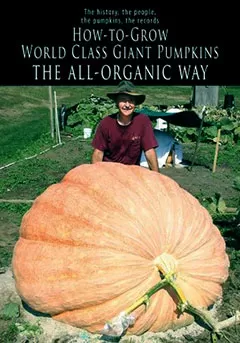 How to Grow World Class Giant Pumpkins guide book cover
Sourcing Quality Pumpkin Seeds for Planting
Not all pumpkin seeds are created equal, especially if you’re hoping for something beyond a standard carving pumpkin. For specific varieties, particularly giant pumpkins, sourcing seeds from reputable suppliers or growers known for producing prize-winning fruits is recommended. These seeds are often harvested from pumpkins bred for specific traits, ensuring better potential for your own garden. Look online for local grower associations or specialized seed companies that offer high-quality pumpkin seeds for planting.
 Close up of large pumpkin seeds for planting
Essential Seed Preparation: A Little Help Goes a Long Way
Pumpkin seeds have a tough outer shell, which can sometimes make it difficult for water to penetrate and signal the seed to germinate. Giving them a little help dramatically increases your chances of success.
Filing the Edges
Gently filing the edges of each seed with a nail file or a piece of sandpaper can help water penetrate the hard seed coat. Be careful not to file too deep, just enough to scuff the surface around the perimeter.
Soaking Your Seeds
After filing, soak the pumpkin seeds for planting in warm water for a few hours, typically 2-4 hours. This hydration step is crucial for waking up the embryo inside and initiating the germination process. Water is absolutely vital throughout the entire life cycle of a pumpkin, starting right here!
 Giant pumpkin seeds soaking in water before planting
The Art of Planting Pumpkin Seeds Indoors
Once your seeds are prepped, it’s time to get them into soil. Since pumpkin seeds can be a bit temperamental, starting a few extra is always a good idea to account for any that don’t sprout.
Ideal Soil Conditions
Use a sterile seed starting mix. The soil should be moist but not waterlogged – think of a wrung-out sponge. Soggy soil can lead to rot.
Temperature is Key
This is perhaps the most critical factor for pumpkin seed germination. Pumpkin seeds, especially larger varieties, need warmth to sprout. Aim for a soil temperature above 85°F (about 30°C). This often requires a heat mat or a warm location, perhaps near a radiator or on top of a refrigerator (though temperature consistency is better with a heat mat). Using a soil thermometer is the best way to verify the temperature before planting.
 Indoor setup with heat mat and thermometer for germinating giant pumpkin seeds
Planting Depth and Orientation
Plant the seeds about 1 inch deep. Some growers recommend planting them pointy end down, believing it helps the root emerge correctly. Once planted, cover lightly with soil.
Early Care: Nurturing Your Sproutlings
After planting, keep the soil consistently warm and slightly moist. You should see signs of life relatively quickly, often within a few days to a week if conditions are right. Once they sprout, your young pumpkin plants will need bright light. A sunny windowsill might suffice, but supplemental grow lights will ensure stockier, healthier growth.
Indoor Nursery Life
Your seedlings will likely spend a couple of weeks indoors. Provide them with ample space as they grow surprisingly fast. Ensure good air circulation to prevent damping off disease.
Hardening Off
Before planting your young pumpkins outside permanently, they need to get used to the real world. This process is called “hardening off.” Over the course of about a week, gradually expose them to outdoor conditions. Start with a few hours in a sheltered spot on a mild day, slowly increasing the time and exposure to direct sunlight and wind each day. This prevents transplant shock.
Moving Outdoors: Facing the Elements
Knowing when to plant outside depends entirely on your local climate. Pumpkins are very sensitive to frost. Wait until all danger of frost has passed and the soil has warmed up considerably. May is a common planting time in many temperate zones, but this can vary wildly. Be prepared for unpredictable spring weather – sometimes, young plants might need temporary protection from cold snaps or intense storms.
Beyond the Seedling Stage
Once your pumpkin plants are successfully transplanted and growing in their permanent patch, the real fun (and work, if you’re aiming for giants!) begins. They’ll need plenty of space, rich soil, consistent watering, and nutrients to support their rapid growth. Even if you’re not competing for size records, watching a tiny seed transform into a sprawling vine producing large fruit is incredibly satisfying.
Starting your own pumpkin seeds for planting is the first exciting step in growing these magnificent garden treasures. It’s a process filled with anticipation and the joy of nurturing new life.
We hope this guide gives you the confidence to start your own pumpkin-growing journey. What are your favorite pumpkin varieties to grow? Share your experiences or ask your questions in the comments below! And don’t forget to share this guide with fellow garden enthusiasts. You can also explore more gardening tips and stories right here on Thelittle.garden.