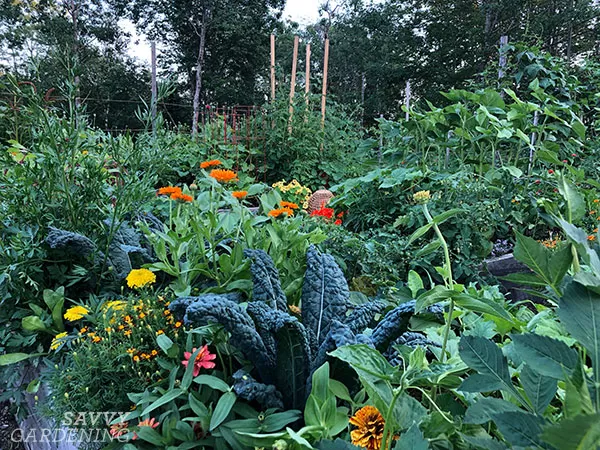
intensive planting in raised beds
A raised bed garden offers an excellent opportunity to grow your own fresh produce, even in limited spaces. But how do you optimize a 4×8 raised bed for maximum yield? This article dives into the art of raised bed garden layout, offering two unique examples and actionable tips to guide you. Whether you’re gardening solo or feeding a family, we’ll help you create a thriving and productive space.
A well-planned raised bed garden layout is key to a successful harvest. Before you grab your trowel, consider what vegetables you enjoy eating most. Start with your grocery list and identify the produce you consistently purchase. These are the prime candidates for your raised bed. Also, don’t be afraid to experiment! Include a new vegetable each season to broaden your gardening horizons and discover new favorites. Remember, space is limited in a 4×8 raised bed, so prioritize quality over quantity.
When planning your raised bed garden layout, consider the mature size of each plant. Seed packets and plant tags provide valuable information on height, width, and recommended spacing. One of the advantages of raised beds is the ability to practice intensive planting, allowing you to grow more in less space. Unlike traditional row planting, intensive gardening involves closer spacing, which helps suppress weeds and conserve water. Thinning seedlings as they grow ensures proper air circulation and disease prevention.
Consider exploring the square foot gardening method. This technique involves dividing your raised bed into 1-foot square grids and planting a specific number of plants per square based on their mature size. This structured approach can be especially helpful for beginners.
Position taller plants, like tomatoes, on the north side of your raised bed to avoid shading shorter crops. This ensures all plants receive adequate sunlight throughout the day.
Plant columnar basil near tomatoes. This basil variety grows tall, thrives in the same conditions as tomatoes, and provides an abundant supply of pesto ingredients.
Opt for compact or dwarf varieties of sprawling plants like squash. These space-saving options prevent overcrowding and can even be trained to cascade over the sides of the raised bed.
Use tomato cages to support bush cucumbers, encouraging vertical growth and maximizing space utilization.
Intersperse flowers like alyssum, marigolds, and nasturtiums among your vegetables. These blooms attract beneficial pollinators and can help deter pests.
Extend your harvest season with succession planting. As early-season crops like peas finish producing, replace them with later-season vegetables like Swiss chard or kale. This practice maximizes your raised bed’s productivity throughout the growing season. Replenish the soil with compost after removing spent plants to provide nutrients for the next round of crops.
This 4×8 raised bed garden layout caters to individual needs, featuring a mix of commonly purchased vegetables and herbs. The layout includes rows of onions, leafy greens like kale or spinach, tomatoes with companion basil, peppers, cucumbers, and root vegetables like carrots and beets. Herbs like parsley can be tucked in alongside other plants.
Alt: A diagram illustrating a 4×8 raised bed garden layout designed based on frequently purchased grocery items.
This family-focused 4×8 raised bed garden layout features a variety of vegetables to feed a household. Include a trellis for peas or beans, rows of onions, tomatoes, peppers, summer and winter squash, and a double row of carrots. Consider planting a dwarf winter squash variety that can spill over the edge of the bed.
Creating a successful raised bed garden is all about careful planning and maximizing your available space. By following these tips and adapting the suggested layouts to your needs and preferences, you can enjoy a bountiful harvest from your 4×8 raised bed. We encourage you to share your own raised bed garden layout experiences and tips in the comments below.
Key takeaways: Discover 5 enchanting flowers to create a magical fairy garden Learn the symbolic…
Watermelon Red Crape Myrtle is a classic, versatile tree with stunning pink-red blooms Grows 20-25…
Key Takeaways: Oriental lilies are prized for their large, fragrant blooms They thrive in well-draining…
Key takeaways: Amaranth is easy to grow in containers, perfect for beginners and experienced gardeners…
Vibrant, low-maintenance flowers for sunny spots Continuous color throughout summer Perfect for borders, ground cover,…
Here's how implementing no-dig techniques can transform your container gardening: Build Richer Soil: Layers of…