- Save Space: Skinny trees are perfect for small gardens, narrow yards, or tight spots where wider trees won’t fit.
- Add Height: They provide vertical interest, drawing the eye upward and making a garden feel larger.
- Create Privacy: Planted in rows, many columnar varieties form excellent natural screens.
- Design Versatility: Use them as focal points, architectural elements, or to frame entrances.
Have you ever walked through a garden or neighborhood and noticed those tall, slender trees standing like elegant sentinels? These aren’t just random plantings; they are often strategically chosen “skinny trees,” also known as columnar or fastigiate trees. Far from being a compromise for lack of space, these vertical wonders offer a fantastic opportunity to add structure, privacy, and unique beauty to landscapes of all sizes. Especially in smaller yards or urban settings, a skinny tree can be a total game-changer, providing height and character without overwhelming the area. Let’s dive into why these trees are so appealing and how you can incorporate them into your own little slice of green paradise.
Contents
- Why Choose a Skinny Tree for Your Landscape?
- Types of Skinny Trees for Your Garden
- Columnar Evergreen Trees
- Emerald Green Arborvitae
- Skyrocket Juniper
- Columnar Deciduous Trees
- Columnar Hornbeam
- Dawyck Purple Beech
- Tips for Planting and Caring for Your Skinny Tree
- Choosing the Right Spot
- Planting Success
- Watering and Mulching
- Pruning Needs
- Common Considerations
- The Vertical Difference
Why Choose a Skinny Tree for Your Landscape?
In the world of garden design, space is often the most precious commodity. This is where the beauty of a skinny tree truly shines. Unlike their wide, spreading cousins, columnar trees grow upwards rather than outwards. This makes them ideal for planting near buildings, along driveways, in narrow side yards, or even in large containers on patios.
But the benefits go beyond mere practicality. Their strong vertical form adds a crucial architectural element to the landscape. They can highlight features, create rhythm along a path, or serve as stunning focal points. For those seeking privacy in a confined space, a line of narrow evergreens can form a living fence without sacrificing much-needed square footage. They allow you to enjoy the benefits of mature trees – shade (though less widespread), habitat, and seasonal interest – even when your planting options are limited.
Types of Skinny Trees for Your Garden
When we talk about “skinny trees” in the landscape world, we’re referring to plant varieties that naturally grow with a very narrow, upright habit. There are many fantastic options available, offering different textures, colors, and seasonal interest. Here are a few popular types you might encounter:
Columnar Evergreen Trees
These are workhorses for privacy screens and year-round structure. They maintain their shape and foliage through the winter, providing consistent height and screening.
Emerald Green Arborvitae
- Scientific Name: Thuja occidentalis ‘Emerald Green’
- Common Name: Emerald Green Arborvitae, Emerald Green Thuja
- Zone: 3-7
- Light: Full sun to partial shade
- Water: Consistent moisture, especially when young; drought tolerant once established.
One of the most popular choices, known for its vibrant green foliage and naturally narrow, pyramidal shape. Relatively fast-growing and low-maintenance.
Skyrocket Juniper
- Scientific Name: Juniperus scopulorum ‘Skyrocket’
- Common Name: Skyrocket Juniper
- Zone: 4-9
- Light: Full sun
- Water: Drought tolerant once established; prefers well-drained soil.
Living up to its name, this juniper variety is extremely narrow and grows tall, offering a blue-green color. Excellent for hot, dry conditions once established.
Columnar Deciduous Trees
These trees lose their leaves in the fall but provide beautiful structure, seasonal color, and often interesting bark or branching patterns in winter.
Columnar Hornbeam
- Scientific Name: Carpinus betulus ‘Fastigiata’ (Note: many cultivars exist, this is a common upright one)
- Common Name: Upright European Hornbeam, Columnar Hornbeam
- Zone: 4-8
- Light: Full sun to partial shade
- Water: Adaptable, but prefers consistent moisture; good urban tolerance.
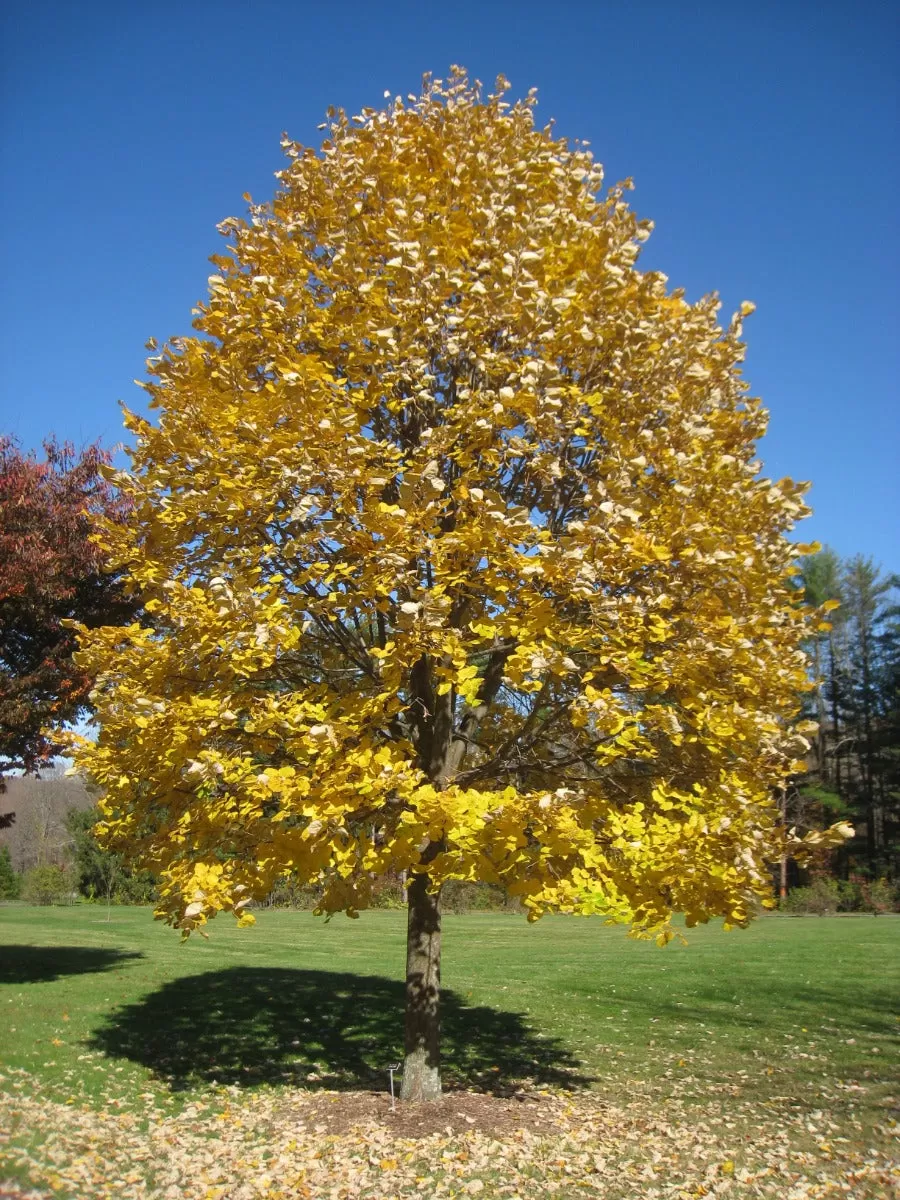
A tough, adaptable tree with dense foliage that turns yellow in fall. Maintains a tight, upright oval to columnar shape.
Dawyck Purple Beech
- Scientific Name: Fagus sylvatica ‘Dawyck Purple’
- Common Name: Dawyck Purple Beech
- Zone: 4-7
- Light: Full sun
- Water: Prefers moist, well-drained soil.
A striking, narrow tree featuring deep purple leaves throughout the growing season. A beautiful vertical accent.
 add the tree topper and hide the wires for your skinny tree
Tips for Planting and Caring for Your Skinny Tree
Adding a skinny tree to your garden is an exciting step! Here are a few tips to help ensure your new vertical friend thrives:
Choosing the Right Spot
Consider the mature height and width (even skinny trees have a final size!) of the species you choose. Ensure it has enough overhead space and isn’t too close to buildings or overhead wires. Check the light requirements – most need full sun for the best growth and shape. Think about what you want the tree to do – is it a specimen, a screen, or an accent? This helps determine placement.
Planting Success
Dig a hole that is as deep as the root ball and two to three times wider. Gently loosen circling roots before placing the tree in the hole. The top of the root ball should be level with or slightly above the surrounding soil. Backfill with the original soil, tamping gently to remove air pockets. Water thoroughly after planting.
Watering and Mulching
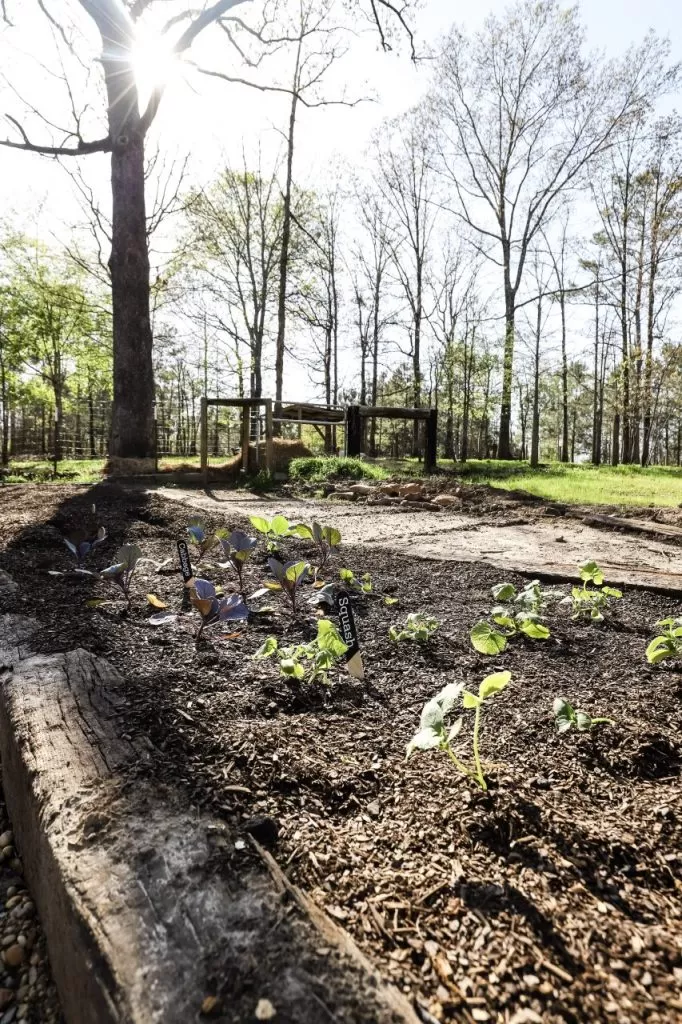
Consistent watering is crucial, especially during the first year as the tree establishes its root system. Water deeply less often rather than shallowly frequently. Add a layer of mulch (2-3 inches) around the base of the tree, keeping it a few inches away from the trunk. Mulch helps retain moisture, regulate soil temperature, and suppress weeds.
 add stems to your skinny tree
Pruning Needs
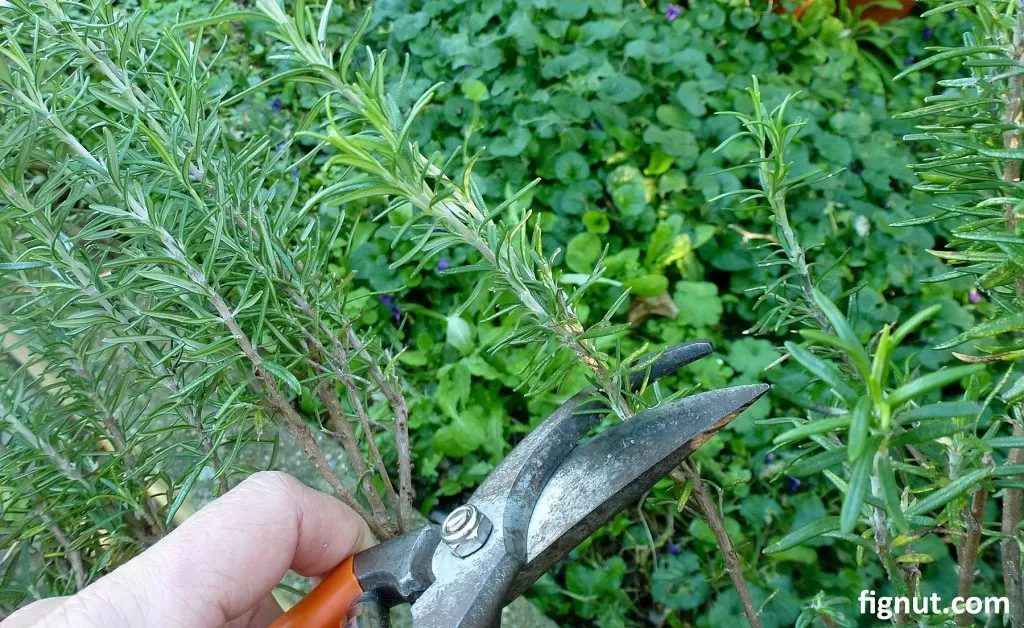
Most columnar trees require minimal pruning to maintain their shape. You may occasionally need to prune out dead, damaged, or crossing branches. For some species, you might need to address multiple leaders (main vertical stems) to encourage a single, strong central leader, which helps prevent breakage in storms.
Common Considerations
- Wind: Very tall, narrow trees can sometimes be susceptible to wind damage, especially if they have multiple leaders or haven’t developed a strong root system. Proper planting and occasional structural pruning can help.
- Soil: Ensure your chosen tree is suited to your soil type (clay, sandy, loamy). Amending the soil before planting can improve drainage if needed.
- Pests/Diseases: While many are quite hardy, be aware of potential issues for your specific tree type and local area. Healthy trees are generally more resistant.
 add different colors and sizes of ball ornaments in clusters of 3
Adding a skinny tree to your garden is a fantastic way to introduce vertical elegance and solve space challenges. With a little planning and care, these columnar beauties can become cherished features in your landscape for years to come.
The Vertical Difference
Whether you’re designing a brand new garden or looking to add impact to an existing one, don’t overlook the power of a skinny tree. They offer a unique combination of practicality and aesthetic appeal, proving that you don’t need a sprawling estate to enjoy the benefits of trees. From creating essential privacy screens to serving as stunning living sculptures, a skinny tree can truly elevate your garden design.
 how to decorate a skinny tree
Ready to find the perfect skinny tree for your space? Research varieties suited to your climate zone and desired function. Visit local nurseries to see them in person and get expert advice. With the right choice and proper care, you’ll soon be enjoying the tall, elegant presence of your own skinny tree.
What are your favorite skinny trees? Do you have one in your garden? Share your experiences in the comments below! And if you found this guide helpful, share it with fellow garden enthusiasts. Explore more tips and inspiration for making the most of your garden space right here on Thelittle.garden!