- Enjoy fresh vegetables, herbs, and flowers throughout the entire growing season.
- Maximize your garden’s yield even in smaller spaces.
- Avoid overwhelming gluts of produce and minimize waste.
- Develop confidence and skill in planning your garden’s production.
There’s a unique joy in harvesting fresh bounty from your garden – the crisp snap of a green bean, the vibrant color of a ripe tomato, the fragrant scent of herbs. But sometimes, it feels like everything ripens at once! Suddenly, you have more zucchini than you know what to do with, and then weeks later, nothing. This “feast or famine” cycle can be frustrating. What if you could have a steady supply of your favorites from spring through fall? That’s the magic of Staggered Planting for Continuous Harvest, often called succession planting. It’s a fundamental technique that transforms your garden from a single-event producer into a reliable, ongoing source of fresh deliciousness.
Why Stagger Your Planting?
The primary goal of staggered planting is to ensure you have a consistent supply of mature crops over an extended period. Instead of planting your entire packet of lettuce seeds on one day and having all your lettuce ready at the same time, you plant smaller batches every few weeks. This simple strategy offers several benefits:
- Continuous Freshness: You get to enjoy vegetables at their peak ripeness over a longer harvest window.
- Increased Total Yield: By utilizing garden space efficiently as crops finish and new ones are planted, you often get more total produce from the same area over the entire season.
- Reduced Waste: Fewer crops ripening simultaneously means less pressure to harvest, eat, or preserve everything at once, leading to less spoilage.
- Risk Mitigation: If one planting fails due to weather, pests, or disease, you have subsequent plantings coming along.
- Easier Management: Harvesting and processing smaller quantities more frequently can be less overwhelming than dealing with one massive harvest.
Understanding the Building Blocks of Staggered Planting
Successful staggered planting relies on understanding a few key factors that influence plant growth and maturity:
- Days to Maturity (DTM): This is the average number of days from planting (seed or transplant) to the first expected harvest. Seed packets and plant tags provide this crucial information. Knowing the DTM for different varieties is essential.
- Appropriate Planting Dates: When is it safe to plant? This is largely determined by frost dates. Your average last spring frost date tells you when it’s generally safe to plant warm-season crops, and the average first fall frost date helps you determine the deadline for planting crops that need time to mature before the cold hits.
- Length of Harvest: How long does a crop continue to produce once it starts? Some crops, like head lettuce or radishes, are often a one-time harvest. Others, like bush beans, zucchini, or tomatoes, produce over several weeks or even months. This affects how you time your follow-up plantings.
- Weather Variability: Weather is perhaps the biggest wild card. Cool springs can slow down early plantings, while warm spells can accelerate growth. This means your actual harvest dates might vary from your planned schedule. For example, two plantings of peas two weeks apart in early spring might mature only a week apart because the later planting catches up as the weather warms. Midsummer heat can cause fast-growing crops to bolt or mature quicker than expected.
Techniques for a Steady Supply
There are two primary techniques to achieve staggered planting:
- Successive Sowings of the Same Variety: This is the most common method. You simply plant the same variety of a crop multiple times throughout the season at planned intervals. The interval depends on the crop’s DTM and length of harvest. For fast-maturing crops like radishes or leaf lettuce, a 2-week interval might be appropriate. For bush beans, maybe every 3-4 weeks. For sweet corn, planting when the previous sowing is a few inches tall is a traditional method.
- Simultaneous Planting of Different Varieties: Choose varieties of the same vegetable that have different days to maturity (early, mid, and late season). Plant all of them at the same time in the spring. They will mature sequentially, giving you a longer harvest window from a single planting event. Sweet corn is a classic example where you might plant a 70-day variety, an 85-day variety, and a 100-day variety side-by-side.
Beyond these, consider:
- Soil Temperature: Some seeds germinate best within a specific soil temperature range. Planting too early into cold soil can lead to poor germination or slow growth, disrupting your schedule. Waiting for the optimal soil temperature, even if it pushes your date back slightly, can result in faster, more vigorous growth that catches up.
- Pest and Disease Cycles: As the original article notes, pests and diseases can shorten a crop’s harvest period. In areas with intense summer heat and humidity, diseases can decimate crops like tomatoes or squash mid-season. Planning a second or even third planting ensures you have a fresh wave of plants coming online as the earlier ones decline.
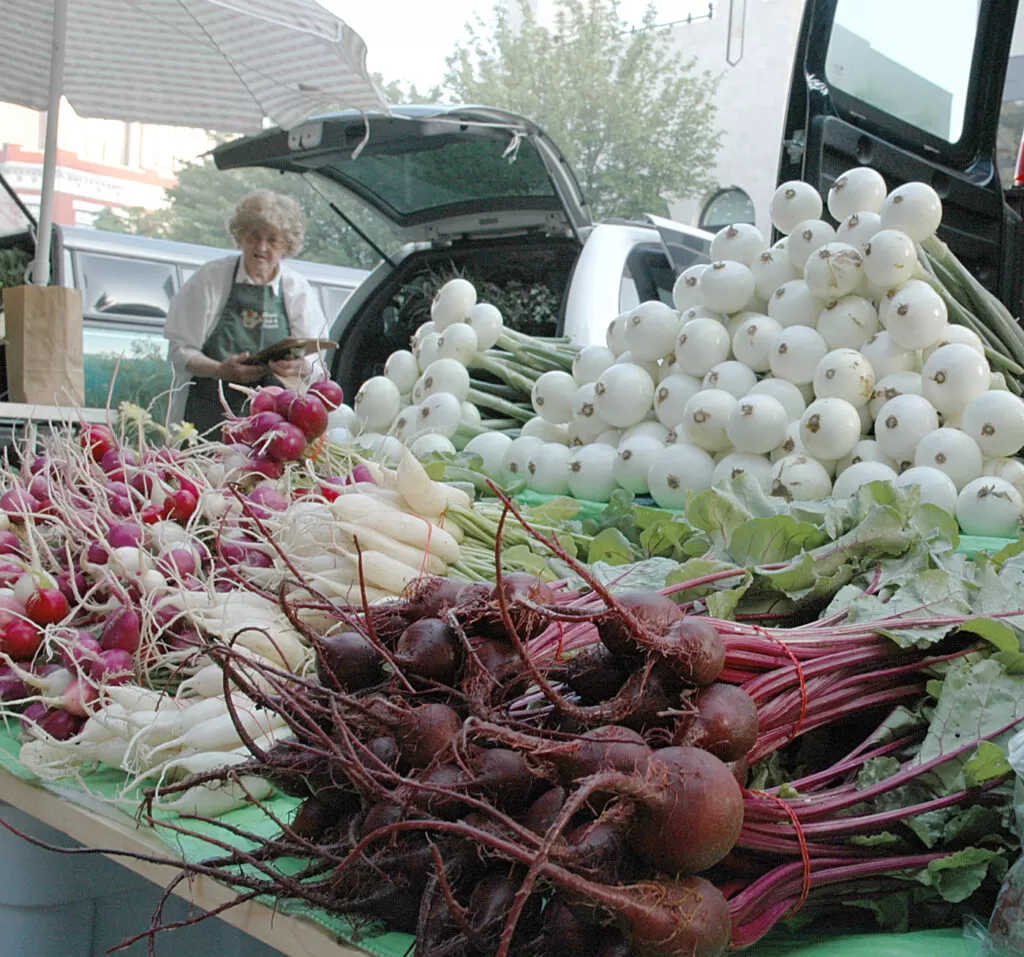
Freshly harvested onions bundled and displayed in abundance at a farmers market stall, demonstrating the payoff of successful staggered planting for a continuous yield.
Putting It into Practice: Planning Your Succession
Planning is key! Don’t just randomly throw seeds in the ground.
- Know Your Dates: Get your average last spring frost and first fall frost dates. This gives you your primary growing window.
- Choose Your Crops: Select vegetables that are good candidates for staggering (leafy greens, radishes, bush beans, carrots, beets, corn, cucumbers, etc.).
- Determine Intervals: Based on the crop’s DTM and how long you want the harvest to last, decide on your planting intervals (e.g., every 2, 3, or 4 weeks). For crops with a long harvest window (like tomatoes or peppers), you might only need 1-2 plantings depending on your season length and disease pressure. For crops harvested all at once (like head lettuce), frequent plantings are necessary for continuity.
- Use a Chart or Calendar: Create a planting calendar or use a simple chart. List your desired crops, planned planting dates, estimated days to harvest, and target harvest window. Record your actual dates and results each year – this is invaluable data for future planning!
- Start Small: If you’re new to this, don’t try to stagger everything. Pick 2-3 favorites like leaf lettuce, radishes, or bush beans to start.
Plant Spotlight: Staggering Examples
Here are a couple of examples of how you might approach staggering common garden vegetables:
Sweet Corn
Sweet corn is a prime candidate for staggering.
- Scientific Name: Zea mays convar. saccharata
- Common Name: Sweet Corn
- Zone: Typically grown as an annual in most zones during the warm season.
- Light: Full sun (minimum 6-8 hours).
- Water: Needs consistent moisture, especially when silking and forming ears.
- Humidity: Tolerant of various humidity levels; good air circulation can help prevent fungal diseases.
To stagger sweet corn, plant your first batch after the danger of hard frost has passed and soil temperatures are appropriate (standard varieties germinate better in cooler soil than super-sweets). Then, make subsequent plantings every 2-3 weeks, or as a traditional marker, when the previous planting is 1-2 inches tall. Alternatively, plant an early (e.g., 70 DTM), mid (e.g., 85 DTM), and late (e.g., 100 DTM) variety all at once in late spring/early summer.
Tomatoes
While individual tomato plants can produce for a long time, staggering can extend the total harvest period or provide a backup against disease.
- Scientific Name: Solanum lycopersicum
- Common Name: Tomato
- Zone: Grown as an annual in most zones; needs at least 50-60 days of frost-free weather.
- Light: Full sun (minimum 6-8 hours), prefers 8+ hours.
- Water: Needs consistent, deep watering; avoid letting soil dry out completely then flooding.
- Humidity: Moderate; high humidity can increase susceptibility to fungal diseases.
In regions with long, hot, humid summers where diseases like early blight or late blight are prevalent, your spring-planted tomatoes might succumb by mid-to-late summer. By starting a second batch of tomato seeds or transplants mid-spring (depending on your season length), you can plant them out a few weeks after your main crop. These younger plants will be hitting their stride and starting to produce just as the older plants decline, giving you a continuous harvest through early fall.
Tips for Maximizing Your Staggered Harvest
- Soil Health: Healthy soil grows productive plants. Amend your soil with compost before planting each new succession.
- Watering: Consistent watering is crucial, especially during germination and fruiting stages. Lack of water can stress plants and reduce yield or quality.
- Fertilizing: Consider a light feeding for subsequent plantings, especially if they are going into soil that has just finished producing a crop.
- Pest and Disease Monitoring: Keep an eye on your plants. Early detection of problems can save a crop. Rotating where you plant certain crops can also help prevent soil-borne diseases.
- Harvest Regularly: Harvesting crops frequently encourages plants (like beans, cucumbers, or zucchini) to keep producing.
Conclusion
Staggered planting is a rewarding technique that elevates your gardening game. It takes a little planning and observation, but the payoff – a steady supply of fresh, homegrown goodness gracing your table week after week – is absolutely worth it. It turns your garden into a truly abundant source of food and joy throughout the entire season.
Are you ready to give staggered planting a try? What crops will you start with? Share your thoughts and experiences in the comments below! And be sure to explore other articles on Thelittle.garden for more tips on making your garden thrive.