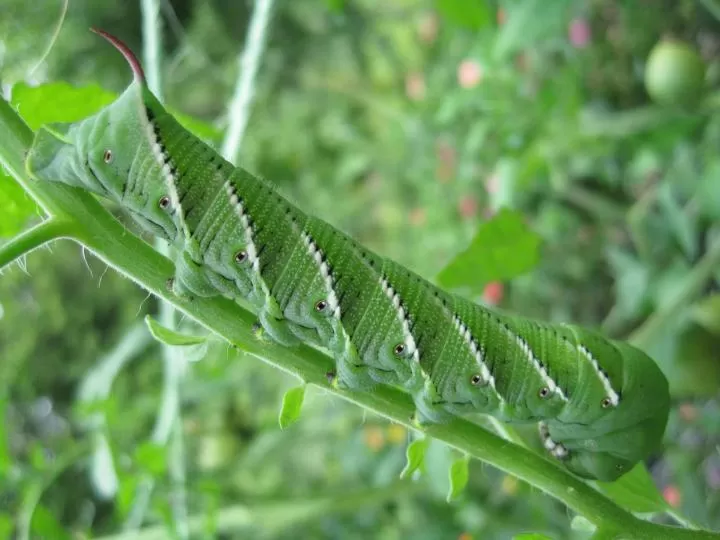
Large green hornworm caterpillar feeding on a tomato plant stem
Ever feel like certain pests or diseases just love visiting the same spot in your garden year after year? You plant your tomatoes, they thrive for a bit, and then bam – the same old problem strikes. It’s frustrating, right? Well, what if I told you there’s a simple, age-old technique that can help break that cycle, nourish your soil, and lead to more abundant harvests? It’s called Crop Rotation for Backyard Gardens, and it’s one of the most powerful tools in a home gardener’s arsenal.
Don’t let the term sound intimidating! At its heart, crop rotation is just about smart planning – not planting the exact same thing in the exact same place every single season. It’s a little like giving your garden beds a fresh start, confusing those pesky hangers-on, and making sure your soil gets a balanced workout. This year, let’s make it a priority and see the amazing difference it makes!
The concept is beautifully simple: don’t grow the same type of plant in the same spot in consecutive years. Think of it as musical chairs for your veggies! By moving plants around your garden beds, you disrupt the lifecycle of pests and diseases that might otherwise build up in the soil, waiting for their favorite meal to return.
For example, if you planted tomatoes in Bed A last year, you wouldn’t plant tomatoes (or their close relatives) in Bed A this year. Instead, you might plant beans, carrots, or broccoli there. The pests or diseases specific to tomatoes that might be lurking in the soil of Bed A suddenly find themselves with no host plant to feed on, and their numbers decline. The general rule of thumb is to aim for a plant (or its family) to return to the same spot only once every 3 to 4 years.
Beyond fighting off unwelcome visitors, crop rotation is also fundamentally about caring for your soil. Different plants have different nutritional needs and different effects on the soil structure. By rotating, you ensure that no single bed is depleted of specific nutrients year after year, and you help maintain a healthy, balanced soil environment.
Incorporating crop rotation into your garden plan offers a multitude of benefits that pay off in healthier plants and bigger harvests. It’s not just about preventing problems; it’s about actively building a more resilient and productive garden ecosystem.
This is often the most immediate and noticeable benefit. Many common garden pests and soil-borne diseases are specific to certain types of plants. When you plant the same crop (or related crops) in the same place year after year, these issues can build up, becoming more severe over time. Moving plants to a new location breaks this cycle, making it much harder for those overwintering pests or persistent pathogens to find their preferred host when spring arrives. Think of it as hiding your favorites from the neighborhood bully!
Different plants are like different eaters. Some are “heavy feeders,” gulping down lots of nutrients from the soil to produce fruits and leaves. Others are “light feeders” and need much less. Crop rotation allows you to alternate these types of plants, giving your soil a chance to recover and be replenished.
Even better, some plants, like legumes (beans and peas), actually add nitrogen back into the soil! They form a partnership with beneficial bacteria in their roots that convert nitrogen from the air into a form plants can use. Planting heavy feeders like corn or tomatoes after legumes is a fantastic way to naturally boost your soil’s nitrogen levels without relying heavily on synthetic fertilizers. When you harvest legumes in the fall, simply cut the plants at the soil line and leave the roots to decay, sharing that stored nitrogen with the next season’s crop.
Another cool benefit is how different plant root systems interact with your soil. Some plants, like carrots or beets, have deep taproots that tunnel down, breaking up compacted soil and creating channels for water and air. Others have more fibrous, spreading roots. By rotating plants with different root structures, you help to keep your soil loose, aerated, and well-drained throughout the garden, improving overall soil health and allowing all your plants to access nutrients and moisture more effectively.
The secret sauce of successful crop rotation lies in understanding plant families. Members of the same botanical family often share similar nutrient needs, are susceptible to the same pests and diseases, and thrive under similar conditions. Rotating by family is much more effective than just rotating individual plants.
Here are some common families crucial for backyard crop rotation:
While there are many more families, these cover the majority of popular backyard vegetables. For simplicity in smaller gardens, you might group certain compatible families together for rotation planning.
Keep in mind that perennial vegetables and herbs like asparagus, rhubarb, or mint are exceptions. They stay in the ground for years and shouldn’t be rotated annually.
Implementing crop rotation doesn’t have to be complicated, even in a small backyard garden. The key is consistent rotation, aiming for that 3-4 year gap before a family returns to a specific spot.
A simple way to plan is to divide your garden beds (or areas within a larger bed) and assign them a rotation sequence based on plant families. For example, in a four-bed garden, you might dedicate each bed to a different family grouping each year:
This ensures that no family returns to the same bed for four years. You can adjust the groupings and sequence based on the size of your garden and the plants you grow most often, focusing on the principle of moving families around. A common principle in rotation sequences is to follow nitrogen-fixing legumes with heavy feeders like Brassicas or Nightshades.
The biggest hurdle for many gardeners is simply remembering what was planted where last year, let alone three or four years ago! Don’t trust your memory alone, especially as your garden evolves.
Keeping a simple record is invaluable. A notebook, a sketch of your garden beds on graph paper, or even a spreadsheet can work. Simply note down:
This quick reference will be your best friend when planning next year’s garden layout, instantly showing you which spots are suitable for which plant families based on your rotation plan. Some gardeners find digital gardening tools helpful for tracking this visually over multiple seasons.
Implementing crop rotation for your backyard gardens is one of the most effective, natural ways to improve soil health, reduce pest and disease pressure, and enjoy more abundant harvests. It requires a little planning and record-keeping, but the effort is more than worth the reward of a healthier, more resilient garden ecosystem. Start simple, focus on rotating your main plant families, and watch your garden thrive!
Do you practice crop rotation in your garden? What benefits have you seen, or what challenges have you faced? Share your experiences in the comments below, or explore more gardening tips on our site!
Key takeaways: Discover 5 enchanting flowers to create a magical fairy garden Learn the symbolic…
Watermelon Red Crape Myrtle is a classic, versatile tree with stunning pink-red blooms Grows 20-25…
Key Takeaways: Oriental lilies are prized for their large, fragrant blooms They thrive in well-draining…
Key takeaways: Amaranth is easy to grow in containers, perfect for beginners and experienced gardeners…
Vibrant, low-maintenance flowers for sunny spots Continuous color throughout summer Perfect for borders, ground cover,…
Here's how implementing no-dig techniques can transform your container gardening: Build Richer Soil: Layers of…