- Summer can be the perfect time to encourage your indoor plants to put on a spectacular show.
- Simple care practices can significantly boost flowering potential.
- Learn how deadheading, proper feeding, pest control, and watering unlock vibrant blossoms.
- Discover key tips to help common house flowers thrive and bloom abundantly throughout the season.
Spring might get all the credit for awakening the garden, but summer is a fantastic time to coax a burst of beautiful blooms from your indoor plant collection. Just like their outdoor cousins, our beloved house flowers often need a little extra encouragement to really shine when the days are long and warm. Think of it as providing some crucial summer bloom boosters for house flowers. With the right approach, you can transform your living space into a vibrant oasis filled with color and life.
Growing stunning indoor blooms in the summer isn’t just about luck; it’s about understanding your plants’ needs and providing consistent, thoughtful care. It’s a rewarding experience, nurturing a plant and seeing it respond with new buds and vibrant flowers. Let’s dive into the simple yet effective strategies that can make a world of difference.
Core Strategies for Boosting Summer Blooms Indoors
Much like tending to an outdoor garden, encouraging indoor plants to flower robustly in summer comes down to a few fundamental practices. These aren’t complicated secrets, but rather consistent acts of care that provide your plants with the energy and resources they need to produce those coveted blossoms. We’ll explore the essential steps: encouraging new growth through deadheading, providing the right nutrients through fertilization, protecting against pests and diseases, and ensuring they get the proper hydration.
Deadheading for Dazzling Displays
 Maintaining a healthy indoor plant environment for summer blooms
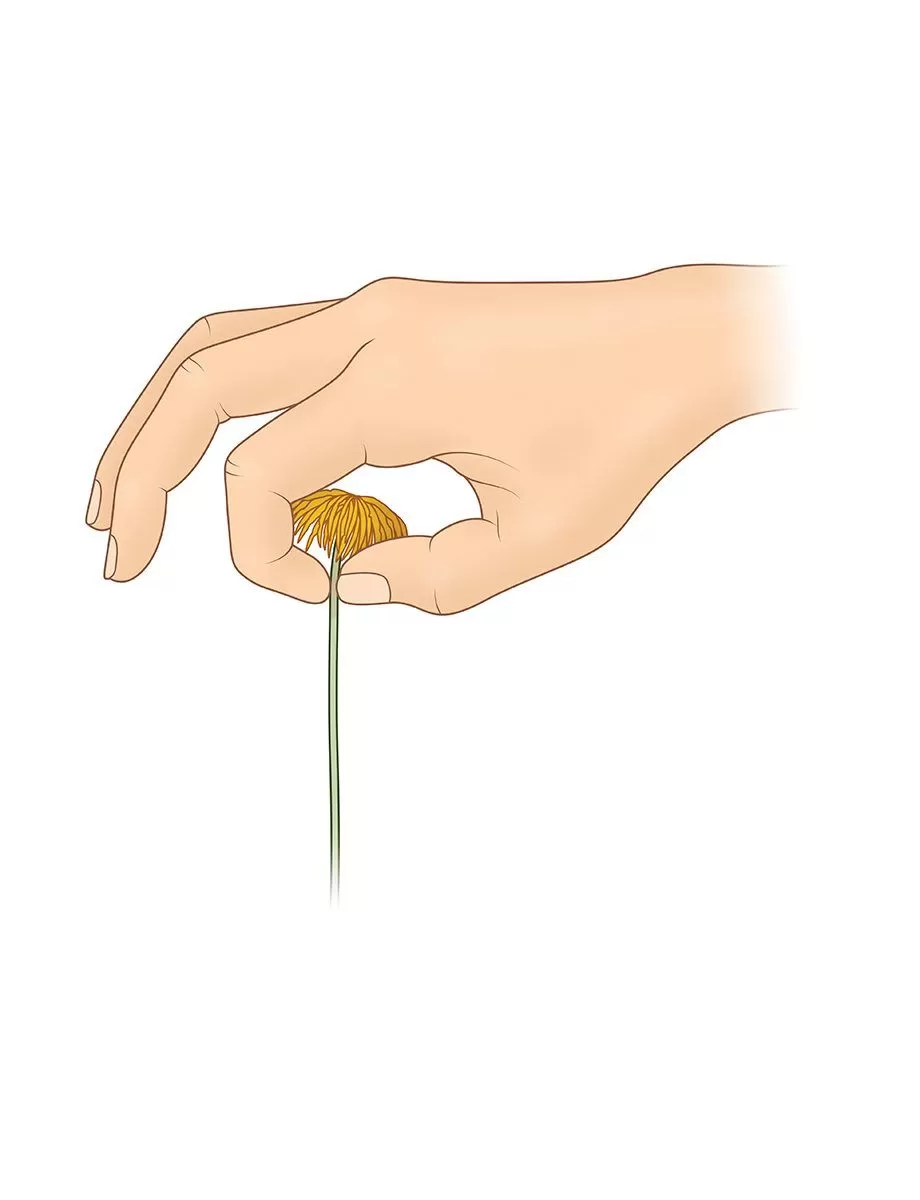
Deadheading, or the simple act of removing spent flowers, is perhaps one of the most immediate and effective summer bloom boosters for house flowers. When a flower fades, the plant’s natural instinct is to shift its energy towards developing seeds for future reproduction. While noble, this process drains vital energy that could otherwise be used to create more flowers.
By snipping off the faded blooms right at the base of the flower stalk or just above a set of healthy leaves, you signal to the plant to redirect that energy back into vegetative growth and, crucially, the production of new buds. It’s like giving your plant a little nudge to keep the party going! This technique is especially beneficial for many popular indoor bloomers, encouraging repeat flowering throughout the summer months.
 Removing spent flowers from houseplants encourages more blooms
Think of plants like African Violets, Peace Lilies, and certain types of Begonias – they are prime candidates for diligent deadheading. Not only does it promote more blooms, but it also keeps the plant looking neat and tidy, preventing potential energy waste on developing unsightly seed heads.
Fueling the Flower Power: Fertilizing
 Using organic fertilizers like compost tea for potted plants
Container-grown plants, by their very nature, have limited access to nutrients compared to plants growing in the ground. As they grow and bloom, they rapidly use up the available food in their potting mix. This is where fertilization becomes a crucial summer bloom booster. Providing your house flowers with the right nutrients during their active growing and blooming season gives them the fuel they need to produce abundant flowers.
Look for fertilizers specifically formulated for flowering plants or a balanced all-purpose fertilizer with micronutrients. During the summer growing season, most flowering houseplants benefit from feeding every 2-4 weeks, depending on the plant species and the specific fertilizer used. Always follow the instructions on the fertilizer packaging and err on the side of underfeeding rather than overfeeding, which can burn roots.
 Applying indoor plant food for a burst of summer color
Slow-release granules incorporated into the topsoil or diluted liquid fertilizers applied during watering are common methods. Using organic options like worm castings or a diluted fish emulsion can also provide a gentle, steady supply of nutrients. Healthy soil (or potting mix) is the foundation, but supplemental feeding in summer gives that extra push for prolific flowering.
Keeping Pests & Diseases at Bay Indoors
 Checking indoor plants for common pests that can hinder blooming
Unfortunately, indoor plants aren’t immune to unwelcome visitors or fungal issues. Pests and diseases stress your plant, diverting energy away from bloom production. Catching issues early is key. Regularly inspecting your plants, especially under leaves and in stem joints, can help you spot problems before they become severe.
Common indoor pests include spider mites, aphids, mealybugs, and fungus gnats. Issues like powdery mildew can sometimes pop up if humidity is high and air circulation is poor. Good airflow around your plants is a simple preventative measure. Avoid overcrowding your indoor plant display.
For pest control, often the first line of defense is simply wiping leaves clean with a damp cloth or gently rinsing the plant under a tap (if the pot has good drainage and the plant can handle it). For more persistent pests, consider environmentally friendly options like insecticidal soap or neem oil (ensure the product is safe for indoor use and follow application instructions carefully). These often work by contact, so direct application to the pests is necessary. Healthy, well-cared-for plants are generally more resistant to pest and disease pressures, allowing them to focus their energy on producing those beautiful summer bloom boosters for house flowers.
Hydration is Key
 Proper watering techniques for indoor potted plants during summer heat
Watering seems simple, but it’s one of the most common stumbling blocks for houseplant enthusiasts. Overwatering can lead to root rot, a silent killer, while underwatering causes wilting and stress, certainly not conducive to blooming. Summer’s higher temperatures and potentially lower indoor humidity levels can mean your plants dry out faster than in cooler months, so your watering routine may need adjusting.
The best approach is to check the soil moisture before watering. Stick your finger about an inch or two into the potting mix. If it feels dry, it’s likely time to water. If it’s still moist, check again in a day or two. When you do water, water thoroughly until you see excess water draining from the bottom of the pot. This ensures the entire root ball gets hydrated. Always empty the saucer afterwards to prevent roots from sitting in standing water. Consistent, proper hydration is vital for healthy growth and the development of summer blooms.
Summer Bloom Spotlights
To help you apply these tips, let’s look at a couple of popular house flowers that can be encouraged to bloom beautifully in summer.
Peace Lily (Spathiphyllum)
These elegant plants are known for their lush foliage and striking white “flowers” (actually modified leaves called spathes). With the right care, they can bloom reliably indoors, especially in summer.
- Scientific Name: Spathiphyllum wallisii (most common indoor variety)
- Common Name: Peace Lily
- Zone: Indoor plant (typically Zone 11-12 outdoors)
- Light: Low to medium indirect light (direct sun can scorch leaves). Brighter indirect light often encourages more blooms.
- Humidity: High (prefers humid environments; misting or pebble trays help).
- Water: Keep soil consistently moist but not soggy. Water when the top inch or two of soil feels dry. They are dramatic wilters when thirsty, but bounce back quickly.
African Violet (Saintpaulia ionantha)
A classic houseplant loved for its fuzzy leaves and cheerful clusters of flowers in various colors. African Violets are enthusiastic bloomers with proper care.
- Scientific Name: Saintpaulia ionantha
- Common Name: African Violet
- Zone: Indoor plant (typically Zone 11-12 outdoors)
- Light: Bright indirect light (prefers east or north-facing windows; direct sun is too harsh). Consistent light is crucial for blooming.
- Humidity: Moderate to high (avoid getting water on leaves as it can cause spots).
- Water: Keep soil evenly moist. Water from the bottom or use tepid water on the soil surface, avoiding the leaves. Allow soil to dry slightly between waterings.
Applying the summer bloom boosters for house flowers – deadheading, appropriate feeding, pest checks, and careful watering – will significantly increase your chances of seeing these, and many other, houseplants put on a fantastic floral display throughout the warmer months.
Bringing it All Together
Encouraging your house flowers to reach their full blooming potential in summer is a rewarding aspect of indoor gardening. It requires paying attention to their needs and providing consistent care. By implementing these simple strategies – diligent deadheading, regular and appropriate fertilization, proactive pest and disease management, and mindful watering – you’re not just maintaining your plants; you’re actively boosting their ability to produce those beautiful blossoms we all love.
So, take a moment to check on your leafy companions today. Do they need a drink? Are there spent flowers ready for snipping? Could a little gentle feed give them the energy boost they need? With a little effort and these proven summer bloom boosters for house flowers, you can enjoy a season filled with vibrant color and the simple joy of watching your indoor garden flourish.
What are your favorite tips for getting your houseplants to bloom in the summer? Share your experiences in the comments below! And don’t forget to explore more gardening tips and plant spotlights here at The Little Garden.