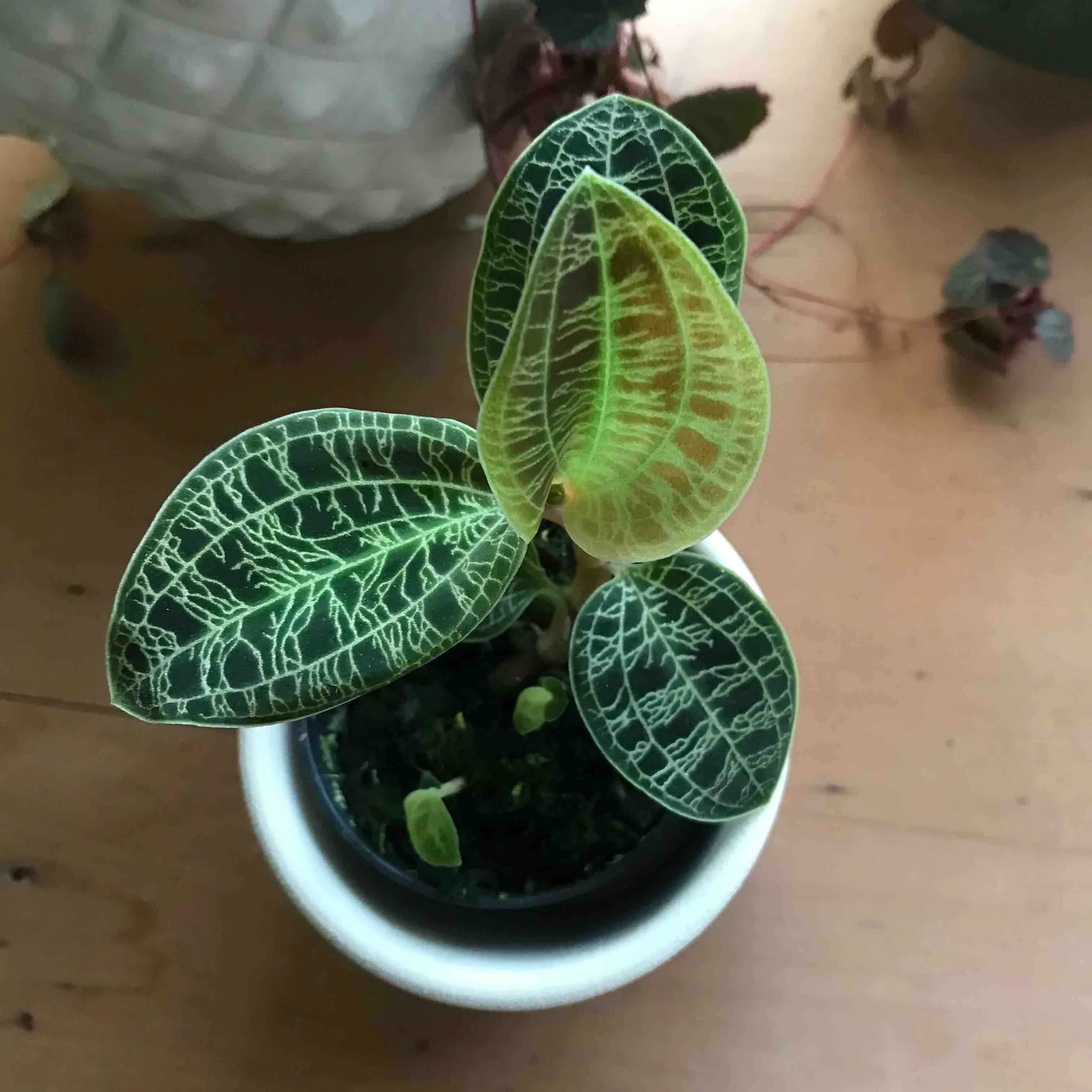
Close up of vibrant red-veined Fittonia nerve plant foliage, showcasing intricate leaf patterns ideal for diverse indoor plant displays.
There’s a unique charm to terracotta pots. Their warm, earthy tones and classic feel bring a touch of rustic beauty to any space. For those of us who adore the low-maintenance appeal and striking forms of succulents, pairing them with terracotta is a match made in garden heaven. Unlike some moisture-loving plants that struggle in porous clay, succulents thrive on its ability to wick away excess water, preventing the dreaded root rot. Creating beautiful and healthy terracotta succulent displays is simpler than you might think, and I’m excited to share how you can achieve stunning results and enjoy these resilient beauties for years to come.
Think about where succulents come from: often arid, dry environments. Their roots are adapted to drying out between infrequent rainfalls. Standard plastic or glazed pots hold moisture much longer. Terracotta, being porous clay, allows water to evaporate through its walls. This means the soil dries out faster, mimicking the conditions succulents prefer and significantly reducing the risk of overwatering – the number one killer of these drought-tolerant gems.
Choosing unglazed terracotta is key. The porous nature is lost with glazing. The pots also provide good weight, helping to prevent top-heavy succulents from tipping over. Plus, they develop a lovely patina over time, adding character to your display.
Starting with the right foundation is crucial. For succulents in terracotta, never use standard potting soil straight from the bag. It holds too much moisture. Instead, create a gritty, fast-draining mix. You can buy pre-made succulent/cactus mix, or amend regular potting soil (about 50%) with inorganic materials like perlite, pumice, or coarse sand (the other 50%). This ensures water flows freely and air circulates around the roots.
When selecting pots, ensure they have a drainage hole at the bottom. This is non-negotiable for succulents in any pot, but especially in terracotta where the drainage is one of the main benefits. Don’t worry about putting gravel or pot shards at the bottom; this actually hampers drainage. Just use your well-draining soil mix directly in the pot.
This is perhaps the most critical part of succulent care, especially in terracotta. Because the pots help with drainage, you might think you can water more often, but the key is when and how much.
Wait until the soil is completely dry before watering. You can check this by sticking your finger about an inch or two into the soil, or by lifting the pot – a dry pot will feel significantly lighter than a wet one. When it’s time to water, water thoroughly until water runs out the drainage hole. This ensures all the roots get access to moisture. Discard any water that collects in a saucer underneath within 30-60 minutes. Succulents hate sitting in soggy soil.
The frequency of watering depends on many factors: the size of the pot, the size of the plant, the type of succulent, the soil mix, and crucially, the environment (light, temperature, humidity). In warmer, brighter conditions, you might water every 1-3 weeks. In cooler, darker conditions, it might be once a month or even less. Pay attention to your plant and the soil dryness, not a calendar schedule.
Most succulents crave bright light. Without enough light, they will stretch out (etoliate) becoming leggy and weak as they desperately search for more sun. A south or west-facing window is often ideal indoors. If placing them outdoors, introduce them gradually to direct sun to prevent leaf burn.
The amount of light affects everything, including how quickly your soil dries out in your terracotta pot and therefore how often you need to water. More light means more frequent watering. If you notice your succulent stretching or losing vibrant color, it’s likely not getting enough light.
Now for the fun part – arranging! Terracotta offers a beautiful, neutral backdrop that lets the unique shapes, textures, and colors of succulents shine.
Think about scale and proportion. A small succulent might get lost in a huge pot, while a large plant in a tiny pot will dry out too quickly. Match the pot size to the plant size, allowing a little room for growth (usually just 1-2 inches wider than the plant’s root ball).
Here are a few tough and beautiful succulents that do wonderfully in terracotta pots:
Echeveria
Sedum
Haworthia
Sempervivum
Even with the perfect terracotta pot, problems can arise.
Succulents typically have a growing season (often spring/summer) and a dormant season (often winter). Adjust your care based on the season. During dormancy, plants need less water and no fertilizer. Fertilize only during the growing season with a diluted succulent-specific fertilizer, perhaps once or twice. Repotting is best done at the start of the growing season if the plant is outgrowing its pot.
Creating beautiful terracotta succulent displays is a rewarding way to add easy-care greenery to your home or garden. By understanding the unique benefits of terracotta pots, using the right soil, and mastering the art of watering based on your plant’s needs and environment, you can keep your succulents happy and healthy. Don’t be afraid to experiment with different succulent varieties and arrangements. Each plant is a little piece of living art, and showcasing them in classic terracotta is a timeless choice.
What are your favorite succulents to grow in terracotta? Share your tips and experiences in the comments below, or explore more plant care guides on our site!
Key takeaways: Discover 5 enchanting flowers to create a magical fairy garden Learn the symbolic…
Watermelon Red Crape Myrtle is a classic, versatile tree with stunning pink-red blooms Grows 20-25…
Key Takeaways: Oriental lilies are prized for their large, fragrant blooms They thrive in well-draining…
Key takeaways: Amaranth is easy to grow in containers, perfect for beginners and experienced gardeners…
Vibrant, low-maintenance flowers for sunny spots Continuous color throughout summer Perfect for borders, ground cover,…
Here's how implementing no-dig techniques can transform your container gardening: Build Richer Soil: Layers of…