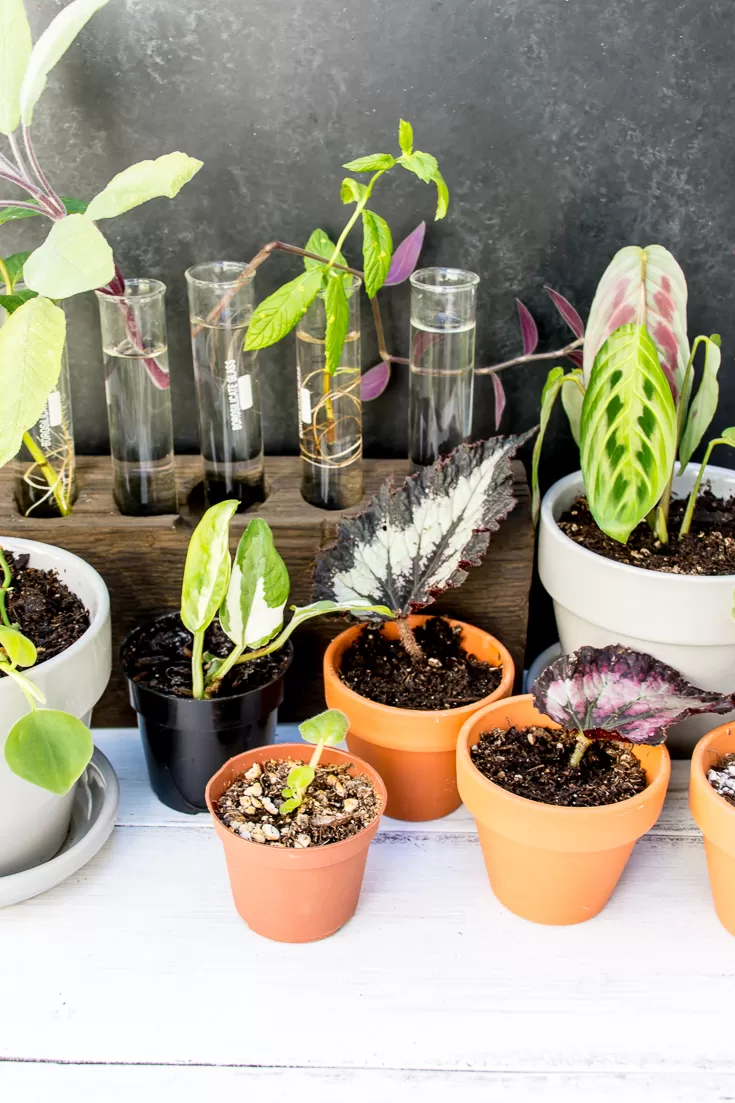
A collection of plant cuttings in various glass containers, showcasing easy water propagation methods
Have you ever wandered through a friend’s home, admiring their sprawling collection of vibrant green plants, and wondered how they managed to cultivate such an indoor jungle? Perhaps you dream of filling your own space with lush foliage but worry about the cost. The secret isn’t always a hefty budget; often, it’s knowing how to propagate! Propagation is the magical process of creating new plants from existing ones, and it’s surprisingly simple, especially with easy-to-root species. Whether you’re curious about using test‑tube propagation methods for a chic display or just want more green friends, this guide is for you. Let’s dive into the wonderful world of growing plants from cuttings and turn your home into the leafy haven you’ve always wanted.
Beyond expanding your own collection, sharing plant cuttings is a time-honored tradition that connects gardeners and spreads the beauty of nature. It’s a delightful way to swap favorites, bond over shared interests, and populate homes around the globe with beloved green companions. And let’s be honest, spotting a coveted plant and knowing you can potentially grow your own from a small piece is incredibly rewarding. While we would never encourage taking cuttings from plants for sale (that’s a definite no-no!), a small snip from a mature, well-established plant in a common area that won’t be harmed is a different story. That vibrant sage growing freely in an alley? Perfect candidate!
Propagating doesn’t have to be complicated! For many popular plants, all you need is water, some basic potting soil, and small containers. Forget about expensive rooting hormones, fancy growing mediums, or fussy moss beds. We’re focusing on techniques that are accessible and effective, perfect for beginners and seasoned plant lovers alike.
While I personally love showcasing my cuttings in test tubes – they make for a really stylish propagation station – any small glass jars, bottles, or even old food containers work perfectly for water rooting. For transferring rooted cuttings or starting others directly in soil, simple terracotta or plastic pots are ideal. Just make sure they have drainage holes to prevent soggy roots!
The only essential tool you’ll really need is something clean and sharp to take your cuttings. Garden pruners or shears are great, but a clean pair of sharp scissors or a utility knife will do the job just as well. Clean cuts heal faster and reduce the risk of disease.
One of the most satisfying ways to propagate houseplants is by rooting cuttings directly in water. It’s fascinating to watch the roots emerge and grow longer day by day. For many common varieties, this method is as simple as taking a cutting, placing it in water, waiting for roots to develop, and then potting it up in soil.
Here are some fantastic plants that readily root in water, perfect for trying out test-tube propagation methods:
These iconic trailing plants are a staple for a reason – they are incredibly forgiving and super easy to multiply. Look for fascinating varieties with splashes of white, yellow, or silver! When taking a cutting, locate the small bumps or nodes along the stem. These are crucial, as this is where the new roots will emerge. Ensure at least one node is submerged in the water.
Often confused with Pothos due to their trailing habit, these beauties are distinct with their perfect heart-shaped leaves. Silvery-spotted varieties are particularly striking. Like Pothos, they root extremely well in water. Look for the tiny aerial roots or nodes and make sure they are submerged in the water.
These charming flowering plants offer a slightly different water propagation method. Instead of a stem cutting, you’ll root a leaf! Cut a healthy leaf with about a half-inch of stem attached, making a 45-degree angle cut. The key is to keep the fuzzy leaf blade out of the water to prevent rot. You can use a narrow-necked bottle or cover a jar with plastic wrap and poke the stem through. Be patient; African violets can take a little longer to root than other plants. Once roots appear (even just a quarter-inch), pot the leaf stem in soil. A small plantlet will eventually grow from the base of the leaf stem.
Spider plants are famous for their “spiderettes” or “pups” – miniature versions of the mother plant that grow on long stems. Propagating them is arguably the easiest method on this list! Simply snip off a spiderette (those with tiny roots already showing have the highest success rate) and pop it in water. Roots will quickly develop, and you’ll have a new plant ready to pot in no time.
(Note: This plant is also known by less offensive names like Wandering Dude, Inch Plant, or Spiderwort). These vibrant, fast-growing plants come in stunning colors and patterns. They root incredibly easily in water. Like Pothos and Philodendron, roots tend to emerge from the nodes, or the joints between leaf segments. Ensure at least one node is submerged. They grow so quickly, you can take cuttings and create a fuller plant in just a few weeks!
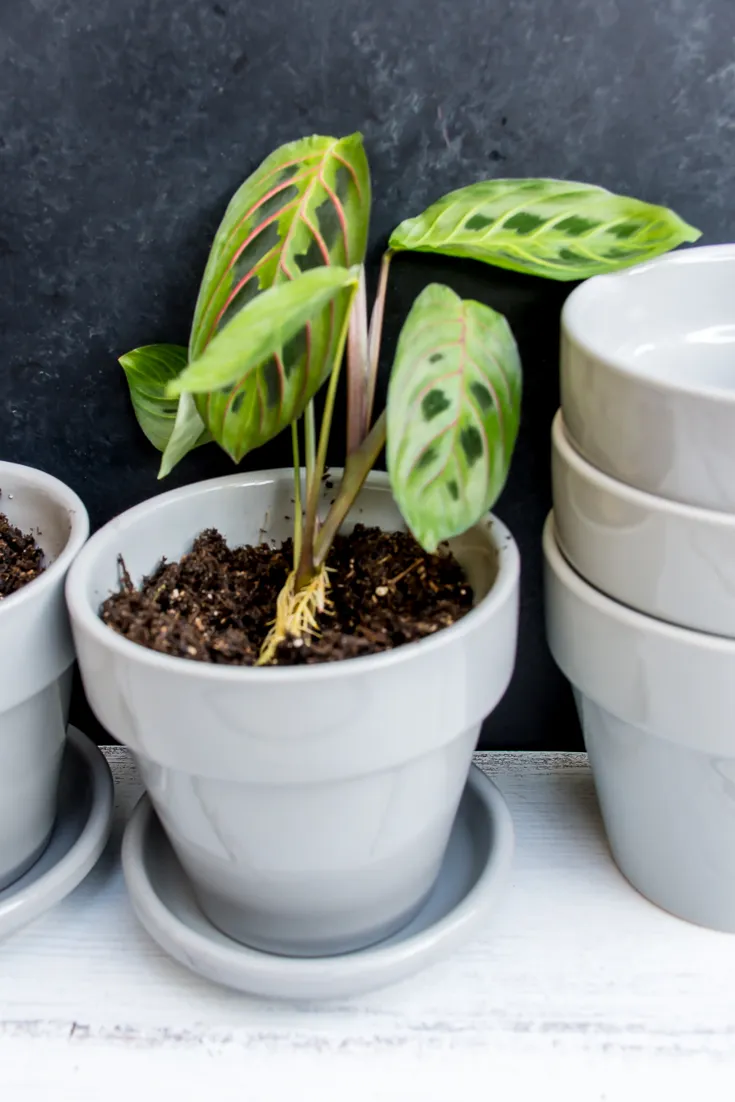
Known for their striking patterns and fascinating habit of folding their leaves upwards at night, Prayer Plants can also be propagated in water. While a single leaf can sometimes root, you’ll have much better success with a cutting that includes a leaf joint or node. Submerge the node, and watch those impressive roots develop within a couple of weeks.
You don’t have to wait until the holidays to propagate this festive succulent! A single leaf segment can root in water, but using larger sections (like those that might accidentally break off the mother plant) will give you a more substantial new plant faster.
Many types of Begonias, including the colorful Rex Begonias, can be rooted from leaf cuttings in water. While they might be a little slower than Pothos or herbs, they are well worth the wait. Simply place a healthy leaf stem in water (similar to the African violet method, keeping the leaf blade dry if possible, though some varieties are more tolerant) and wait for roots to form at the base of the stem. Once rooted and transferred to soil, little plantlets will eventually emerge from the base of the leaf.
Did you know you can easily grow many culinary herbs from cuttings placed in water? This is a fantastic way to keep fresh herbs growing indoors or to multiply your favorites from the garden. Mint is notorious for rooting quickly, even if you’re not trying! Other herbs that root readily in water include sage, lavender, rosemary, thyme, oregano, basil, and marjoram. For herbs with woody stems like rosemary and thyme, choose cuttings from the softer, green tips for the best success.
While watching roots develop in water is fun, many plants, especially succulents, prefer to root directly in soil. If you’re like me and enjoy the visible progress of water rooting, switching to soil might feel a bit like planting a mystery! However, it’s the standard and often most successful method for specific plant types.
Succulents are prime candidates for soil propagation, often from just a single leaf! Instead of discarding fallen succulent leaves, give propagation a try. It’s a no-loss experiment, and if it works, you gain a new plant!
For succulent leaf propagation:
Patience is key with soil rooting, especially with succulents. It might take weeks or even months before you see tiny roots or a miniature plant emerging from the base of the leaf. The original leaf will eventually shrivel up and nourish the new growth. Once the new plant is about half an inch tall, it’s generally sturdy enough to be transferred to its own small pot.
One star performer for soil propagation from leaves is the Burro’s Tail. The fleshy, bean-like segments fall off easily, and simply tossing them onto soil often results in new plants. My own large Burro’s Tail originated from cuttings from my grandmother’s plant – a true testament to the power of sharing and simple propagation! They are incredibly low-maintenance once established, thriving on infrequent watering.
Other succulents like Jade (Crassula ovata) and Echeveria species (those beautiful rosette forms) can also be propagated from leaves this way, but expect them to be slow growers. Thankfully, many succulents also readily produce “offshoots” or “pups” – small baby plants that grow from the base of the mother plant. Aloe plants (Aloe vera) are famous for this, often producing so many pups you’ll have plenty to share! These pups can be gently separated from the mother plant and potted directly into soil.
There are certainly many other exciting ways to propagate plants – from air layering to division – but mastering these basic water and soil methods will open up a world of possibilities for expanding your green family!
Stepping into the world of plant propagation is incredibly rewarding. It’s a way to deepen your connection with nature, save money, and surround yourself with the vibrant energy of growing things. Whether you’re drawn to the visual delight of test‑tube propagation methods or the simple satisfaction of a leaf turning into a new plant in soil, there’s a method for everyone. Give it a try, and you might be surprised at how quickly your little garden can grow!
Have you tried propagating plants at home? What are your favorite plants to multiply, or which ones are you excited to try propagating now? Share your stories and tips in the comments below!
Here's how implementing no-dig techniques can transform your container gardening: Build Richer Soil: Layers of…
Healthy soil is teeming with beneficial microbes that act as a natural defense system for…
Transform your patio into a vibrant, wildlife-friendly oasis. Discover how to create beautiful, low-maintenance container…
Unlock the secret to a beautiful, resilient garden with Sedum & Yarrow blends. Discover why…
Beat the Heat: Discover resilient perennials that thrive in containers during the hottest summer months,…
Variegated Pothos, like the Golden Pothos and Marble Queen, are stunning, easy-care houseplants perfect for…