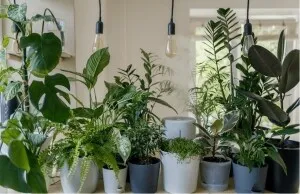
Nasa clear air study
Summer is the season for open windows and fresh breezes, right? Sometimes! But with soaring temperatures, pesky allergens, or just the hum of the air conditioner, we often spend more time sealed indoors. And that’s when the air quality inside your home can become a surprising concern. Did you know the air indoors can be significantly more polluted than outdoor air? That’s where the incredible power of plants comes in, specifically the ones validated by none other than NASA! Let’s explore what makes NASA-approved houseplants ideal for summer air purification and year-round cleaner living.
Our homes are filled with everyday items that off-gas potentially harmful chemicals, known as Volatile Organic Compounds (VOCs). Think about the paint on your walls, the carpet under your feet, cleaning supplies, furniture, and even personal care products. Common culprits include formaldehyde, benzene, trichloroethylene, xylene, and ammonia.
Breathing in these pollutants, especially in poorly ventilated spaces, can lead to a range of unpleasant symptoms like headaches, dizziness, eye and throat irritation, fatigue, and can contribute to long-term health issues. While ventilation helps, sometimes it’s not enough, or simply not practical, particularly during summer when keeping cool or avoiding pollen is a priority.
In the late 1980s, NASA faced a unique challenge: how to purify the air in sealed space stations where astronauts would live for extended periods with no access to fresh air. Turning away from purely technological solutions, they investigated a more natural approach – common houseplants.
The NASA Clean Air Study aimed to identify which plants were most effective at filtering out specific airborne toxins. They tested various plants in sealed chambers exposed to high concentrations of pollutants like formaldehyde, benzene, and trichloroethylene. The results were eye-opening, proving that certain plants, alongside the microorganisms in their soil, are remarkably effective at absorbing these harmful chemicals and improving indoor air quality.
This study fundamentally shifted our understanding of how houseplants can contribute to a healthier living environment. While a space station is a very different environment than a home, the principle holds true: these plants actively work to remove pollutants from the air around them.
Plants perform photosynthesis, absorbing carbon dioxide and releasing oxygen. This is their primary function, contributing to a fresher atmosphere. However, the NASA study highlighted a lesser-known ability: the absorption of VOCs.
Plants primarily absorb these gaseous toxins through the small pores in their leaves, known as stomata. Once inside the plant, the chemicals can be converted into less harmful substances or used as food. The soil and the microorganisms living within it also play a significant role, often breaking down airborne toxins pulled down into the soil.
So, what makes NASA-approved houseplants ideal for summer air purification? It’s their scientifically verified capacity to specifically target and break down common indoor pollutants, effectively acting as living air filters, especially valuable when ventilation is limited.
Beyond their air-purifying prowess, bringing plants into your home offers a wealth of other benefits that contribute to overall well-being:
The original NASA study identified a list of effective plants. While all are beneficial, some might be better suited for specific rooms based on their care needs and reported strengths. Here are a few popular NASA-approved options and where they might thrive in your home:
Some plants have a unique ability to continue producing oxygen at night while removing toxins, making them perfect bedroom companions.
Bathrooms are often humid and contain toxins from cleaning supplies. Plants that love moisture and can filter ammonia are great choices.
Larger plants can make a significant impact on air quality in spacious living areas.
Improve the air quality where you work or study.
Choose non-toxic plants for spaces where little ones or pets play.
A Spider Plant, known for its ease of care and non-toxic nature, making it suitable for playrooms.
To ensure your NASA-approved plants are working their hardest to clean your air, provide them with the care they need. This includes:
NASA suggested having roughly one houseplant per 100 square feet (about 9.2 square meters) for optimal air purification effect. While this might seem like a lot, every plant you add contributes!
Understanding what makes NASA-approved houseplants ideal for summer air purification highlights their incredible natural ability to cleanse our indoor environments. These aren’t just decorative elements; they are hardworking, living air filters capable of removing common and harmful toxins from the air we breathe daily. Especially when summer conditions keep us indoors, integrating these proven performers into your home offers a simple yet powerful way to enhance air quality, boost your physical and mental well-being, and bring the refreshing presence of nature inside.
Which NASA-approved plant will you add to your collection this summer? Share your favorites in the comments below! And don’t forget to share this article with your fellow garden enthusiasts looking to breathe a little easier. Explore more plant tips and green inspiration on Thelittle.garden!
Here's how implementing no-dig techniques can transform your container gardening: Build Richer Soil: Layers of…
Healthy soil is teeming with beneficial microbes that act as a natural defense system for…
Transform your patio into a vibrant, wildlife-friendly oasis. Discover how to create beautiful, low-maintenance container…
Unlock the secret to a beautiful, resilient garden with Sedum & Yarrow blends. Discover why…
Beat the Heat: Discover resilient perennials that thrive in containers during the hottest summer months,…
Variegated Pothos, like the Golden Pothos and Marble Queen, are stunning, easy-care houseplants perfect for…