Pavement Ant
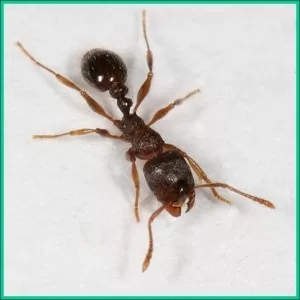
Tiny red ants outside, often scurrying along sidewalks and driveways, are a common sight for many homeowners. These industrious insects, known as pavement ants (Tetremorium immigrans), are notorious for their foraging habits and ability to find their way into our homes. This guide will help you understand their behavior, identify them correctly, and effectively manage their presence around your property.
Pavement ants earn their name from their tendency to build nests along pavements, sidewalks, and near building foundations. These tiny red ants, typically reddish-brown in color, are small, measuring only about 1/8 inch long. They create intricate colonies, often under concrete slabs or along the edges of houses and garages, exploiting any cracks or crevices for access.
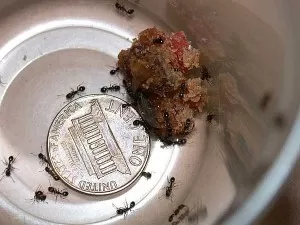
These social insects thrive on a diverse diet, consuming both sweet and greasy foods. This explains their frequent forays indoors, especially during colder months when outdoor food sources become scarce. Inside, they are attracted to crumbs, spills, and even pet food. While primarily a nuisance, their persistent presence in kitchens and pantries can be frustrating.
While pavement ants are generally harmless, their persistent presence can be a nuisance. Effective management involves a multi-pronged approach, targeting both their entry points and their foraging behavior.
One of the most effective ways to prevent pavement ants from entering your home is by sealing off their access points. Carefully inspect the exterior of your home for cracks and crevices in the foundation, walls, and around windows and doors. Caulking these openings can significantly reduce their ability to enter.
Baiting is another effective method for controlling pavement ant populations. These tiny red ants are attracted to sweet and greasy baits, making poisoned bait stations a valuable tool. Commercial ant baits are readily available, or you can create your own using boric acid, ground pet food, and molasses. Placing these baits strategically near ant trails or areas where they are frequently seen can significantly reduce their numbers.
For more persistent infestations, insecticide sprays containing permethrin or cyfluthrin can be applied around the perimeter of your home. These sprays create a barrier that deters ants from crossing and can help control populations outside. Always follow the instructions on the label carefully and take precautions to protect children and pets.
Pavement ant colonies produce winged reproductives, also known as swarmers, in the late spring and summer. These larger ants are responsible for establishing new colonies. While the sight of swarmers indoors can be alarming, they pose no threat and typically disappear within a few weeks. Their presence often indicates a nearby nest.
While pavement ants are less active during winter due to cold temperatures, colonies near heated structures may remain active. This can lead to increased indoor foraging as they seek food and water. Swarmers may also appear indoors during winter if the colony is located close to the building’s foundation.
Managing tiny red ants outside, or pavement ants, requires understanding their habits and implementing a combination of preventative and control measures. By sealing entry points, using bait stations, and applying perimeter sprays when necessary, you can effectively control their presence and minimize their impact on your home and garden. We encourage you to share your experiences and tips in the comments below, and explore more helpful articles on Thelittle.garden for all your gardening needs.
Key takeaways: Discover 5 enchanting flowers to create a magical fairy garden Learn the symbolic…
Watermelon Red Crape Myrtle is a classic, versatile tree with stunning pink-red blooms Grows 20-25…
Key Takeaways: Oriental lilies are prized for their large, fragrant blooms They thrive in well-draining…
Key takeaways: Amaranth is easy to grow in containers, perfect for beginners and experienced gardeners…
Vibrant, low-maintenance flowers for sunny spots Continuous color throughout summer Perfect for borders, ground cover,…
Here's how implementing no-dig techniques can transform your container gardening: Build Richer Soil: Layers of…