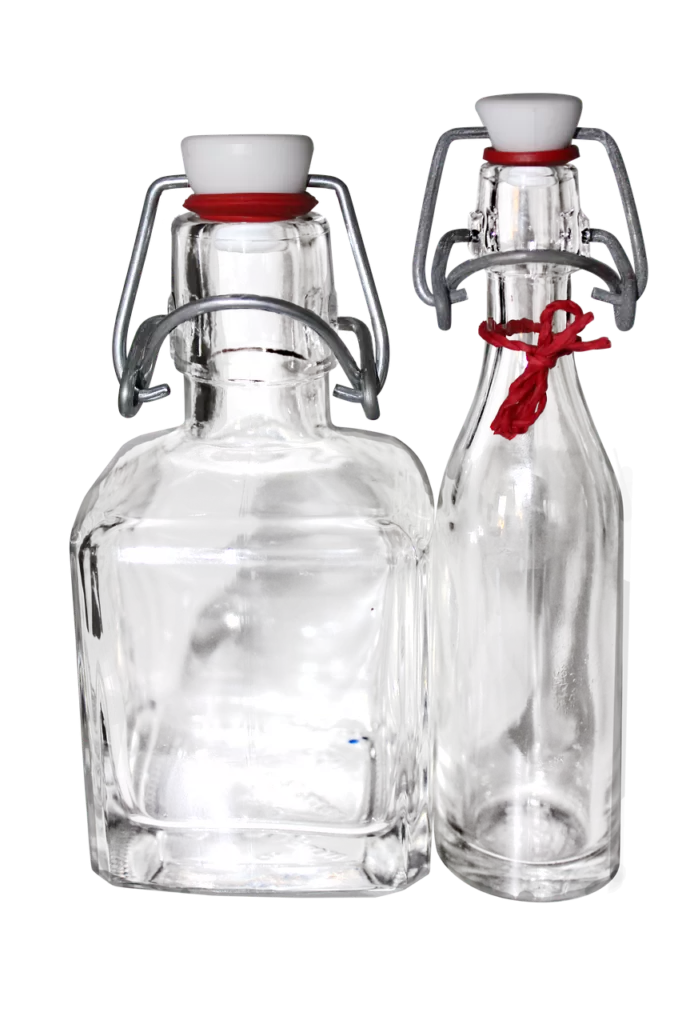
Vinegar in a bottle
Ants – those tiny yet persistent invaders – can quickly turn a peaceful home into a battlefield. While seemingly harmless at first glance, their presence can lead to contaminated food, structural damage, and the rapid growth of unsightly colonies. But don’t worry, you don’t need to resort to harsh chemicals to win this war. Understanding what smell do ants hate is the key to effectively repelling these unwanted guests using natural solutions. This comprehensive guide will explore a variety of scents ants despise, empowering you to reclaim your home and garden naturally.
Ants invade our homes primarily in search of food and water. Sweet, greasy substances are particularly appealing to them, as are damp areas offering a reliable water source. By addressing these attractants and strategically deploying natural repellents, you can effectively deter ants from entering your living spaces.
Vinegar stands out as a top-tier ant repellent. Not only does its pungent aroma deter ants, but its cleaning properties also erase the scent trails they use for navigation. Create a simple solution by mixing equal parts water and white vinegar in a spray bottle. Wipe down kitchen counters, floors, and any surfaces where ants have been spotted. Remember to reapply regularly as the vinegar smell dissipates over time.
Thyme, a culinary staple, doubles as an effective ant repellent. Its strong scent sends ants scurrying, while simultaneously attracting beneficial pollinators like bees. Cultivating thyme in your garden or even indoors on a sunny windowsill offers a natural ant deterrent. Lemon thyme is especially potent, combining the repellent properties of thyme and citrus.
Chalk and baby powder, both containing calcium carbonate, disrupt ant scent trails, effectively confusing their navigation system. The texture of these substances is also unappealing to ants, making them hesitant to cross a chalk or powder line. Draw thick lines near known ant entry points, refreshing them periodically as they can be easily disturbed.
The potent aroma of citrus peels from oranges, lemons, and grapefruits acts as a natural ant deterrent. The citrus scent masks the smell of food that might otherwise attract ants, while simultaneously repelling them. Scattering citrus peels near entryways or other ant-prone areas offers a simple yet effective solution.
Peppermint oil’s strong minty fragrance is highly effective in repelling ants. Its menthol content is toxic to many insects, making it a powerful deterrent. Dilute a few drops of peppermint oil in water and spray in affected areas, or soak cotton balls in the oil and place them near ant entry points.
Lavender’s enchanting fragrance repels ants while enhancing the beauty of your garden. Planting lavender near your home’s foundation or around your garden creates a natural barrier against ant invasions. Lavender essential oil can also be used in sprays or sachets to deter ants indoors.
Lemongrass essential oil disrupts ants’ ability to detect food. Its strong citrusy scent overwhelms their olfactory receptors, interfering with their navigation. Mix a few drops of lemongrass oil with water and spray in ant-prone areas for effective control.
Chrysanthemums contain pyrethrins, natural insecticides that repel and kill ants. Planting these beautiful flowers in your garden creates a protective barrier against ant infestations. Chrysanthemum-based insecticides are also available for treating heavily infested areas.
While we may find the aroma of coffee appealing, ants find it repulsive. Sprinkling used coffee grounds around your house, garden, or other ant-prone areas acts as a natural deterrent. The grounds also offer the added benefit of enriching the soil with nutrients.
The pungent aroma of cayenne and black pepper irritates ants’ scent receptors, effectively repelling them. Sprinkle a line of pepper near ant entry points or create a pepper and water spray for targeted application. Reapply after rain or as the scent fades.
Tea tree oil’s potent fragrance is highly effective in repelling ants. Mix a few drops of tea tree oil with water and spray in affected areas, or soak cotton balls in the oil and place them strategically.
Ants dislike the strong scent of cinnamon. Ground cinnamon, cinnamon essential oil, or cinnamon sticks can all be used as repellents. Ground cinnamon can even suffocate ants by clogging their spiracles. Sprinkle ground cinnamon near ant entry points, or create a cinnamon and water spray.
By understanding what smell do ants hate, you can effectively and naturally control these persistent pests. Implementing these strategies, combined with regular cleaning and eliminating food sources, will help you maintain an ant-free home and garden. We encourage you to share your experiences and tips in the comments below. Let us know what natural repellents have worked best for you!
Here's how implementing no-dig techniques can transform your container gardening: Build Richer Soil: Layers of…
Healthy soil is teeming with beneficial microbes that act as a natural defense system for…
Transform your patio into a vibrant, wildlife-friendly oasis. Discover how to create beautiful, low-maintenance container…
Unlock the secret to a beautiful, resilient garden with Sedum & Yarrow blends. Discover why…
Beat the Heat: Discover resilient perennials that thrive in containers during the hottest summer months,…
Variegated Pothos, like the Golden Pothos and Marble Queen, are stunning, easy-care houseplants perfect for…