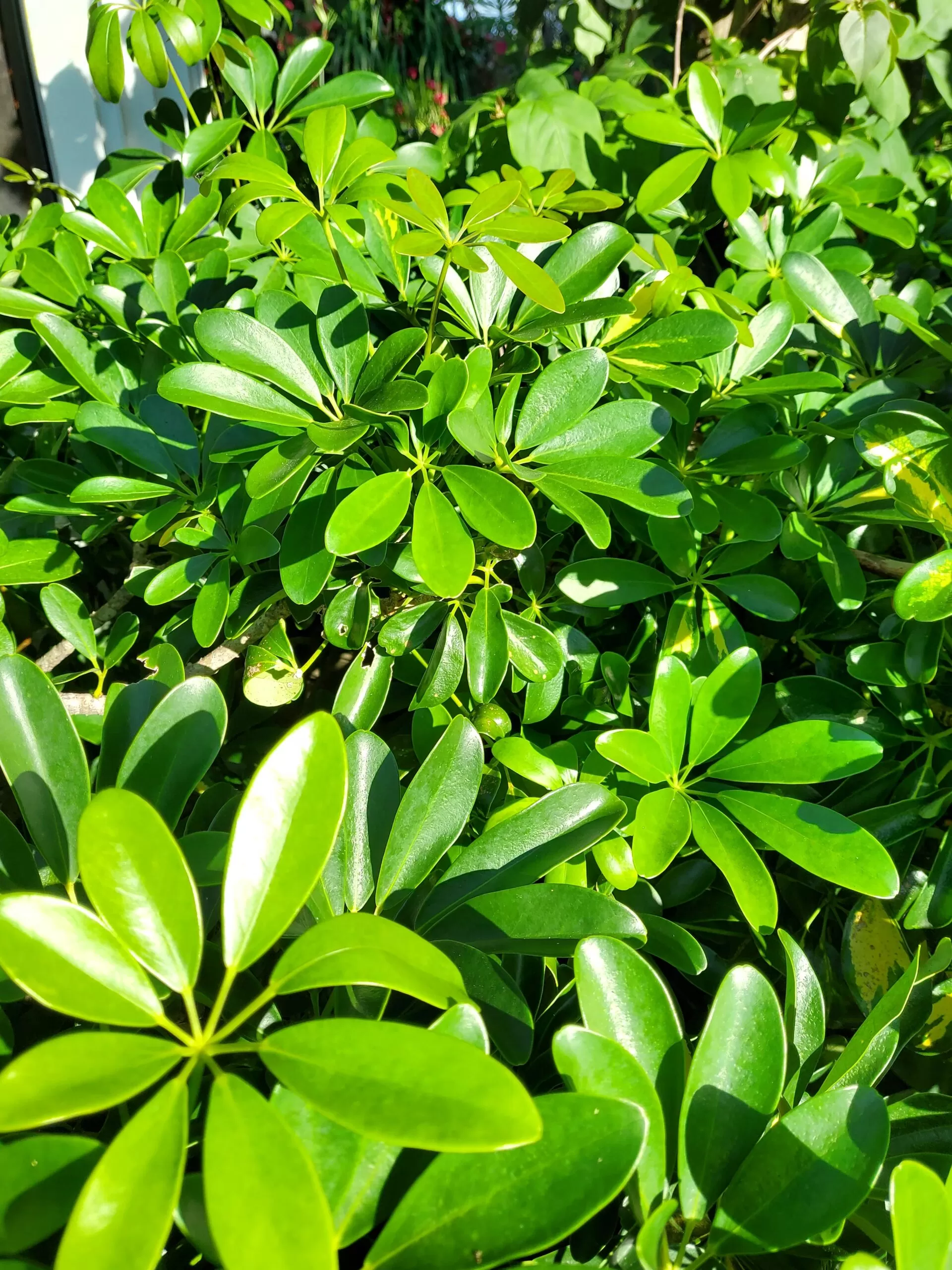
Umbrella tree outdoors in full sun.
The umbrella tree, with its vibrant, tropical foliage, can transform any outdoor space into a lush paradise. Whether you’re envisioning a stately multi-trunk specimen, a bushy privacy screen, or a whimsical archway, the adaptable umbrella tree can fulfill your landscaping dreams. This guide explores the essentials of growing and caring for umbrella trees outdoors, empowering you to cultivate these stunning plants with confidence.
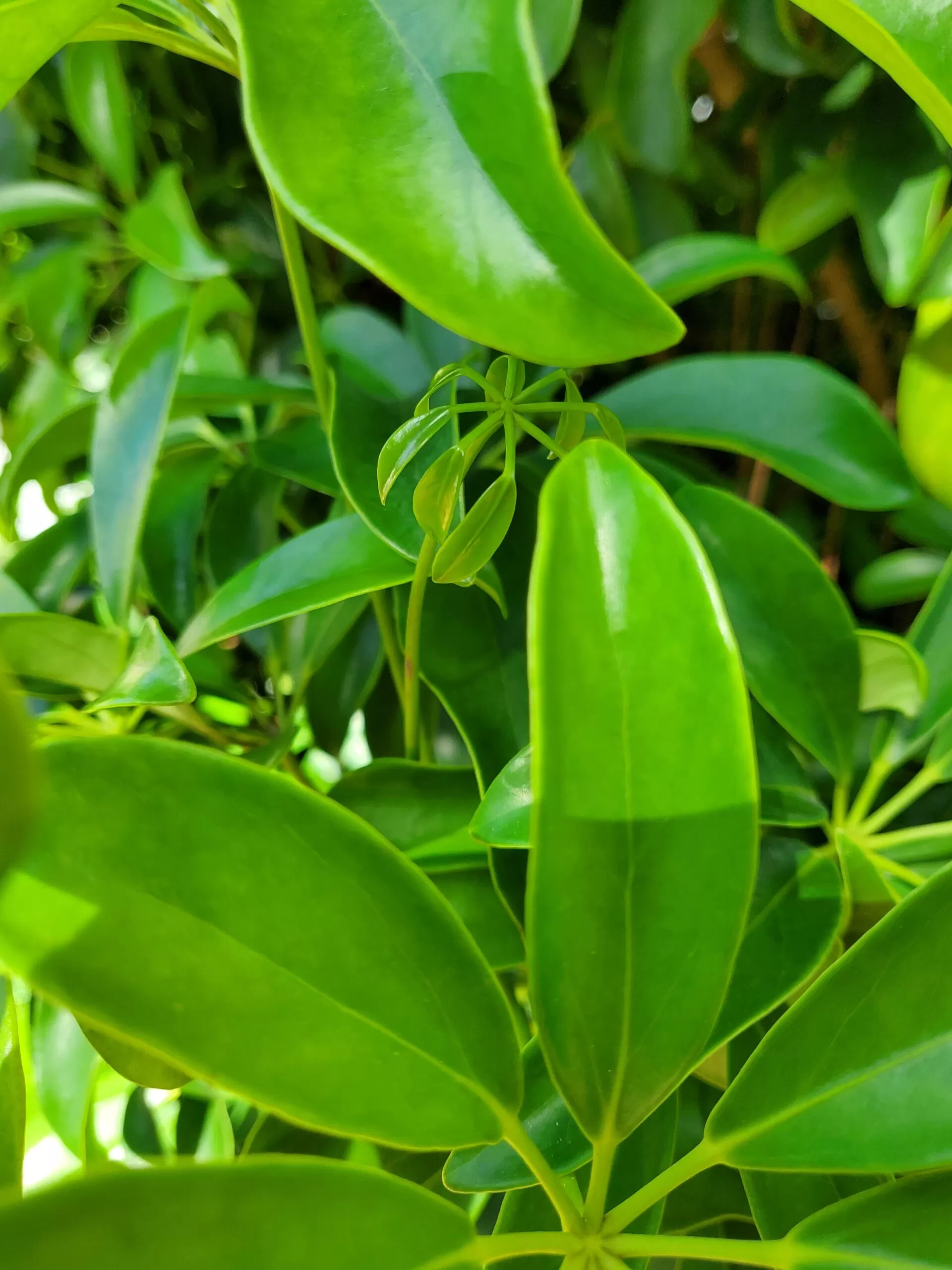
Umbrella trees, also known as Scheffleras, are evergreen tropical plants cherished for their distinctive umbrella-shaped leaf clusters. These clusters, composed of multiple oval-shaped leaflets radiating from a central stem, create a striking visual appeal. While often grown as houseplants, umbrella trees truly flourish outdoors in warm climates.
There are two main types of umbrella trees commonly grown outdoors: the Dwarf Schefflera and the Australian Umbrella Tree. The Dwarf Schefflera, with its bushy growth habit and smaller leaves, is ideal for hedges, screens, and trained shapes. The Australian Umbrella Tree, on the other hand, develops a more tree-like form with larger, drooping leaves, perfect for creating a dramatic focal point.
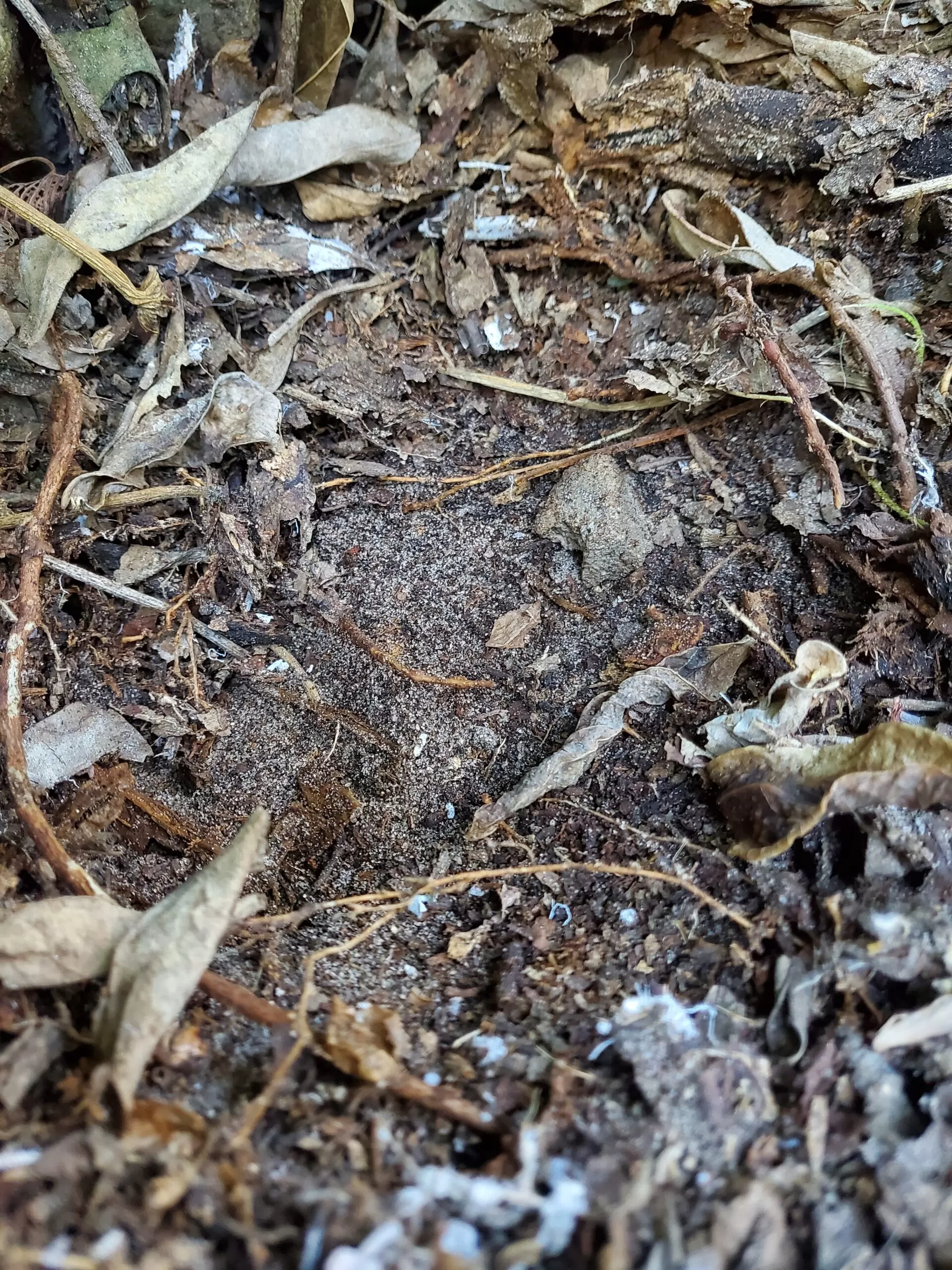
Umbrella trees thrive in nutrient-rich, well-draining soil. Amend heavy clay soils with sand or compost to improve drainage. While they appreciate regular watering, especially during the growing season, avoid overwatering and ensure the soil dries out between waterings.
These plants benefit from regular fertilization, particularly during the growing season. Use a balanced fertilizer or one slightly higher in nitrogen to support lush foliage growth. A layer of mulch around the base of the tree helps retain moisture, suppress weeds, and regulate soil temperature.
Pruning is essential for maintaining the desired shape and size of your umbrella tree. Dwarf Scheffleras can be pruned regularly to maintain their bushy form. Australian Umbrella Trees may require pruning to manage multiple trunks or to prevent them from becoming top-heavy.
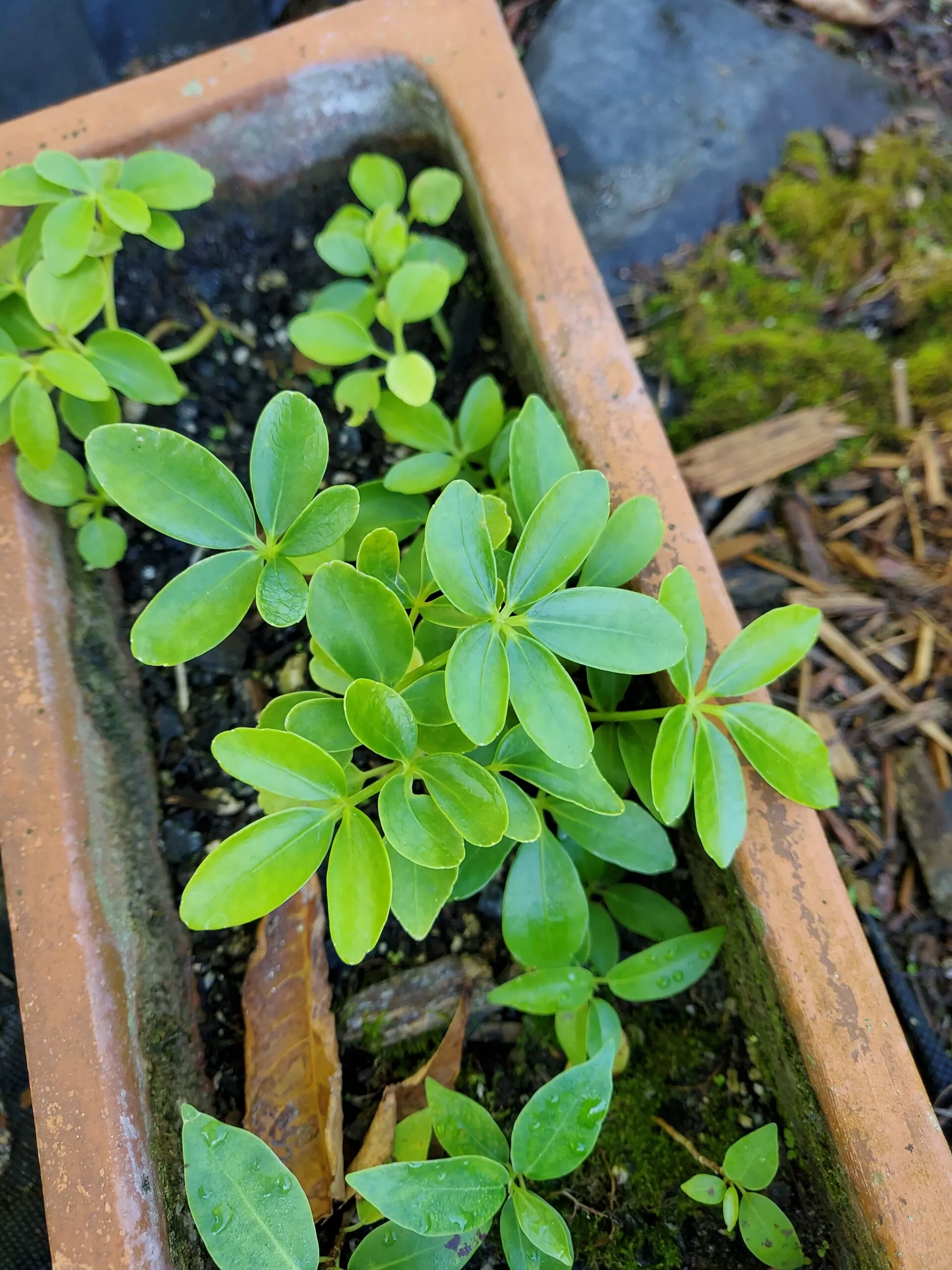
Propagating umbrella trees is relatively easy. They can be grown from seed, but cuttings are a more reliable method. Take cuttings from new growth, dip them in rooting hormone, and place them in water until roots develop. Larger branches can also be propagated, but success rates are higher with younger growth.
Umbrella trees offer endless possibilities for enhancing your outdoor space. Use them as striking focal points, create lush privacy screens, train them into arches or tunnels, or even grow them in containers for a touch of tropical flair on your patio.
Growing umbrella trees outdoors is a rewarding experience that brings a touch of the tropics to your garden. By understanding their needs and following these simple care tips, you can enjoy the beauty and versatility of these remarkable plants for years to come. Share your experiences and tips for growing umbrella trees in the comments below! We’d love to hear from you. Explore more gardening inspiration and advice on Thelittle.garden.
Key takeaways: Discover 5 enchanting flowers to create a magical fairy garden Learn the symbolic…
Watermelon Red Crape Myrtle is a classic, versatile tree with stunning pink-red blooms Grows 20-25…
Key Takeaways: Oriental lilies are prized for their large, fragrant blooms They thrive in well-draining…
Key takeaways: Amaranth is easy to grow in containers, perfect for beginners and experienced gardeners…
Vibrant, low-maintenance flowers for sunny spots Continuous color throughout summer Perfect for borders, ground cover,…
Here's how implementing no-dig techniques can transform your container gardening: Build Richer Soil: Layers of…