- What is sowing seeds? The simple act of scattering seeds where they can germinate, either indoors or outdoors.
- Why sow seeds? Save money, grow a wider variety of plants, and enjoy the process of nurturing life.
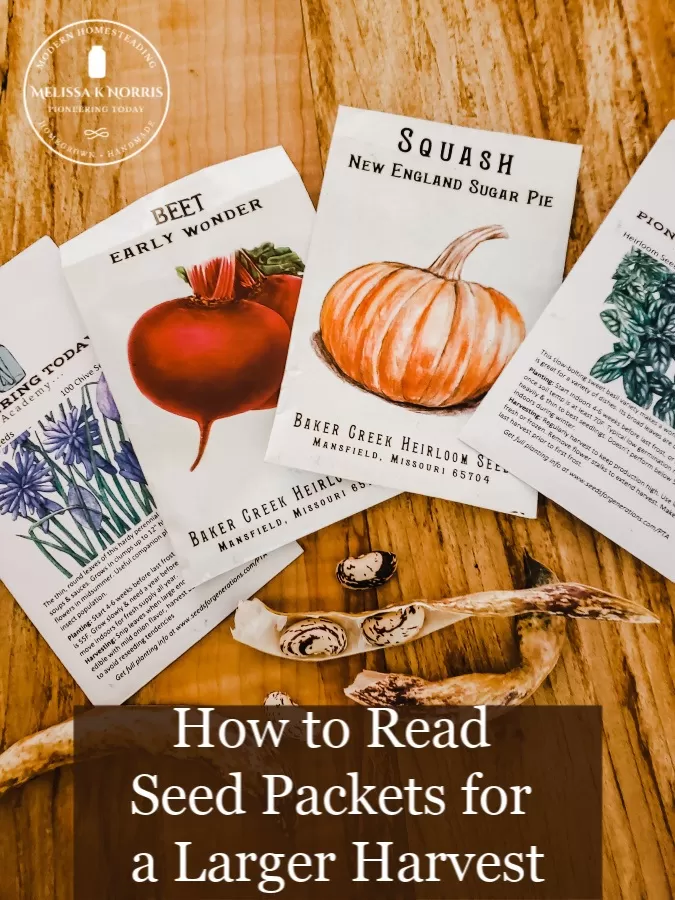
- When to sow? Timing is crucial and depends on the plant and your last frost date. Check seed packets for guidance.
- Where to sow? Outdoors in the ground or indoors in seed trays. Indoor sowing offers more control.
- How to sow? Scatter seeds outdoors or use seed trays indoors, ensuring proper depth and moisture.
Sowing seeds, at its heart, is the act of planting. It’s about giving tiny seeds the chance to sprout and grow into vibrant plants. Whether you’re an experienced gardener or just starting out, understanding what it means to sow seeds, and how to do it effectively, is key to a successful garden. “What is sow seeds?” is a question that opens the door to a world of gardening possibilities.
Understanding Seed Sowing
What does it mean to sow seeds? Simply put, it’s scattering seeds in a location where they have the potential to germinate and grow. This can be directly into the ground outdoors or in seed-starting trays indoors. Many gardeners prefer indoor sowing because it provides greater control over the germination process, allowing them to get a jumpstart on the growing season and extend their gardening activities throughout the year.
Timing Your Seed Sowing
Knowing when to sow seeds is just as important as knowing how. The timing depends on the type of seed you’re planting and your local climate. For instance, sowing summer squash seeds indoors in January in a cold climate won’t work, as the seedlings will be ready to transplant long before the last frost. Seed packets usually offer valuable guidance. They often advise sowing seeds indoors a certain number of weeks before the last expected frost in your area. Consulting a planting calendar can also provide valuable insights into the optimal sowing times for different plants in your region.
Choosing the Right Location for Sowing
Where to sow seeds depends on various factors, including the type of plant, the time of year, and your available resources.
Sowing Outdoors
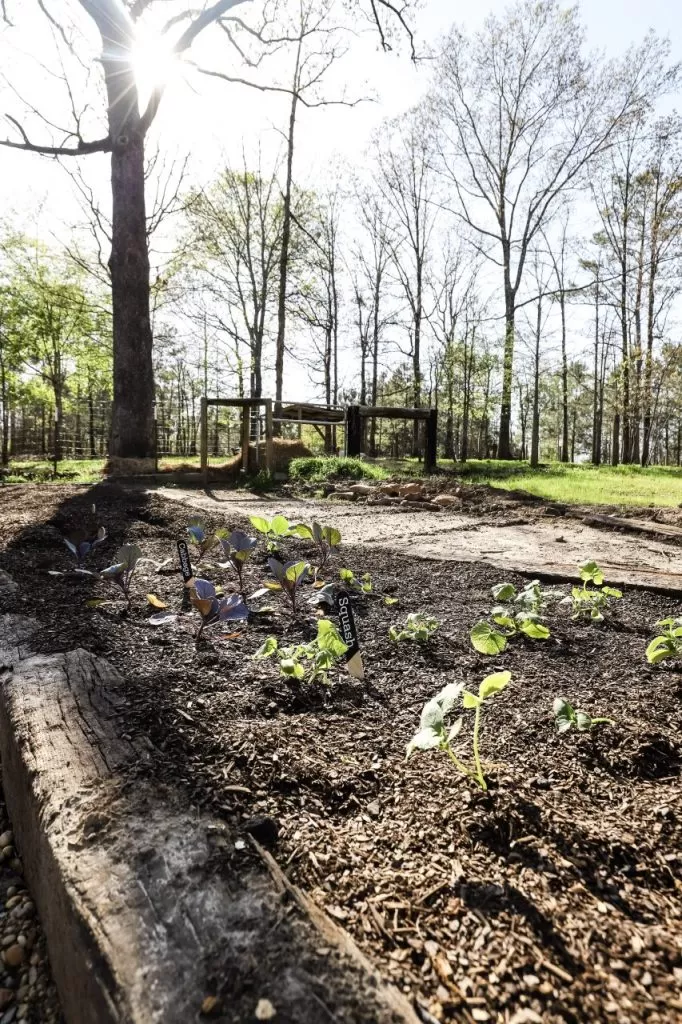
Direct sowing outdoors works well for plants with larger seeds, like beans and squash. It can be as simple as scattering seeds across the ground and lightly raking them in, especially for wildflowers. For vegetables, it’s generally recommended to plant in rows by digging shallow trenches, spacing the seeds according to the packet instructions, and covering them with soil.
Sowing Indoors
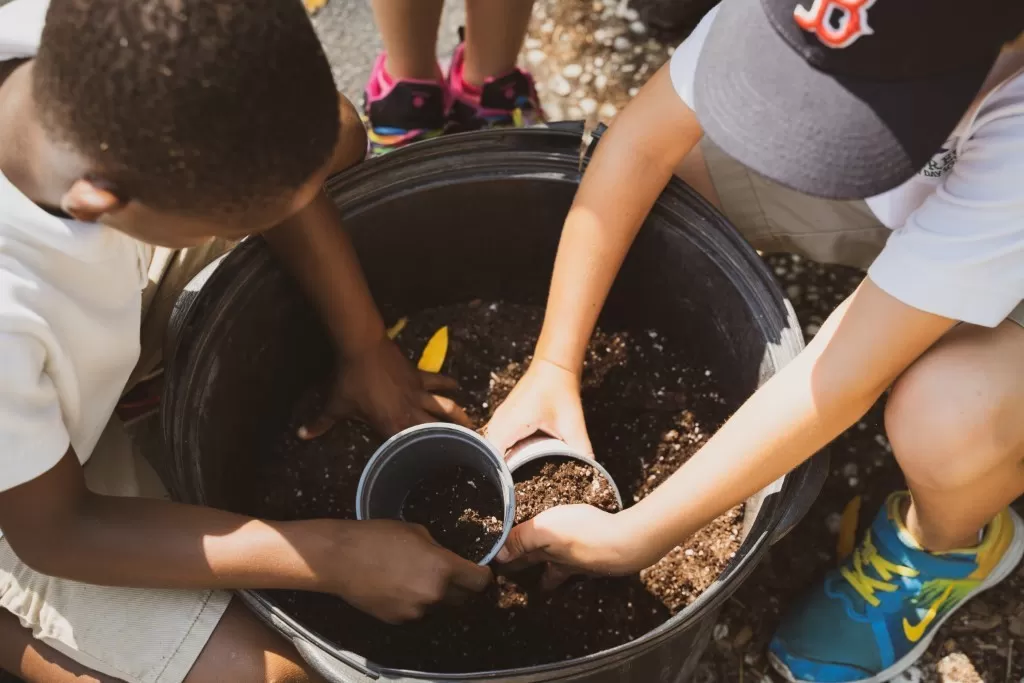
Indoor sowing is ideal for seeds that require a longer growing season or more controlled conditions. Clean seed-starting trays or containers are essential. Fill them with a seed-starting mix, moisten the mix, and sow the seeds at the recommended depth according to the packet. Maintaining consistent moisture is vital for germination. Covering the trays with clear plastic wrap can help create a humid environment. Once the seedlings emerge, remove the plastic and provide ample light, ideally with fluorescent grow lights.
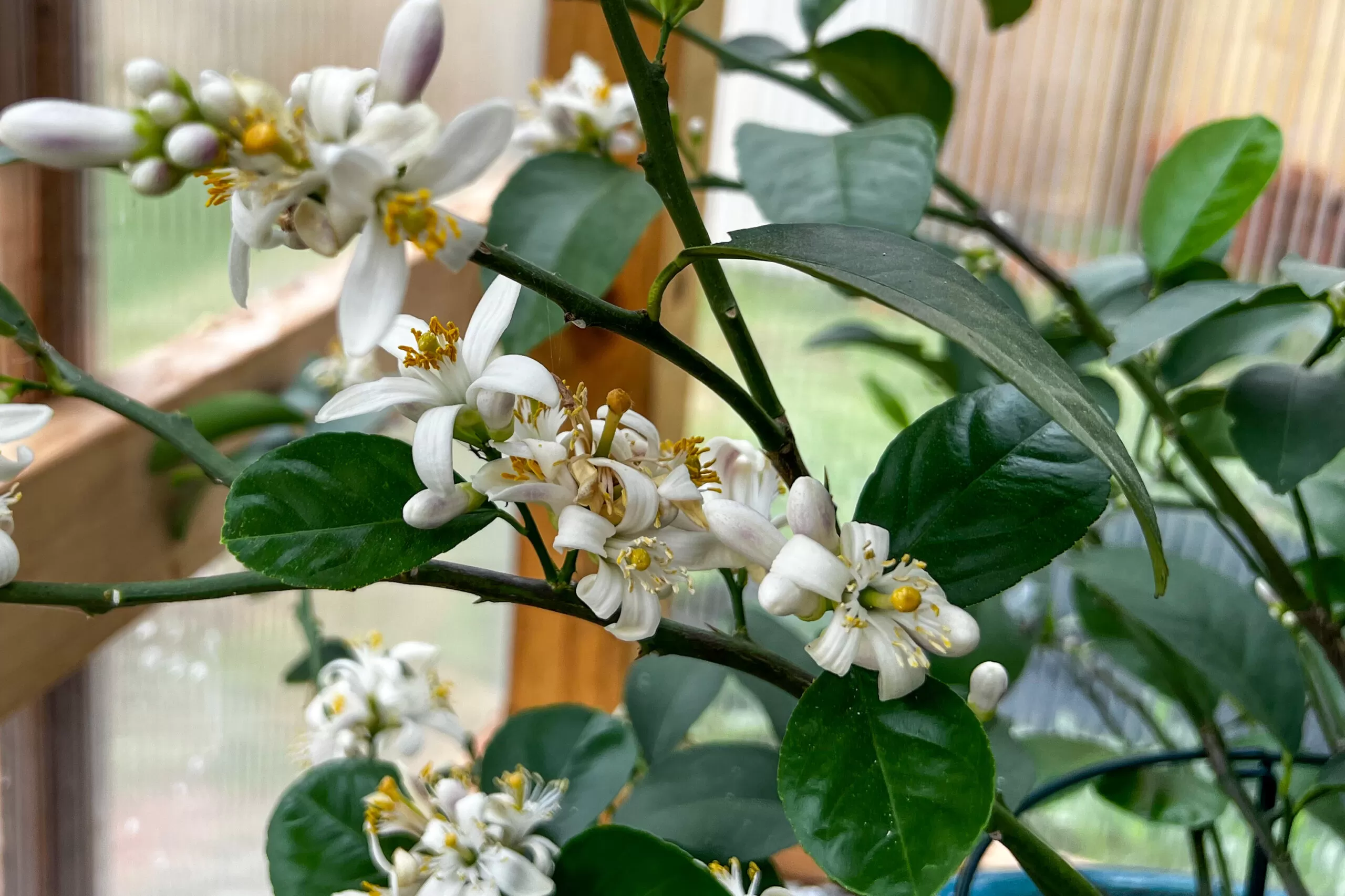 altSeedlings ready for transplanting.
Selecting Seeds for Sowing
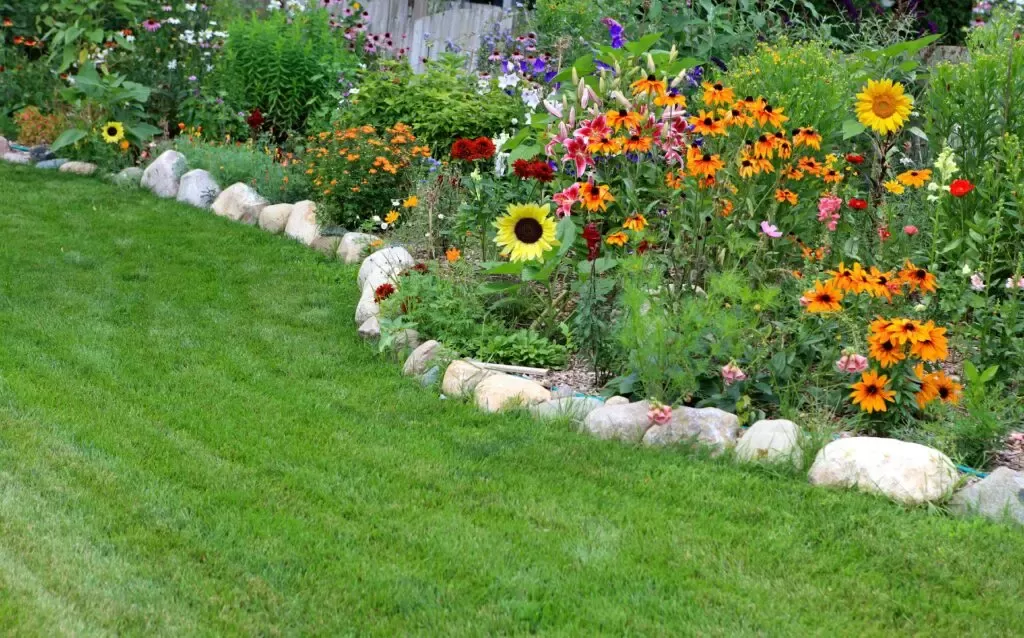
Choosing what to sow depends on your preferences and practicality. Some plants, like begonias, have tiny seeds that can be challenging to germinate, making it easier to buy established plants. Others, such as poppies and marigolds, are incredibly easy to grow from seed sown directly outdoors. For vegetables, tomatoes, peppers, and brassicas like cabbage and broccoli are well-suited for indoor sowing, while larger-seeded vegetables like squash, cucumbers, and beans can be directly sown outdoors.
Hardening Off Seedlings
For seeds started indoors, the transition to the outdoor environment needs to be gradual. This process is called hardening off. About a week before transplanting, introduce the seedlings to outdoor conditions by placing them in a shady, protected area for a few days, then gradually increasing their exposure to sunlight. This helps them acclimate to the harsher conditions of the outside world, increasing their chances of survival.
Conclusion
Sowing seeds is a rewarding experience that connects us to the natural world. By understanding the basics of what it means to sow seeds, choosing the right time and location, and following proper techniques, you can enjoy the fruits (and vegetables!) of your labor. So, grab your seeds, gather your tools, and embark on the exciting journey of growing your own plants! Share your seed-sowing experiences and tips in the comments below.