- Quick Wins: Discover the best vegetables, herbs, and flowers to plant in July for a thriving fall garden.
- Frost Dates: Learn how to determine your first frost date and plan your planting schedule accordingly.
- Cold-Hardy Crops: Explore a variety of cold-hardy options that can withstand cooler temperatures.
- Succession Planting: Maximize your harvest with tips on succession planting for continuous yields.
- Fall Gardening Advantages: Enjoy the benefits of fewer pests, cooler weather, and delicious fall flavors.
July might seem like the peak of summer, but it’s also the perfect time to start planning and planting for a bountiful fall harvest. Knowing what to plant in July is key to extending your growing season and enjoying fresh produce well into the autumn months. Let’s explore the best options for your July garden, from cool-weather vegetables to vibrant flowers.
Planning Your Fall Garden
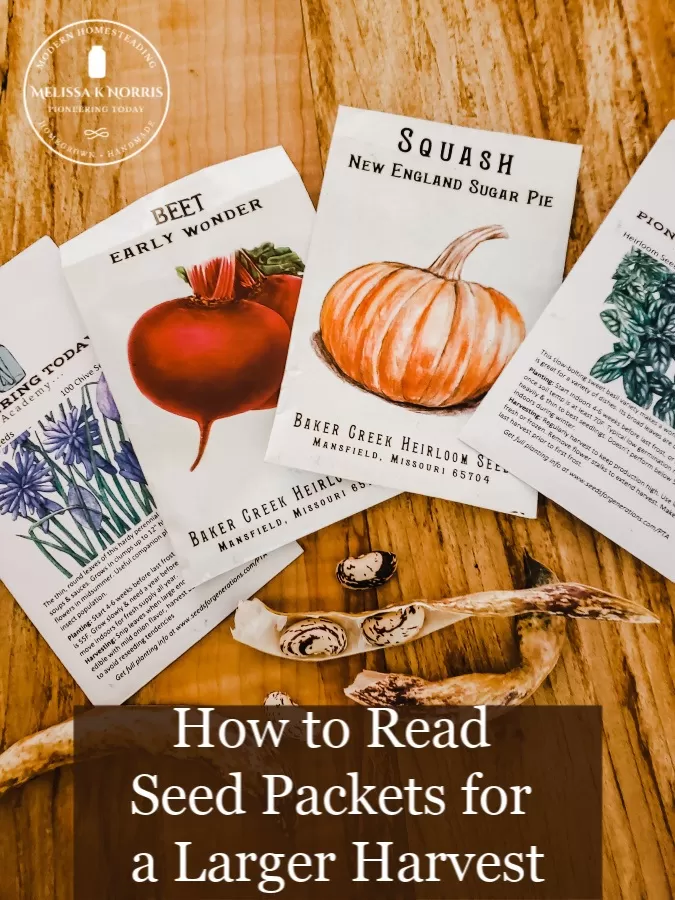
Before diving into specific plants, it’s essential to understand your local climate and growing conditions. Knowing your first frost date is crucial for timing your plantings correctly. You can easily find this information by searching online or consulting the Farmers Almanac. Once you know your first frost date, count back the number of days required for each crop to mature (this information is usually found on seed packets). This will tell you when to sow your seeds or transplant seedlings.
 Woman holding seed packets and a cup of coffee.
Understanding Gardening Terms
A few key terms will help you navigate the world of fall gardening:
- Direct Sowing: Planting seeds directly into the ground outdoors.
- Indirect Sowing: Starting seeds indoors in trays or pots before transplanting them outside.
- Cold Hardy: Plants that can tolerate frost and freezing temperatures.
- Frost Tolerant: Plants that can withstand a light frost but may not survive a hard freeze.
- Succession Sowing: Planting the same crop at intervals to ensure a continuous harvest.
- Bolting: Premature flowering and seed production, often caused by hot weather.
What to Plant in July for Fall Harvest
Cool-Weather Vegetables
July is the ideal time to sow seeds for many cool-weather vegetables that thrive in the milder temperatures of fall.
Brassicas
Brassicas, such as broccoli, cabbage, cauliflower, kale, and Brussels sprouts, are excellent choices for fall planting. Start seeds indoors 6-8 weeks before your first frost date.
- Broccoli (Brassica oleracea var. italica): Zones 3-10, Full sun, Moderate humidity, Regular watering.
- Cabbage (Brassica oleracea var. capitata): Zones 1-9, Full sun, Moderate humidity, Regular watering.
- Cauliflower (Brassica oleracea var. botrytis): Zones 2-10, Full sun, Moderate humidity, Regular watering.
- Kale (Brassica oleracea var. sabellica): Zones 7-10, Full sun to partial shade, Moderate humidity, Regular watering.
- Brussels Sprouts (Brassica oleracea var. gemmifera): Zones 2-10, Full sun, Moderate humidity, Regular watering.
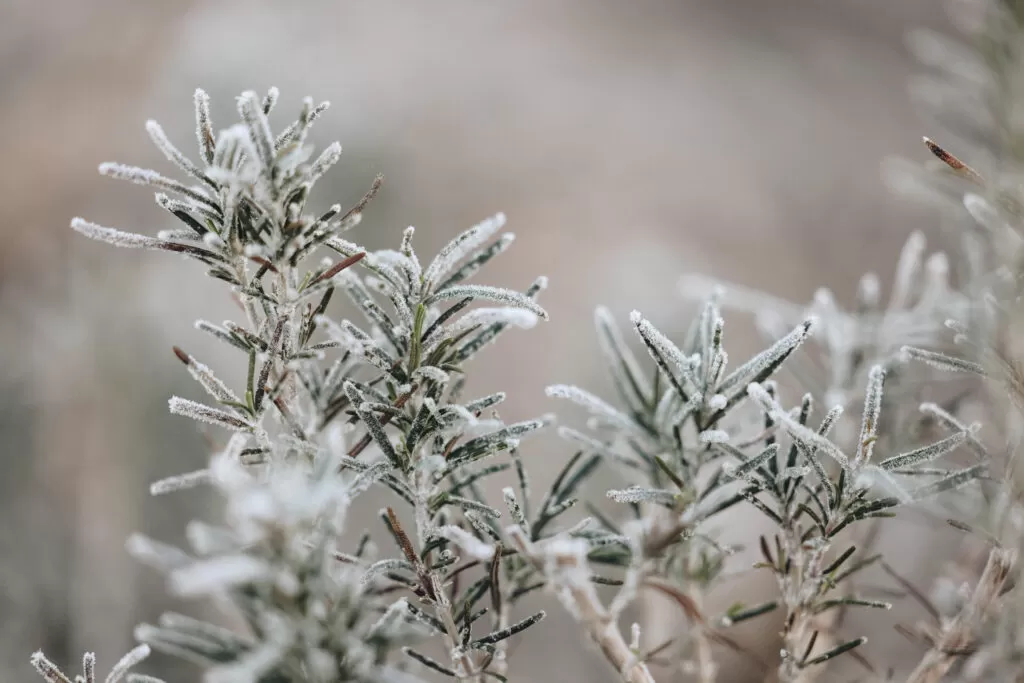 Frozen rosemary.
Root Vegetables
Root vegetables, including beets, carrots, radishes, turnips, and parsnips, also prefer cooler temperatures. Direct sow seeds in July or August.
- Beets (Beta vulgaris): Zones 2-10, Full sun, Moderate humidity, Regular watering.
- Carrots (Daucus carota): Zones 4-10, Full sun, Moderate humidity, Regular watering.
- Radishes (Raphanus sativus): Zones 2-10, Full sun, Moderate humidity, Regular watering.
- Turnips (Brassica rapa): Zones 2-10, Full sun, Moderate humidity, Regular watering.
- Parsnips (Pastinaca sativa): Zones 3-9, Full sun, Moderate humidity, Regular watering.
 Multiple root vegetables being held by the stem.
Leafy Greens
Enjoy fresh salads well into fall by planting lettuce, spinach, and other leafy greens in July.
- Lettuce (Lactuca sativa): Zones 4-9, Full sun to partial shade, Moderate humidity, Regular watering.
- Spinach (Spinacia oleracea): Zones 2-9, Full sun to partial shade, Moderate humidity, Regular watering.
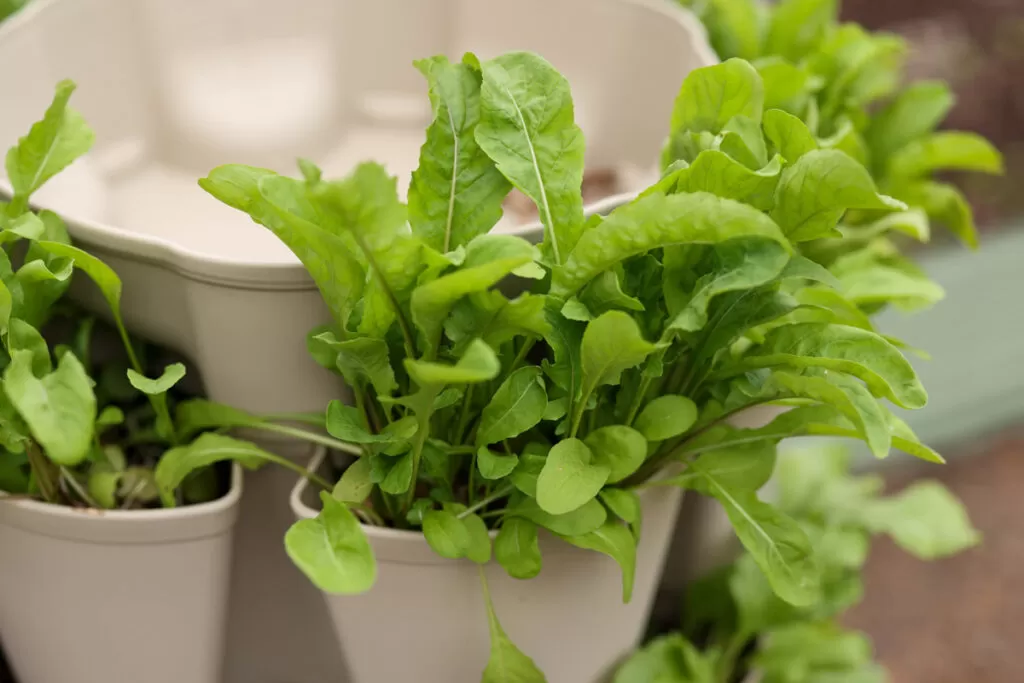 Salad greens growing in a Greenstalk Vertical Garden planter.
A Second Wave of Summer Crops
You can also squeeze in a second planting of some quick-growing summer vegetables like beans and cucumbers.
- Beans (Phaseolus vulgaris): Zones 3-10, Full sun, Moderate humidity, Regular watering.
- Cucumbers (Cucumis sativus): Zones 4-11, Full sun, Moderate humidity, Regular watering.
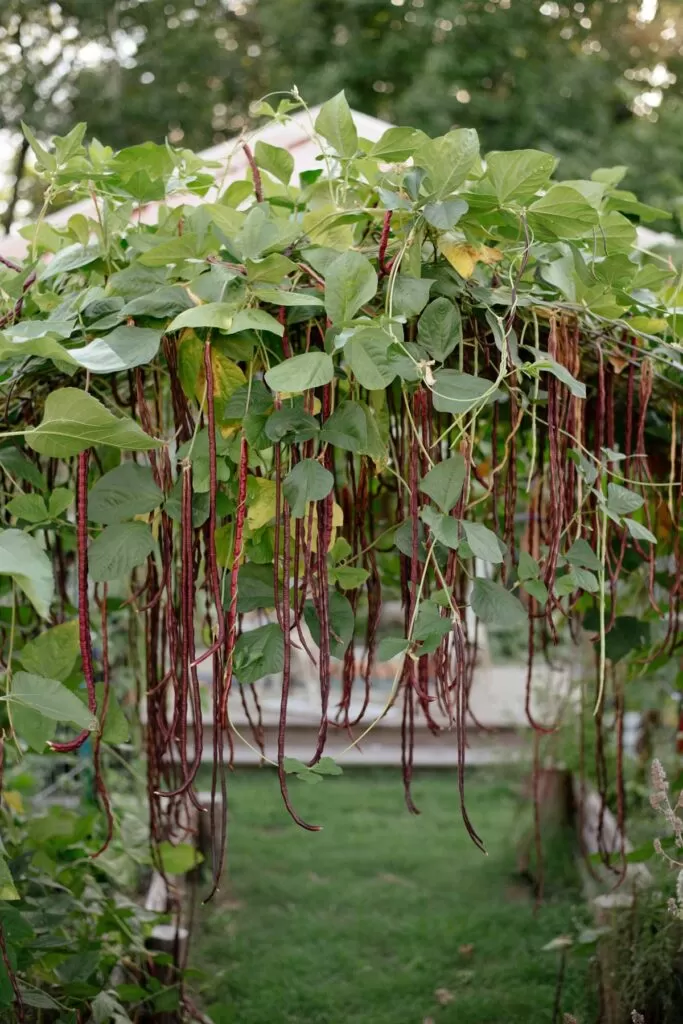 Long red beans growing on an arched trellis.
Flowers and Herbs
Don’t forget to add some color and flavor to your fall garden with flowers and herbs.
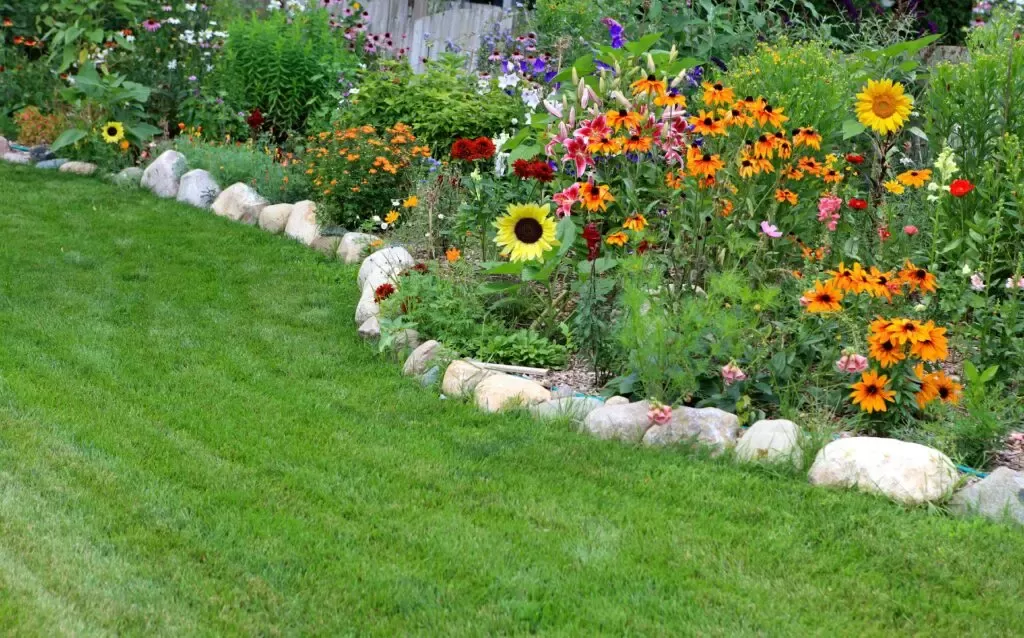
- Sunflowers (Helianthus annuus): Zones 2-11, Full sun, Moderate humidity, Regular watering.
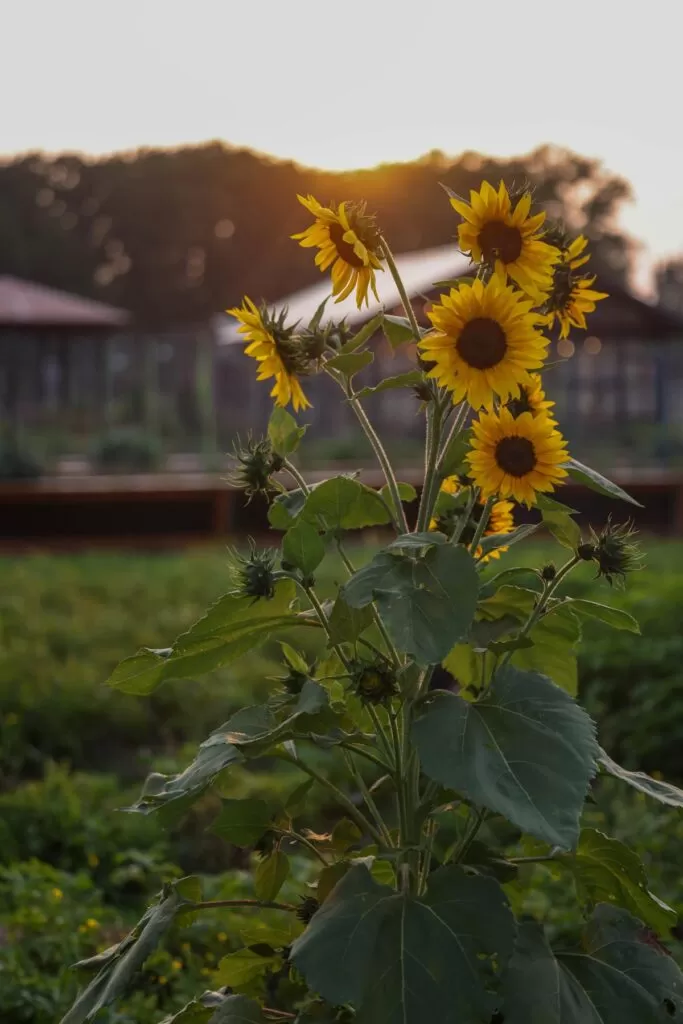 Sunflowers growing in the garden.
Preparing Your Garden for Fall Planting
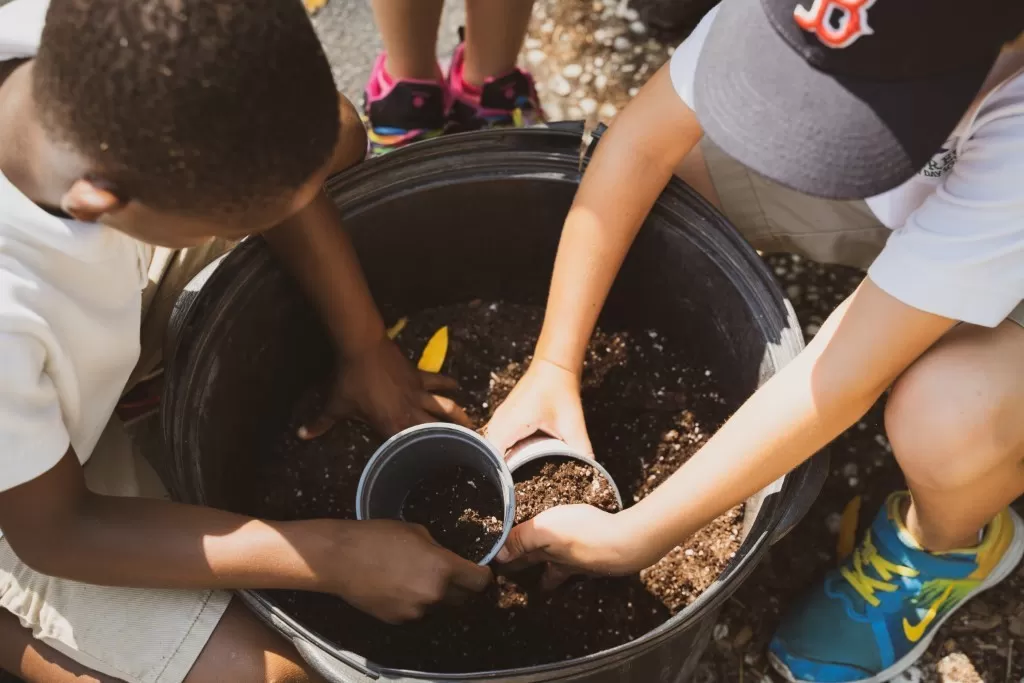
Before planting, amend your soil with compost to provide nutrients for your fall crops. Consider using mulch to help retain moisture and regulate soil temperature.
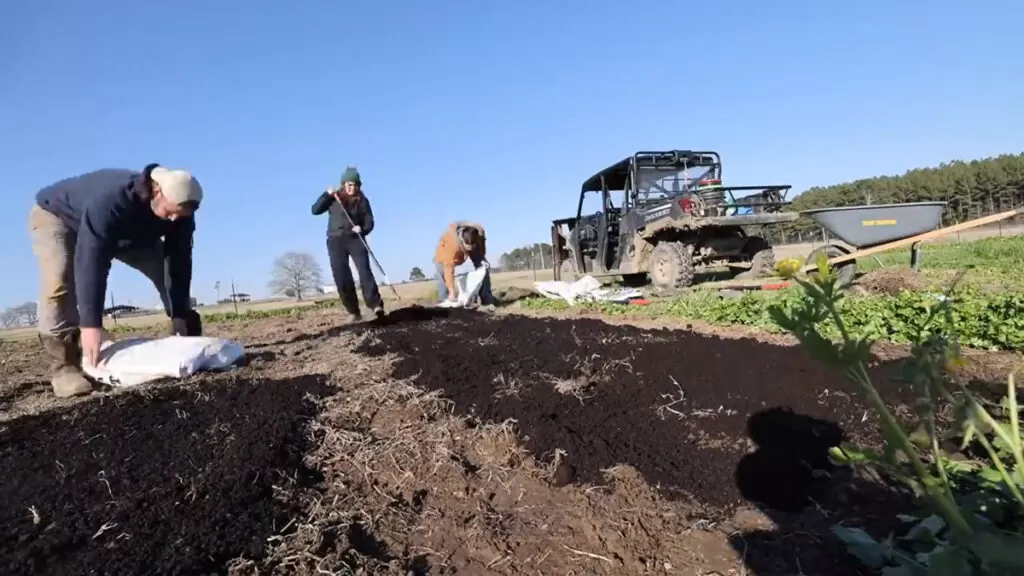 Garden beds being prepared with compost.
Conclusion
July is a pivotal month for gardeners who want to extend their harvest into the fall. By carefully selecting and planting appropriate crops, you can enjoy a bounty of fresh produce even as the weather cools down. Don’t forget to share your fall gardening experiences and tips in the comments below! Happy gardening!