- The White Bird of Paradise (Strelitzia nicolai) is a stunning, large houseplant prized for its dramatic, paddle-shaped leaves.
- Originating from coastal South Africa, it thrives in warm, bright environments mimicking its native habitat.
- Proper care involves bright indirect light, consistent watering when the top soil is dry, and well-draining soil.
- While primarily grown for its foliage indoors, flowering is possible with optimal conditions and patience.
- It’s important to note that this plant is considered toxic to pets if ingested.
Imagine stepping into a lush, vibrant jungle right inside your home. That’s the feeling the majestic White Bird of Paradise brings! Known scientifically as Strelitzia nicolai, this plant is a true showstopper, transforming any corner into a tropical retreat. If you’ve been dreaming of adding a touch of dramatic flair and impressive height to your indoor garden, the White Bird of Paradise is calling your name. Let’s explore what makes this plant so special and how you can help it thrive in your care.

Sometimes called the Giant White Bird of Paradise due to its impressive size, this magnificent plant boasts enormous, paddle-shaped leaves. They emerge from central stalks, unfurling into a fan-like display that truly resembles the plumage of a tropical bird. These leaves are a vibrant, glossy green, often reaching several feet in length, making the plant a powerful focal point in spacious rooms or entranceways. While it can produce striking white and dark blue flowers resembling a bird’s head, these are less common when grown indoors. Primarily, we welcome this plant into our homes for its incredible foliage and architectural presence.
Contents
Getting to Know Your White Bird of Paradise
Native to the coastal regions of southeastern South Africa, the White Bird of Paradise flourishes in warm, humid climates. Understanding its origin helps us recreate the best possible conditions for it indoors. It’s used to lots of light and consistent warmth, which are key factors in keeping it happy in your home.

Caring for this dramatic beauty isn’t overly complicated, making it a rewarding choice for gardeners of various experience levels. Here are the key ingredients for success:
Essential Care Tips for Your Strelitzia nicolai
Creating the right environment is crucial for your White Bird of Paradise to flourish. Let’s break down the basics.
Light Requirements
This plant is a sun-lover! To truly thrive and grow into a magnificent specimen, your White Bird of Paradise needs lots of bright light. A spot near a large, south-facing or west-facing window that receives several hours of bright, indirect sunlight daily is ideal. It can tolerate some direct morning sun, but intense afternoon sun can scorch its magnificent leaves. While it can survive in lower light, you’ll find it grows slower and its leaves may not reach their full potential size or vibrancy. Rotate the plant occasionally to encourage even growth.
Temperature and Humidity
Coming from the tropics, the White Bird of Paradise prefers warmth. Aim for average room temperatures between 18°C and 24°C (65°F to 75°F). Protect it from cold drafts and sudden temperature fluctuations, especially during winter. Standard indoor humidity levels are often sufficient, but like most tropicals, it appreciates higher humidity. You can boost humidity by misting the leaves regularly, placing a pebble tray filled with water nearby, or using a humidifier.
Watering Your White Bird of Paradise
Consistency is key when watering. Allow the top inch or two of the soil to dry out between waterings. When it’s time to water, do so thoroughly until water drains from the bottom of the pot. This ensures the entire root ball gets moisture. Crucially, never let your plant sit in standing water, as this can quickly lead to root rot. During the dormant season in winter, you can reduce watering frequency as the plant’s growth slows down.

Soil and Potting
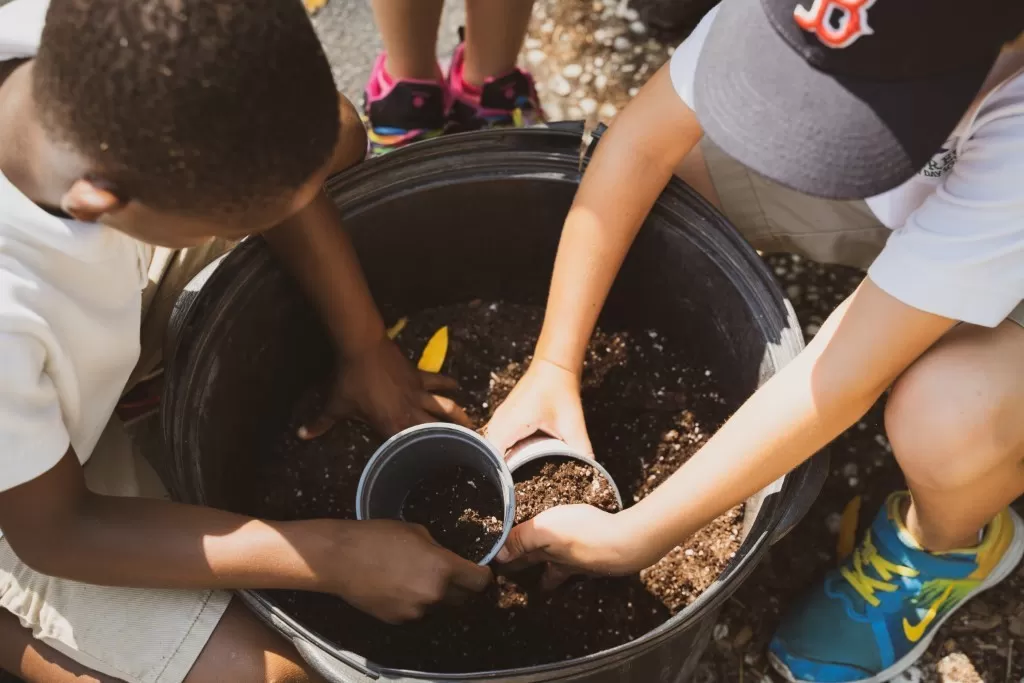
A well-draining potting mix is essential for preventing waterlogged roots. A good blend for your White Bird of Paradise would include potting soil mixed with elements like perlite, coarse sand, or bark chips to improve drainage and aeration. Choose a pot with drainage holes. As it grows, your plant will eventually become root-bound. Repotting every 2-3 years or when you see roots circling the pot or emerging from the drainage holes will give it room to expand. Spring is usually the best time for repotting.
Fertilizing
Feed your White Bird of Paradise during its active growing season, which is typically spring and summer. Use a balanced, water-soluble fertilizer formulated for houseplants or tropical plants. Follow the product instructions for dilution and frequency, usually every 4-6 weeks. Avoid fertilizing during the fall and winter when the plant is less actively growing. Over-fertilizing can cause salt buildup in the soil, potentially harming the roots.

Styling Your Giant White Bird of Paradise
One of the joys of the White Bird of Paradise is its incredible presence. It doesn’t need much help to stand out! Place it in a corner where its fan-like leaves can spread out, or use it to anchor a collection of plants in a living room or entryway. Its impressive size makes it perfect for filling vertical space and adding a touch of tropical elegance to large rooms. Pair it with simpler pots to let its dramatic foliage take center stage.
Common Questions and Tips
New plant parents often have questions when welcoming a White Bird of Paradise into their home. Here are some common ones:
- Where is the best place to put it? A spot with lots of bright, indirect light is crucial. Think near a large, sunny window, protected from intense direct midday sun.
- How often should I water? Water when the top 1-2 inches of soil are dry. This might be once a week or less, depending on light, temperature, and humidity. Always check the soil moisture before watering.
- Does it need high humidity? While adaptable, it prefers slightly higher humidity than average homes often provide. Boosting humidity can help keep leaves looking their best and prevent edges from crisping.
- Can I fertilize it? Yes, during the growing season (spring/summer) with a balanced liquid fertilizer.
- Will my White Bird of Paradise flower indoors? Flowering indoors is possible but can be challenging. It typically requires significant maturity, abundant bright light (even some direct sun can help), and consistent, optimal care. Patience is a must – it might take several years for your plant to reach flowering size and condition.

- Is the White Bird of Paradise toxic to pets? Yes, Strelitzia nicolai is considered toxic to cats and dogs if ingested. Keep it out of reach of curious pets.
Bringing Home Your Tropical Beauty
When you bring home a White Bird of Paradise, you’re not just getting a plant; you’re getting a living sculpture that adds drama and a touch of paradise to your space. Our plants are carefully selected and supplied in sturdy nursery pots, ready for you to transition into your chosen decorative planter. The typical size you might find is around 100cm tall in a 25cm diameter pot, already making a significant statement.

Caring for a White Bird of Paradise is a rewarding experience. With the right light, watering, and a little attention, you can enjoy its stunning foliage and tropical presence for years to come. Its impressive size and unique leaf structure make it an unforgettable addition to any plant collection, promising a slice of exotic beauty right there in your home.
The White Bird of Paradise is more than just a houseplant; it’s a statement piece, a piece of living art that reminds us of faraway tropical shores. Its care is straightforward once you understand its needs for light and water. Don’t be intimidated by its size; embracing the challenge of growing such a magnificent plant is part of the joy of indoor gardening.
Are you ready to invite the tropics in? The White Bird of Paradise is waiting to transform your space. Share your White Bird of Paradise stories or questions in the comments below! Want to explore more dramatic houseplants or find the perfect soil mix? Browse our other guides and products on Thelittle.garden.