Key Takeaways:
- Hydrangeas typically bloom between mid-spring and fall
- Factors affecting blooming include pruning, nutrition, bud damage, and plant age
- Different hydrangea species have varying bloom times and requirements
- Proper light, soil, water, pruning, and fertilization are crucial for blooming
- Protecting plants from deer and extreme weather conditions is important
As an avid gardener, I’ve always been captivated by the stunning beauty of hydrangeas. Their large, colorful blooms can transform any garden into a breathtaking paradise. However, there’s nothing more frustrating than nurturing a hydrangea plant only to find it refuses to bloom. If you’re facing this dilemma, don’t worry – you’re not alone. Let’s dive into the fascinating world of hydrangeas and uncover the secrets to coaxing these beautiful plants into full bloom.
Contents
- Understanding Hydrangea Blooming Cycles
- When Will My Hydrangea Bloom?
- Common Reasons Why Hydrangeas Are Not Blooming
- 1. Improper Pruning
- 2. Nutritional Imbalance
- 3. Bud Damage
- 4. Plant Age
- How to Get Hydrangeas to Bloom
- 1. Provide Proper Light
- 2. Maintain Soil Health
- 3. Water Consistently
- 4. Prune Correctly
- 5. Fertilize Wisely
- 6. Protect from Wildlife
- Conclusion: Patience and Care Lead to Beautiful Blooms
Understanding Hydrangea Blooming Cycles
Before we delve into troubleshooting, it’s essential to understand the natural blooming cycles of hydrangeas. These lovely shrubs typically flower from mid-spring through fall, but the exact timing can vary depending on the species and growing conditions.
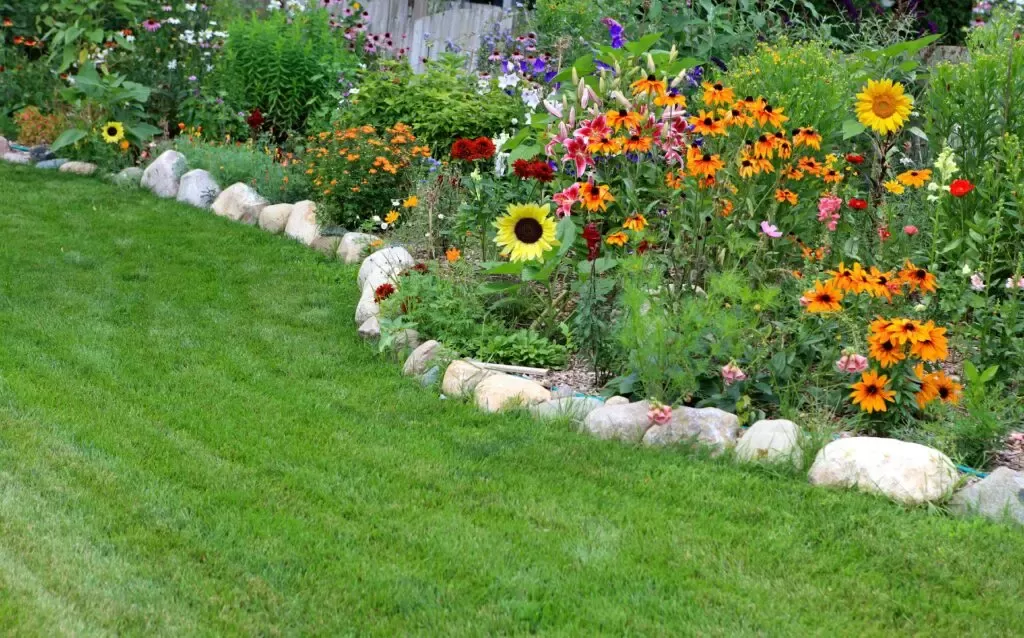
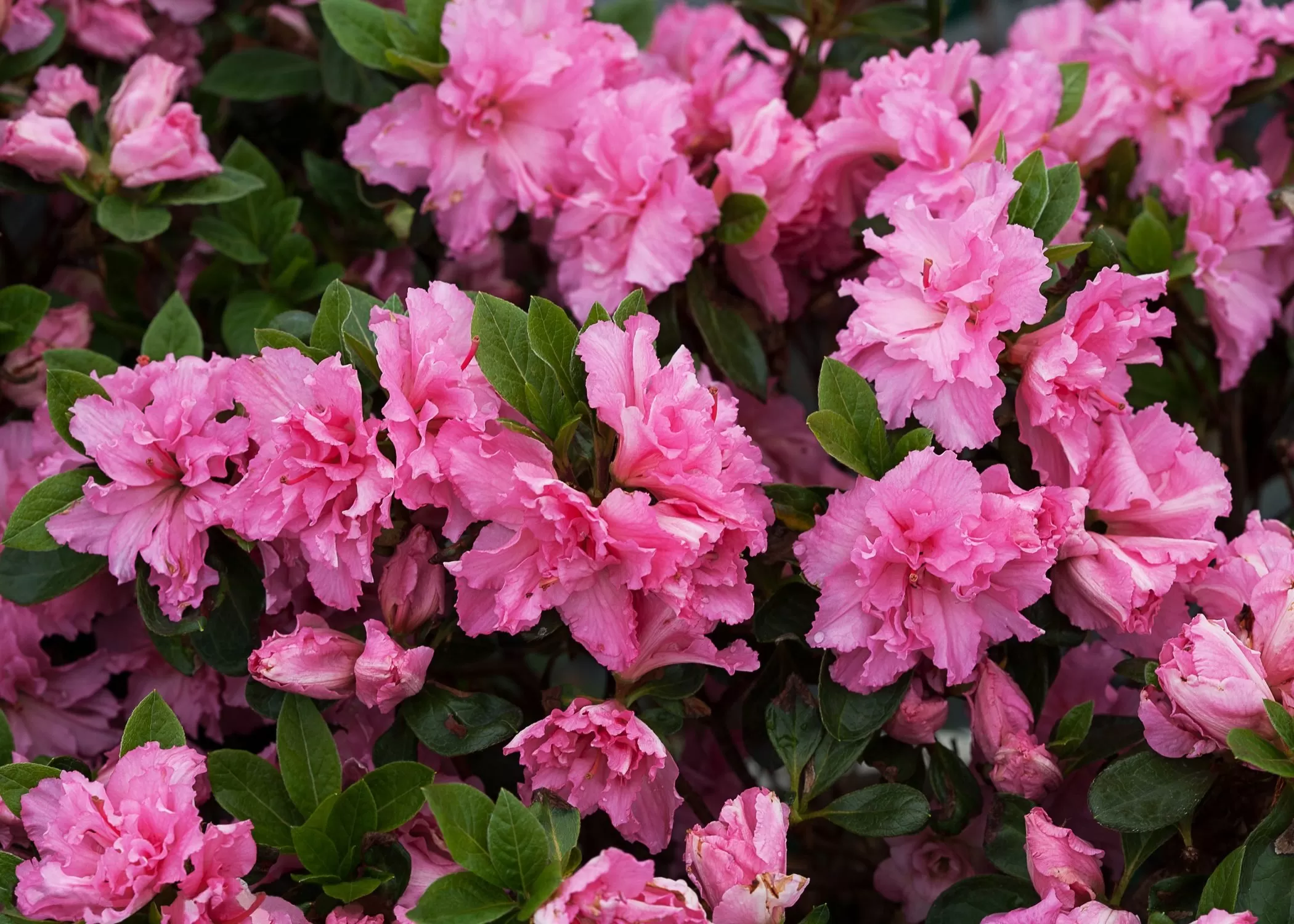
 Colorful hydrangea blooms in a garden
Some hydrangea varieties form buds on new growth, while others set their buds in the fall for the following year’s blooms. Interestingly, there are now hybrid varieties that can bud on both new and old growth, offering a prolonged blooming season.
When Will My Hydrangea Bloom?
The blooming time for hydrangeas can vary based on several factors:
- Species: Each type of hydrangea has its own flowering timeline.
- Climate: Local weather conditions can affect blooming periods.
- Sun exposure: The amount of sunlight your plant receives plays a crucial role.
- Water and nutrients: Proper hydration and fertilization are essential for healthy blooms.
Common Reasons Why Hydrangeas Are Not Blooming
If your hydrangeas are refusing to flower, several factors could be at play:
1. Improper Pruning
One of the most common reasons for lack of blooms is incorrect pruning. It’s crucial to know whether your hydrangea blooms on old wood or new wood:
- Old wood bloomers: These form flower buds in the previous year. Pruning in fall or early spring can remove these buds, resulting in no flowers.
- New wood bloomers: These can be pruned in early spring as they’ll form new buds on the current year’s growth.
2. Nutritional Imbalance
 Hydrangea plant with lush foliage but no blooms
Too much nitrogen in the soil can lead to lush foliage but few or no flowers. Hydrangeas need a balance of nutrients, particularly phosphorus, to produce blooms. Consider testing your soil and adjusting your fertilization routine accordingly.
3. Bud Damage
In colder climates, winter frost can damage flower buds. Protecting your hydrangeas during harsh winters can help preserve the buds for next year’s blooms.
4. Plant Age
Young hydrangeas may take a few years to establish themselves before producing flowers. Be patient with newly planted shrubs.
How to Get Hydrangeas to Bloom
Now that we’ve identified potential issues, let’s explore how to encourage your hydrangeas to flower:
1. Provide Proper Light
Most hydrangeas prefer morning sun and afternoon shade. Ensure your plants are getting the right amount of light for their specific needs.
2. Maintain Soil Health
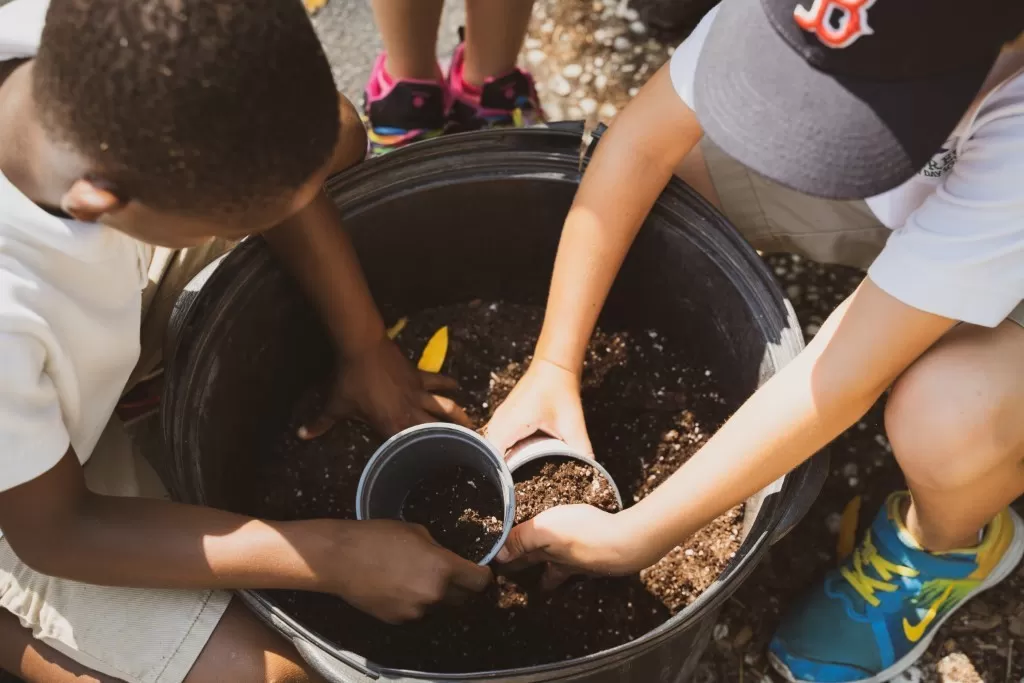
 Gardener testing soil pH for hydrangeas
Hydrangeas thrive in slightly acidic soil with a pH between 5.5 and 7. Regular soil testing can help you maintain optimal conditions for your plants.
3. Water Consistently
Keep the soil consistently moist but not waterlogged. Proper hydration is key to producing large, healthy blooms.
4. Prune Correctly
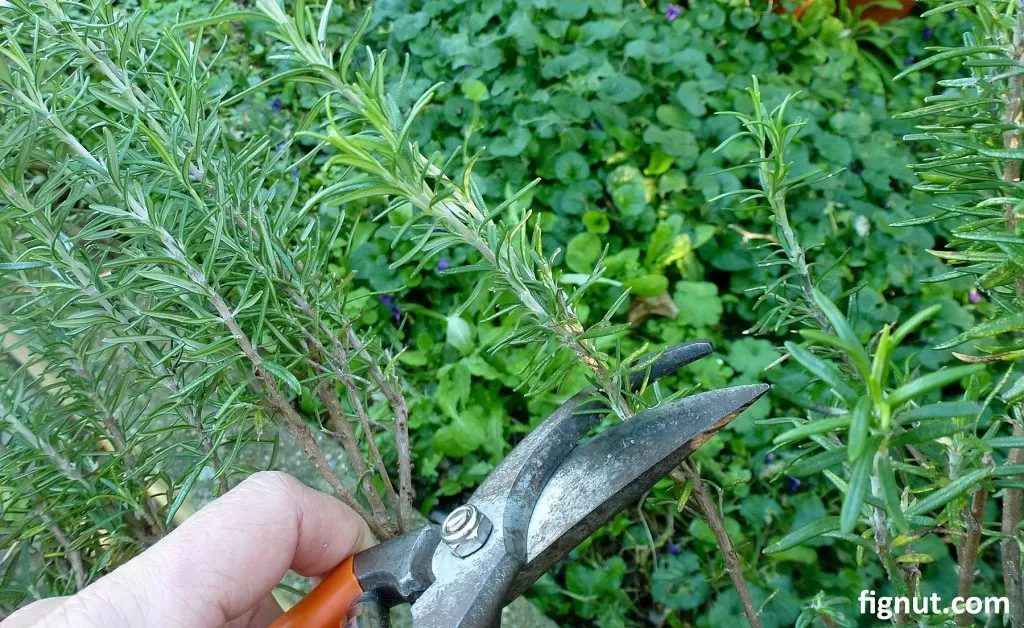
Learn your hydrangea’s pruning needs and stick to a proper pruning schedule. Remember, timing is everything when it comes to pruning hydrangeas.
5. Fertilize Wisely
Use a balanced fertilizer or one that’s slightly higher in phosphorus to encourage blooming. Avoid over-fertilizing, especially with nitrogen-rich products.
6. Protect from Wildlife
If deer are a problem in your area, consider using barriers or deterrents to protect your hydrangeas’ tender buds.
 Hydrangea plant protected with netting
Conclusion: Patience and Care Lead to Beautiful Blooms
Nurturing hydrangeas can be a rewarding experience, but it requires patience and understanding. By addressing the factors we’ve discussed – from proper pruning to balanced nutrition – you can create the ideal conditions for your hydrangeas to thrive and produce stunning blooms.
Remember, each hydrangea is unique, and it may take some time to understand your plant’s specific needs. Don’t be discouraged if you don’t see immediate results. With consistent care and attention, you’ll soon be rewarded with a spectacular display of hydrangea blooms that will be the envy of your neighborhood.
Have you faced challenges with getting your hydrangeas to bloom? Share your experiences and tips in the comments below. Let’s create a community of hydrangea enthusiasts and help each other achieve garden greatness!