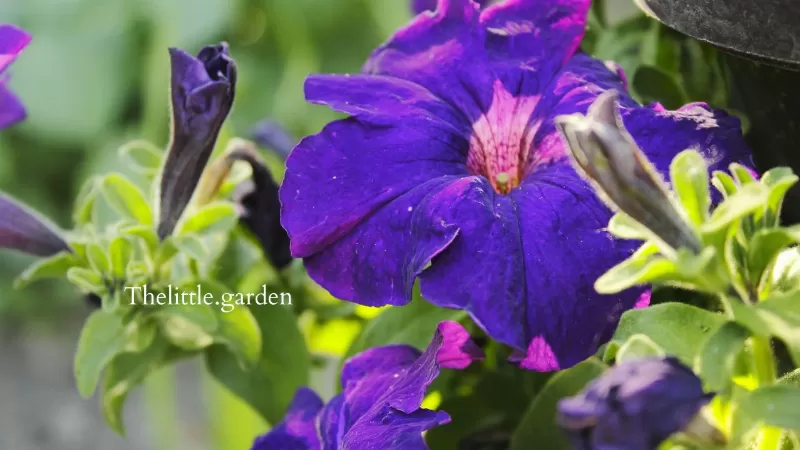
Colorful petunia flowers with sticky leaves
As a passionate gardener, you’ve likely encountered the curious phenomenon of sticky petunias. These vibrant blooms, known for their soft petals and sweet fragrance, can sometimes surprise us with their tacky texture. But fear not! This sticky situation is often more intriguing than alarming. Let’s dive into the fascinating world of petunias and uncover the secrets behind their stickiness.
Petunias are beloved for their versatility and year-round beauty. Whether you’re tending to a colorful summer garden or brightening up your indoor space, these flowers are a delightful addition. While not all petunias are sticky, certain conditions can lead to this interesting characteristic.
Imagine your petunias as tiny warriors, equipped with their own defense mechanism. The sticky substance you feel is often a protective sap released from the stem tissues. This gooey secretion is believed to be the plant’s way of fending off unwanted visitors like aphids and thrips. It’s like a natural insect repellent!
Sarah Green, a seasoned horticulturist, explains, “This sticky sap is the petunia’s way of saying ‘hands off’ to potential pests. It’s a fascinating example of plant intelligence and adaptation.”
Sometimes, the stickiness you feel isn’t just from the plant itself. Aphids, those tiny sap-sucking insects, can be the culprits behind your sticky petunias. These miniature invaders feed on the plant’s juices and excrete a substance called honeydew. This combination of plant sap and aphid honeydew creates that tacky feeling on your flowers.
Petunias have evolved an ingenious method of pest control. Their stems and leaves are covered in tiny glandular hairs. When combined with the plant’s natural sticky secretions, these hairs create a formidable trap for small insects. It’s like a natural flypaper, keeping your petunias safe from harm.
While a bit of stickiness is normal, it’s essential to keep an eye out for signs of aphid infestations. These pests can weaken your plants over time and potentially spread diseases.
Dr. Emily Brooks, an entomologist specializing in garden pests, advises, “Regular inspection of your petunias is key. Look for clusters of small, pear-shaped insects on new growth and the underside of leaves. Early detection can prevent widespread damage.”
If your petunias are sticky due to their natural defenses, there’s usually no need for intervention. Nature has its way of balancing things out. However, if you suspect an aphid infestation, here are some gentle yet effective methods to tackle the issue:
Water Blast: A strong spray of water can dislodge aphids without harming your plants.
Insecticidal Soap: This mild solution is effective against aphids while being safe for your petunias.
Homemade Remedies: A mixture of mild dish soap or rubbing alcohol with water can be an eco-friendly alternative.
Remember, patience is key. As gardening enthusiast Tom Johnson shares, “I once panicked over my sticky petunias, but after gently cleaning them and monitoring for pests, they bounced back healthier than ever. It’s all part of the gardening adventure!”
Sticky petunias are often just a sign of healthy plants protecting themselves. By understanding the reasons behind this stickiness and knowing how to identify potential problems, you can ensure your petunias continue to thrive and bring beauty to your garden.
Have you experienced sticky petunias in your garden? What methods have you found effective in managing them? Share your stories and tips in the comments below – your experiences could help fellow gardeners nurture their perfect petunias!
Here's how implementing no-dig techniques can transform your container gardening: Build Richer Soil: Layers of…
Healthy soil is teeming with beneficial microbes that act as a natural defense system for…
Transform your patio into a vibrant, wildlife-friendly oasis. Discover how to create beautiful, low-maintenance container…
Unlock the secret to a beautiful, resilient garden with Sedum & Yarrow blends. Discover why…
Beat the Heat: Discover resilient perennials that thrive in containers during the hottest summer months,…
Variegated Pothos, like the Golden Pothos and Marble Queen, are stunning, easy-care houseplants perfect for…