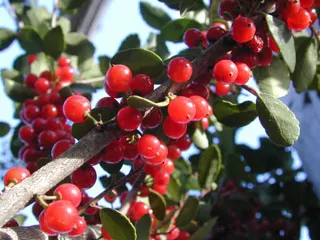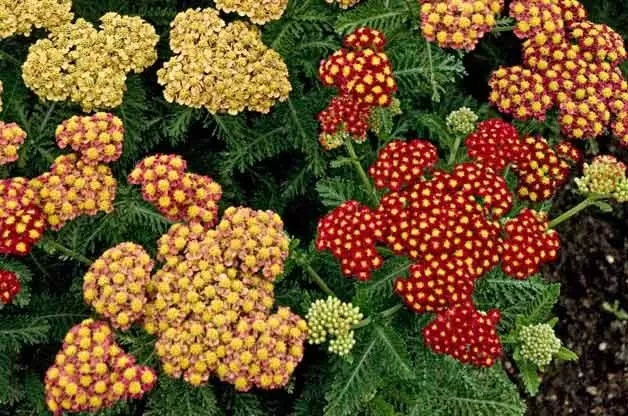
- Discover plants that thrive and add beauty during the colder months.
- Learn how to choose plants with interesting features beyond just flowers, like bark, berries, and foliage.
- Find the perfect winter plants for your specific garden zone and light conditions.
- Transform your garden into a vibrant space, even under a blanket of snow.
Winter often feels like a quiet time in the garden, a season of rest and anticipation. But what if your garden could offer beauty, color, and life even when the days are short and temperatures drop? Choosing the right winter plants is key to creating a landscape that truly shines year-round. Instead of just dreaming of spring, let’s explore plants that bring structure, vibrant foliage, colorful stems, captivating berries, and even fragrance to brighten those chilly months. Whether you live in a region with heavy snow or a milder climate, there are incredible winter plants ready to transform your outdoor space.
Choosing Plants for Winter Magic
Creating a garden that provides interest through winter involves looking beyond the typical summer blooms. Think about the architecture of your plants: the shape of trees and shrubs, the texture of bark, the lines of colorful stems, and the enduring presence of evergreens. Berries offer pops of color that hungry birds will appreciate, while certain flowers bravely push through the cold to offer early signs of life. Selecting varieties suited to your specific hardiness zone and light conditions ensures they will thrive and bring joy season after season.
Top Plants for Winter Interest
Ready to add some sparkle to your winter landscape? Here are some fantastic winter plants to consider, each bringing unique charm when most of the garden is asleep.
Arborvitae North Pole®
An excellent choice for adding vertical structure and evergreen presence, even in tight spaces. Its soft, rich green foliage stays vibrant throughout the winter and resists winter burn, unlike some other evergreens.
- Scientific Name: Thuja occidentalis
- Common Name: Arborvitae North Pole®
- Zone: 3-8
- Light: Full sun to partial shade
- Water: Average moisture, well-drained soil
- Humidity: Tolerant of average humidity
 Narrow evergreen arborvitae with soft green foliage in a winter landscape
Bergenia
Known as ‘pigsqueak’ because of the sound its leaves make when rubbed, Bergenia offers striking, thick, cabbage-like leaves that often turn beautiful shades of red or burgundy in the winter cold. Early spring brings lovely bell-shaped flowers.
- Scientific Name: Bergenia spp.
- Common Name: Bergenia
- Zone: 3-9
- Light: Part sun to shade
- Water: Average, consistent moisture
- Humidity: Adaptable
 Clump of Bergenia plants with large, round leaves showing red winter color
Camellia
For those in milder climates, Camellias are a showstopper among winter plants. Their elegant, multi-petaled flowers in white, pink, or red bloom against a backdrop of glossy, dark green evergreen foliage, providing much-needed color when little else is in bloom.
- Scientific Name: Camellia spp.
- Common Name: Camellia
- Zone: 7-10
- Light: Dappled sun or partial shade
- Water: Consistent, even moisture; avoid waterlogged soil
- Humidity: Prefers high humidity
 Close-up of vibrant red camellia flowers blooming on a bush
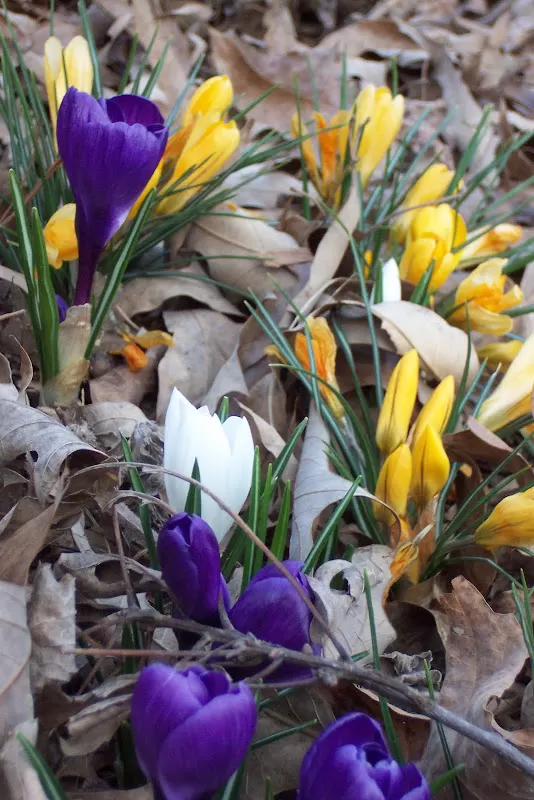
Crocus
These cheerful little bulbs are one of the earliest signs that spring is approaching, often pushing their way through melting snow. Available in a spectrum of colors, Crocuses are perfect for naturalizing under deciduous trees or in rock gardens.
- Scientific Name: Crocus spp.
- Common Name: Crocus
- Zone: 3-8
- Light: Full sun to partial shade
- Water: Moderate; well-drained soil is essential, especially in winter
- Humidity: Adaptable
 Patch of purple crocus flowers blooming early in the season
Hardy Cyclamen
Unlike the common houseplant variety, Hardy Cyclamen species are resilient outdoors. Growing from small corms, they feature attractive green or variegated foliage and delicate white or pink flowers that can appear from fall into early spring, adding charm to shady spots.
- Scientific Name: Cyclamen coum and spp.
- Common Name: Hardy Cyclamen
- Zone: 4-9
- Light: Partial sun to full shade
- Water: Dry in summer dormancy, moist but well-drained when growing (fall-spring)
- Humidity: Prefers moderate humidity
 Delicate pink hardy cyclamen flowers blooming in a shaded garden bed
Red Osier Dogwood Arctic Fire®
While lovely in other seasons, Red Osier Dogwood truly shines in winter when its leaves drop to reveal strikingly bright red stems. Arctic Fire® offers a compact habit, making it suitable for smaller gardens, providing a fiery focal point against a snowy backdrop.
- Scientific Name: Cornus sericea syn. C. stolonifera
- Common Name: Red Osier Dogwood
- Zone: 2-7
- Light: Full sun to partial sun
- Water: Adaptable, but prefers moist soil; tolerates wet conditions
- Humidity: Adaptable
 Arctic Fire Red Dogwood shrub showcasing bright red stems in winter
False Cypress Soft Serve® Gold
Add a touch of sunshine to your winter garden with the golden foliage of Soft Serve® Gold False Cypress. Its upright, pyramidal shape adds structure, while the cheerful color brightens the landscape even on the greyest days. This low-maintenance conifer is perfect for mixed borders.
- Scientific Name: Chamaecyparis pisifera
- Common Name: False Cypress Soft Serve® Gold
- Zone: 4-8
- Light: Full sun to partial shade
- Water: Average moisture; well-drained soil
- Humidity: Average
 Soft Serve Gold False Cypress showcasing its bright golden evergreen foliage
Hellebore
A true winter treasure, Hellebores (also known as Lenten Roses) are celebrated for their beautiful, often downward-facing, cup-shaped flowers that bloom when little else does, sometimes even through snow. Their evergreen foliage provides structure year-round.
- Scientific Name: Helleborus spp.
- Common Name: Hellebore, Lenten Rose
- Zone: 4-9
- Light: Full sun to partial shade (prefers shade in warmer zones)
- Water: Moderate, consistent moisture; well-drained soil
- Humidity: Tolerant of average humidity
 Wedding Party True Love Hellebore displaying deep purple, cup-shaped flowers
Inkberry Holly Strongbox®
This broadleaf evergreen is a fantastic, winter-hardy alternative to boxwood, offering dense, small oval leaves that maintain a lovely green color and fine texture throughout the year. Strongbox® is a particularly compact variety, ideal for low hedging or edging.
- Scientific Name: Ilex glabra
- Common Name: Inkberry Holly
- Zone: 5-9
- Light: Full sun to partial shade
- Water: Adaptable; tolerates wet soil
- Humidity: Tolerant of average humidity
 Strongbox Inkberry Holly shrub showing its dense, fine-textured evergreen foliage
Japanese Pieris
Also called Andromeda, this evergreen shrub offers beautiful cascading clusters of fragrant, bell-shaped flowers in late winter or early spring. Its glossy foliage and sometimes bronze-red new growth add continuous interest to the garden.
- Scientific Name: Pieris japonica
- Common Name: Japanese Pieris, Andromeda
- Zone: 4-8
- Light: Dappled sun to partial shade
- Water: Consistent moisture; well-drained, acidic soil
- Humidity: Prefers moderate to high humidity
 Clusters of delicate white bell-shaped flowers on a Japanese Pieris shrub
Mugo Pine ‘Carsten’s Wintergold’
For a unique burst of winter color, the needles of ‘Carsten’s Wintergold’ Mugo Pine turn a striking brilliant gold in colder temperatures. This dwarf, slow-growing evergreen conifer is perfect for rock gardens, containers, or adding a compact golden highlight.
- Scientific Name: Pinus mugo ‘Carsten’s Wintergold’
- Common Name: Mugo Pine ‘Carsten’s Wintergold’, Dwarf Mountain Pine
- Zone: 2-7
- Light: Full sun
- Water: Moderate; well-drained soil
- Humidity: Adaptable
 Close-up of golden needles on 'Carsten's Wintergold' mugo pine in winter
Paperbark Maple
An ornamental tree prized for its stunning peeling cinnamon-red bark, which provides incredible texture and color throughout the winter months. This elegant small tree also offers beautiful fall foliage color before the bark takes center stage.
- Scientific Name: Acer griseum
- Common Name: Paperbark Maple
- Zone: 3-9
- Light: Full sun to partial shade
- Water: Consistent moisture; well-drained soil
- Humidity: Adaptable
 Paperbark maple tree displaying its characteristic peeling, reddish-brown bark
Snowdrops
These delicate white beauties are often the very first bulbs to bloom, sometimes even peeking through a late snowfall. Their appearance is a gentle promise that warmer days are ahead, making them essential winter plants for hope and anticipation.
- Scientific Name: Galanthus spp.
- Common Name: Snowdrops
- Zone: 3-9
- Light: Full sun to partial shade (best under deciduous trees)
- Water: Moist in spring, drier in summer dormancy; well-drained soil
- Humidity: Adaptable
 Cluster of white snowdrop flowers blooming early in the season
Sweet Box
Looking for winter fragrance? Sweet Box delivers! This evergreen shrub produces clusters of small, highly fragrant white flowers in mid-winter, filling the air with a delightful sweet scent. It’s also tolerant of dry shade, making it a versatile choice.
- Scientific Name: Sarcococca hookerinana var. humilis
- Common Name: Sweet Box
- Zone: 6-9
- Light: Partial sun to full shade
- Water: Moderate moisture; tolerant of dry shade once established
- Humidity: Adaptable
 Sweet Box shrub with glossy evergreen leaves and small white flowers
Winter Aconite
These cheerful, buttercup-like yellow flowers are another early riser, often blooming before crocuses and pushing through snow. Winter Aconites naturalize well in woodland settings, creating bright carpets of gold.
- Scientific Name: Eranthis hyemalis
- Common Name: Winter Aconite
- Zone: 3-7
- Light: Full sun to partial shade (best under deciduous trees)
- Water: Moist in winter/spring, dry in summer dormancy; well-drained soil
- Humidity: Adaptable
 Bright yellow winter aconite flowers blooming low to the ground
Winter Heath
This low-growing evergreen shrub creates a dense carpet of needle-like foliage that remains attractive year-round. In mid-winter to early spring, it’s covered in dense clusters of bell-shaped flowers in shades of white, pink, or lavender, adding color at ground level.
- Scientific Name: Erica carnea
- Common Name: Winter Heath
- Zone: 5-8
- Light: Full sun to partial shade
- Water: Moderate moisture; well-drained, acidic soil
- Humidity: Prefers moderate humidity
 Winter heath shrub covered in small pink bell-shaped flowers on dense evergreen foliage
Winter Jasmine
While its bright yellow, star-shaped flowers aren’t fragrant, Winter Jasmine’s sprawling or vining habit and cheerful blooms appearing in late winter are a welcome sight. Its thin, willowy green stems also add a graceful element to the winter landscape.
- Scientific Name: Jasminum nudiflorum
- Common Name: Winter Jasmine
- Zone: 6-10
- Light: Full sun to partial shade
- Water: Moderate; adaptable to various soil conditions once established
- Humidity: Adaptable
 Bright yellow flowers blooming on bare stems of a winter jasmine shrub
Winterberry Holly Berry Poppins®
This deciduous holly loses its leaves in the fall, revealing an incredible display of bright red berries that cling to the branches through winter. Berry Poppins® is a dwarf variety perfect for smaller gardens. Remember, you need a male pollinator nearby for the female plants to produce berries!
- Scientific Name: Ilex verticillata
- Common Name: Winterberry Holly
- Zone: 3-9
- Light: Full sun to partial shade
- Water: Prefers moist to wet soil; tolerates average moisture
- Humidity: Adaptable
 Berry Poppins winterberry holly branches heavily laden with bright red berries
Witch Hazel
A delightful shrub or small tree, Witch Hazel offers unique, spidery, ribbon-like flowers that can bloom from late fall through early spring, depending on the species. Many varieties are fragrant, adding a sweet note to the crisp winter air, and the fall foliage is often stunning.
- Scientific Name: Hamamelis spp.
- Common Name: Witch Hazel
- Zone: 3-9
- Light: Full sun to partial shade
- Water: Consistent moisture; well-drained soil
- Humidity: Adaptable
 Witch hazel branch with yellow-orange spidery flowers blooming in winter
Bring Your Winter Garden to Life
Don’t let your garden go dormant completely during the colder months. By thoughtfully selecting winter plants with appealing foliage, bark, stems, berries, or early flowers, you can create a dynamic landscape that offers beauty and interest year-round. These plants prove that winter gardening isn’t just possible – it can be incredibly rewarding.
What are your favorite winter plants for adding charm to your garden? Share your thoughts in the comments below! And be sure to explore more tips and plant ideas on The Little Garden website to keep your green space vibrant in every season.