Key Takeaways:
- The yaupon weeping holly tree (Ilex vomitoria ‘Pendula’) offers a unique, cascading form.
- Female trees produce vibrant red berries that provide winter interest and attract birds.
- This evergreen is relatively low-maintenance and suitable for USDA Zones 7a-9b.
- Its distinctive look adds architectural interest and charm to any garden or landscape.
Imagine a tree that looks straight out of a whimsical storybook, yet thrives beautifully in your own backyard. That’s the magic of the yaupon weeping holly tree. With its gracefully arching branches that sweep towards the ground, this striking evergreen adds a touch of elegance and year-round color to the landscape. Whether you’re seeking a unique focal point, a haven for winter birds, or simply a plant that stands out from the crowd, the weeping yaupon holly tree is a captivating choice that brings charm and character to your garden space.
Why Choose the Weeping Yaupon Holly Tree?
Adding a tree to your garden is often about more than just filling a space; it’s about creating moments, adding visual interest, and sometimes, supporting local wildlife. The weeping yaupon holly tree excels on all these fronts. Its unusual, cascading habit makes it an instant conversation starter and a stunning sculptural element, especially in winter when its bare branches are adorned with cheerful red berries. It’s a tree that tells a story with its form, inviting closer inspection and providing beauty even during the quieter gardening months. Plus, knowing it’s a native plant (in many areas) and a favorite snack for birds adds a layer of ecological satisfaction to its aesthetic appeal.
Getting to Know Your Yaupon Weeping Holly Tree
The yaupon weeping holly tree, scientifically known as Ilex vomitoria ‘Pendula,’ is a distinctive cultivar of the native yaupon holly. Unlike its upright cousins, ‘Pendula’ is celebrated for its dramatically drooping branches, giving it that signature weeping appearance. It typically grows as a large shrub or small tree, reaching heights of 15 to 20 feet, though some specimens can mature up to 30 feet tall, with a spread often less than its height due to its narrow form. This evergreen retains its small, dark green leaves throughout the year, providing consistent structure and color in the garden.
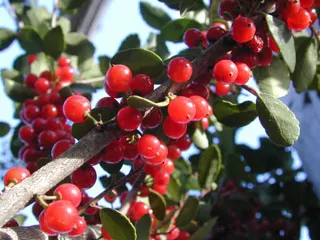
One of the most beloved features of the weeping yaupon holly is the profusion of bright red (sometimes orange) berries that appear in fall and persist through winter. These berries are not only visually stunning against the backdrop of the evergreen leaves but also serve as a vital food source for birds when other options are scarce. It’s important to note, however, that only female weeping holly trees produce berries.
Quick Facts: Ilex vomitoria ‘Pendula’
- Scientific Name: Ilex vomitoria ‘Pendula’
- Common Name: Weeping Yaupon Holly, Yaupon Weeping Holly Tree
- Zone: USDA Hardiness Zones 7a-9b
- Light: Full sun to partial sun
- Humidity: Tolerates a range of humidity levels
- Water: Low irrigation needs once established
Planting Your Yaupon Weeping Holly Tree
Choosing the right location is key to helping your yaupon weeping holly tree thrive. Select a spot that receives full sun to partial sun – at least 4-6 hours of sunlight daily. While adaptable to various soil types, ensuring good drainage is always beneficial.
If your goal is those beautiful winter berries, you must ensure you purchase a female plant. The easiest way to guarantee this is to shop for your tree during the winter when the berries are visible.
Planting is similar to planting any other tree or large shrub. Dig a hole that is at least one-and-a-half times the width of the root ball but slightly shallower. Gently remove the plant from its container. Inspect the root ball and untangle or prune away any roots that are circling tightly around the inside of the pot. Using a sharp knife, you can also lightly shave off the outer layer of the root ball to encourage roots to spread outwards.
Position the tree in the hole so that the top of the root ball sits about an inch above the surrounding soil level. Backfill the hole with the soil you removed, gently firming it around the roots. Apply a layer of mulch, starting a few inches away from the trunk and extending out to the edge of the planting hole. This helps retain moisture and suppress weeds. Water the newly planted tree thoroughly. For the first year, water the root ball two to three times each week, especially during dry periods, to help it get established.
 Red berries of the weeping yaupon holly
Caring for Your Weeping Yaupon Holly Tree
Once established, the weeping yaupon holly tree is remarkably low maintenance, living up to its native roots. It’s relatively drought-tolerant, meaning you won’t need to water it as frequently as many other ornamental trees.
Pruning requirements are minimal, often only needed to maintain its elegant weeping shape or control its size slightly. You can trim errant branches that disrupt the desired form. If you prefer a tree-like structure with a visible trunk, you can ‘limb up’ the tree by carefully removing lower branches over time. Always make clean cuts just outside the branch collar. Pruning is best done in late winter or early spring before new growth begins.
Potential Challenges
While generally robust, the yaupon weeping holly tree can occasionally face challenges. Common garden pests like scale, leaf miners, mites, and aphids can sometimes appear. Typically, healthy, well-sited trees are less susceptible to serious pest infestations or diseases. Monitoring your tree regularly and addressing issues early is the best approach. Ensuring proper planting depth and avoiding overwatering can also help prevent root-related problems.
Conclusion
Adding a yaupon weeping holly tree to your landscape is an investment in year-round beauty and distinctive form. Its cascading branches, evergreen foliage, and vibrant winter berries create a striking focal point that requires surprisingly little fuss once established. It’s a tree that proves low maintenance doesn’t have to mean low impact. Ready to add this enchanting weeping beauty to your garden?
Have you planted a weeping yaupon holly tree? Share your experiences in the comments below! Or, explore more unique tree options for your garden right here on Thelittle.garden.