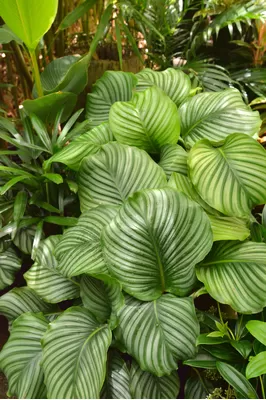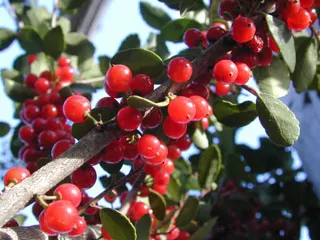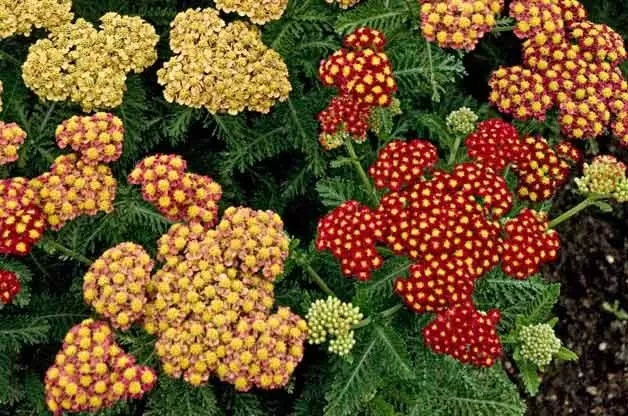
- Zone 5 gardens experience distinct seasons, including cold winters with average minimum temperatures between -20°F and -10°F (-28.9°C and -23.3°C).
- Selecting trees labeled as hardy to Zone 5 (or colder) is essential for perennial success.
- Understanding your local soil type and property’s microclimates significantly impacts tree health and placement.
- A diverse range of stunning and functional trees thrive in Zone 5, from vibrant maples and resilient evergreens to rewarding fruit trees and cheerful flowering varieties.
Gardening in Zone 5 presents a unique set of challenges, but it also opens the door to a world of incredibly resilient and beautiful plants. If you live in an area where winter temperatures can dip significantly, you know the importance of choosing trees that can truly weather the storm. Finding the perfect zone 5 trees is the first step to building a landscape that not only survives the cold but flourishes year after year, bringing color, shade, and life to your yard. Let’s explore how to make your garden dreams a reality in this hardy climate zone.
Understanding Your Zone 5 Landscape
Zone 5 spans across a significant portion of the United States, from the Northeast through the Great Plains and into parts of the West, characterized by its four distinct seasons. Winters bring freezing temperatures, snow, and dormancy, while summers are typically warm and humid, often with ample rainfall. This cycle means selecting plants that can withstand the intense cold is paramount.
When choosing trees for Zone 5, hardiness is non-negotiable. A tree labeled as hardy to Zone 5 has been tested and proven to survive the typical minimum winter temperatures of -20°F to -10°F (-28.9°C to -23.3°C) in its dormant state. Attempting to grow trees rated for warmer zones will likely result in winter damage or even death.
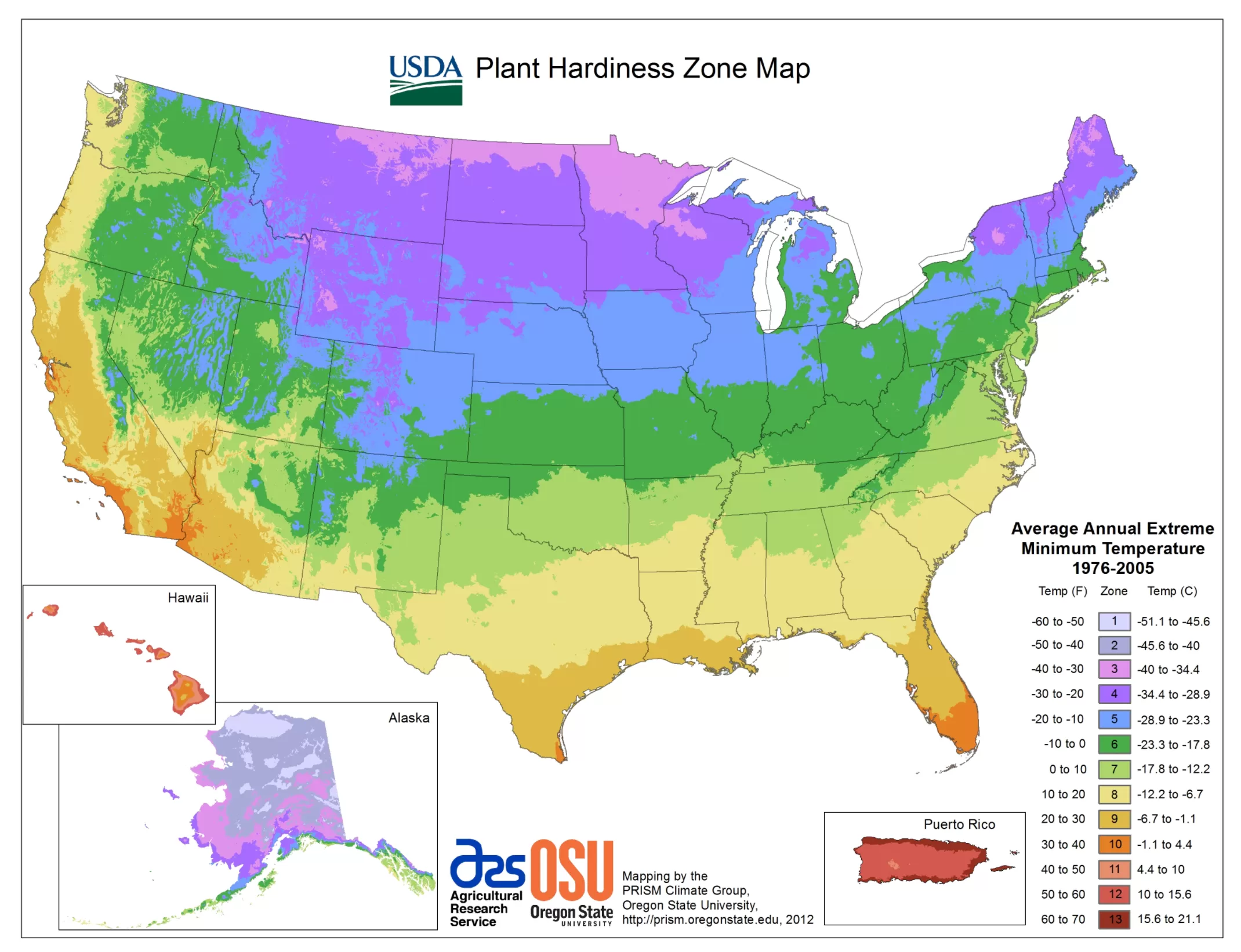 USDA Hardiness Zone Map showing Zone 5 boundaries across the United States
Beyond just the zone rating, successful gardening in Zone 5 involves getting to know your specific patch of earth. Soil conditions vary dramatically within the zone – from rich loams in the Midwest to acidic soils in the Northeast. Testing your soil helps you understand its texture, pH, and nutrient content, allowing you to amend it for optimal tree growth. Furthermore, pay attention to microclimates in your yard. Are there sheltered spots near your house? Areas that stay wet? Windy corners? Observing these nuances helps you place your chosen zone 5 trees in locations where they’ll be happiest and most protected.
Selecting the Right Zone 5 Trees for Your Garden
The good news is that Zone 5 supports a wide variety of stunning trees. Whether you seek shade, privacy, seasonal color, or edible delights, there’s a hardy option perfect for your needs. Let’s look at some popular categories and specific examples of trees that perform wonderfully in this climate.
Shade Trees for Zone 5
Shade trees are the backbone of a mature landscape, providing cool retreats in summer, stunning autumn displays, and structure through the dormant months. Finding shade trees hardy enough for Zone 5 ensures they return year after year to fulfill their crucial role.
One standout example is the Red Sunset Maple, a reliable choice known for its vibrant fall color and resilience.
- Scientific Name: Acer rubrum ‘Red Sunset’
- Common Name: Red Sunset® Maple
- Zone: 4-9
- Light: Full sun
- Humidity: Moderate to high tolerance
- Water: Adaptable, prefers well-drained soil; drought-resistant once established
 Vibrant red fall foliage on a mature Red Sunset Maple tree suitable for Zone 5 gardens
These trees offer not just beauty but practical benefits like energy savings by shading your home. When selecting, consider the mature size and shape to ensure it fits your space and purpose.
Evergreen Trees for Year-Round Interest
Evergreens are invaluable in Zone 5 landscapes, providing structure, color, and privacy throughout the long winter months. Their persistent foliage offers a welcome contrast to the bare branches of deciduous trees.
A popular evergreen choice for its striking color and hardiness is the Fat Albert Colorado Blue Spruce. Its silvery-blue needles add a unique visual element.
- Scientific Name: Picea pungens ‘Fat Albert’
- Common Name: Fat Albert Colorado Blue Spruce
- Zone: 2-8
- Light: Full sun
- Humidity: Moderate
- Water: Prefers moist, well-drained soil
 Pyramidal shape of a 'Fat Albert' Colorado Blue Spruce tree with silvery-blue needles, ideal for cold climates
Evergreens can serve many purposes, from creating a dense privacy screen to acting as a specimen plant that draws the eye. Look for varieties known for their disease resistance and ability to handle winter conditions like heavy snow or ice.
Fruit Trees and Bushes that Thrive in Zone 5
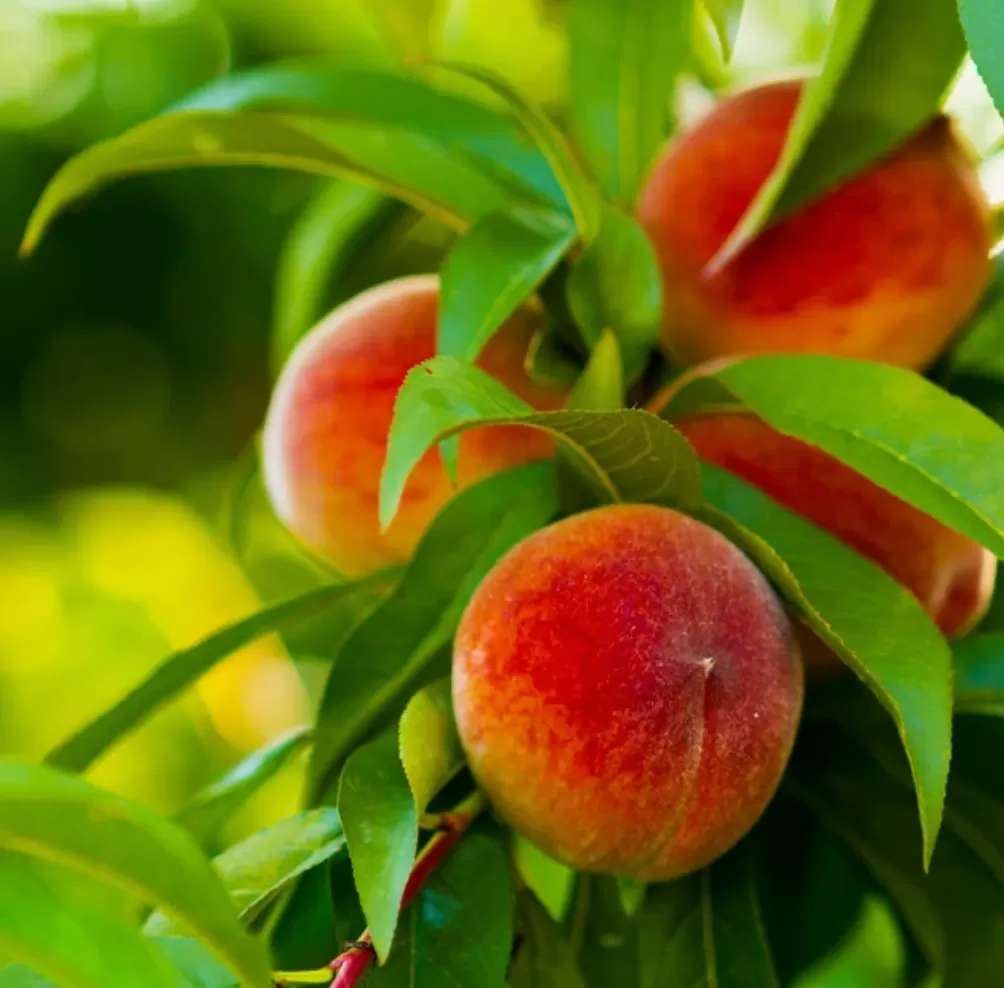
Yes, you can grow delicious fruit in Zone 5! While the shorter growing season might seem limiting, many fruit varieties are perfectly suited to the cold winters and warm summers. Enjoying fresh fruit from your own backyard is one of gardening’s most rewarding experiences. Pay close attention to specific variety recommendations, as some might perform better in certain Zone 5 subzones (5a vs. 5b).
Cherry trees are a fantastic option, with both sweet and tart varieties proving hardy in Zone 5. Sweet cherries like Stella, Sweetheart, and Bing, and tart varieties like North Star and Montmorency, can offer beautiful spring blossoms followed by a bountiful harvest.
- Scientific Name: Prunus avium (Sweet varieties like Stella, Sweetheart, Bing) or Prunus cerasus (Tart varieties like North Star, Montmorency)
- Common Name: Cherry Tree (various cultivars)
- Zone: Varies by cultivar, many are hardy in Zone 5
- Light: Full sun
- Humidity: Moderate
- Water: Regular watering, especially when establishing and fruiting
 Harvest of ripe cherries on a tree branch, illustrating fruit tree potential in Zone 5 gardens
When planting fruit trees, consider pollination needs (some require a partner tree) and protection from late spring frosts which can damage blossoms.
Flowering Trees and Shrubs for Color
A Zone 5 garden can be bursting with color! Many flowering trees and shrubs are cold-hardy and provide stunning seasonal displays. They add fragrance, attract pollinators, and contribute significantly to the aesthetic appeal of your landscape.
Crabapple trees are a classic choice, known for their spectacular spring blossoms and small fruits that provide winter interest and food for birds. Varieties like Profusion and Prairifire are noted for their hardiness and disease resistance.
- Scientific Name: Malus species (various cultivars like ‘Profusion’, ‘Prairifire’)
- Common Name: Crabapple Tree
- Zone: Varies by cultivar, many are hardy in Zone 5
- Light: Full sun
- Humidity: Moderate
- Water: Prefers moist, well-drained soil; drought tolerant once established
 Pink blossoms covering a flowering Crabapple tree in spring, suitable for cold hardy landscapes
Choosing flowering trees allows you to enjoy bursts of color in spring, and some varieties offer attractive foliage or fruit later in the season.
Beyond Trees: Hardy Perennials
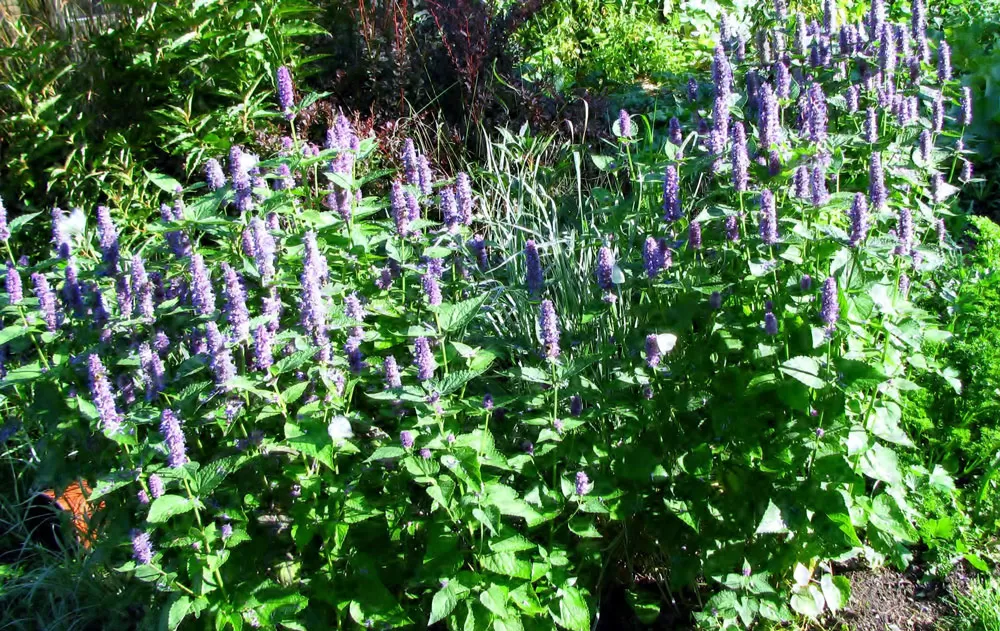
While our focus is on trees, it’s worth mentioning that Zone 5 is also home to a fantastic range of perennials that complement your tree plantings. These plants return year after year, filling borders and beds with continuous bloom. Think Lilacs, Daylilies, Coneflowers (Echinacea), Bee Balm, Delphiniums, and Lavender.
Phenomenal™ Lavender is a robust example, bringing beautiful purple spikes and fragrance that pollinators adore.
- Scientific Name: Lavandula x intermedia ‘Phenomenal’
- Common Name: Phenomenal™ Lavender
- Zone: 4-8
- Light: Full sun
- Humidity: Low to moderate
- Water: Drought tolerant once established; needs excellent drainage
 Purple flower spikes on a 'Phenomenal' Lavender plant, a hardy perennial for Zone 5 gardens
Incorporating perennials adds layers and textures around your zone 5 trees, creating a cohesive and vibrant garden design.
Planting Your Zone 5 Trees for Success
Timing is everything when planting in Zone 5. The period between the last spring frost and the first fall frost defines your main planting window. Generally, you can begin planting after the last frost date, which typically falls between March 30th and April 30th in Zone 5. Stop planting perennial trees and shrubs roughly a month before the first frost, which usually occurs between September 30th and October 30th.
These dates are good guidelines, but always check your local forecast. A sudden cold snap can damage newly planted trees that haven’t had time to establish their roots. Planting in spring or early fall allows roots to develop in warm soil before facing the stress of summer heat or winter cold.
When planting, dig a hole that is two to three times wider than the root ball but only as deep as the root ball. This provides loose soil for roots to easily spread into. Water thoroughly after planting and apply a layer of mulch around the base (keeping it a few inches away from the trunk) to help retain moisture and regulate soil temperature.
Final Thoughts on Zone 5 Gardening
Cultivating a beautiful landscape in Zone 5 is incredibly rewarding. It requires thoughtful plant selection, understanding your unique site conditions, and consistent care. By choosing zone 5 trees and plants known for their cold hardiness and suitability to your specific soil and light conditions, you’re setting yourself up for success.
Embrace the challenge of gardening in a colder climate. With careful planning and a little effort, your garden can become a source of pride and enjoyment through all four seasons. Don’t be afraid to try new varieties, observe how they perform, and adjust your approach. The resilience of these plants, combined with your dedication, will transform your yard into a thriving oasis for years to come.
Ready to discover more hardy plants or have questions about specific trees for your Zone 5 garden? Leave a comment below or share this article with fellow gardeners! Explore our site for more detailed guides on planting, care, and choosing the perfect additions for your landscape.