Key Takeaways:
- Anemones are generally deer resistant due to their strong smell and bitter taste
- While not completely deer-proof, they are less likely to be eaten than other garden plants
- Japanese anemones are particularly resistant to deer browsing
- Protective measures can further deter deer from damaging anemones
Anemones, with their delicate petals and vibrant colors, are a cherished addition to many gardens. But for those living in areas with high deer populations, a pressing question arises: “Are anemone deer resistant?” As an avid gardener who has battled my fair share of deer, I’m excited to share insights on this topic and help you protect these beautiful blooms.
The Deer-Resistant Nature of Anemones
 Anemone flowers in a garden
Colorful anemones thriving in a garden setting
Good news for anemone lovers! These flowers are indeed considered deer resistant. The primary reasons for this are:
- Strong scent: Anemones emit a fragrance that deer find unappealing.
- Bitter taste: The plant’s natural compounds create a flavor that deters deer.
However, it’s important to note that no plant is entirely “deer-proof.” In times of scarcity or extreme hunger, deer may nibble on anemones or trample them while foraging for other food sources.
Japanese Anemones: A Standout in Deer Resistance
Among the various anemone species, Japanese anemones (Anemone hupehensis) are particularly noteworthy for their deer-resistant properties. These hardy perennials offer several benefits:
- Enhanced deer resistance compared to other anemone varieties
- Attractive to butterflies, supporting local ecosystems
- Available in a range of colors, including pinks, reds, and whites
- Graceful, floating blooms that add movement to garden borders
Protecting Your Anemones from Deer
While anemones have natural deer-resistant qualities, taking additional precautions can ensure their safety. Here are some effective strategies:
1. Create Physical Barriers
Installing a deer fence around your garden is one of the most reliable methods to keep deer at bay. Alternatively, you can place anemones in raised beds or tall containers to make them less accessible.
2. Use Deer Repellents
Apply commercial deer repellent sprays or granules around your anemone plantings. These products emit scents that deer find offensive, further deterring them from approaching your flowers.
3. Strategic Planting
Consider planting your anemones in areas with more human activity or near motion-activated lights. Deer are naturally wary of these environments and are less likely to venture close.
4. Companion Planting
Surround your anemones with other deer-resistant plants to create a protective barrier. Some excellent companions include:
- Allium (ornamental onion)
- Nepeta (catmint)
- Lavandula (lavender)
- Achillea (yarrow)
- Aconitum (monkshood)
Caring for Your Anemones
To ensure your anemones thrive and maintain their natural deer resistance, proper care is essential:
- Soil: Provide well-draining soil rich in organic matter.
- Light: Most anemones prefer partial shade, though some varieties tolerate full sun.
- Water: Keep the soil consistently moist but not waterlogged.
- Mulch: Apply a layer of organic mulch to retain moisture and suppress weeds.
A Personal Anecdote
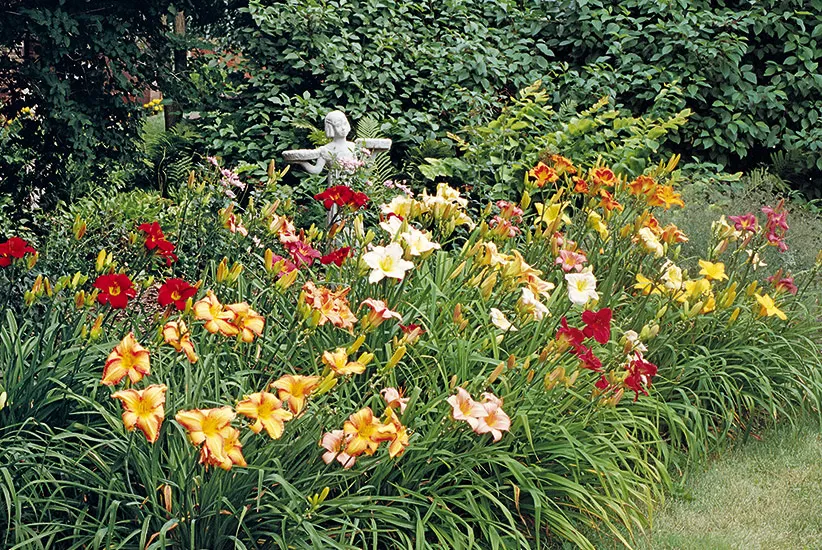
I’ll never forget the year I first planted anemones in my front garden. Living in an area with a high deer population, I was initially hesitant. However, to my delight, while the deer decimated my hostas and daylilies, they left the anemones virtually untouched. It was a game-changer for my garden design, allowing me to create beautiful, deer-resistant borders that bloomed from spring through fall.
Conclusion
Anemones offer a wonderful combination of beauty and practicality for gardeners in deer-prone areas. Their natural resistance to deer browsing, coupled with their stunning blooms and relatively easy care, makes them an excellent choice for any garden.
Remember, while anemones are generally deer resistant, no plant is completely safe from a truly determined (or desperate) deer. By implementing some of the protective strategies we’ve discussed, you can significantly increase the chances of your anemones thriving undisturbed.
Have you had success growing anemones in a deer-populated area? Or perhaps you have additional tips for protecting these lovely flowers? We’d love to hear about your experiences in the comments below. Happy gardening!