- Discover the power of beneficial insects for natural pest control.
- Learn about common garden helpers like ladybugs, lacewings, and praying mantises.
- Find out how to create a welcoming habitat to attract these valuable allies.
- Reduce reliance on pesticides and enjoy a healthier, more vibrant garden ecosystem this summer.
Summer is the peak season for garden growth, but it can also be when pest problems pop up. Instead of reaching for chemical sprays, imagine a team of tiny, natural pest controllers working tirelessly among your plants. These are the beneficial insects for summer gardens, and welcoming them is one of the best things you can do for a healthy, thriving space. Over the years, tending my little garden patch has taught me that fostering a balanced ecosystem is key, and these helpful bugs are truly the unsung heroes of the season. Let’s dive into who they are and how you can invite them to your patch of green.
Getting to Know Your Garden Allies
Many insects are often labeled as “pests,” but a significant number play vital roles, either as pollinators or as predators of the very bugs that feast on your vegetables and flowers. Learning to identify these garden superheroes is the first step to building a successful partnership.
The Mighty Aphid Eaters: Ladybugs and Lacewings
Few sights are more welcome in a garden struggling with aphids than the familiar red dome of a ladybug. Both adult ladybugs and their fascinating, alligator-like larvae are voracious predators. They don’t just stop at aphids; they’ll also munch on scale insects, mealybugs, and whiteflies.
Another incredible predator is the lacewing. While the adult lacewing is a delicate flyer, often feeding on nectar and pollen, its larvae are fierce hunters, sometimes called “aphid lions.” These larvae have large, pinching jaws and actively seek out soft-bodied insects like aphids, thrips, and mites. Having both ladybugs and lacewings in your garden provides excellent natural control for some of the most common pests.
The Patient Predator: The Praying Mantis
With their unique appearance and seemingly watchful stance, praying mantises capture the imagination. They get their name from the way they hold their large front legs, appearing as if in prayer as they patiently wait to ambush prey. Mantises are impressive hunters, capable of catching a wide variety of insects.
 A praying mantis perched on a thin branch in a garden
While they are excellent at reducing the numbers of larger garden pests, it’s worth noting that praying mantises aren’t picky eaters and might occasionally prey on other beneficials or even pollinators. Nevertheless, their presence often indicates a healthy ecosystem and they are valuable additions to the garden’s defense team.
The Essential Pollinators: Bees and Butterflies
While not pest controllers in the same way as the predators, pollinators like native bees, honeybees, and butterflies are absolutely critical for the success of many summer fruits and vegetables. Without their visits, your squash, tomatoes, melons, and peppers might not produce fruit.
 A lush, vibrant summer garden bed bursting with green plants like squash and tomatoes
Creating a garden that supports pollinators ensures not only a bountiful harvest but also contributes to the health of the wider environment. They are beautiful to watch and a sure sign of a thriving, natural space.
Building a Welcoming Home for Beneficials
Attracting beneficial insects isn’t just about hoping they show up; it’s about creating an environment where they want to live, feed, and reproduce.
Plant for Diversity
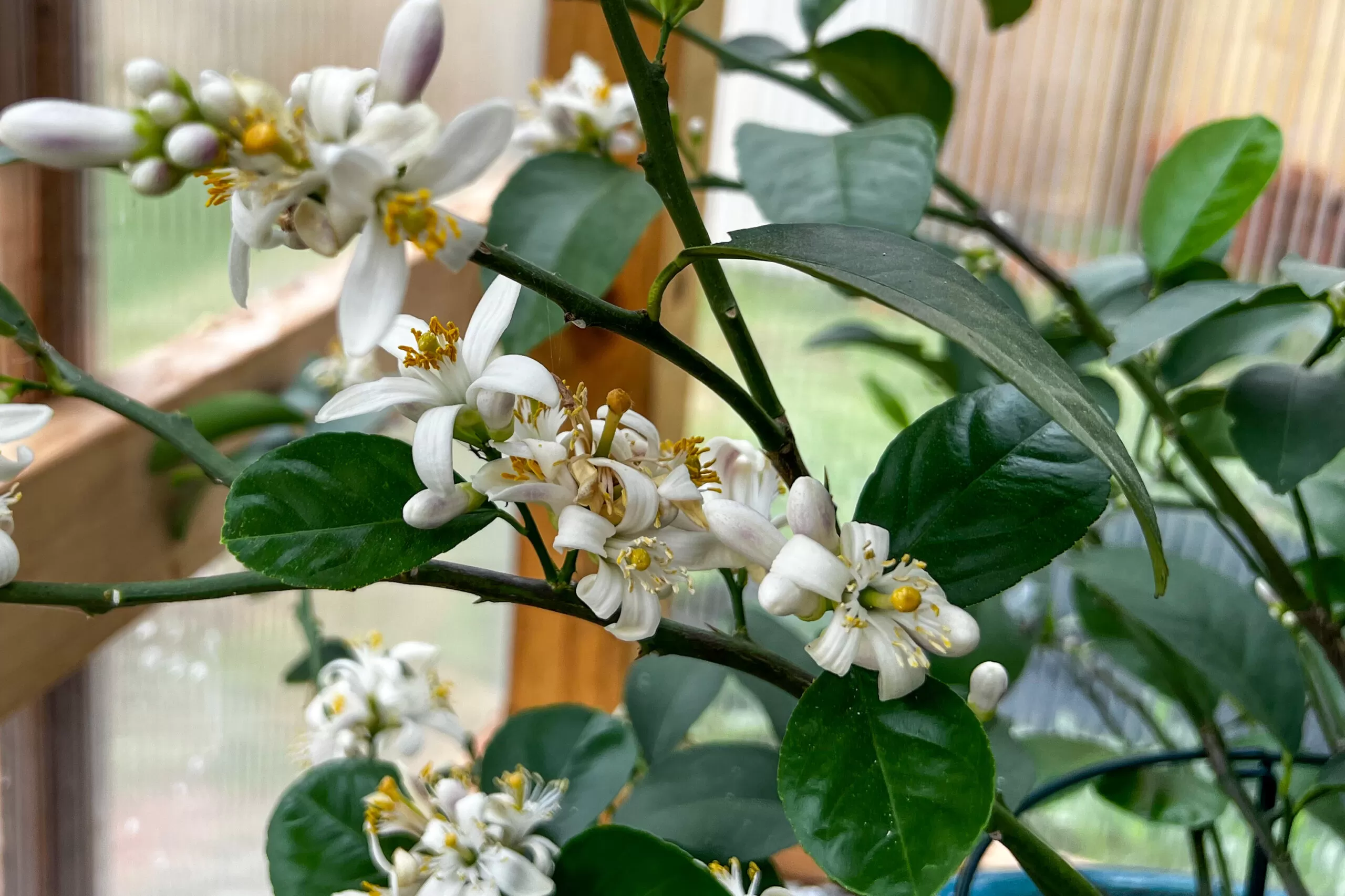
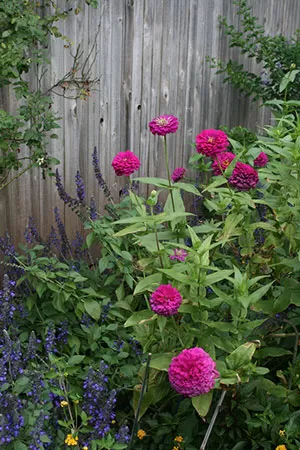
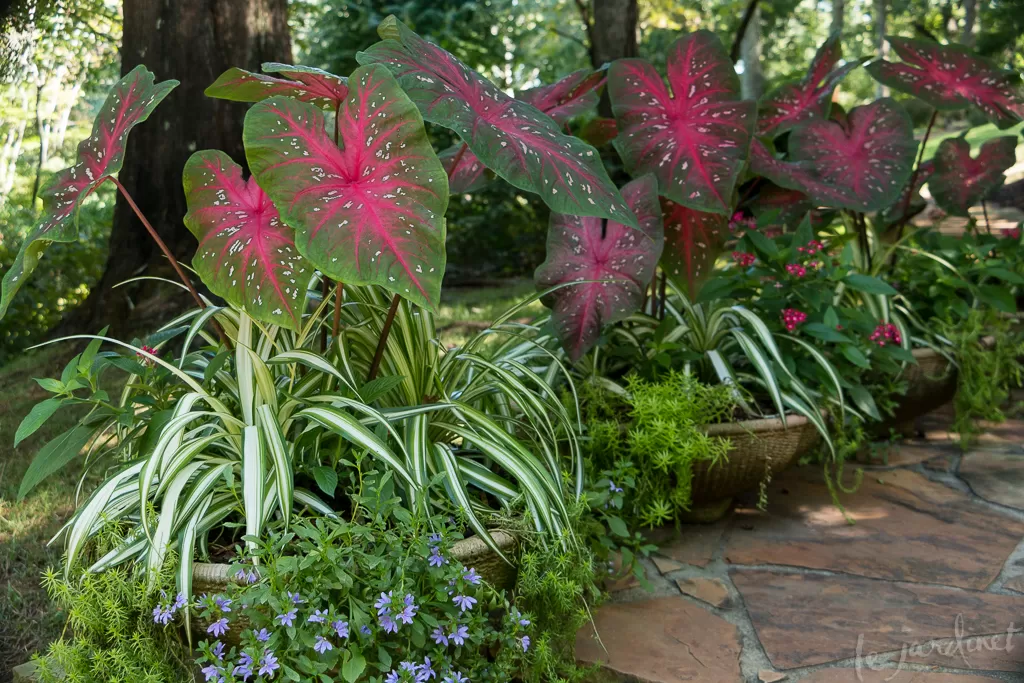
One of the most effective strategies is planting a diverse range of flowers, herbs, and native plants. Many beneficial insects, especially in their adult stages, feed on nectar and pollen from small, open flowers. Plants like dill, fennel, cilantro (when allowed to flower), cosmos, marigolds, and native wildflowers (like Ceanothus, also known as California Lilac in some regions) provide the food and shelter they need. A mix of flowering plants ensures a continuous food source throughout the summer.
Avoid Chemical Pesticides
This is perhaps the most crucial step. Broad-spectrum pesticides kill indiscriminately, harming beneficial insects just as effectively as pests. Even “organic” pesticides should be used sparingly and as a last resort, as they can still impact non-target insects. Embracing natural pest control methods and accepting a certain level of pest damage is key to building a resilient garden ecosystem supported by your beneficial allies.
Provide Water and Shelter
Just like any other creature, beneficial insects need water. A shallow dish of water with stones for landing pads can be a lifesaver on hot summer days. Ground beetles and spiders, other valuable garden predators, appreciate ground cover and mulch for shelter during the day.
Your Summer Garden’s Best Friends
Inviting beneficial insects into your summer garden is a rewarding experience. It shifts your focus from fighting pests to nurturing an ecosystem. You’ll see fewer damaging insects, healthier plants, and enjoy the beauty and activity these tiny creatures bring. It’s a natural, sustainable way to garden that benefits everyone, from the smallest aphid lion to the largest pumpkin vine.
Have you spotted any garden superheroes in your patch this summer? Share your experiences in the comments below! Ready to attract more beneficials? Explore more content on Thelittle.garden for tips and inspiration.