- Raw biochar acts like a dry sponge, initially absorbing water and nutrients from the soil.
- Applying raw biochar can create a “lag period,” potentially hindering initial plant growth as it competes for resources.
- Biochar needs to be “activated” (filled with water/nutrients) and “inoculated” (colonized by beneficial microbes) before use.
- Combining biochar with compost teas is a highly effective method for simultaneous activation and inoculation.
- Compost tea provides both essential nutrients and a rich source of beneficial soil microbes.
- Using compost tea reduces the biochar lag period and boosts microbial activity in your soil from day one.
Imagine adding a superpower booster to your garden soil – that’s what biochar can be! This charcoal-like material, created from heating organic matter in a low-oxygen environment, holds incredible promise for improving soil structure, retaining water, and locking away carbon. But simply tossing raw biochar into your garden beds isn’t the whole story. To truly unlock its magic and give your plants the best start, biochar needs a little preparation. This preparation involves two key steps: activation and inoculation. And one of the most effective ways to achieve both simultaneously is by combining biochar with compost teas. Let’s dive into why this dynamic duo can transform your garden!
Why Biochar Needs a Little Prep Work: Activation and Inoculation
Think of biochar like a brand new, dry sponge. It has an incredible internal surface area and pore structure, making it fantastic at absorbing things. When you first introduce raw biochar to the soil, its primary instinct is to fill its pores. It will readily absorb water and available nutrients from the surrounding soil. While this is beneficial in the long run, this initial absorption phase can temporarily deplete resources right where young plant roots are trying to establish themselves. This is often referred to as the “biochar lag period,” where plants might struggle slightly before the biochar is fully saturated and integrated into the soil ecosystem.
Activation is the process of pre-filling those biochar pores with water and, crucially, plant-available nutrients before it goes into your soil. This prevents the biochar from stealing resources from your plants.
But biochar is more than just a physical sponge; it’s also a potential microbial habitat. Once activated, its porous structure offers shelter and a stable environment for beneficial soil microbes. These microscopic helpers are vital for nutrient cycling, disease suppression, and creating a healthy soil food web. Inoculation is the process of introducing these beneficial microbes into the biochar’s pores, essentially moving them in so they are ready to work alongside your plant roots as soon as the biochar is added to the garden.
 Gardener using a trowel to mix inoculated biochar granules into prepared garden soil
The Power Duo: Combining Biochar with Compost Teas
This is where the magic of combining biochar with compost teas truly shines. Compost tea is a liquid extract made by steeping finished compost in water. It’s essentially “liquid gold” for your soil, rich in soluble nutrients and, most importantly, teeming with the same beneficial bacteria, fungi, and other microbes found in healthy compost.
Using compost tea to prepare your biochar is a powerful method because it tackles both activation and inoculation in one step:
- Activation: The liquid nature of the compost tea quickly saturates the dry biochar pores with water.
- Inoculation: As the biochar soaks, the beneficial microbes present in the compost tea colonize the biochar’s internal surfaces and pores. Simultaneously, the soluble nutrients in the tea are absorbed into the biochar structure.
The result? Biochar that is pre-saturated with moisture, pre-loaded with essential nutrients, and pre-inhabited by a diverse community of beneficial microbes, ready to integrate seamlessly into your soil and support plant growth from day one, effectively minimizing or eliminating the “lag period.”
How to Combine Biochar with Compost Tea
The process is straightforward:
- Brew Your Compost Tea: Use your preferred method to make a batch of good quality, unscreened compost tea. Ensure it contains active microbial life.
- Soak the Biochar: Place your raw biochar (ideally in granule form, less than 8mm, to ensure good biological pore space) in a container. Pour the fresh compost tea over the biochar, ensuring it is fully submerged.
- Let it Steep: Allow the biochar to soak in the compost tea for at least 24 hours. Letting it steep for 2-3 days is even better to ensure maximum absorption and microbial colonization. The biochar will absorb the liquid and the microbes will begin to establish themselves within the pores.
- Apply: Once soaked, the activated and inoculated biochar is ready to be mixed into your garden soil, used in potting mixes, or added to planting holes.
Other Ways to Prepare Biochar (And How They Compare)
While combining biochar with compost teas offers a fantastic, rapid method for simultaneous activation and inoculation, there are other ways to prepare biochar, though they may take longer or primarily achieve only one goal initially:
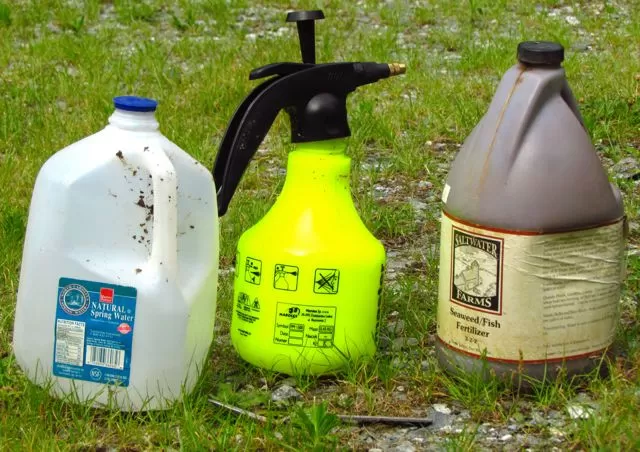
- Soaking in Nutrient Solution (e.g., Liquid Feed, Seaweed Extract): This method is great for activating the biochar by filling it with water and nutrients. However, it doesn’t effectively inoculate it with a diverse range of soil microbes. Microbial colonization will still need to happen naturally from the soil, which takes time.
- Mixing with Moist Compost: Combining raw biochar with moist, finished compost and letting the mixture sit for several weeks (6-12 weeks or longer) allows microbes from the compost to naturally migrate into the biochar’s pores as it absorbs moisture. This is a good method for both activation and inoculation, but it requires patience.
- Adding to Your Compost Pile: Incorporating raw biochar into your active compost heap for several months (3-18 months) is an excellent way to fully activate and inoculate it. The intense microbial activity and moisture within the compost pile ensure the biochar becomes fully charged and colonized as the composting process occurs. The resulting “biochar-enriched compost” is a powerful soil amendment.
- Mixing Directly into Soil: Simply digging raw biochar into your garden beds works eventually, but it’s the slowest method. The biochar will absorb water and nutrients directly from the soil, potentially causing the initial lag period, and microbial colonization will happen gradually over 3-6 months or even longer depending on soil conditions.
Comparing these, the compost tea method stands out for its speed and effectiveness in delivering both activation and a rich microbial boost directly into the biochar, making it immediately beneficial upon application.
Choosing Your Activation “Liquid”
When activating biochar, you need a liquid medium. While simple water helps with initial saturation, adding nutrients is key. Compost tea is an outstanding organic choice because, as we’ve discussed, it brings both nutrients and microbes. Other options include:
- Liquid organic feeds (seaweed extract, liquid comfrey)
- Diluted non-organic liquid feeds (use sparingly if aiming for organic practices)
- Compost slurry (compost mixed with water)
- Manure tea (if properly composted/brewed to minimize pathogens)
Any of these liquids will help activate the biochar by filling its pores. However, for effective inoculation in a short timeframe, a biologically active liquid like compost tea or compost slurry is far superior to simple nutrient solutions.
What About Mycorrhizal Fungi?
Mycorrhizal fungi (MF) form crucial symbiotic relationships with the roots of most plants, helping them access water and nutrients. You might wonder if you need to add these specific fungi when preparing biochar.
Healthy, established soils usually contain dormant MF spores. When plant roots grow nearby, they release signals that “wake up” these spores, and the fungal hyphae begin to grow and connect with the roots. So, in many cases, if your soil has supported plant life before, additional MF inoculation might not be necessary.
However, if you are working with heavily disturbed, sterilized, or very poor soil that has had no plant life for a long time, adding MF spores could be beneficial. If you choose to use MF, it’s generally most effective to apply the spores directly to the plant roots at the time of planting, as this ensures direct contact and encourages the symbiotic relationship to form quickly. While biochar provides a home for microbes, dispersing a tiny amount of MF spores throughout a large volume of biochar or soil might not guarantee the fungi find their way to the plant roots effectively.
Unlock Your Garden’s Potential
By understanding the need to activate and inoculate biochar and by recognizing the power of combining biochar with compost teas, you can transform this inert material into a thriving microbial habitat ready to boost your soil health and plant vitality. This simple step reduces the initial lag period and ensures your biochar gets straight to work, building a more resilient and productive garden ecosystem from the ground up. Give this dynamic duo a try and watch your garden flourish!
Have you tried combining biochar with compost tea? Share your experiences in the comments below! If you found this guide helpful, please share it with your fellow gardeners. Explore Thelittle.garden for more tips on building healthy soil and beautiful landscapes!