- Starts slow, typically just a few inches in the first 3-5 years while establishing roots.
- Accelerates significantly once established, growing 2-3 feet per year.
- Reaches a mature size of 25-40 feet tall and 25-30 feet wide over time.
- Considered a moderate-growing tree overall.
- Growth rate is influenced by factors like sun, soil, water, and initial care.
Choosing a tree for your landscape is an exciting journey, filled with visions of future shade, stunning seasonal color, and structural beauty. If you’ve been captivated by the promise of the Chinese Pistache (Pistacia chinensis), you’re likely wondering how quickly that vision will become a reality. Understanding the chinese pistache growth rate is key to setting realistic expectations and providing the best care for your new tree. It’s not a tree that shoots up overnight, but rather a steady, reliable grower that rewards your patience with incredible resilience and beauty. Let’s explore the typical growth pattern of this remarkable tree and what you can do to help it thrive.
The Enduring Charm of the Chinese Pistache
The Chinese Pistache, native to China and Taiwan, is a deciduous tree celebrated for its handsome appearance and adaptability. While it’s a close relative of the pistachio nut tree, its primary value in the landscape comes from its form, foliage, and spectacular fall color. Young trees might appear a bit gangly at first, but they mature into beautifully symmetrical, upright oval to rounded shapes, eventually developing attractive, deeply-fissured bark on their trunks. This tree brings a touch of refined elegance to any garden setting.
Here’s a quick look at the essential details for the Chinese Pistache:
- Scientific Name: Pistacia chinensis
- Common Name: Chinese Pistache
- Zone: 6 to 9 (Hardy to -20°F)
- Light: Full Sun
- Humidity: Tolerates low humidity; adaptable
- Water: Low once established; requires well-drained soil
Understanding the Chinese Pistache Growth Rate
When you first plant a Chinese Pistache sapling, you might be tempted to measure its progress daily. Be patient! The chinese pistache growth rate follows a predictable pattern that starts slowly but picks up speed considerably.
In its first three to five years after planting, a young Chinese Pistache is primarily focused on developing a robust root system underground. This is a crucial phase for long-term health and stability, but it means that visible top growth is often minimal. You might only see a few inches of vertical growth per year during this initial establishment period. Think of it like building a strong foundation before constructing the house – necessary work, even if you don’t see dramatic results right away.
Once the root system is well-established and spread out into the surrounding soil, typically after the third to fifth year, the tree’s energy shifts. This is when you’ll observe a noticeable acceleration in the chinese pistache growth rate. Established trees can grow anywhere from two to three feet per year. This moderate to fast rate allows the tree to reach its mature size of 25-40 feet in height and 25-30 feet in width within a reasonable timeframe, providing valuable shade and structure to the landscape.
 Mature Chinese Pistache tree showing its dense, rounded crown of green leaves in summer
Factors like soil quality, water availability (but not too much!), ample sunlight, and climate conditions can all influence exactly how fast your Chinese Pistache grows. Providing ideal conditions will encourage it to reach the upper end of its growth potential.
Caring for Your Chinese Pistache to Encourage Healthy Growth
Good care doesn’t necessarily force faster growth than the tree is naturally capable of, but it certainly helps it reach its optimal growth rate. Proper care ensures the tree is healthy and vigorous, allowing it to put energy into developing both strong roots and leafy top growth.
Planting and Soil
Choose a site in full sun with deep soil that drains well. Chinese Pistache trees are remarkably tolerant of various soil types, including alkaline conditions often found in the desert southwest, but they will not tolerate soggy roots. Ensure the planting hole is wide enough to accommodate the root ball and that the tree isn’t planted too deep. Young trees may benefit from staking for the first year or two to ensure they grow straight, but remove stakes promptly once the tree can stand on its own.
Watering Needs
While drought-tolerant once established, consistent and appropriate watering is vital, especially during the initial slow-growing phase. Allow the soil surface to dry out between waterings. For young trees in summer, this might mean watering once every 7-10 days. As the tree matures and in cooler weather, taper watering down to about once a month in winter. The goal is deep, infrequent watering that encourages roots to grow downwards, supporting future tall growth.
Feeding for Vigor
For the first five years, feeding your Chinese Pistache in early spring with a nitrogen-based fertilizer can give it a boost, supporting the development of lush, dark green foliage which in turn helps the tree photosynthesize and grow. After five years, fertilization is often unnecessary unless soil tests indicate a specific deficiency.
Pruning for Structure
Structural pruning is highly recommended in the early years. This helps correct any awkward branching patterns and encourages a strong central leader and well-spaced branches that can support the tree’s mature size and shape. Proper pruning directs the tree’s energy into desired growth and prevents future problems like weak limbs, ensuring your tree grows into a beautiful, well-formed specimen. Once mature, pruning is generally limited to removing dead, damaged, or crossing branches.
Anticipating the Rewards: Color and Form
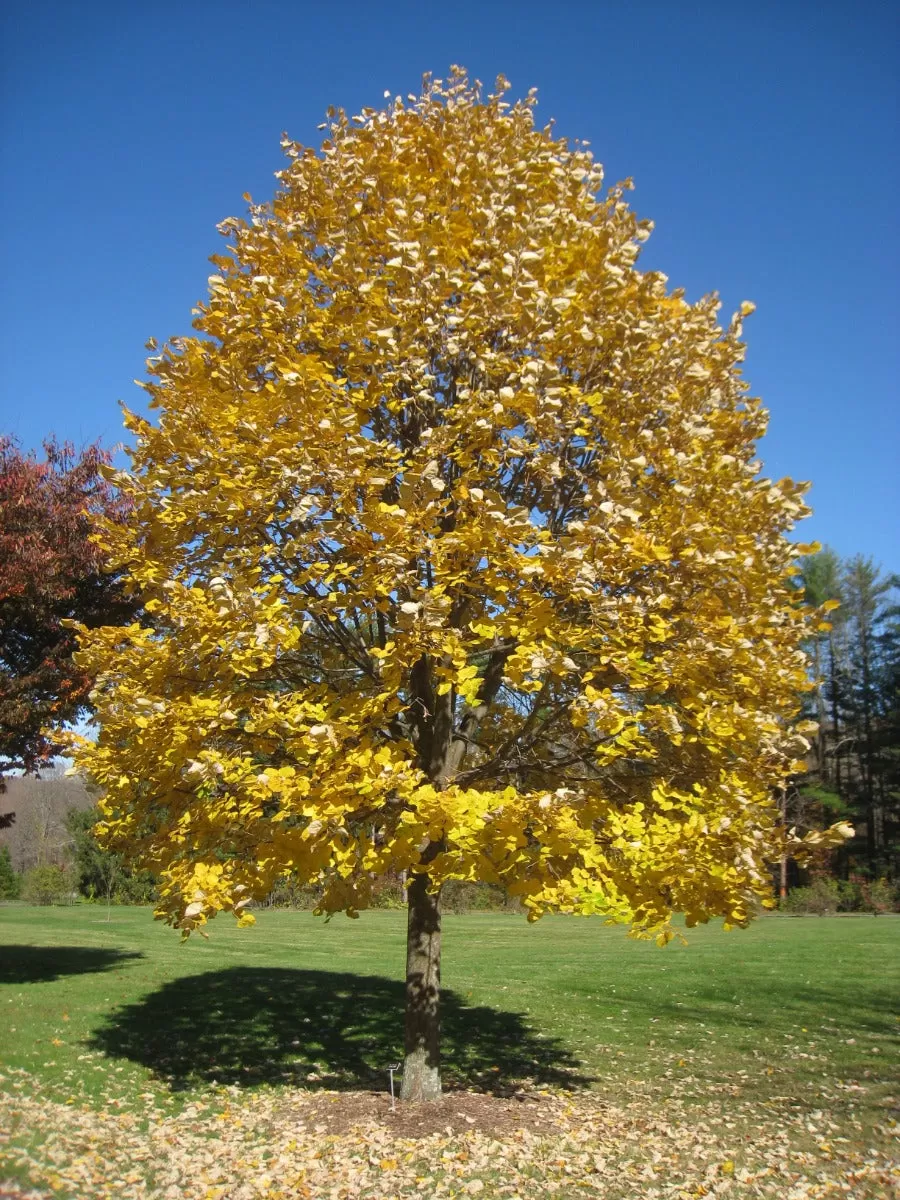
Your patience with the initial slow chinese pistache growth rate will be richly rewarded. Beyond the beautiful form and shade, the Chinese Pistache delivers one of the most spectacular and reliable fall color displays of any tree, with leaves turning brilliant shades of red, scarlet, orange, and yellow, often late in the season (even into December in warmer climates).
 Vibrant red and orange fall color on a Chinese Pistache tree in early winter
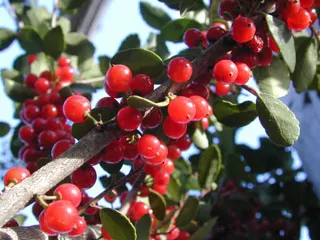
If you have a female tree (Chinese Pistaches are dioecious, meaning male and female flowers are on separate trees), you’ll also get clusters of small, half-inch red fruits in the fall, which while inedible for humans, are a treat for birds. The developing deeply-fissured bark adds textural interest to the winter landscape.
Resilience and Ease: Why Pistache is a Great Choice
One of the most compelling reasons to choose a Chinese Pistache, besides its beauty and manageable chinese pistache growth rate, is its incredible resilience. It’s known for being tough, tolerating conditions from hot, dry summers to cold temperatures (down to -20°F). It’s also remarkably pest and disease resistant, making it a low-maintenance choice once established. This hardiness means you can plant with confidence, knowing your tree is equipped to handle various environmental stresses.
Exploring Varieties: Cultivars and Hybrids
While the straight species Pistacia chinensis is a fantastic tree, there are cultivars and hybrids available. ‘Sarah’s Radiance’, for example, is a clone known for consistently producing stunning red fall color. The ‘Red Push’ Pistache is a hybrid between Pistacia atlantica and Pistacia integerrima. It’s also a great landscape tree, though it does not produce nuts and is noted for its distinctive coppery-red new leaves in spring before they mature to green.
 Close-up of the distinctive copper-red new leaves of a 'Red Push' Pistache hybrid tree
Conclusion
The Chinese Pistache is a tree that teaches patience but amply rewards it. Its chinese pistache growth rate, characterized by a slow start followed by steady acceleration, results in a moderately sized, beautiful, and resilient tree perfect for many landscapes. By understanding its growth pattern and providing appropriate care, you can help ensure your Chinese Pistache thrives, offering cooling shade in summer and breathtaking color in fall for years to come. Planting one is an investment in the future beauty and enjoyment of your garden.
Have you planted a Chinese Pistache? Share your experiences with its growth journey in the comments below! What has surprised you most about its development? Explore more resilient and beautiful tree options for your garden by browsing other articles on our site.