- Key Takeaways:
- Coreopsis, also known as tickseed, delivers an explosion of cheerful, long-lasting blooms from summer into fall.
- These versatile perennials are perfect for a wide range of coreopsis landscape ideas, from cottage gardens to modern designs and water-wise plantings.
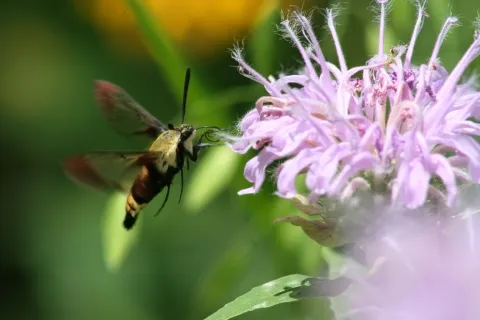
- Coreopsis is a magnet for pollinators, making it an excellent choice for bee-friendly gardens.
- Many varieties are incredibly low-maintenance, offering vibrant color without demanding constant attention.
- With thoughtful selection and placement, coreopsis can solve common landscape challenges, filling sunny spots with radiant beauty.
Welcome, fellow garden enthusiast! If you’re dreaming of a garden that bursts with color, dances with life, and doesn’t chain you to endless chores, then you’ve come to the right place. Today, we’re diving into the sunny world of Coreopsis, a true garden hero. I remember the first time I saw a mass planting of ‘Moonbeam’ Coreopsis; it was like a golden river flowing through the landscape, utterly captivating and so effortlessly beautiful. Since then, I’ve been incorporating these cheerful bloomers into countless designs, and they never fail to impress. Let’s explore some inspiring coreopsis landscape ideas that will help you transform your own outdoor space into a vibrant haven.
Contents
- Why Coreopsis is a Landscape Designer’s Darling
- Choosing Your Coreopsis Champion: Top Varieties for Stunning Landscapes
- Threadleaf Coreopsis (Coreopsis verticillata) Varieties
- Crafting Your Dreamscape: Coreopsis Landscape Ideas in Action
- Sunny Borders and Edges
- Mass Plantings for Impact
- Pollinator Powerhouses
- Cottage Garden Charm
- Modern Simplicity
- Delightful Container Gardens
- Dynamic Duos: Companion Planting
- Coreopsis Care: Secrets to Thriving Blooms
- Troubleshooting Common Coreopsis Concerns
- Your Turn to Create Coreopsis Magic!
Why Coreopsis is a Landscape Designer’s Darling
Coreopsis, often called tickseed, is a gem for so many reasons. As someone who adores crafting beautiful, sustainable gardens, I can tell you that this plant family consistently makes the A-list. Its most celebrated trait is its incredibly long flowering period. Just when many May and June bloomers are fading under the summer heat, Coreopsis steps into the spotlight, often continuing its colorful show well into the fall. This extended performance is invaluable for maintaining continuous interest in the garden.
Beyond its endurance, Coreopsis is wonderfully versatile. Whether you’re cultivating a romantic cottage garden, a sleek modern landscape, a wildlife-friendly pollinator paradise, or a resilient low-water planting, there’s a Coreopsis that fits the bill. Clients often rave about how these plants bring so much cheer with so little fuss. And who doesn’t love a plant that’s both beautiful and beneficial? The bright, daisy-like flowers are irresistible to bees and butterflies, adding an extra layer of life and movement to your garden.
Choosing Your Coreopsis Champion: Top Varieties for Stunning Landscapes
While there are many Coreopsis species and cultivars, some stand out for their reliability and garden performance. When planning your coreopsis landscape ideas, consider these trustworthy choices:
Threadleaf Coreopsis (Coreopsis verticillata) Varieties
This group is particularly prized for its fine, ferny foliage, which adds a lovely texture to garden beds even when not in bloom. They are generally hardy and long-lived, though some may benefit from division every few years to maintain vigor – a small task considering the beauty they provide!
-
Coreopsis verticillata ‘Moonbeam’
- Scientific Name: Coreopsis verticillata ‘Moonbeam’
- Common Name: Moonbeam Tickseed, Threadleaf Coreopsis
- Zone: 3-9
- Light: Full sun
- Humidity: Adaptable, prefers good air circulation
- Water: Low to medium; drought tolerant once established
‘Moonbeam’ was a sensation when it arrived on the scene, and for good reason. Its soft, buttery-yellow flowers atop dark green, airy foliage create a dreamy effect. It’s a classic choice for a reason – reliable, beautiful, and a pollinator favorite. It tends to carry its flowers primarily at the top of the plant.
 Close-up of pale yellow Coreopsis Moonbeam flowers, a top choice for bee-friendly and water-wise coreopsis landscape ideas.
-
Coreopsis verticillata ‘Crème brûlée’
- Scientific Name: Coreopsis verticillata ‘Crème brûlée’
- Common Name: Crème brûlée Tickseed, Threadleaf Coreopsis
- Zone: 4-9
- Light: Full sun
- Humidity: Adaptable, good air circulation helps
- Water: Low to medium; drought tolerant once established
A close relative of ‘Moonbeam’, ‘Crème brûlée’ features slightly larger, soft yellow flowers on taller, stronger stems. Its foliage is a brighter emerald green. A lovely characteristic is its tendency to bloom from the lower stems to the top, giving a fuller floral display.
-
Coreopsis verticillata ‘Zagreb’
- Scientific Name: Coreopsis verticillata ‘Zagreb’
- Common Name: Zagreb Tickseed, Threadleaf Coreopsis
- Zone: 3-9
- Light: Full sun
- Humidity: Adaptable
- Water: Low; very drought tolerant
‘Zagreb’ is an incredibly tough and vibrant contender, boasting intensely yellow flowers. It’s a true survivor. While it can be a vigorous spreader and may reseed in some areas, this makes it perfect for challenging spots where you need a resilient groundcover or a mass planting that can fend for itself. It’s a fantastic option for those really difficult, sunny, dry areas in your landscape.
 Vibrant yellow Coreopsis Zagreb thriving in a sunny garden border, showcasing excellent coreopsis landscape ideas for pollinator attraction.
-
Coreopsis ‘Bengal Tiger’ (often listed under Coreopsis verticillata influence)
- Scientific Name: Coreopsis ‘Bengal Tiger’
- Common Name: Bengal Tiger Tickseed
- Zone: 5-9
- Light: Full sun
- Humidity: Average
- Water: Medium, well-drained soil
For a dramatic splash of color, ‘Bengal Tiger’ is a showstopper. Its golden-yellow petals feature a striking deep red eye, creating a fiery contrast. It’s similar to ‘Route 66’, but ‘Bengal Tiger’ tends to have more consistent coloration across its blooms, offering a more uniform and impactful display.
 Striking Coreopsis Bengal Tiger with its gold and red blooms, a fantastic option for adding bold color to coreopsis landscape ideas.
Crafting Your Dreamscape: Coreopsis Landscape Ideas in Action
Now for the fun part – bringing these beauties into your garden! Here are some coreopsis landscape ideas to get your creativity flowing:
Sunny Borders and Edges
Use lower-growing varieties like ‘Moonbeam’ or ‘Zagreb’ to create a vibrant, long-blooming edge along pathways or at the front of sunny borders. Their fine texture contrasts beautifully with broader-leaved perennials. Imagine a cheerful yellow ribbon guiding you through your garden!
Mass Plantings for Impact
For a truly breathtaking display, consider a mass planting of a single Coreopsis variety. ‘Zagreb’ is excellent for this, especially in larger areas or on slopes where its spreading nature is an advantage. This creates a sea of color that’s both low-maintenance and high-impact.
Pollinator Powerhouses
Integrate Coreopsis into a dedicated pollinator garden. Pair them with other bee and butterfly favorites like Echinacea (Coneflower), Salvia, and Liatris. A simple succession could be winter-flowering heather, then Spanish lavender, followed by English lavender, and finally, Coreopsis to carry the season into fall. Your local pollinators will thank you!
Cottage Garden Charm
The soft, ferny foliage and cheerful blooms of Coreopsis, especially ‘Moonbeam’ or ‘Crème brûlée’, fit perfectly into the relaxed, romantic style of a cottage garden. Combine them with companions like Nepeta (Catmint), shrub roses (such as ‘Happy Chappy’ or David Austin’s ‘Graham Thomas’), and Shasta daisies for a classic, joyful mix.
Modern Simplicity
In modern landscape designs, the clean lines and long bloom season of Coreopsis can provide a beautiful contrast to structural elements like ornamental grasses or minimalist hardscaping. A block planting of a single variety can offer a bold, yet refined statement.
Delightful Container Gardens
Don’t have a lot of ground space? Many Coreopsis varieties thrive in containers! Choose a well-draining pot, fill it with good quality potting mix, and enjoy a movable splash of color on your patio, balcony, or deck.
Dynamic Duos: Companion Planting
Coreopsis plays well with others! I love pairing Coreopsis verticillata varieties with other low-water plants like Yucca ‘Golden Ribbon’ or Caryopteris ‘Blue Mist’. Their texture is a fantastic complement to ornamental grasses such as Panicum ‘Heavy Metal’ (Switch Grass) or Helictotrichon sempervirens (Blue Oat Grass). For a simple, low-maintenance composition, try a foreground of massed Coreopsis with dwarf conifers and a ‘Gilt Edge’ Silverberry (Elaeagnus pungens ‘Gilt Edge’) in the background.
Coreopsis Care: Secrets to Thriving Blooms
One of the best things about Coreopsis is its unfussy nature. However, a few simple care tips will ensure your plants thrive and put on their best show:
- Sunlight: Coreopsis are sun lovers. Plant them in a spot where they’ll receive at least 6 hours of direct sunlight per day.
- Soil: Well-draining soil is key! They are not fond of “wet feet.” If you have heavy clay soil, amend it with organic matter or plant your Coreopsis in raised beds or on berms. I’ve even seen them do well at the well-drained edge of a lawn.
- Watering: Once established, many Coreopsis varieties, particularly C. verticillata, are quite drought-tolerant. Water regularly after planting until they’re established, then water deeply but infrequently, allowing the soil to dry out between waterings.
- Deadheading/Cutting Back: To encourage continuous blooming, especially with Coreopsis verticillata types, cut the plant back by about half in mid-summer after the first major flush of flowers fades. I’ve sometimes cut back ‘Moonbeam’ up to three times in a single summer to keep those beautiful blooms coming until fall! You can also deadhead individual spent flowers regularly.
- Fertilizing: Coreopsis generally doesn’t require heavy fertilization. A light application of compost in the spring is usually sufficient.
Troubleshooting Common Coreopsis Concerns
While generally robust, there are a couple of things to watch out for:
- Overwatering and Poor Drainage: This is the most common way to harm a Coreopsis. Planting in a low spot with heavy, mucky clay soil and overwatering will likely lead to root rot and the plant’s demise. Ensure good drainage!
- Late Spring Emergence: Don’t panic if your Coreopsis seems slow to wake up in the spring. Coreopsis verticillata, in particular, can be a late riser. Its dark green, lacy foliage can be hard to spot when the tiny shoots first emerge. Be patient and avoid digging it up thinking it hasn’t survived the winter.
It’s worth noting that while many Coreopsis varieties are fantastic, long-lived perennials, some can be short-lived or may reseed aggressively to the point of becoming a nuisance. Always check the specific characteristics of the variety you’re considering. Sticking to well-known, reliable cultivars like those mentioned above is a good strategy for long-term success and enjoyment.
Your Turn to Create Coreopsis Magic!
Coreopsis truly is a gift to the gardener – offering months of vibrant color, attracting beneficial wildlife, and asking for so little in return. With so many wonderful varieties and endless coreopsis landscape ideas to explore, you’re sure to find the perfect way to incorporate these sunny stunners into your garden.
I’d love to hear about your experiences with Coreopsis! Do you have a favorite variety or a special way you use it in your landscape? Share your thoughts, questions, or your own coreopsis success stories in the comments below. Let’s inspire each other to create more beautiful, buzzing gardens! And don’t forget to explore more gardening tips and inspiration right here at Thelittle.garden.