- Transform your garden vision into reality with a digital planner.
- Easily experiment with different flower combinations, colors, and layouts.
- Visualize annual, perennial, and container designs before you plant.
- Save time, reduce guesswork, and boost your planting confidence.
There’s a special kind of joy that comes from a garden bursting with color and life. Whether you dream of attracting buzzing pollinators, cutting fresh bouquets for your table, or simply creating a vibrant display to brighten your day, planning is the first beautiful step. But staring at a blank patch of soil or a bare patio can feel overwhelming. That’s where a dedicated flower garden planner becomes your best friend, turning daunting tasks into delightful design sessions. Imagine having a virtual sandbox where you can play with countless flower varieties, arranging them, swapping them out, and seeing how they’ll look together before you ever dig a hole. This powerful tool helps translate your ideas from hazy dreams into concrete planting plans, making your gardening journey smoother and more successful.
Why Embrace a Flower Garden Planner?
The world of flowers is vast and exciting! From towering sunflowers to delicate sweet peas, vibrant salvias to cheerful petunias, the options are limitless. But how do you choose? And once you’ve chosen, how do you arrange them so they look stunning together, thrive in their spot, and bloom when you want them to? This is where a flower garden planner shines.
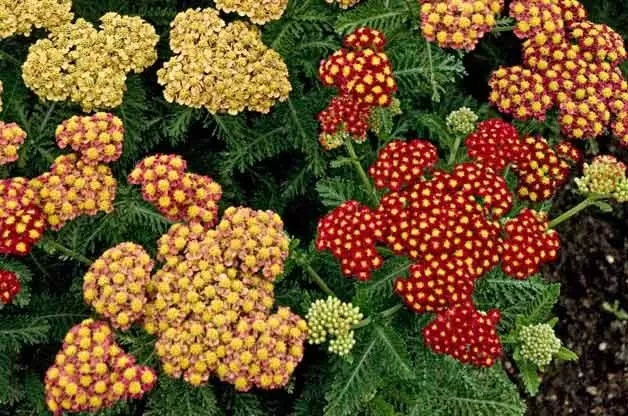
Think of it as your personal design studio. Instead of buying plants on impulse and hoping for the best, you can try out different combinations digitally. See how yarrow pairs with black-eyed Susan, or how vibrant celosia spikes complement softer forms. It’s a zero-risk way to experiment with scale, texture, and color palettes, all from the comfort of your home. This visual planning process is incredibly powerful, giving you a clear preview of your future flowerbeds and containers.
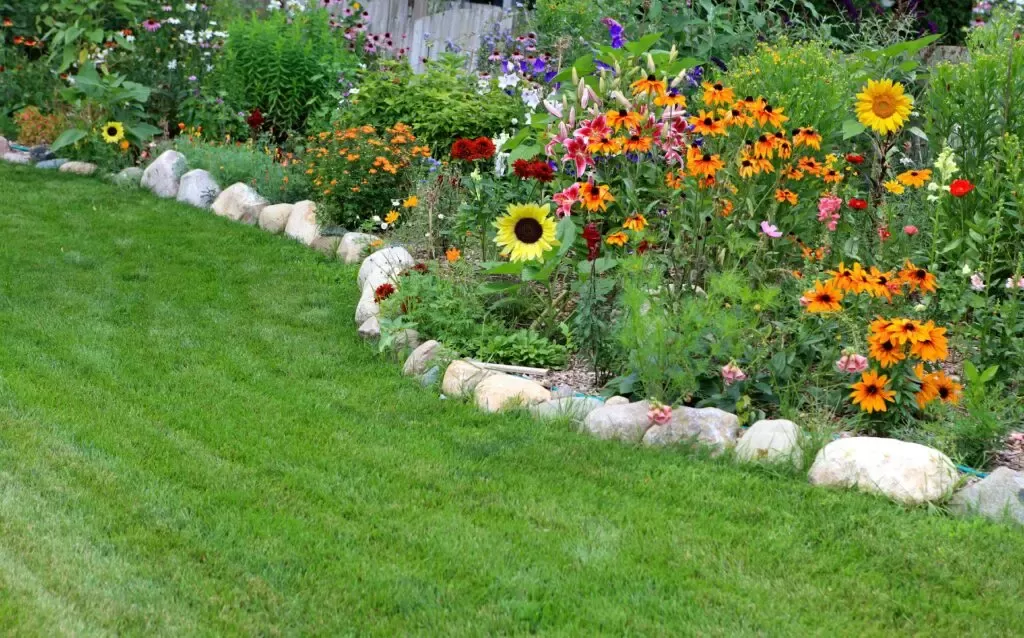
 Example layout of a balanced annual flowerbed design suitable for a cool climate
Planning Your Annual Flower Displays
Annuals offer incredible bursts of color and allow you to change your garden’s look each year. Using a flower garden planner for annuals is a fantastic way to start designing. Here’s a simple approach to get you going:
Getting Started with Your Planner
Begin by setting up your design area in the planner. You might start with an area larger than your actual bed to give yourself space to play. Give your plan a name, and don’t worry about drawing specific bed shapes just yet – focus on exploring possibilities first.
Selecting Your Potential Blooms
Dive into the planner’s plant library. Filter by “Flowers” and explore the possibilities. Click on flowers that catch your eye and add them to your planning space without worrying about placement initially. Use the information provided for each plant (like light needs or size) to make informed choices. If a plant doesn’t quite fit your vision after learning more, it’s easy to simply delete it from your plan.
 Visualizing and arranging flowers within a digital flower garden planner interface
Arranging and Refining Your Layout
Now for the fun part! Start moving the flowers you’ve selected into imaginary bed shapes. Pay close attention to the visual form of the flowers. While many annuals have a classic daisy shape (like marigolds or zinnias), incorporating spiky forms (like salvias or celosia) or bushy fillers adds dynamic interest and visual depth. Experiment with grouping different forms together.
Considering Your Vantage Points
How will you view this flowerbed most often? From a distance, or up close from a patio? Is there a wall or fence behind it, or is it in an open space? These factors influence plant placement. A common and effective technique is layering: place taller plants towards the back (if viewed from one side) or in the center (if viewed from all sides), gradually placing shorter plants towards the front edges. Remember to give tall plants like sunflowers or climbing annuals like sweet peas the space they need.
Playing with Color Palettes
Color is powerful in the garden. Consider the mood you want to create. Soft pastels can feel calming and romantic, while bright, bold colors create energy and are more visible from afar. Think about how the colors will look together, and don’t be afraid to experiment! Sometimes unexpected pairings create the most exciting results. White flowers can help separate clashing colors or brighten shady spots.
Planning Perennial Powerhouses
Perennials are the backbone of a garden, returning year after year. Using a flower garden planner to design with perennials helps you think long-term about your garden’s structure and bloom sequence. You can place existing perennials in your plan (using placeholder icons if they aren’t in the library) and then strategically add new ones to fill gaps, replace plants that didn’t thrive, or incorporate new favorites like pollinator magnets or deer-resistant varieties.
 Planning the placement of perennial plants like Echinacea in a flowerbed design
Seeing your perennial beds from an overhead view in the planner makes it easy to identify खाली spaces or areas that need more visual interest or seasonal color. This strategic planning ensures your perennial beds evolve beautifully over time.
Designing Stunning Containers and Raised Beds
Containers and raised beds are perfect for small spaces, patios, or adding focal points. They also benefit greatly from careful planning. A flower garden planner helps you select compatible plants that share similar light and water needs, ensuring they thrive together in a confined space.
Just like with garden beds, you can arrange different plant forms, textures, and colors to create mini-masterpieces. Consider the classic “thriller, filler, spiller” approach, where you combine a dramatic upright plant (thriller), bushy plants to fill space (fillers), and trailing plants to spill over the edges (spillers). The planner lets you visualize this arrangement and ensure you have the right balance. You can even place digital pots and planters in your plan!
 Designing container gardens with various pots and planters using a flower garden planner
Using a flower garden planner for containers means you can try out different combinations – perhaps shade-loving impatiens and begonias with some contrasting coleus, or sun-lovers like lantana and petunias with heat-tolerant convolvulus – before you buy a single plant or bag of soil.
Sharing Your Bloom Blueprint
Many garden planners allow you to save and even share your planting plans. This feature is invaluable if you’re working with others, collaborating on a community garden project, or simply want to get feedback on your design ideas from friends and family. Having a clear visual plan makes communication easy and ensures everyone is on the same page when it comes time to plant.
Using a flower garden planner is more than just a tool; it’s an exciting way to deepen your connection with your garden and gain confidence in your ability to create beautiful, thriving floral displays. It empowers you to experiment, visualize, and plan with precision, leading to gardens that bring immense satisfaction and joy season after season.
Ready to start planning your own spectacular bloom display? Dive into a flower garden planner and see where your creativity takes you!
Ready to dig deeper? Share your favorite flower garden planning tips or challenges in the comments below! And don’t forget to explore our other guides for more inspiration and advice on growing your dream garden.