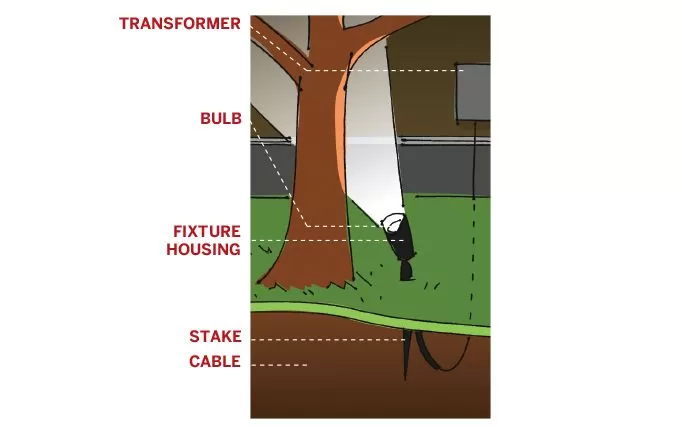
Diagram showing a landscape uplight fixture installed at the base of a tree, illustrating a low-voltage outdoor lighting system connection.
Your garden and landscape are beautiful by day, but what happens when the sun goes goes down? Don’t let their charm fade into darkness! Imagine stepping out into your yard after sunset, where pathways glow softly, favorite trees become dramatic sculptures, and architectural details of your home are subtly highlighted. This isn’t just fantasy; it’s the power of well-executed garden lighting landscape ideas. By adding thoughtful illumination, you can extend the usability and beauty of your outdoor spaces, enhance safety and security, and create breathtaking curb appeal that shines all night long. This guide will walk you through how to bring your landscape to light, transforming your property into a stunning nocturnal retreat.
Landscape lighting is far more than just flipping on a porch light. It’s an art form that paints your property with light and shadow, revealing hidden textures, highlighting focal points, and sculpting the overall atmosphere of your garden and yard. The primary goal is to create a balanced, inviting, and functional environment that extends your living space beyond your walls, making patios, decks, and garden rooms usable and enjoyable after dark.
Most modern landscape lighting systems rely on low-voltage power. This means instead of using the standard 120 volts from your home, the power is safely stepped down to 12 volts by a transformer. This low-voltage approach makes installation safer and more flexible, allowing you to create a wide array of effects, from subtle washes of light on surfaces to dramatic accent lighting on trees, sculptures, or architectural elements of your home.
Bringing your garden lighting landscape ideas to life requires thoughtful planning. A successful design isn’t just about where to put lights; it’s about understanding your property, deciding what you want to showcase, and creating a harmonious nighttime scene. Think of it as designing a whole new look for your yard after dark.
Start by creating a simple map of your property. Sketch out your home, existing trees, shrubs, flower beds, pathways, driveways, patios, decks, and any other features you love. This map is your blueprint. Now, look at it and ask: What do you want to see at night? What areas do you use? What are the safety concerns? Which plants or architectural features deserve a spotlight?
Consider how you want light to guide the eye. As lighting expert Mark Piantedosi advises for DIYers, “You want pools of light to guide your eye from one plant to the next, not continuous illumination.” Placing fixtures strategically, often more than 20 feet apart for accent lighting, helps create these inviting pools and adds depth.
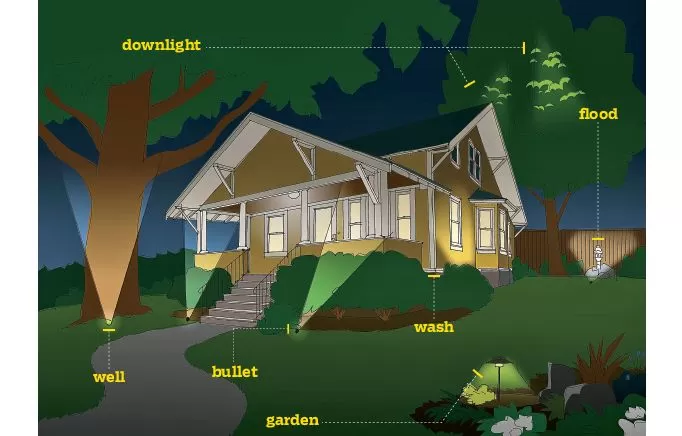
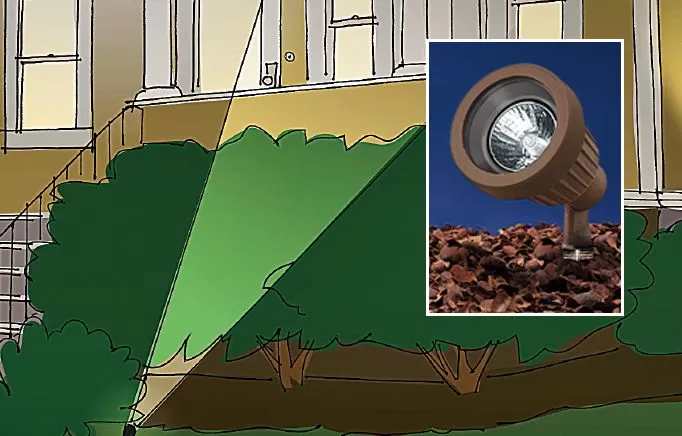
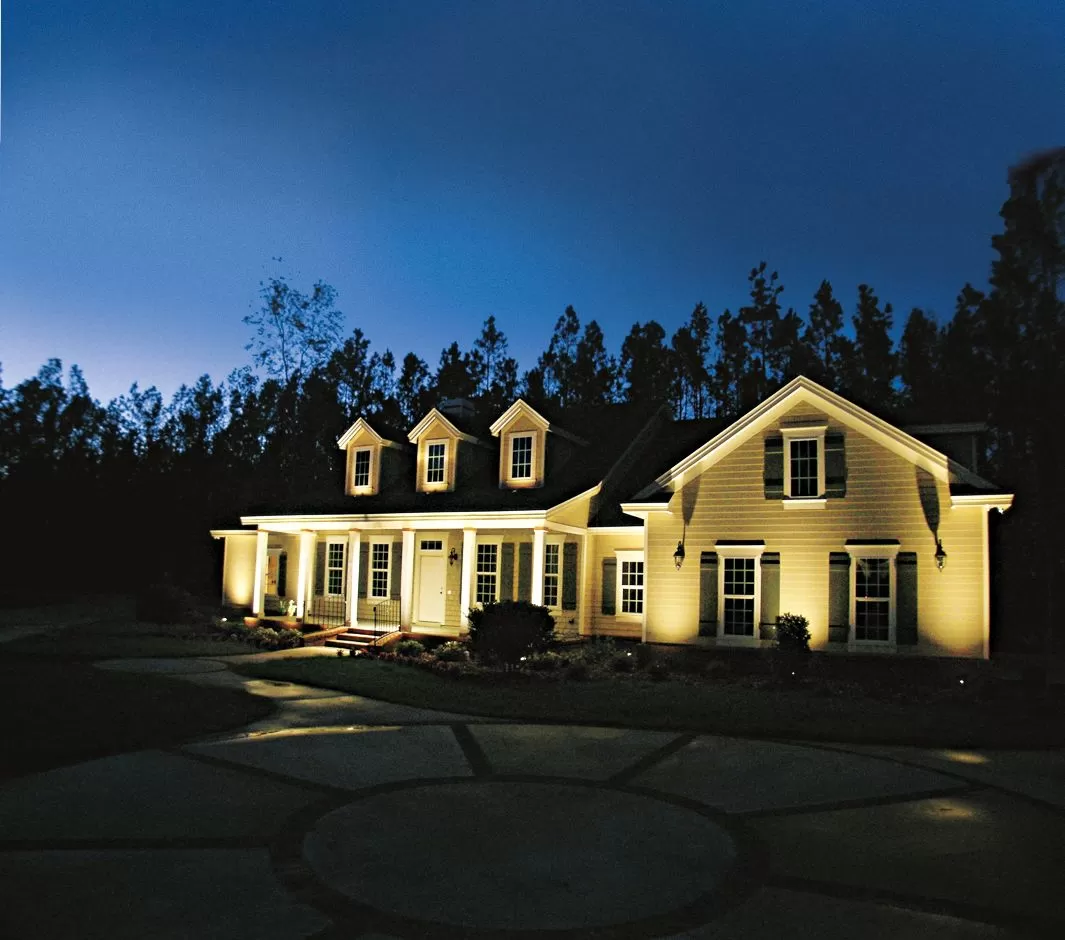
Your home’s facade is the centerpiece of your landscape, even at night. Use lighting to accentuate its best features. Narrow-beam “bullet lights” are perfect for drawing attention to architectural details like columns, gables, or unique stonework. Place them close to the foundation and angle them upwards. To avoid a patchy look, use softer “wash lights” in between these focal points to provide a gentle, even illumination across walls, creating a layered and inviting look.
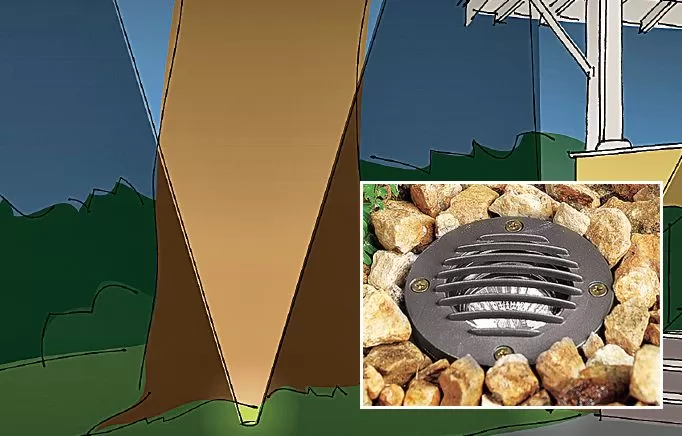
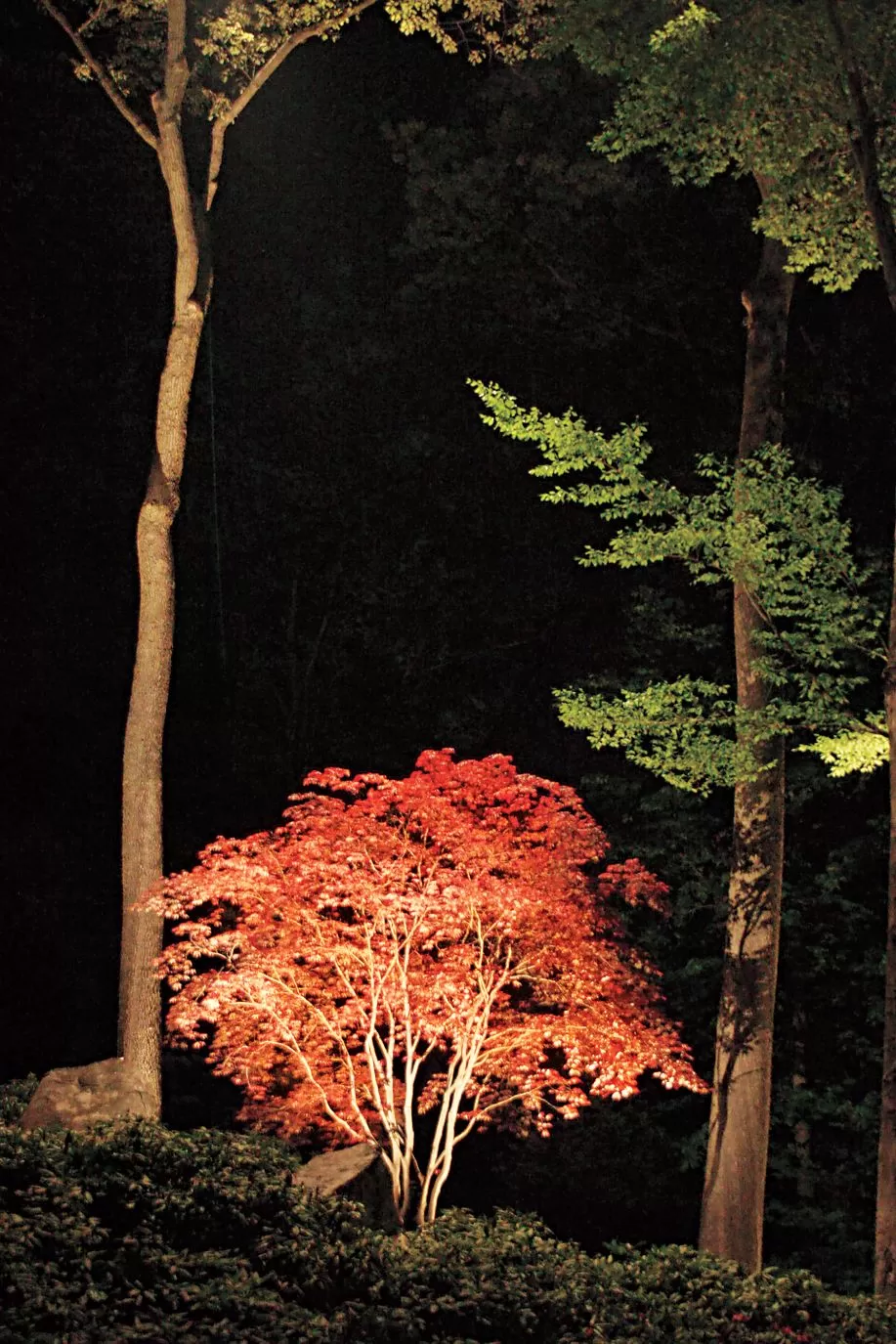
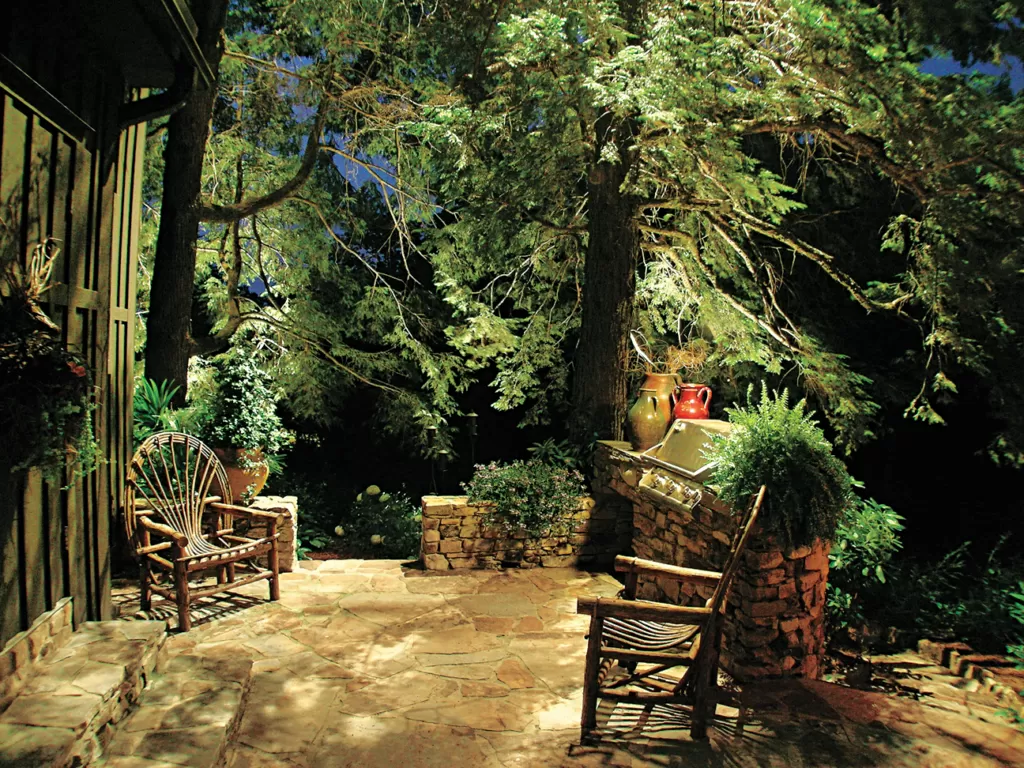
Trees, shrubs, and garden beds can become magical focal points when properly lit. “Uplighting” is a popular technique for trees, placing fixtures at the base and aiming upwards into the canopy. For smaller trees (under 20 feet), two 20-watt lights might be enough. Larger trees might need three to five 35 to 50-watt lights. Remember to illuminate both the trunk and some of the branches or canopy to prevent the tree from looking like it’s floating strangely in the air.
In planting beds, use smaller garden lights or strategically placed spot or well lights to graze textures or highlight individual plants. This creates interesting shadows and depths, making your garden look vibrant and alive even after sunset.
Understanding the different types of fixtures available is crucial for implementing your garden lighting landscape ideas effectively. Each type serves a specific purpose in creating your desired look and feel.
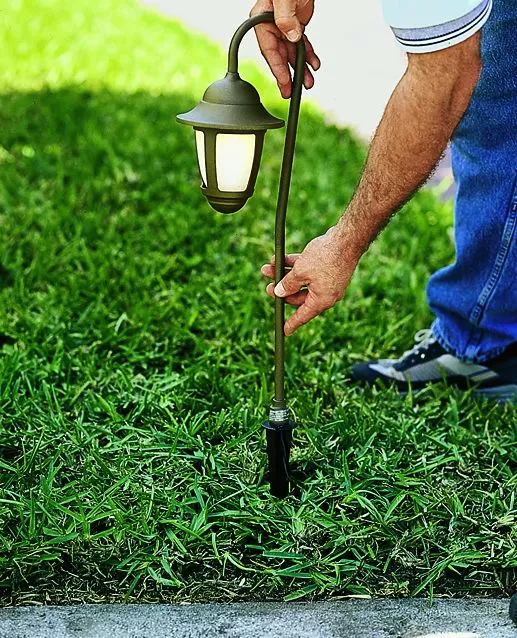
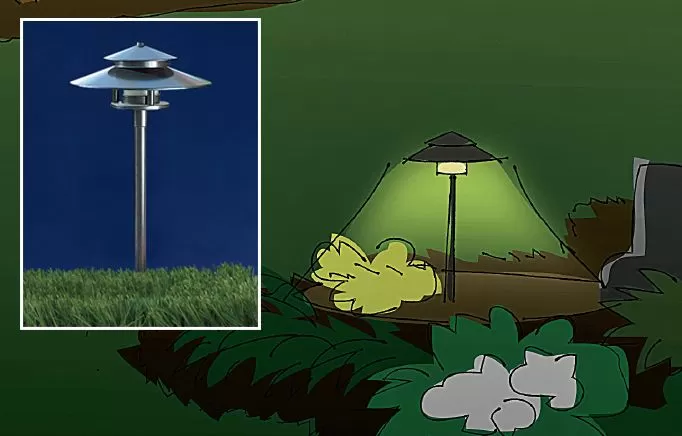
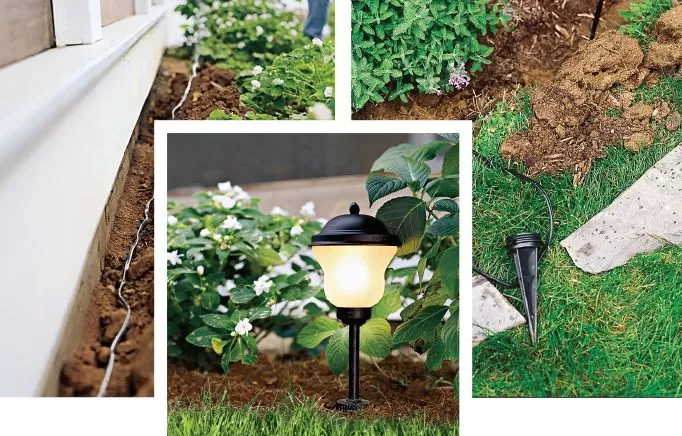
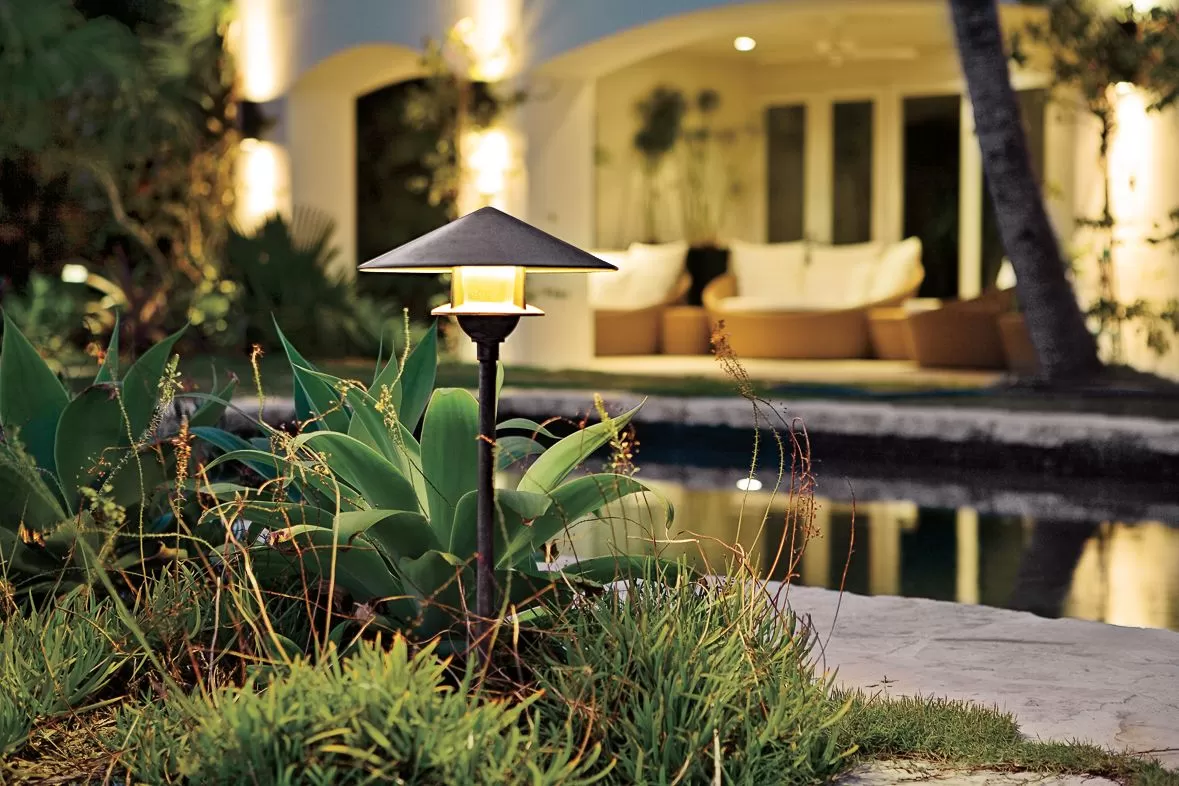
Typically mounted on short posts (18-24 inches), these are versatile fixtures ideal for illuminating pathways, guiding visitors safely, and defining the edges of garden beds. They cast a downward or outward glow and often feature decorative designs that contribute to the landscape’s daytime appearance as well.
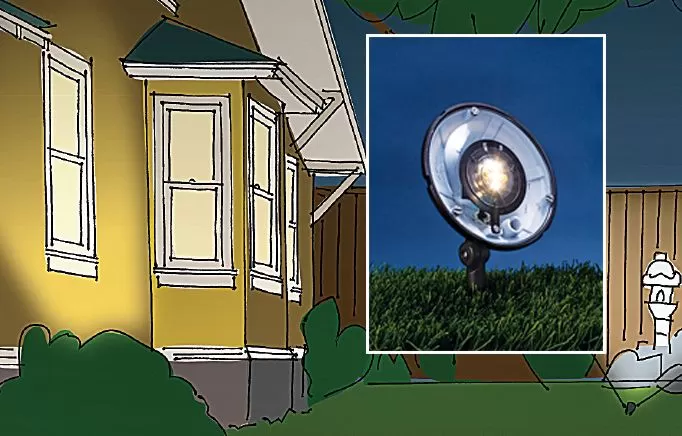
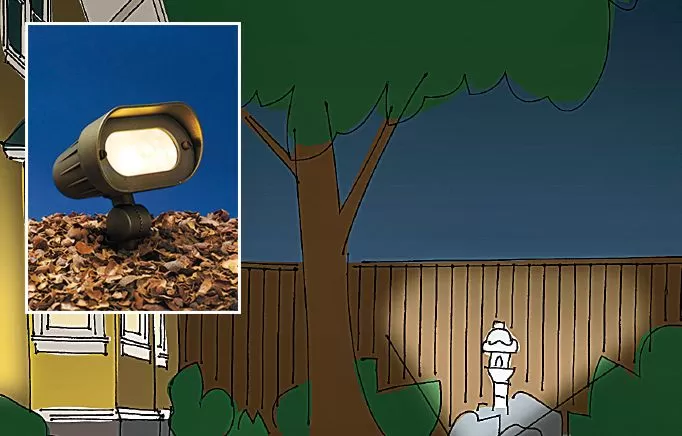
Wash lights produce a broad, soft, diffused light. They are excellent for evenly illuminating flat surfaces like house facades, privacy fences, and retaining walls. They create a gentle backdrop and can make areas feel larger and more welcoming without harsh spots.
These compact fixtures emit a tight, focused beam of light, often used with narrow-beam bulbs. Bullet lights are perfect for “spotlighting” specific features such as statues, tree trunks, architectural columns, or signs. They create high contrast and dramatic effects.
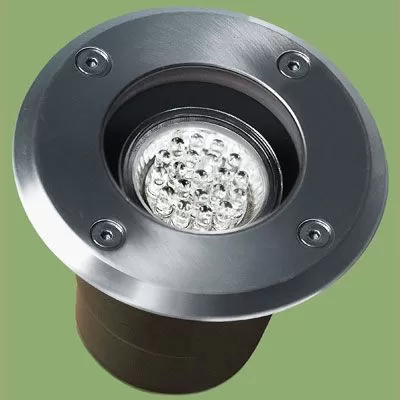
Installed directly into the ground, well lights are discreet during the day. They are ideal for powerful uplighting of trees, walls, or the undersides of plant foliage, providing dramatic effects where the light source is hidden from view.
Mounted high up in trees or on structures, downlights cast light downwards, simulating the effect of natural moonlight filtering through branches. They are excellent for softly illuminating patios, pathways, or garden areas from above and often use shrouds to reduce glare.
Flood lights provide a wide beam of light (typically 40 degrees or more) and are brighter than wash lights. They are used sparingly for illuminating large areas such as expansive lawns, tall trees, or broad facades, providing significant coverage.
The bulb you choose significantly impacts the look, feel, and cost-effectiveness of your landscape lighting. The two main players are LED and halogen.
LED (Light Emitting Diode) bulbs have become the standard for good reason:
While LEDs have a higher upfront cost, their massive savings on energy and replacement bulbs make them far more economical and environmentally friendly over the life of the system.
Color temperature, measured in Kelvins (K), describes the light’s warmth or coolness.
Most homeowners prefer the warmth of 2700K-3000K for a natural, inviting feel in their landscape. Early LEDs often had a very cool, almost blue light (around 6000K), but modern options offer excellent warm white tones.
Lumens measure the total amount of light a bulb emits. Instead of focusing on watts (which measure energy consumption), pay attention to lumens for brightness. Here are some general lumen guidelines:
The goal isn’t blinding brightness but rather creating balanced illumination that enhances your garden’s features without overpowering them. Too much light can look unnatural and cause light pollution.
As mentioned, low-voltage systems are the go-to for most residential garden lighting landscape ideas. Let’s delve a bit deeper into why and what they involve.
The advantages are compelling:
A typical low-voltage setup includes:
To ensure even brightness across all your lights, especially on longer runs, consider using a “hub” system. Run a heavier gauge cable (like 10-gauge) from the transformer to a central, waterproof junction box, then branch off to fixtures using lighter gauge cable (like 12-gauge) of roughly equal length for each branch. Try to keep cable runs under 50 feet where possible to minimize voltage drop.
Many aspects of low-voltage landscape lighting installation are within the reach of a confident DIYer. However, knowing when to call in a professional can save you time, frustration, and potential headaches.
If you’re tackling a simple system:
Some scenarios are better suited for professional landscape lighting installers:
Professionals have the expertise to design a system optimized for your property, access higher-quality fixtures, understand voltage drop calculations, and ensure everything is installed safely and correctly, often with warranties.
Now for the fun part – the creative ideas that will truly bring your garden to life after dark using the power of landscape lighting!
Make your home stand out beautifully at night. Use uplighting to highlight attractive textures like stone or brick, or architectural features like columns or dormers. Place fixtures about a foot from the base of the wall and angle them up. Use a mix of narrow beams for focused accents and wider beams or wash lights for softer, broader illumination to create depth and visual interest. This not only looks stunning but also enhances security.
Transform your patio, deck, or outdoor kitchen into a comfortable extension of your home. Tree-mounted downlights can cast a soft, natural “moonlight” glow over seating areas. Subtle path lights or well lights around the perimeter define the space without glare. Consider lighting outdoor kitchens for functionality and ambiance. The goal is creating a relaxed, inviting atmosphere perfect for evening gatherings.
Safety is paramount for walkways and driveways. Path lights placed 6-8 feet apart effectively guide visitors safely to your door, preventing trips and falls. Choose fixtures whose style complements your home. For driveways, a combination of low path lights along the edges and perhaps downlighting from nearby trees can provide necessary illumination without creating a harsh, institutional feel.
Once your beautiful garden lighting landscape ideas are installed, a little regular maintenance will keep everything looking its best and functioning reliably for years to come.
Implementing garden lighting landscape ideas is one of the most impactful ways to enhance the beauty, safety, and enjoyment of your home after dark. By understanding the basics of low-voltage systems, planning strategically, choosing the right fixtures and bulbs, and putting thought into design, you can transform your yard into a magical, functional, and inviting space that shines all night long. Whether you choose to DIY or hire a pro, bringing your landscape to light is an investment that pays dividends in curb appeal, usability, and personal enjoyment.
Ready to illuminate your garden oasis? Share your own garden lighting landscape ideas in the comments below or explore more ways to enhance your outdoor living on Thelittle.garden!
Here's how implementing no-dig techniques can transform your container gardening: Build Richer Soil: Layers of…
Healthy soil is teeming with beneficial microbes that act as a natural defense system for…
Transform your patio into a vibrant, wildlife-friendly oasis. Discover how to create beautiful, low-maintenance container…
Unlock the secret to a beautiful, resilient garden with Sedum & Yarrow blends. Discover why…
Beat the Heat: Discover resilient perennials that thrive in containers during the hottest summer months,…
Variegated Pothos, like the Golden Pothos and Marble Queen, are stunning, easy-care houseplants perfect for…