- Deciding between gravel and mulch for your garden path involves weighing cost, maintenance, and aesthetic appeal.
- Gravel paths offer durability and a classic look but require edging and can be challenging with wheels or bare feet.
- Mulch paths provide a soft, natural feel and are often more affordable initially but need more frequent refreshing.
- Consider your garden’s style, how you’ll use the path, and your budget when making your choice.
Imagine a meandering path winding through your garden, inviting visitors to explore hidden corners or leading to a quiet bench. A well-chosen garden walkway doesn’t just provide practical access; it shapes the flow of your landscape and adds significant charm. When planning these garden arteries, two popular and accessible materials often come to mind: gravel and mulch. But when it comes down to Gravel vs Mulch Paths, which material is the right fit for your outdoor space and lifestyle? Let’s break down the differences to help you decide.
Understanding Your Options: Gravel vs Mulch Paths
Both gravel and mulch are commonly used for garden paths due to their relatively low cost and ease of installation compared to harder materials like pavers or stone. However, they offer very different experiences underfoot and require distinct types of maintenance.
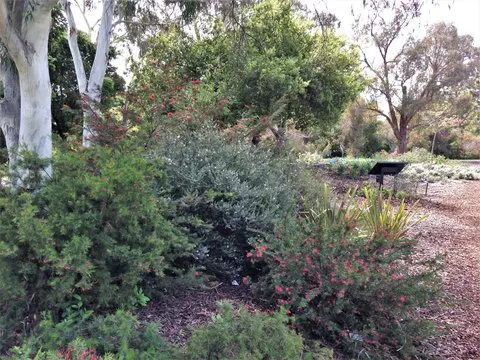
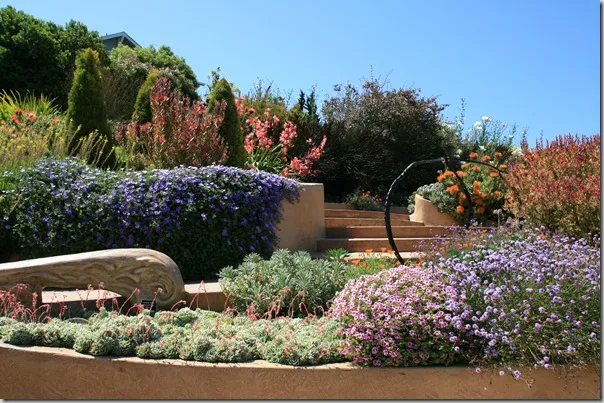
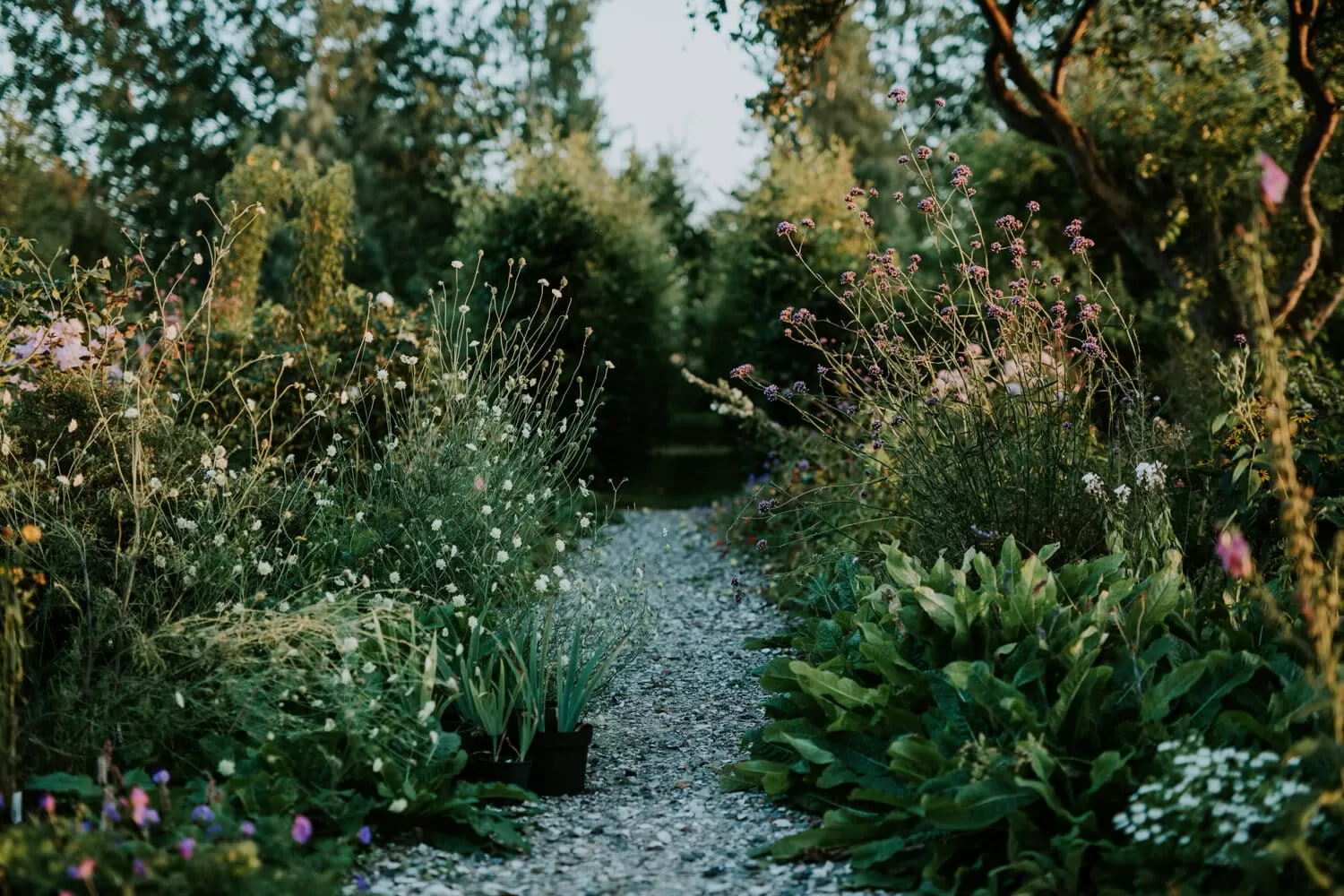
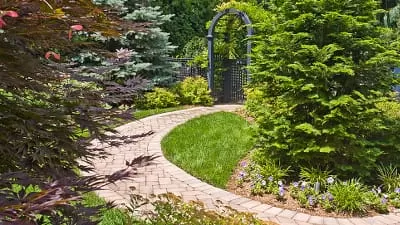 A charming gravel garden walkway winding through lush planting beds, showcasing a classic landscape path design.
Gravel Garden Paths: Classic Charm with a Crunchy Step
Gravel paths have been a staple in garden design for centuries, offering a timeless aesthetic that can range from formal and traditional to rustic and natural. The most popular type for paths is often “pea gravel,” small, rounded stones that feel somewhat softer underfoot than crushed varieties.
Pros of Gravel Paths:
- Durability & Longevity: Once installed correctly (often with a base layer), gravel is very durable and can last for many years. You simply top it up as needed.
- Aesthetic Versatility: Available in various colors and sizes, allowing you to match or contrast with your landscape style. Provides a classic, elegant, or even a modern look depending on the gravel type.
- Easy to Install & Refresh: Installation is relatively straightforward, and refreshing the path is as simple as adding a new layer of gravel every few years.
- Auditory Appeal: The satisfying crunch underfoot isn’t just charming; it can also offer a sense of security by announcing approaching visitors.
Cons of Gravel Paths:
- Migration: Gravel stones tend to migrate out of the path area, especially on slopes or in high-traffic spots, requiring regular raking to keep them in place.
- Needs Edging: A border is essential to contain the gravel and maintain a tidy edge. This adds an extra step and cost to installation.
- Uneven Surface: Can be challenging for wheelbarrows, strollers, wheelchairs, or anyone with mobility issues. High heels are also impractical.
- Can Be Uncomfortable: Smaller stones are better, but large gravel or crushed stone can be uncomfortable or even painful on bare feet.
- Weed Potential: While a good base layer and landscape fabric help, weeds can still sprout up through gravel paths, requiring regular weeding or herbicide application.
Mulch Garden Paths: Natural Softness and Organic Appeal
Mulch paths offer a softer, more naturalistic look and feel, blending seamlessly with garden beds and creating the impression of walking through a woodland floor. Mulch can be made from various organic materials like wood chips, bark, shredded wood, or even cocoa hulls.
Pros of Mulch Paths:
- Natural Aesthetic: Creates a soft, informal look that integrates beautifully with planted areas.
- Soft Underfoot: Comfortable to walk on, even barefoot.
- Good for Wheeled Objects: Generally easier to push wheelbarrows, strollers, and potentially wheelchairs over (if the mulch layer is stable and not too deep) than gravel.
- Affordable (Initially): Often one of the least expensive pathway materials, especially if you use recycled garden waste like shredded leaves or wood chips from tree trimming.
- Can Suppress Weeds: A thick layer of mulch can help suppress weed growth.
Cons of Mulch Paths:
- Needs Frequent Refreshing: Organic mulch decomposes over time, requiring you to add new material annually or even more often to maintain depth and appearance.
- Can Scatter: Like gravel, mulch can be kicked or washed out of place, especially on slopes or curves, though perhaps less dramatically than small stones.
- Prone to Fading & Decomposition: Color fades over time due to sun exposure, and the decomposition process can lead to fungal growth or a musty smell in damp conditions.
- Attracts Insects: Depending on the type, mulch can attract termites, ants, or other insects, which might be a concern if the path is close to your home’s foundation.
- Needs Edging: Similar to gravel, edging helps maintain a clean line and prevent mulch from scattering into beds, although less crucial if the path borders deep planting beds.
Making the Right Choice: Factors to Consider
When weighing Gravel vs Mulch Paths, think about these key aspects:
- Budget: While both are relatively inexpensive, consider the long-term cost. Gravel might cost slightly more upfront (especially with base prep and edging) but requires less frequent material purchase than mulch, which needs regular topping up.
- Maintenance Tolerance: Are you prepared for raking gravel back into place and occasional weeding, or would you rather deal with refreshing a mulch layer and potentially fungal growth? Both require some form of edging maintenance.
- Aesthetic Goal: Do you prefer the classic, potentially formal look of gravel or the soft, natural feel of mulch?
- How You’ll Use the Path: Will people walk on it barefoot? Do you need to frequently use a wheelbarrow or stroller? Consider the path’s primary function and who will be using it.
- Environmental Conditions: Is your garden prone to dampness (might favor gravel over mulch)? Are strong winds common (might scatter both, but especially lighter mulch)?
Conclusion
Choosing between Gravel vs Mulch Paths ultimately depends on your personal preferences, budget, the style of your garden, and how you intend to use the walkway. Gravel offers durability and a classic, low-maintenance (in terms of material replacement) option, though it requires good edging and isn’t ideal for wheeled traffic or bare feet. Mulch provides a soft, natural, and initially affordable path that’s comfortable to walk on, but it requires more frequent refreshing due to decomposition.
Consider walking samples of each material at a local garden center, think about the sounds and textures you prefer, and visualize how each would look winding through your landscape. Whichever you choose, a well-designed garden path will enhance your enjoyment of your outdoor space for years to come.
Have you installed a gravel or mulch path in your garden? Share your experiences and tips in the comments below!