- Bring the beauty and aroma of Greece to your balcony or patio with simple container gardening.
- Learn how to choose the perfect plants – from fragrant herbs to vibrant blooms – that thrive in pots.
- Discover the secrets to successful Mediterranean container care, focusing on the classic terracotta look.
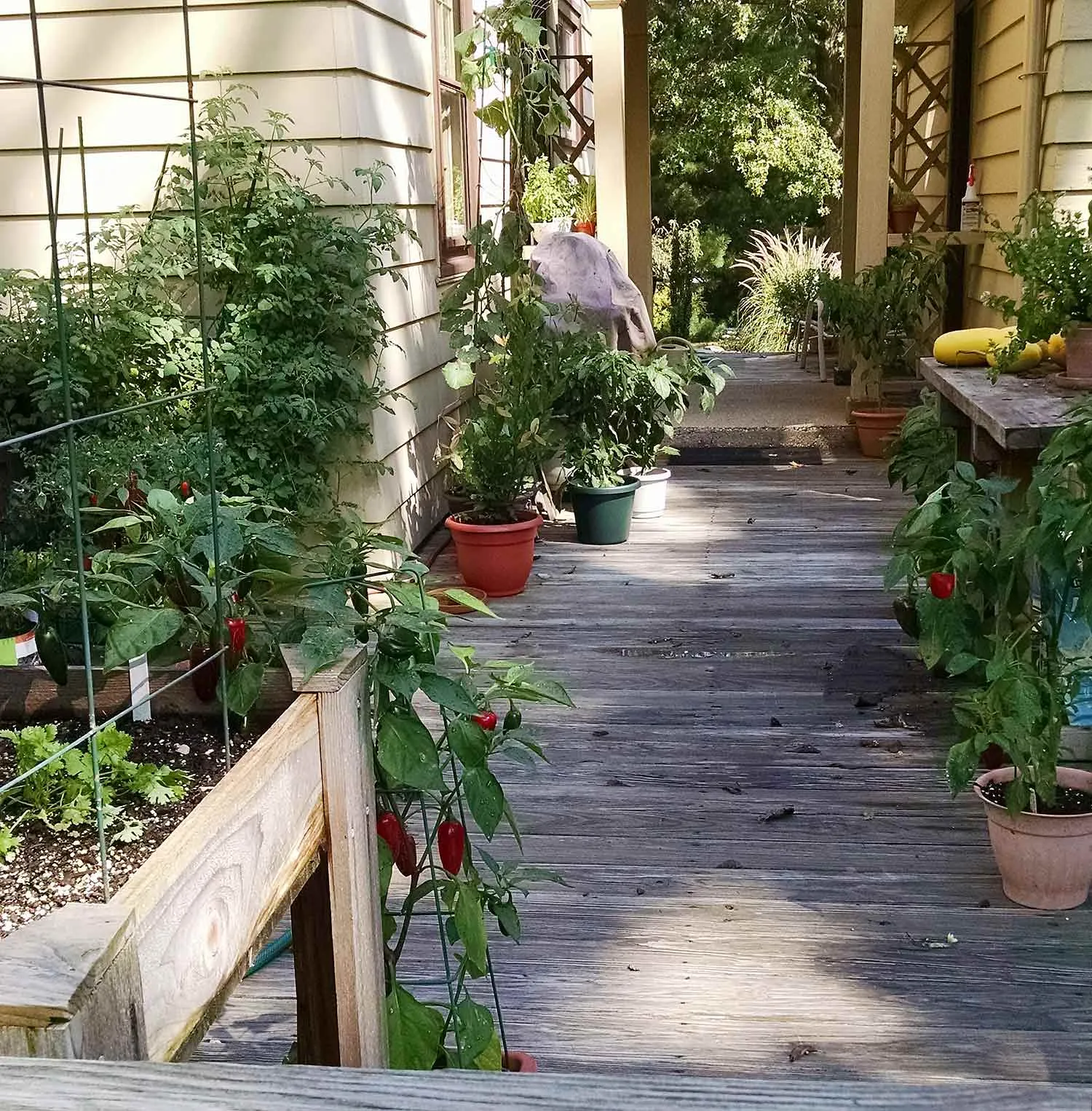
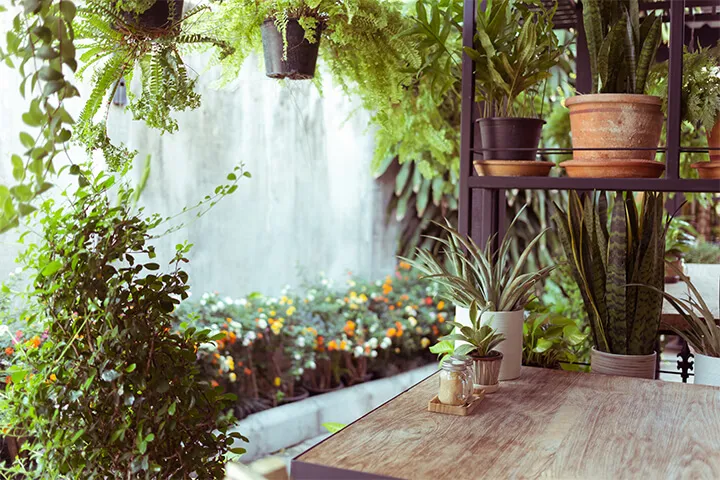
Imagine the sun-drenched terraces of the Greek islands, bursting with vibrant flowers and fragrant herbs spilling from rustic pots. You don’t need a sprawling landscape to capture this enchanting beauty. With a few carefully chosen plants and classic containers, you can create stunning Greek-style container gardens right on your balcony, patio, or even a sunny windowsill. These gardens are not just visually appealing; they connect you to a rich culinary tradition and evoke a sense of relaxed, Mediterranean living.
Why Go Greek with Your Containers?
Choosing a Greek-style approach for your container garden offers several delightful advantages. It’s about simplicity, texture, and working with plants that naturally thrive in sunny, often dry conditions. This style often emphasizes terracotta pots, which breathe beautifully and give that authentic, earthy feel. It’s also inherently practical, often focusing on useful plants like culinary herbs, alongside cheerful, resilient flowers.
Essential Plants for Your Greek Garden Pots
The heart of a Mediterranean garden lies in its plant selection. Think drought tolerance, sun-loving varieties, and plants that offer both beauty and utility.
Fragrant Herbs: The Soul of Mediterranean Cooking
No Greek-style garden is complete without the aromas of classic Mediterranean herbs. Planting them in pots keeps them contained and readily accessible for cooking.
- Greek Oregano
- Scientific Name: Origanum vulgare
- Common Name: Greek Oregano, Wild Marjoram
- Zone: 4-9
- Light: Full sun
- Humidity: Low to moderate
- Water: Low (let soil dry out between waterings)
- Rosemary
- Scientific Name: Salvia rosmarinus (formerly Rosmarinus officinalis)
- Common Name: Rosemary
- Zone: 7-10 (can be overwintered indoors in colder zones)
- Light: Full sun
- Humidity: Low
- Water: Low to moderate (let soil dry out between waterings)
- Thyme
- Scientific Name: Thymus vulgaris (common thyme)
- Common Name: Thyme
- Zone: 5-9
- Light: Full sun
- Humidity: Low
- Water: Low (prefers dry conditions)
- Basil
- Scientific Name: Ocimum basilicum
- Common Name: Basil
- Zone: Annual (grows well in all zones during warm season)
- Light: Full sun to partial shade
- Humidity: Moderate
- Water: Moderate (keep soil consistently moist but not waterlogged)
These herbs not only smell divine but are essential for Greek cuisine, adding authentic flavor to everything from salads to grilled meats.
Colorful Blooms: Adding Vibrant Mediterranean Hues
Bring pops of color that evoke seaside villages and ancient ruins. Choose flowers that love the sun and don’t mind drying out a bit.
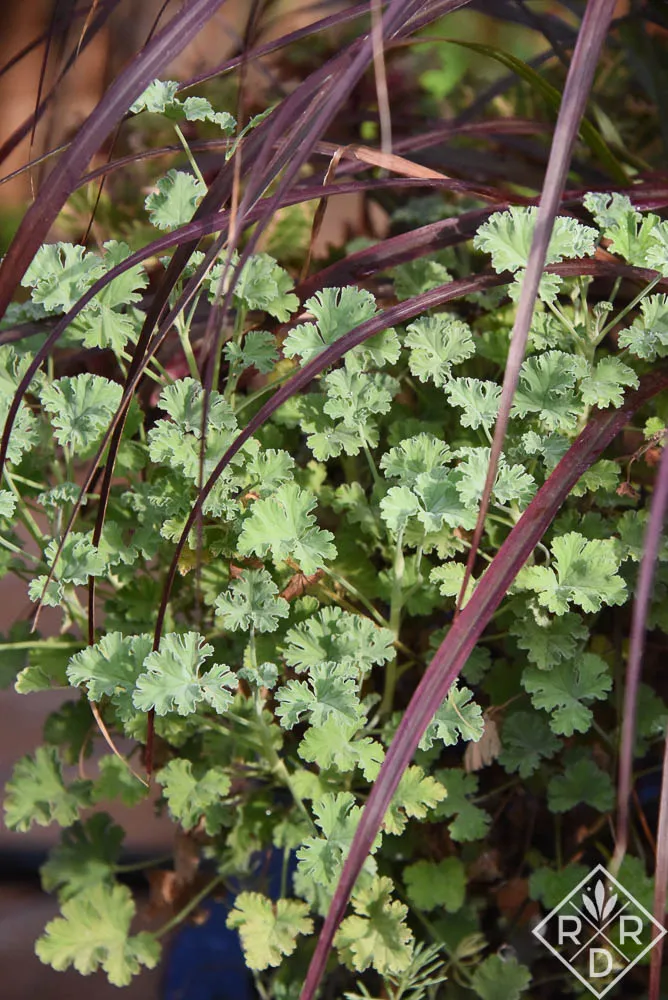
- Geraniums (Pelargoniums)
- Scientific Name: Pelargonium spp. (often zonal geraniums, P. x hortorum)
- Common Name: Geranium, Zonal Geranium
- Zone: 10-11 (typically grown as annuals elsewhere)
- Light: Full sun to partial shade
- Humidity: Low to moderate
- Water: Moderate (let soil surface dry between waterings)
- Bougainvillea
- Scientific Name: Bougainvillea spp.
- Common Name: Bougainvillea
- Zone: 9-11 (can be grown in pots and moved indoors in colder zones)
- Light: Full sun (essential for flowering)
- Humidity: Low to moderate
- Water: Low to moderate (prefers to dry out slightly between waterings; overwatering reduces blooms)
- Vinca (Periwinkle)
- Scientific Name: Catharanthus roseus (annual vinca) or Vinca minor/major (perennial periwinkle)
- Common Name: Annual Vinca, Periwinkle
- Zone: Annual (grows well in all zones during warm season)
- Light: Full sun
- Humidity: Moderate
- Water: Moderate (prefers consistently moist soil but tolerates some dryness)
 Assortment of clay pots, some containing a creamy white substance topped with a darker layer, arranged for display.
Small Trees and Edibles: Bringing Height and Harvest
For a more substantial feel or to add edible interest, consider larger plants suitable for containers.
- Dwarf Olive Tree
- Scientific Name: Olea europaea (dwarf varieties)
- Common Name: Olive Tree (dwarf)
- Zone: 8-10 (can be moved indoors in colder zones)
- Light: Full sun
- Humidity: Low
- Water: Moderate (allow soil to dry slightly between waterings)
- Container Tomatoes
- Scientific Name: Solanum lycopersicum (bush or dwarf varieties)
- Common Name: Tomato
- Zone: Annual (grows well in all zones during warm season)
- Light: Full sun (at least 6-8 hours)
- Humidity: Moderate
- Water: High (keep soil consistently moist)
These plants bring structure and potential harvests to your mini-Mediterranean landscape.
Choosing and Caring for Your Greek Containers
The container itself is a key part of the style, and terracotta is the iconic choice.
The Classic Choice: Terracotta Pots
Terracotta pots are breathable, allowing air and moisture to move through the walls, which is great for the roots of Mediterranean plants that dislike soggy feet. Their warm, earthy color is also perfect for the aesthetic. Just be aware that they dry out faster than plastic or glazed pots, which can be a benefit for drought-tolerant plants but requires more frequent watering for others, especially in hot weather. Always choose pots with drainage holes!
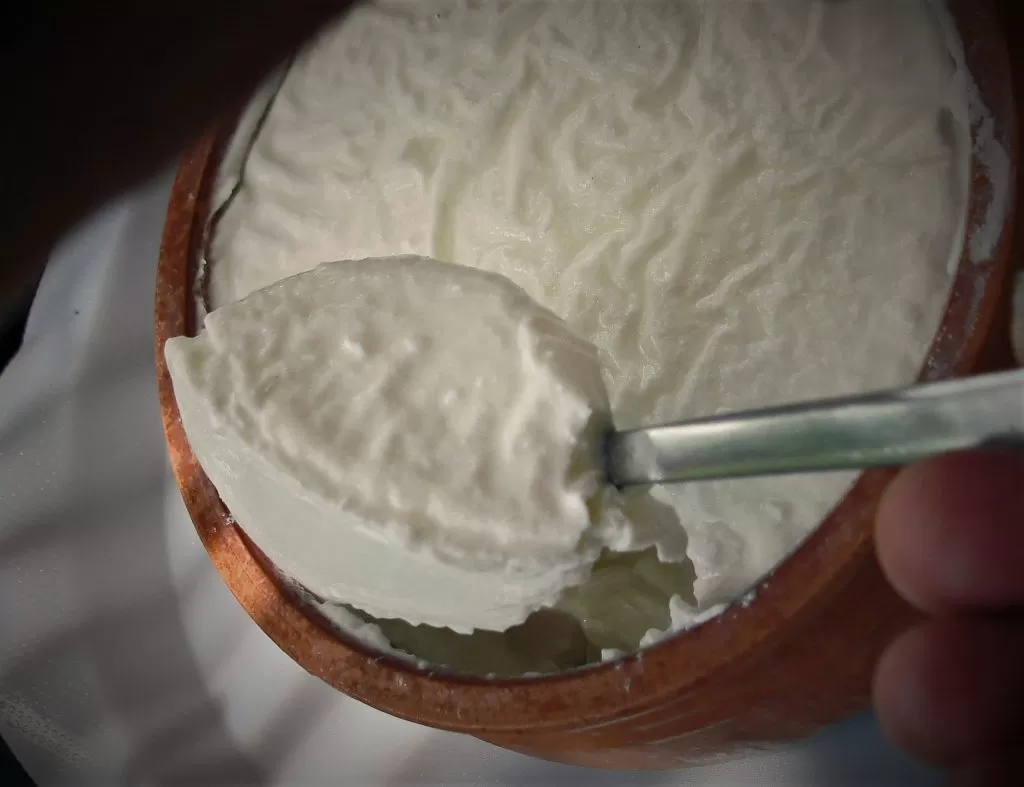 A large traditional terracotta bowl filled with thick, creamy yogurt, showing a distinct layer of fat or skin on the surface.
Watering Wisdom: Thriving in the Sun
Most plants suited for Greek-style gardens are adapted to dry summers. Overwatering is a common mistake. It’s generally better to let the soil dry out between waterings. Stick your finger about an inch or two into the soil – if it feels dry, it’s time to water. Water thoroughly until it drains from the bottom.
Soil Secrets: Drainage is Key
Good drainage is non-negotiable. Use a high-quality potting mix specifically designed for containers. Mixing in some perlite or coarse sand can further improve drainage, essential for Mediterranean herbs and flowering plants. Avoid heavy garden soil, which compacts easily in pots.
Designing Your Mediterranean Retreat
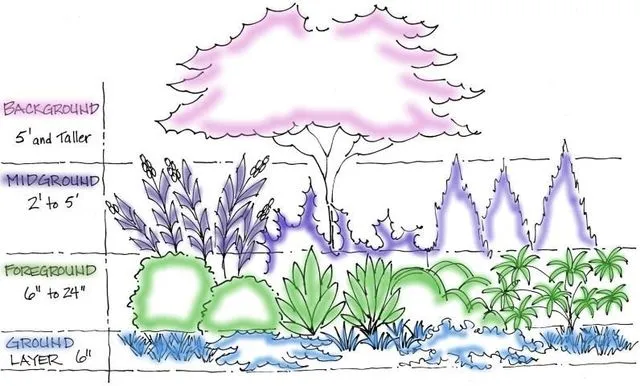
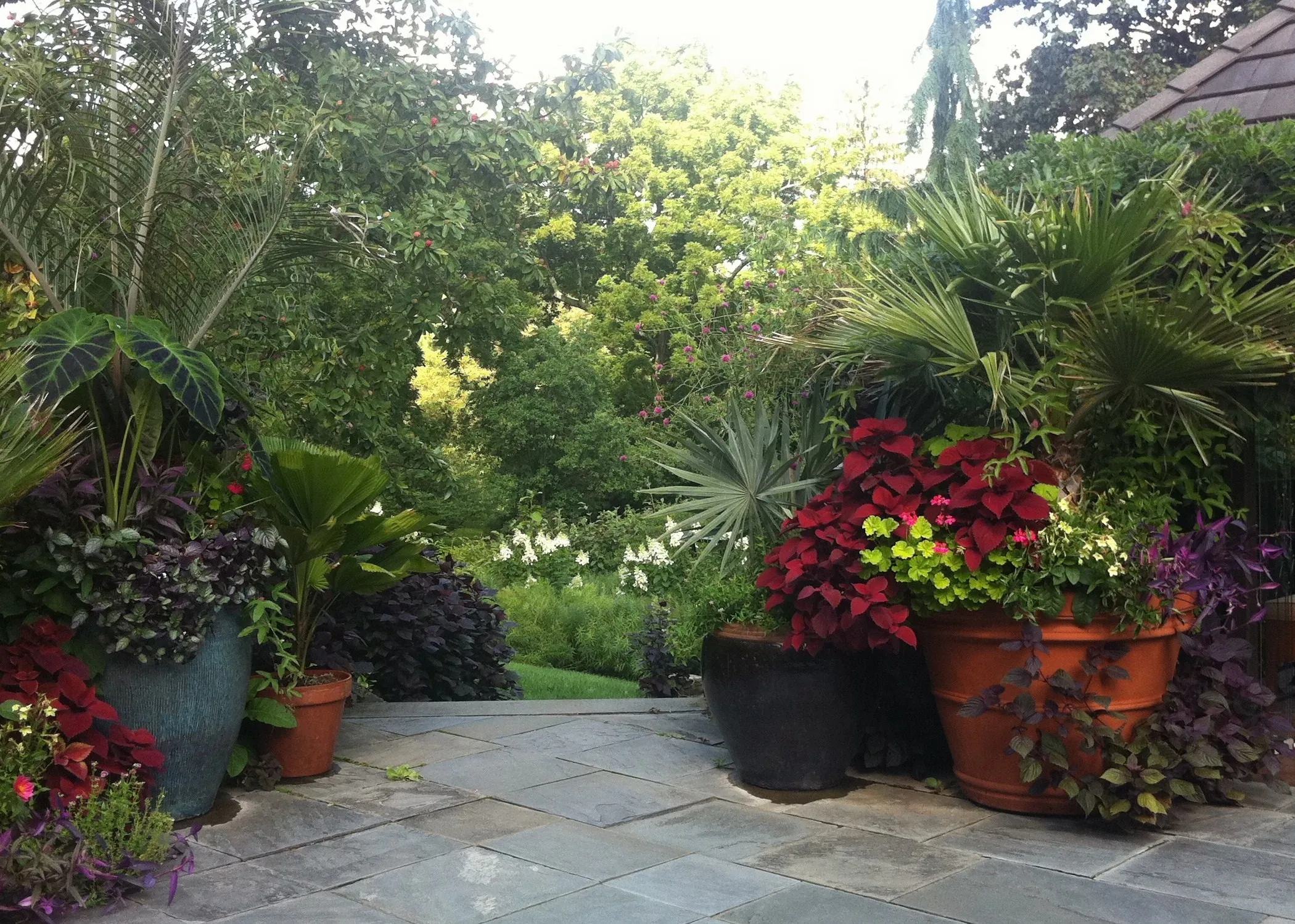
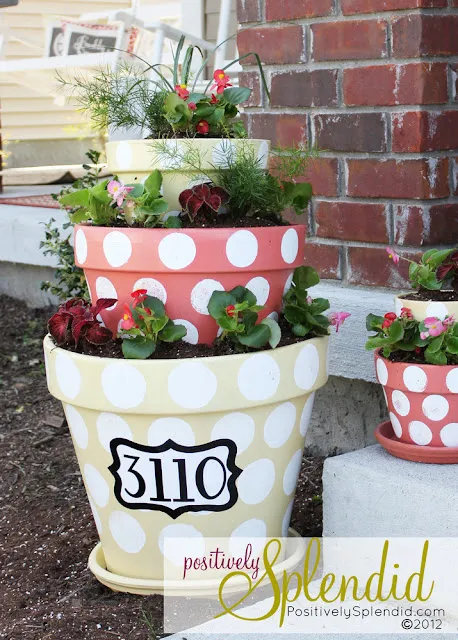
Arrangement matters! Group pots of different sizes and heights for visual interest. Place taller plants like dwarf olives at the back or center, with trailing plants like vinca spilling over the edges. Consider painting some pots or using gravel mulch on top of the soil for a finished, arid look. A small statue or a piece of blue pottery can add an extra touch of Greek charm.
Common Challenges and Simple Solutions
Most Mediterranean plants are quite resilient. The biggest issues tend to be related to improper watering (usually overwatering) or insufficient light. Ensure your plants get plenty of sun. Pests like aphids or spider mites can occasionally be an issue, but often a strong blast of water or insecticidal soap can manage them. For tender plants like geraniums or citrus, plan to bring them indoors or protect them during cold winter months if you live outside their hardiness zones.
Conclusion: Your Slice of Greece
Creating Greek-style container gardens is a rewarding way to bring a piece of the Mediterranean to your home. With their focus on classic terracotta, fragrant herbs, and vibrant, sun-loving flowers, these gardens offer beauty, aroma, and a touch of rustic elegance. They are relatively low-maintenance once established and provide a constant connection to delicious flavors and a relaxed way of life. Ready to cultivate your own sunny retreat? Share your plans in the comments below, or explore more ideas for bringing global garden styles to your space!