- Green walls, or vertical gardens, are living works of art for any space.
- They offer surprising benefits like saving energy and cooling your home.
- Different types exist, from simple climbing facades to lush living panels.
- You can grow a variety of plants, even fresh herbs and veggies!
- They improve air quality and can even reduce noise.
Have you ever looked at a blank wall and wished it was alive with color and texture? Or perhaps you live in a small space and dream of more greenery? Welcome to the world of green walls, also known as vertical gardens! These aren’t just decorative features; they are dynamic, living systems that can transform your home and garden, offering a wealth of environmental and personal benefits. Imagine stepping into an urban oasis, right in your own home or backyard, created simply by growing UP! As your guide from The Little Garden, I’m thrilled to show you how green walls can unlock a whole new dimension in your gardening journey.
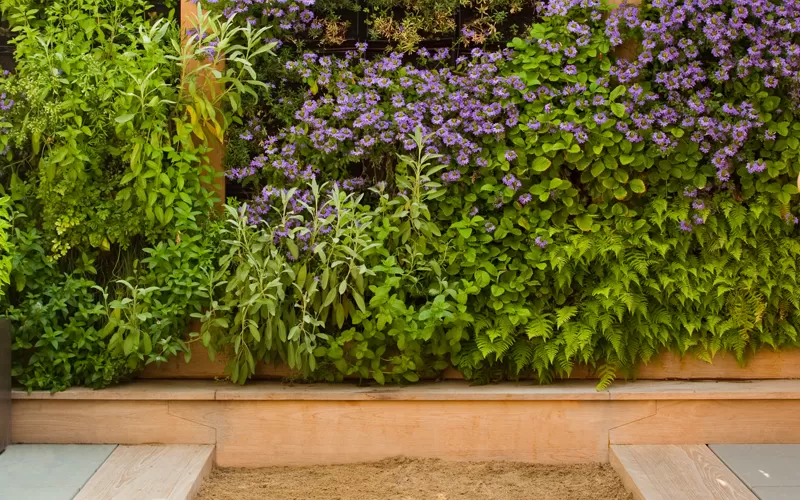 Lush green wall with diverse plants above a children's sandbox in a residential garden
What Exactly Are Green Walls? (Beyond Just Pretty Plants)
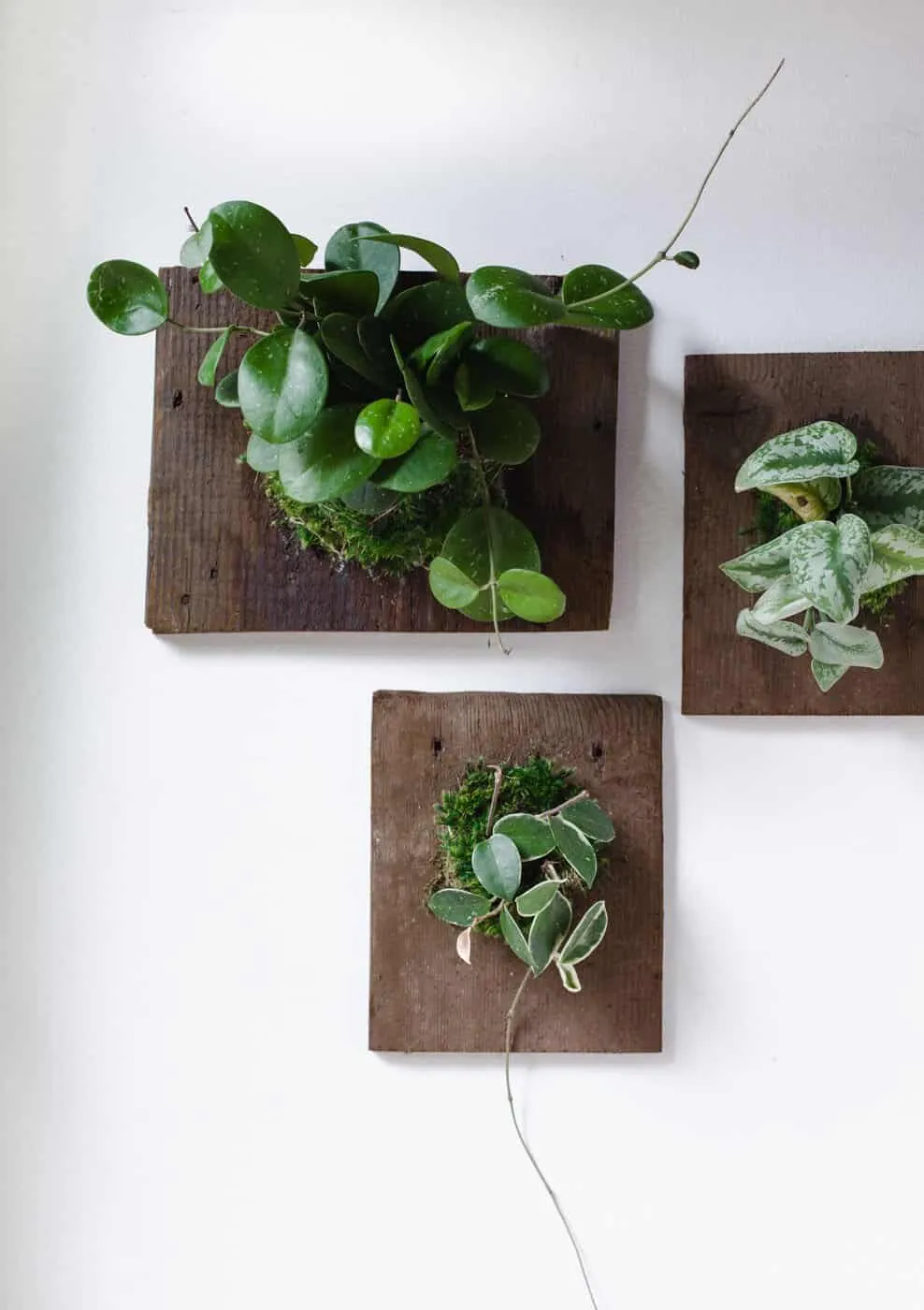
Think of a green wall as a garden turned on its side. Instead of planting horizontally in the ground or pots, you’re creating a vertical surface covered in vegetation. These living walls can be installed indoors or outdoors, bringing the beauty and benefits of nature into unconventional spaces. They range from simple structures supporting climbing plants to complex systems with irrigation built-in, supporting a diverse array of flora.
Not All Green Walls Are Created Equal: Types to Consider
While the term “green wall” is often used broadly, there are two main types you’ll encounter, each with its own style and suitability:
Green Facades
These are the simplest form of vertical greenery. They involve plants, usually climbing vines or cascading species, rooted in a soil bed at the base of a structure. The plants then grow up and are supported by a frame, trellis, or cables attached to the wall. Green facades are excellent for covering large exterior walls and creating a natural, lush look as the plants mature. They offer great shading benefits but tend to have less plant diversity than living walls.
Living Walls
Living walls are more complex, typically using pre-vegetated panels, modules, or felt systems attached directly to a wall or a free-standing structure. Plants are often grown off-site or planted directly into the system’s media. This method allows for a much greater variety and density of plants, creating truly dynamic tapestries of foliage and color. Living walls often require more complex irrigation systems due to the nature of the growing media.
Both types can be free-standing features or attached to existing buildings, offering flexibility in design and placement. There are even specialized retaining living walls designed to stabilize slopes while adding greenery.
Why Go Vertical? The Incredible Benefits of Green Walls
Installing a green wall is more than just a design choice; it’s an investment in your home, well-being, and the environment.
Boosting Energy Efficiency and Cooling Your Home
This is one of the powerhouse benefits! Green walls act like a natural blanket for your building. By shading the wall surface, especially in hot climates, they significantly reduce the amount of heat absorbed. This can lead to lower indoor temperatures, reducing the need for air conditioning. Studies show green walls can lower temperatures directly behind them by as much as 10°C and reduce energy costs related to cooling by a significant amount – up to 23%! Imagine saving money on your energy bills while enjoying a cooler, greener home.
Reducing Noise Pollution
In busy urban environments or even just noisy neighborhoods, green walls can make a noticeable difference. The plants and the growing medium help to absorb and deflect sound waves, reducing noise reflection and creating a quieter, more peaceful atmosphere both inside and outside your home.
Improving Indoor Air Quality
Bringing plants indoors is well-known for its air-purifying qualities, and a green wall takes this to the next level. Plants filter airborne pollutants and release oxygen, creating a healthier indoor environment. It’s like having a natural air filter that’s also beautiful to look at!
Protecting Your Building’s Structure
Temperature fluctuations can cause stress on building materials over time. Green walls help to stabilize the temperature of the wall surface they cover, protecting the façade from extreme heat and cold and potentially extending its lifespan.
Choosing the Right Plants for Your Green Wall
The joy of a green wall is that it can be tailored to your specific tastes and conditions. You can design walls for a variety of plant types, depending on whether your wall will be in sun or shade, indoors or outdoors, and the climate you live in.
Consider succulent green walls for sunny, dry areas (indoors or out), or lush tropical foliage for shadier, humid spots. You can even create edible green walls using herbs, strawberries, or leafy greens, bringing your kitchen garden right to your door or even indoors!
Remember to always consider your local climate and humidity levels when selecting plants. Matching the plant’s needs to the wall’s environment is key to a thriving vertical garden.
Bringing Your Green Wall to Life: Essential Tips
While the system might seem complex, creating and maintaining a green wall is achievable with a little planning and care.
- Watering: This is crucial. Many living wall systems have built-in irrigation. For simpler setups, ensure plants get adequate, but not excessive, water. Consider the specific needs of your chosen plants.
- Light: Match your plant selection to the light conditions of the wall. Full sun plants won’t thrive in deep shade, and vice versa. Supplemental lighting might be needed for indoor green walls.
- Feeding: Plants in limited growing media may need regular feeding with a balanced liquid fertilizer to stay healthy and vibrant.
- Maintenance: Regular trimming helps keep the wall looking tidy and encourages new growth. Also, check for pests and diseases periodically.
Starting small, perhaps with a simple panel or a few containers on a trellis, can be a great way to gain confidence before tackling a larger project. The satisfaction of watching your wall come to life vertically is incredibly rewarding!
Ready to Go Vertical?
Green walls are a fantastic way to maximize space, enhance your home’s beauty and efficiency, and connect more deeply with nature, even in the most urban settings. From energy savings to improved air quality, the benefits are clear. As you embark on your vertical gardening journey, remember the principles of light, water, and plant selection, and don’t be afraid to get creative!
Have you dreamt of a green wall? What plants would you choose for your vertical masterpiece? Share your ideas in the comments below! And be sure to explore more gardening tips and inspiration right here at Thelittle.garden.