- Effortlessly design stunning flowerbeds with a flower garden planner.
- Visualize your dream garden before planting a single seed.
- Discover tips and tricks for creating breathtaking flower combinations.
- Learn how to plan for annuals, perennials, and container gardens.
A flower garden planner is a gardener’s secret weapon, transforming visions of vibrant blooms into reality. Whether you’re a seasoned green thumb or just starting out, a flower garden planner empowers you to create stunning flowerbeds with ease and confidence. Let’s explore how this invaluable tool can elevate your gardening game.
Designing a Flowerbed: A Step-by-Step Guide
Using a flower garden planner is remarkably simple. Here’s a step-by-step guide to get you started:
-
Create a New Garden: Open your chosen flower garden planner and create a new garden. Start with a larger size than you anticipate needing – you can always adjust later. Name your garden to keep things organized.
-
Select Your Flowers: Browse the plant selector, filtering by “Flowers”. Refine your search further by choosing “Annuals” or “Perennials”, depending on your preference.
-
Experiment with Placement: Click and place your chosen flowers within the digital garden space. Don’t worry about perfect placement initially; this is the time to experiment! Use the information provided within the planner to learn about each plant’s needs and characteristics.
 alt text
-
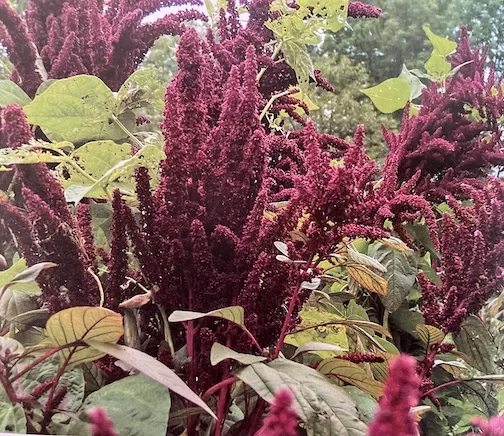
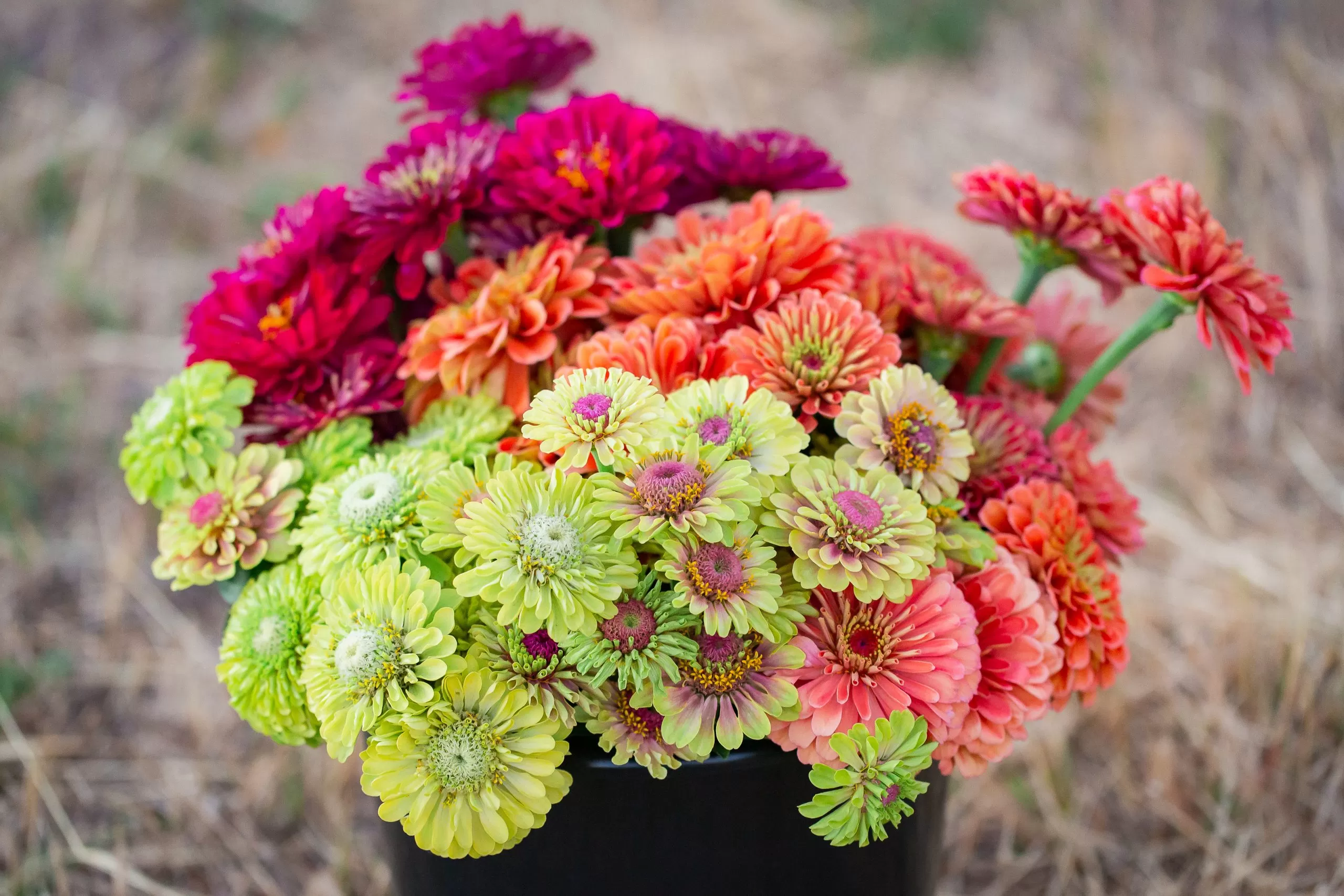
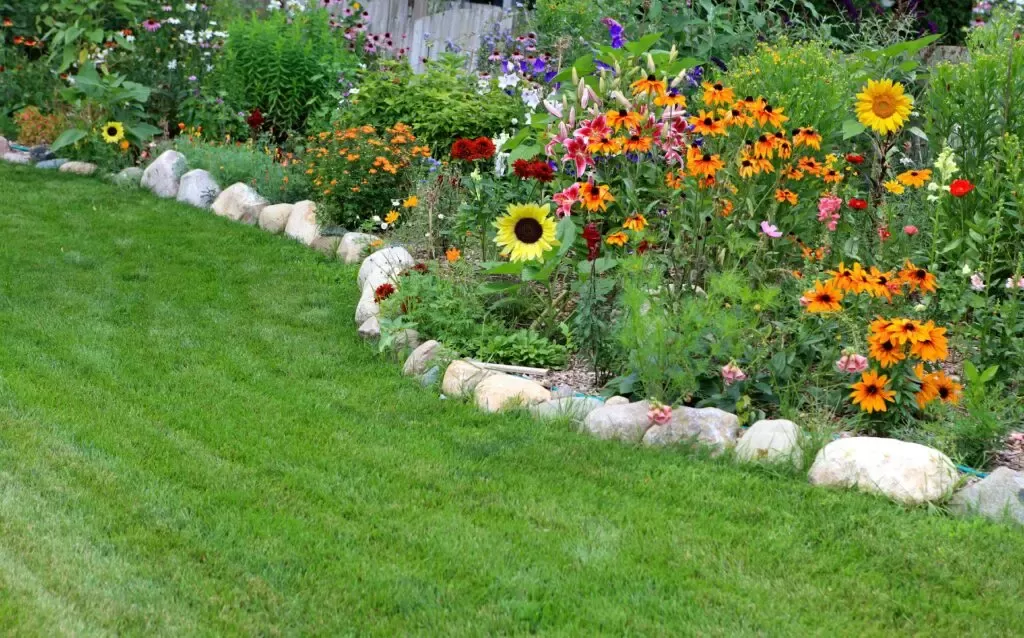
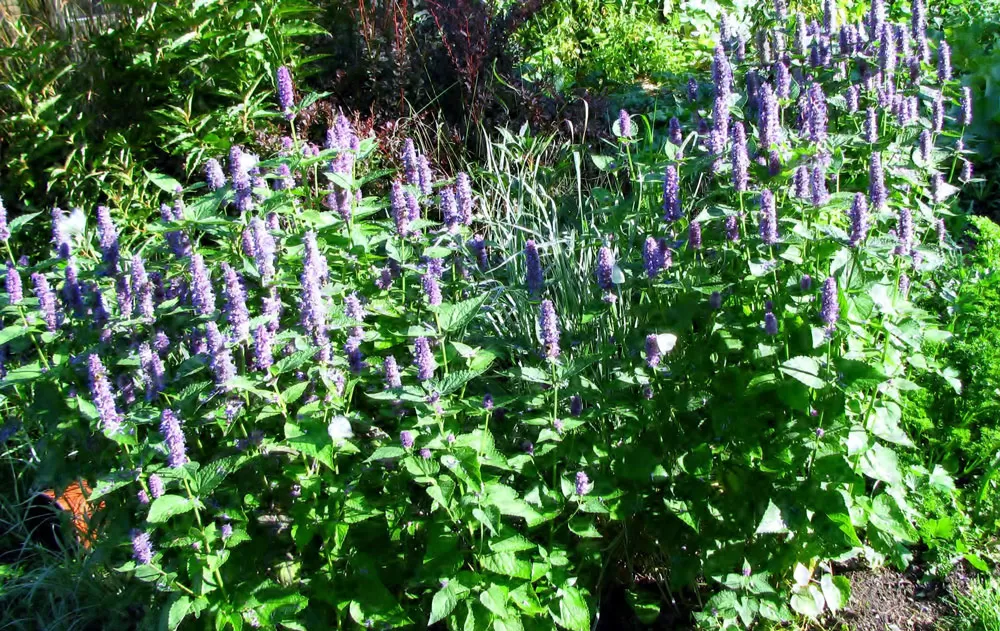
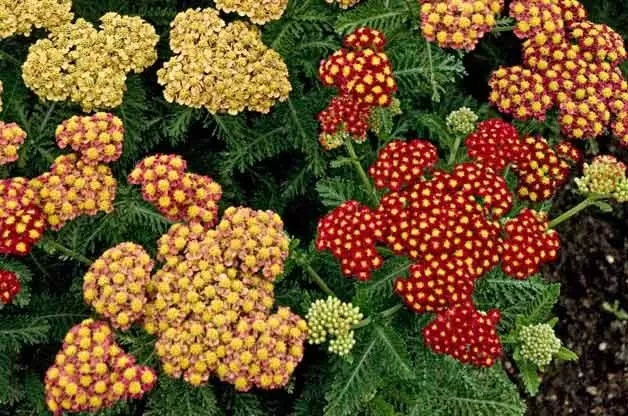
Consider Flower Form: As you arrange your flowers, pay attention to their form. Balance the abundance of flat, daisy-like blooms with spiky flowers like celosia, gladiolus, salvia, and sage for visual interest.
-
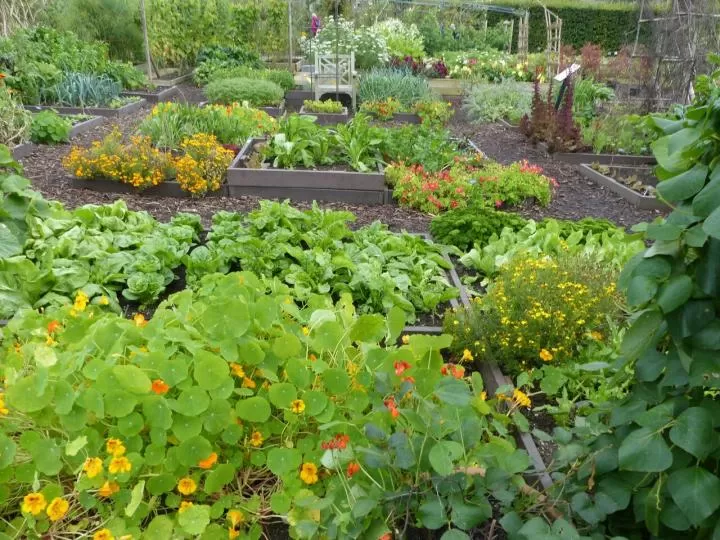
Think About Viewing Angles: Consider the primary viewing angles of your flowerbed. Will it be seen from afar or up close? Layer plants with the tallest in the back and the shortest in front for maximum impact.
-
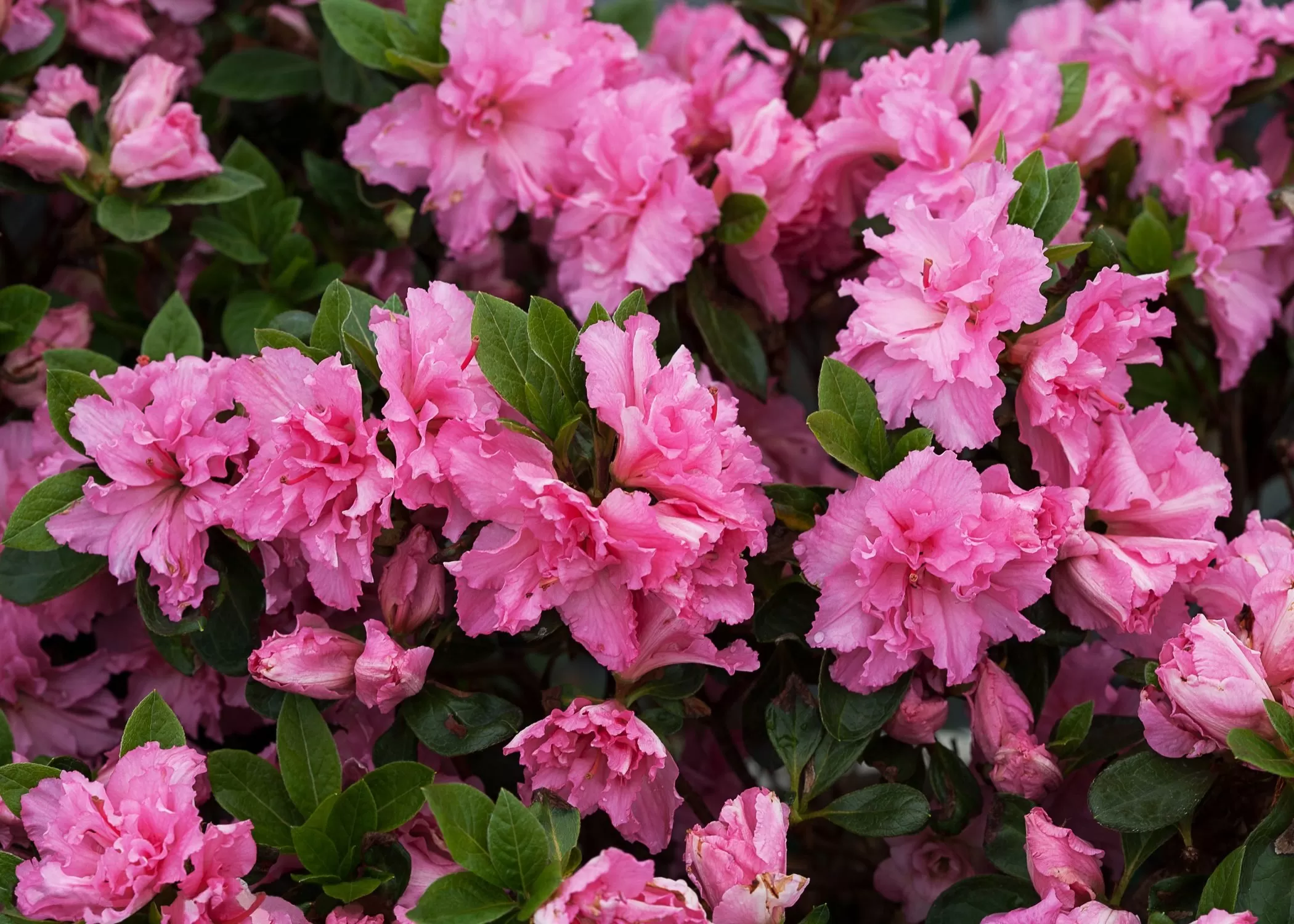
Color Coordination: Choose a color scheme that complements your overall garden design and personal preferences. Soft pastels create a tranquil atmosphere, while bold colors make a statement. Don’t be afraid to experiment!
alt text
Perennial Flowerbed Planning
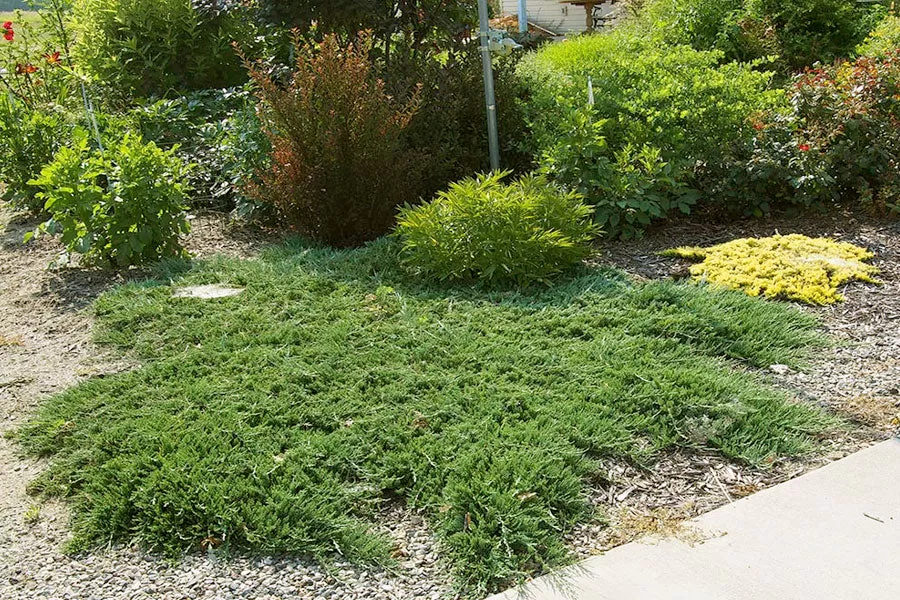
A flower garden planner is especially helpful when designing perennial flowerbeds. It allows you to visualize the long-term growth and placement of your perennials, ensuring a beautiful and cohesive design year after year. Use placeholder icons for plants not yet in the planner’s database.
alt text
Container Garden Design
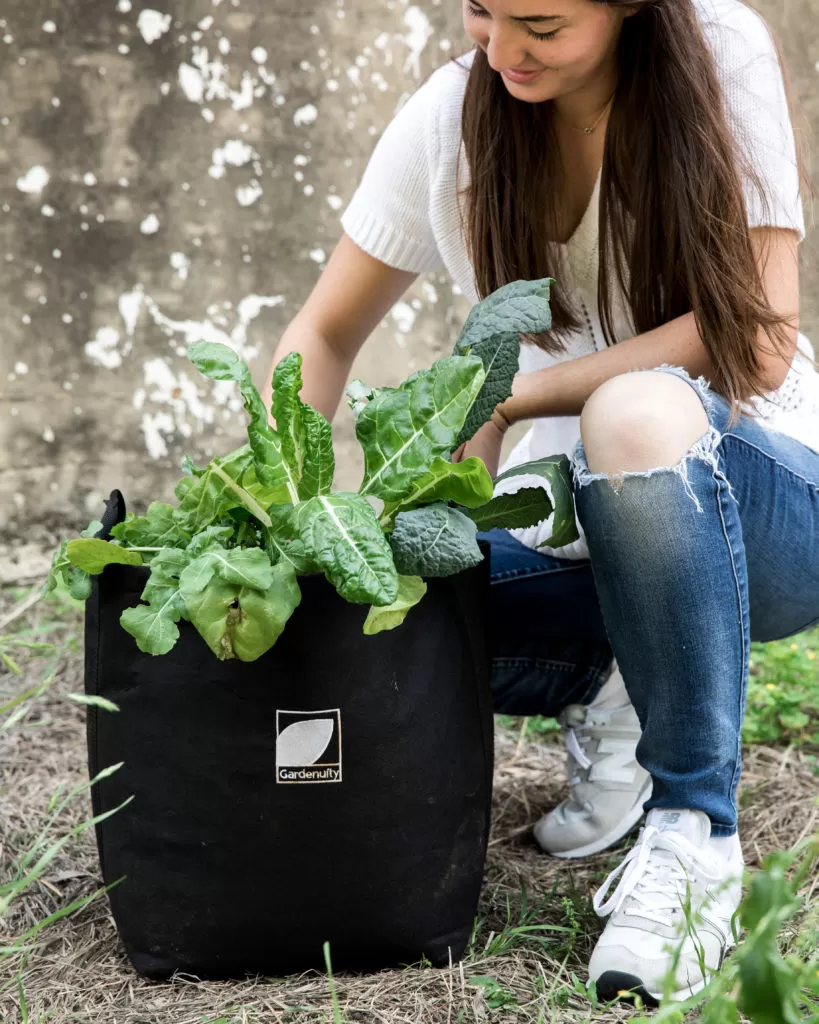
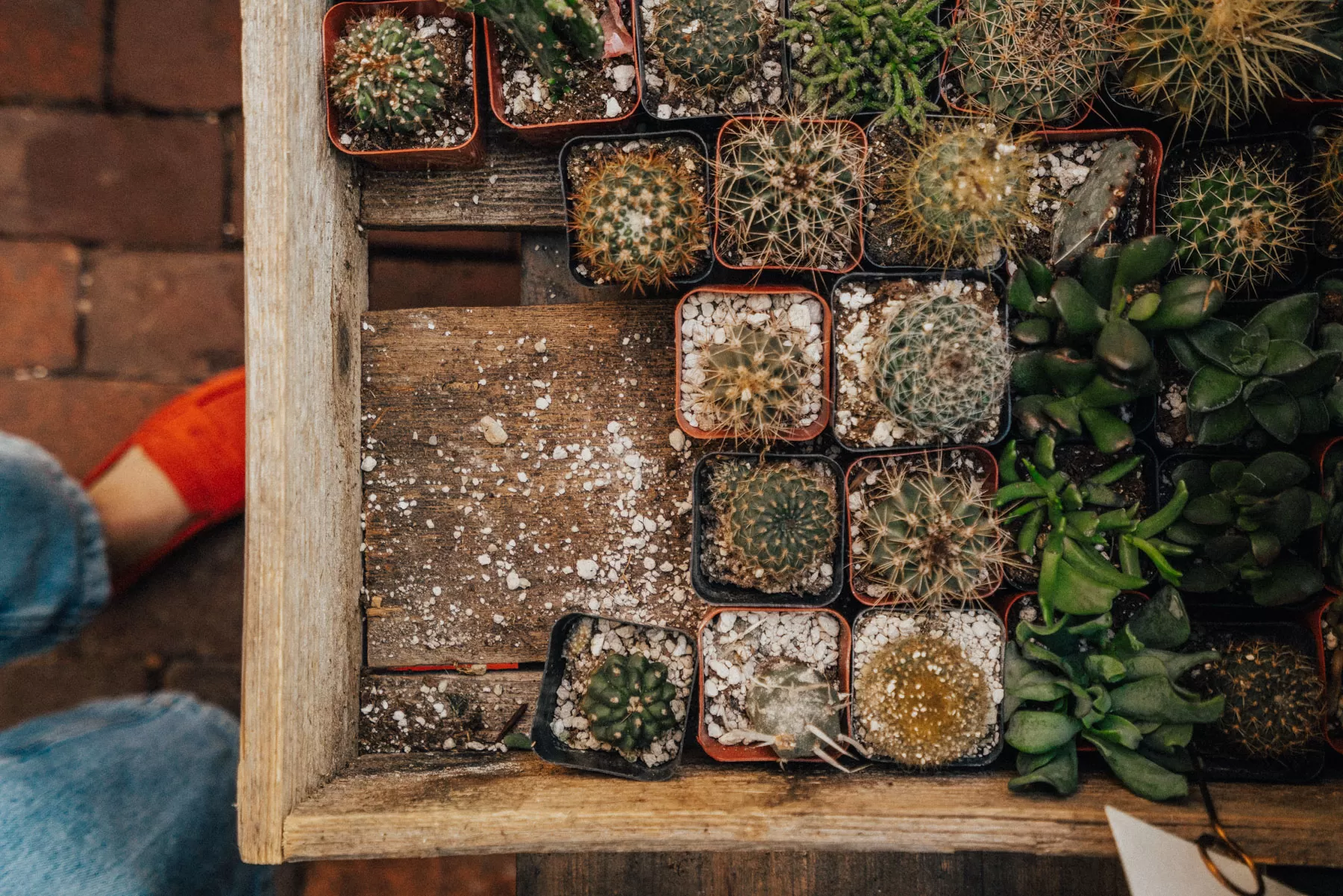
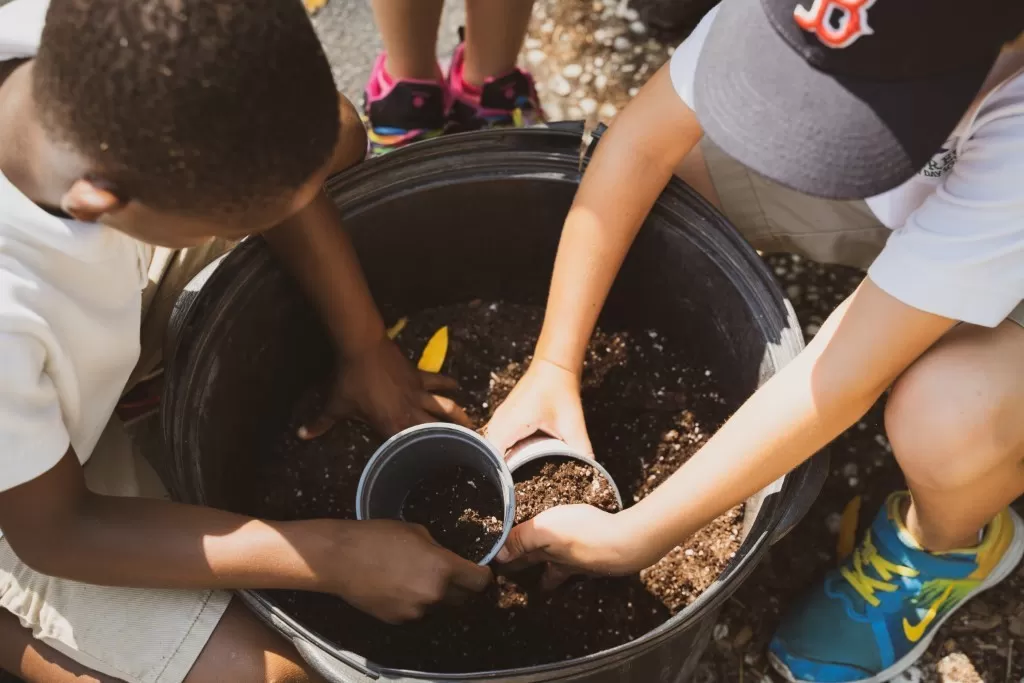
The planner also excels at designing container gardens. Treat your container like a miniature border, carefully selecting plants that complement each other in color, texture, and size. The planner allows you to visualize the final arrangement, ensuring a stunning display.
alt text
Sharing Your Garden Plans
Many flower garden planners offer the ability to share your designs with others. This is particularly useful for collaborative gardening projects or simply sharing your creations with fellow gardening enthusiasts.
alt text
Conclusion
A flower garden planner is a powerful tool for gardeners of all levels. It simplifies the design process, allowing you to create beautiful and thriving flowerbeds with confidence. From visualizing plant combinations to planning for long-term growth, a flower garden planner helps you unlock your inner garden designer and bring your dream garden to life. Share your gardening experiences and tips in the comments below! We’d love to hear your stories.