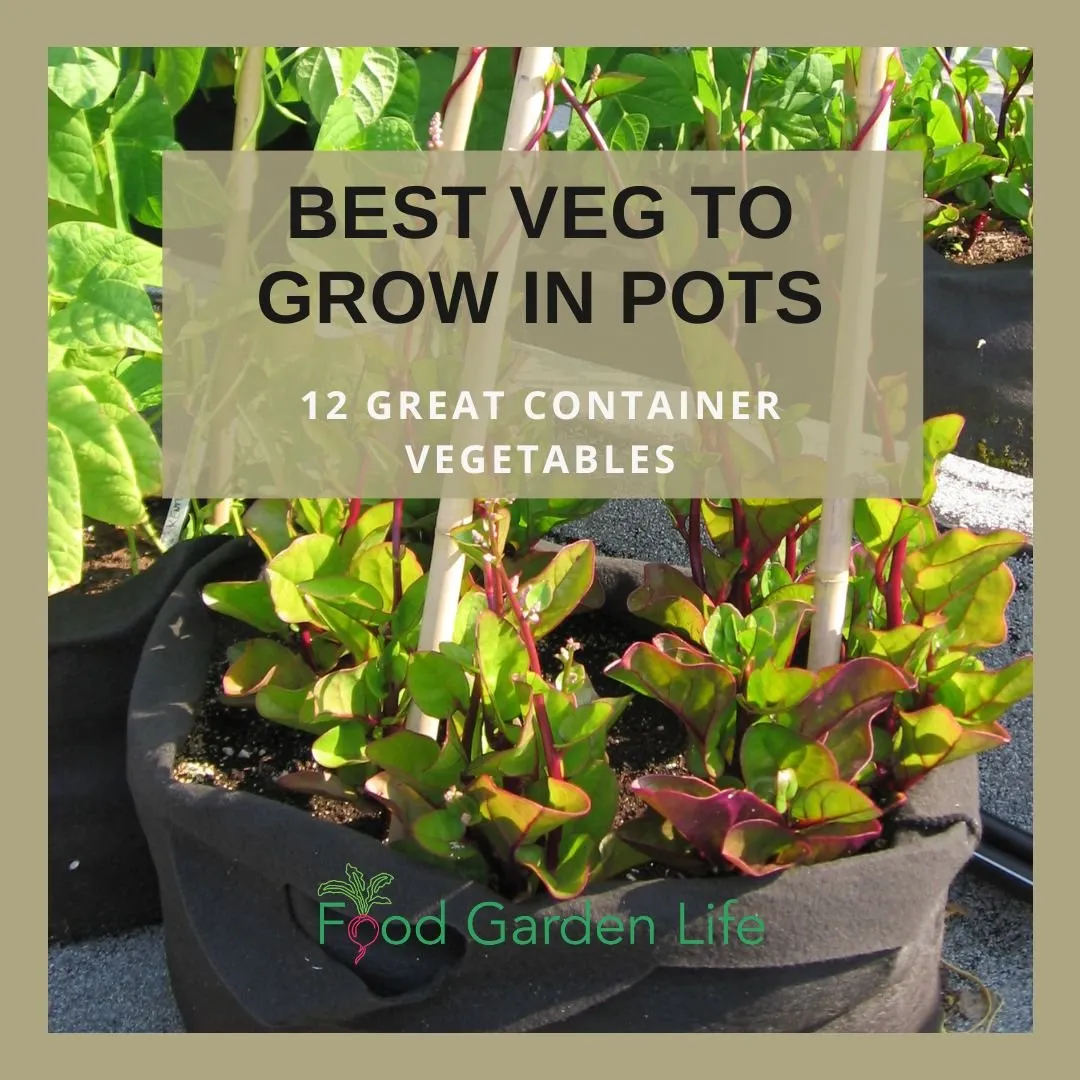
Header image featuring Malabar spinach and other container vegetables, perfect for warm-season growing in pots.
Welcome to Thelittle.garden! As your guide in the world of home gardening, I’m thrilled to share how you can transform even the smallest sunny spot into a vibrant, productive vegetable patch. My journey into container gardening started years ago, in a small apartment with limited yard space. Armed with just a few pots and a passion for fresh food, I discovered the incredible satisfaction of nurturing plants and harvesting delicious vegetables right outside my door. This experience completely changed my perspective – container gardening isn’t just a compromise; it’s a fantastic way to grow! Today, I want to focus on a particularly rewarding niche: growing dwarf vegetables in containers for summer harvests. These compact powerhouses are perfectly suited for pots, offering generous yields without taking over your space, and many thrive in the summer heat. Let’s dive in and get your summer garden growing!
Growing vegetables in pots offers undeniable advantages, especially when space is limited or soil conditions are poor. For summer harvests, containers shine because they warm up faster in spring, giving heat-lovers a head start. During peak summer, you can strategically move pots to optimize sun exposure or provide a little afternoon shade if needed. Choosing dwarf varieties amplifies these benefits.
Before we look at specific vegetables, here are some golden rules for getting the most out of your potted mini-garden, especially for summer:
Size matters! While dwarf plants are small, their root systems still need adequate space. A pot that’s too small dries out too quickly in summer heat and restricts growth. Aim for pots at least 8-10 inches in diameter for smaller plants and 12+ inches for larger ones like dwarf tomatoes or peppers. Ensure containers have drainage holes. Terra cotta looks great but dries out fast; plastic retains moisture better.
Don’t use garden soil; it compacts in pots. Use a lightweight, well-draining potting mix specifically designed for containers. A good mix provides aeration for roots and retains moisture while allowing excess water to escape.
Container plants dry out much faster than in-ground plants, especially in the summer sun and heat. Check soil moisture daily (or even twice daily during heatwaves) by sticking your finger about an inch deep. Water thoroughly until water drains from the bottom. Consistent moisture is key; erratic watering can lead to issues like blossom end rot in tomatoes and peppers. Using saucers underneath can catch overflow but shouldn’t be left full of water for extended periods.
Potting mix contains nutrients, but plants in containers use them up quickly as they grow and are watered. Begin feeding your plants with a balanced liquid fertilizer about 2-4 weeks after planting, following the product instructions. For flowering and fruiting plants, switch to a fertilizer higher in phosphorus once they start blooming to encourage harvests.
Most summer vegetables, including dwarf varieties, need at least 6-8 hours of direct sunlight per day for optimal growth and fruit production. Place your containers in the sunniest spot you have!
Here are some fantastic dwarf and compact vegetable varieties well-suited for containers and ready to produce for you throughout the summer.
While many tomato varieties sprawl, dwarf and determinate (bush) types are perfect for pots. Look for names like ‘Patio Princess’, ‘Tiny Tim’, ‘Micro-Tom’, or the ‘House’ tomato mentioned in the original article. These stay compact and often produce a heavy crop all at once, ideal for a summer bounty.
Peppers, both sweet and hot, absolutely love heat, making them prime candidates for sunny containers in summer. Many pepper varieties naturally have a bushy, compact habit ideal for pots.
While pole beans need vertical support, bush bean varieties are self-supporting and grow into compact mounds, perfect for filling space in larger containers or growing in smaller pots. They produce quickly, offering tasty summer snap beans.
Eggplant thrives in warm conditions and is a stellar choice for a sunny container. Many varieties are naturally compact or have “patio” versions bred for pots. Their attractive foliage and purple or white fruits add ornamental value too.
Even root vegetables can be container stars! While long carrots need deep pots, round or short-rooted varieties like ‘Paris Market’ are ideal for shallower containers. Carrots are great for continuous harvest by sowing seeds every few weeks in summer.
Similar to carrots, beets can be grown in containers for both their roots and their edible greens. Varieties like ‘Bulls Blood’ are particularly prized for their colourful foliage, making them a dual-purpose beauty for your summer container display.
For leafy greens that won’t bolt in summer heat like lettuce or spinach, Swiss Chard is your champion! It’s incredibly heat-tolerant, comes in stunning colours, and provides a continuous harvest of nutritious leaves throughout the summer and into fall.
Looking for a heat-loving spinach substitute? Malabar spinach isn’t true spinach but thrives in summer heat when traditional spinach wilts. It’s a vining plant, but can be grown to trail over the sides of a container or given a small support.
Another heat enthusiast! Okra is a striking plant with beautiful flowers and unique pods. While it can get tall, some varieties are more compact, and growing it in a container can help manage its size. It absolutely loves hot summer conditions.
While not strictly “dwarf,” some potato varieties and specific container methods make them suitable for pots. Using pots with side access allows for “stealing” new potatoes throughout the summer without digging up the entire plant. Start with a few seed potatoes in a large container, covering them with just a few inches of soil. As the plant grows, keep adding soil or compost to “earth up” the stems, where new potatoes will form.
Growing in containers means you are the sole provider of nutrients and water. Stay vigilant about watering, especially during hot, dry spells. Regularly fertilize with a dilute liquid feed to keep plants productive. Harvest vegetables frequently – this encourages many plants to produce more. Picking bush beans, peppers, and tomatoes regularly is key to a long and bountiful summer harvest. Watch for pests and diseases, which can sometimes spread quickly in confined container spaces, and address issues promptly.
Growing dwarf vegetables in containers for summer harvests is a rewarding way to enjoy fresh, homegrown produce, no matter how much space you have. By selecting suitable varieties, providing the right conditions, and staying attentive to their needs, you can look forward to plucking delicious vegetables from your pots all season long.
Do you have favorite dwarf varieties or container gardening tips for summer harvests? Share your experiences in the comments below! If you found this guide helpful, please share it with your fellow garden enthusiasts. And explore more content on Thelittle.garden to discover new ways to make your garden dreams blossom!
Key takeaways: Discover 5 enchanting flowers to create a magical fairy garden Learn the symbolic…
Watermelon Red Crape Myrtle is a classic, versatile tree with stunning pink-red blooms Grows 20-25…
Key Takeaways: Oriental lilies are prized for their large, fragrant blooms They thrive in well-draining…
Key takeaways: Amaranth is easy to grow in containers, perfect for beginners and experienced gardeners…
Vibrant, low-maintenance flowers for sunny spots Continuous color throughout summer Perfect for borders, ground cover,…
Here's how implementing no-dig techniques can transform your container gardening: Build Richer Soil: Layers of…