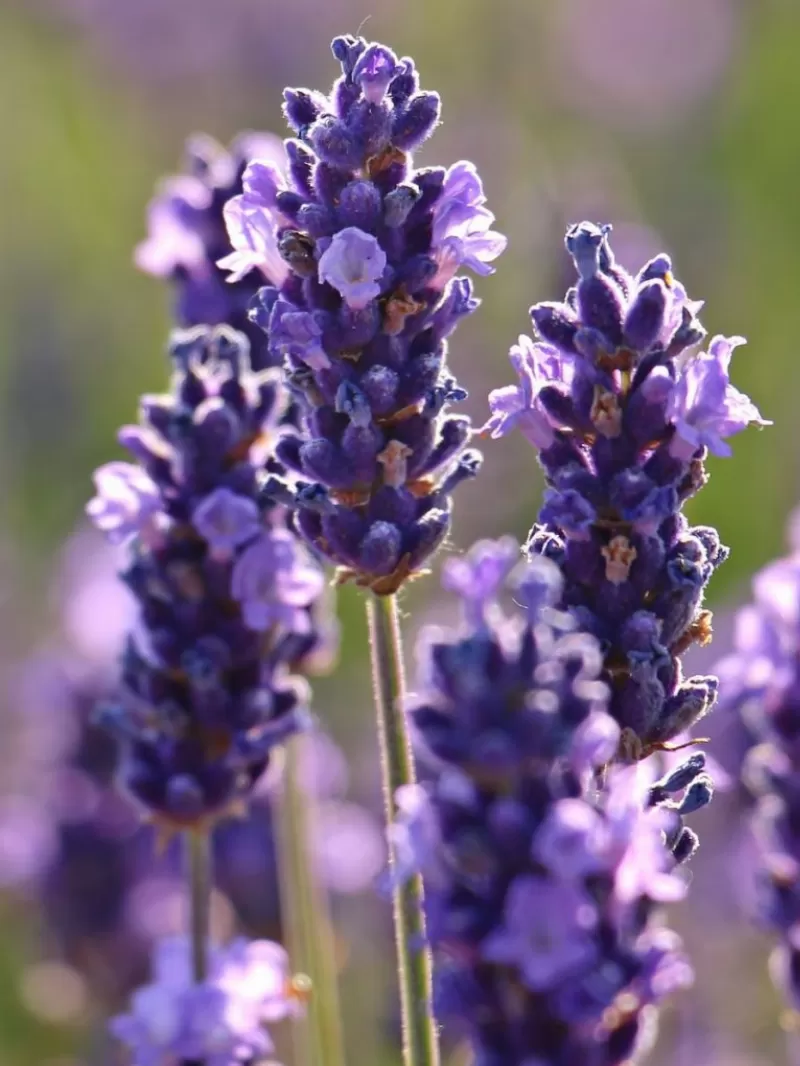
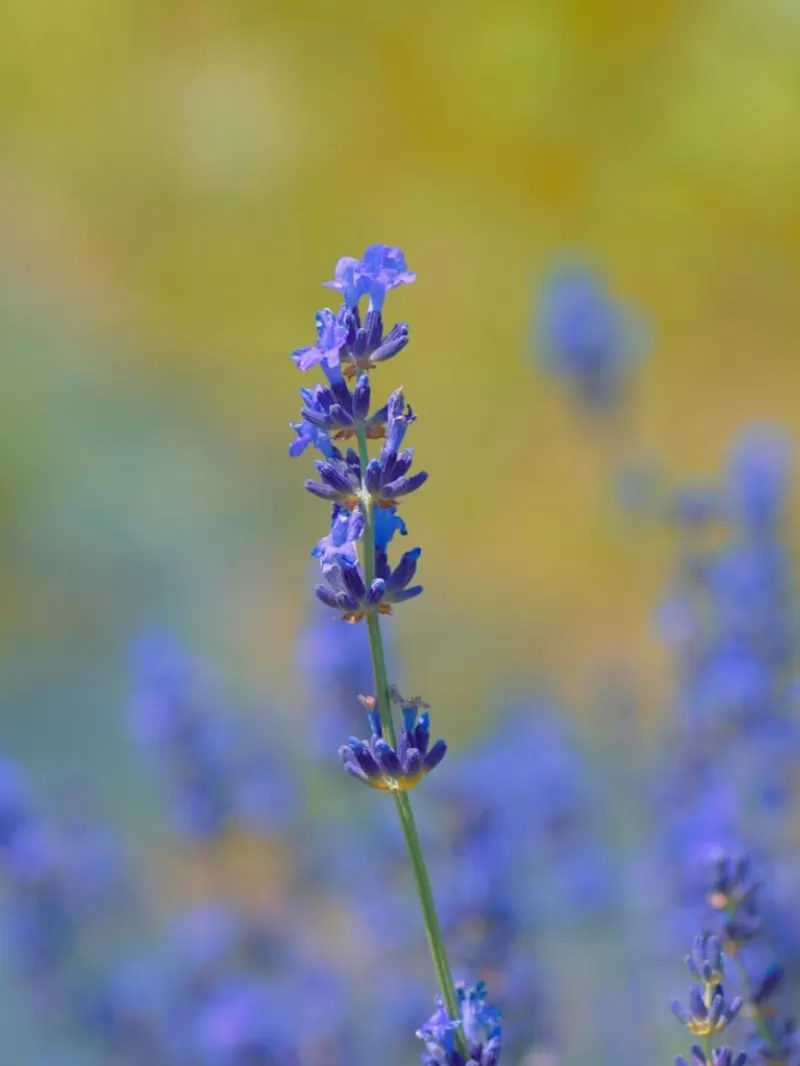
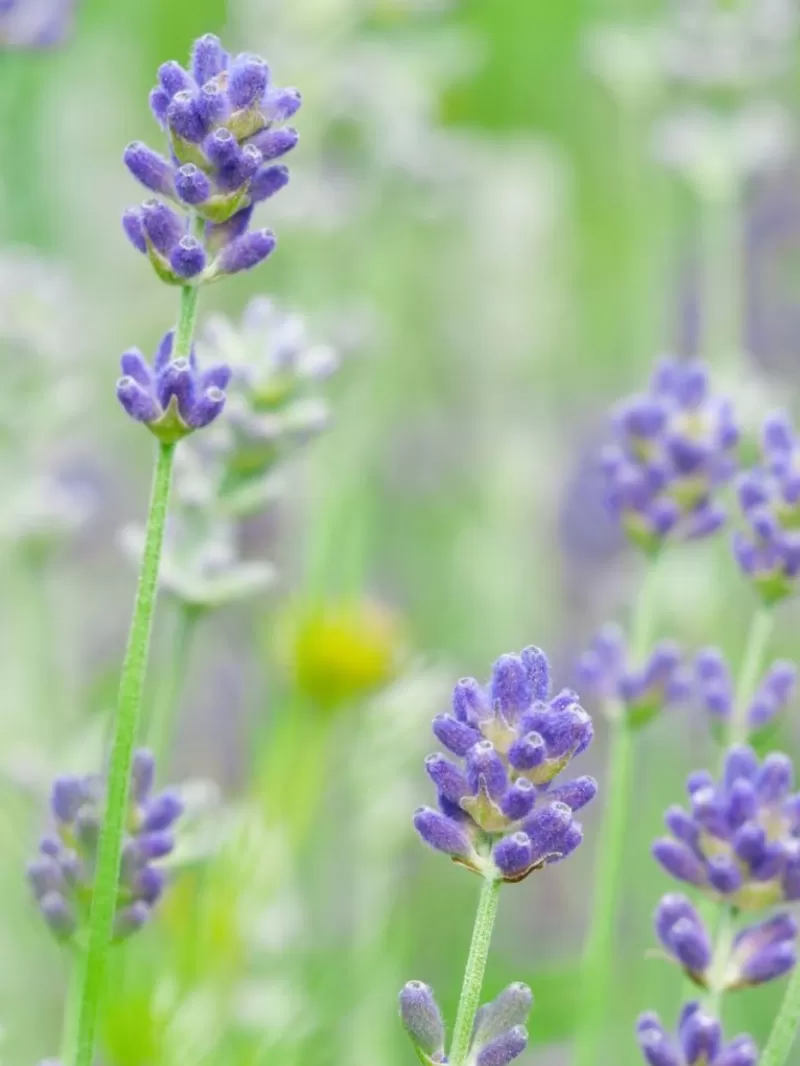
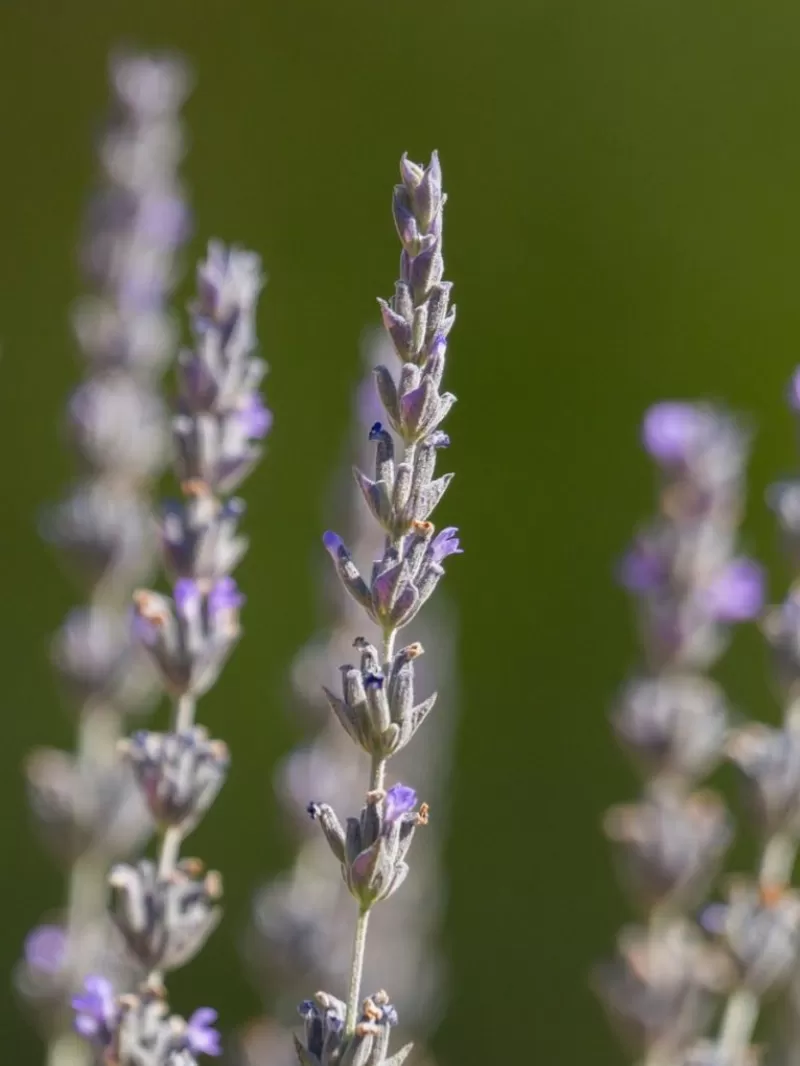
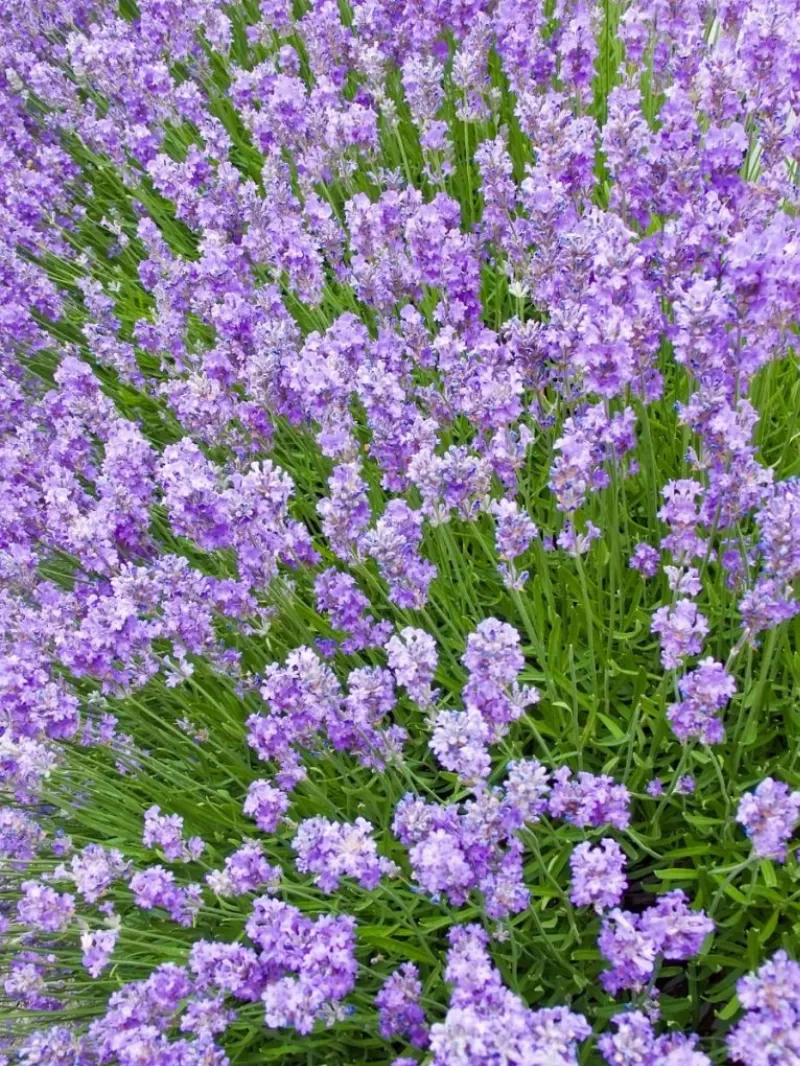
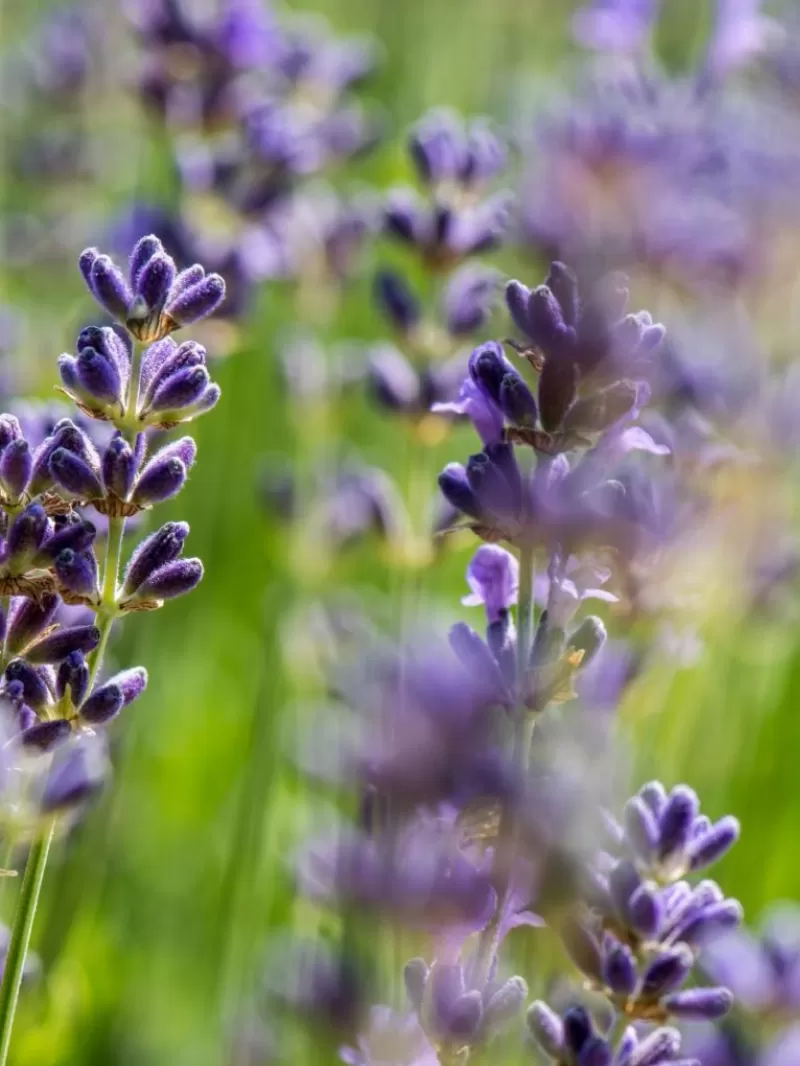
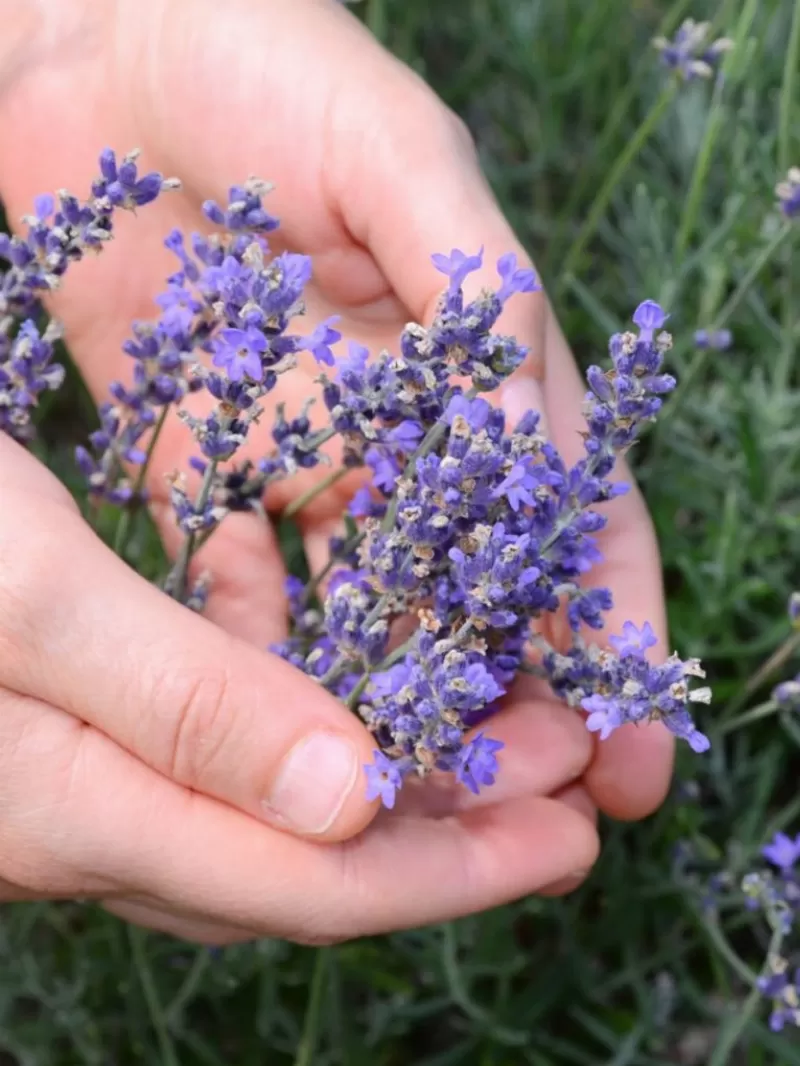
Munstead lavender is renowned for its captivating fragrance, making it a coveted choice for both home and garden enthusiasts.
As a lifelong lavender enthusiast, I’ve always been drawn to the soothing scent and elegant beauty of these purple-hued plants. My journey with Munstead lavender began in my childhood, where the gentle fragrance of lavender spray in my room became synonymous with comfort and cleanliness. Today, having Munstead lavender in my garden brings me immense joy, and its presence in my home is nothing short of blissful.
Munstead lavender, with its exceptionally fragrant blooms, stands out among all lavender varieties. If you’re wondering about the ease of care for this aromatic herb, let me share my experiences and insights to help you cultivate your own lavender oasis.
Munstead lavender, scientifically known as Lavandula Angustifolia ‘Munstead,’ is a cold-hardy cultivar that originated in England. Named after Munstead Woods, where it was cultivated by renowned garden designer Gertrude Jekyll, this variety is celebrated for its intense fragrance and adaptability to colder climates.
While Munstead lavender may not have the thickest blooms compared to other varieties, its unparalleled fragrance more than makes up for it. As garden expert Dr. Emily Greenfield notes, “Munstead lavender’s scent profile is pure and intense, making it the top choice for aromatherapy and culinary uses.”
Caring for Munstead lavender is a rewarding experience that requires attention to a few key factors:
Munstead lavender thrives in full sun, requiring 6-8 hours of direct sunlight daily. When growing indoors, ensure it receives adequate light to prevent weakening.
This variety prefers alkaline, sandy, and well-draining soil. Avoid rich or soggy conditions, as these can harm the plant’s health.
Once established, Munstead lavender is drought-tolerant. Water frequently during the first growing season, then reduce watering except during bud development in drought conditions.
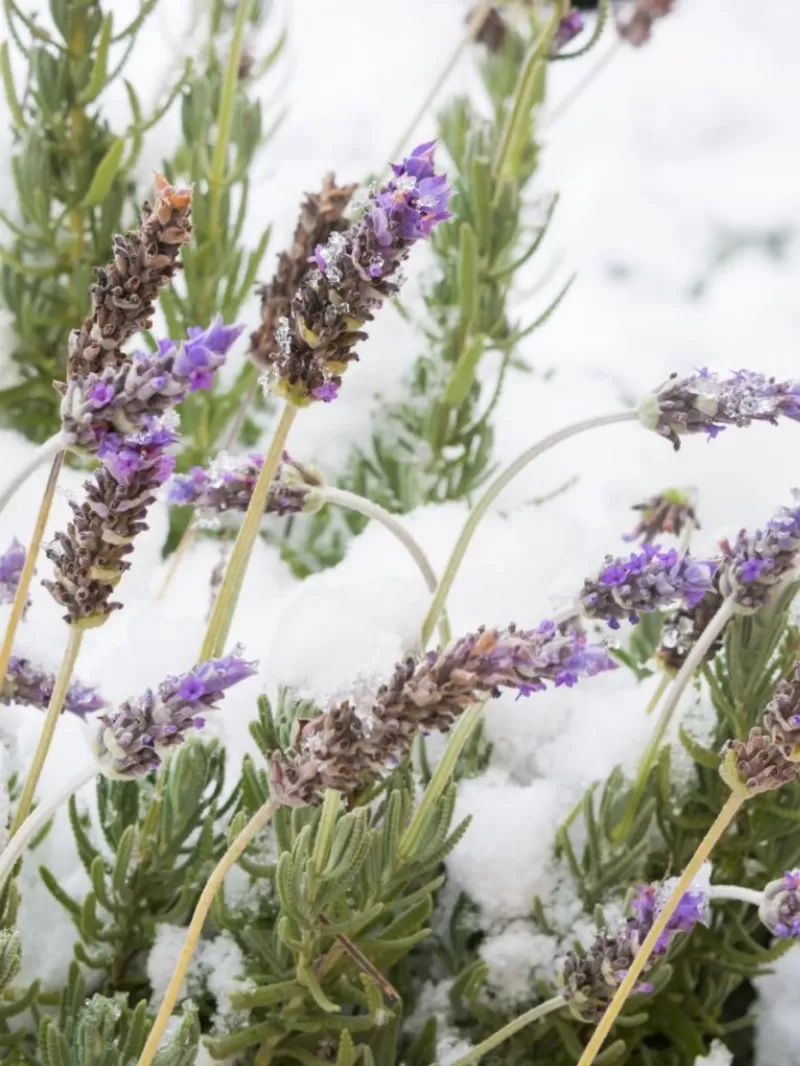
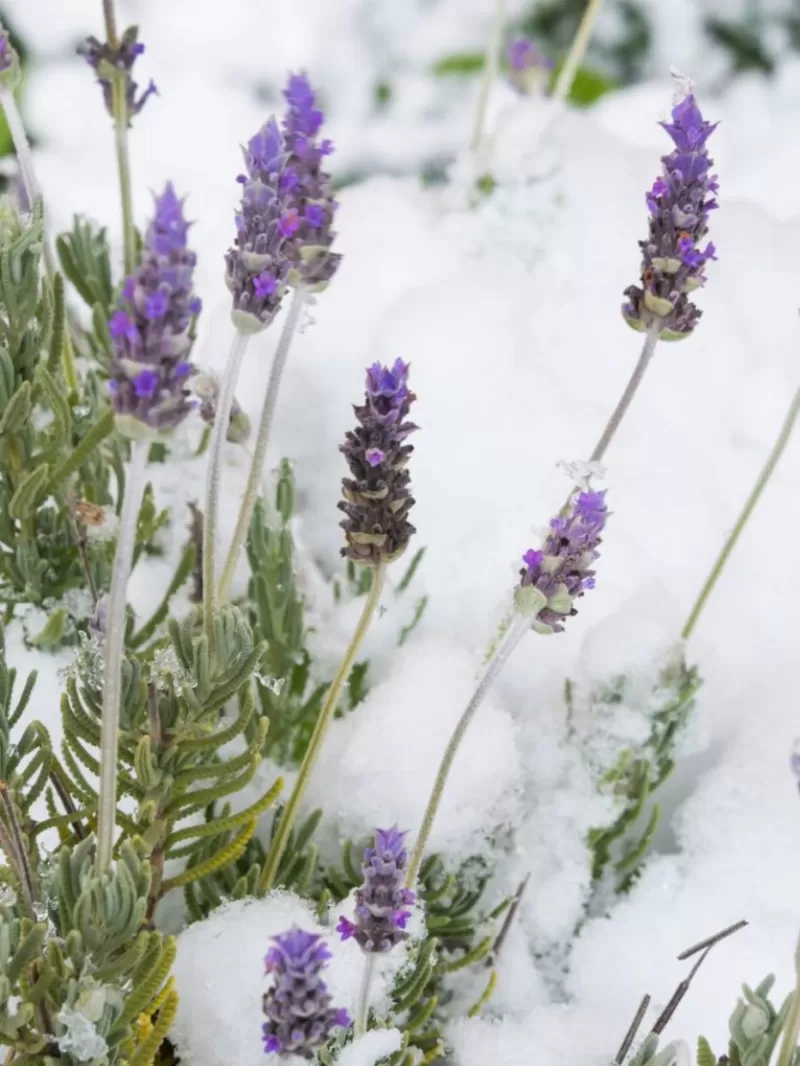
Ideal temperatures range from 70 to 75°F. Munstead lavender is sensitive to high humidity, so consider using a dehumidifier in moist climates. It can withstand winter temperatures down to -10°F.
Surprisingly, Munstead lavender doesn’t require fertilizer. In fact, nutrient-rich soil can be detrimental to its growth. During a trip to Toronto, I was amazed to see lavender growing wild along the streets, thriving without any care or intervention.
Regular pruning is essential for maintaining the health and shape of your Munstead lavender. Prune in early spring or after blooming, focusing on removing dead or damaged branches and trimming spent flowers.
Growing Munstead lavender from seeds can be a rewarding process:
Horticulturist Jane Smith advises, “The key to successful lavender germination is patience and consistent conditions. Don’t rush the process, and you’ll be rewarded with healthy, fragrant plants.”
For those who prefer a quicker start, propagating from cuttings is an excellent option:
Container gardening with Munstead lavender is perfect for those with limited space:
Protecting your lavender during winter is crucial for its long-term health:
To ensure continuous blooming:
Growing Munstead lavender is a journey filled with fragrant rewards. By providing the right conditions and care, you can enjoy the beauty and aroma of this exceptional herb in your garden or home. Remember, patience and attention to detail are key to successful lavender cultivation.
Whether you’re planting from seeds, cuttings, or nurturing potted plants, the joy of watching your Munstead lavender thrive is unparalleled. So roll up your sleeves, get your hands dirty, and prepare to be enveloped in the soothing scent of your very own lavender oasis.
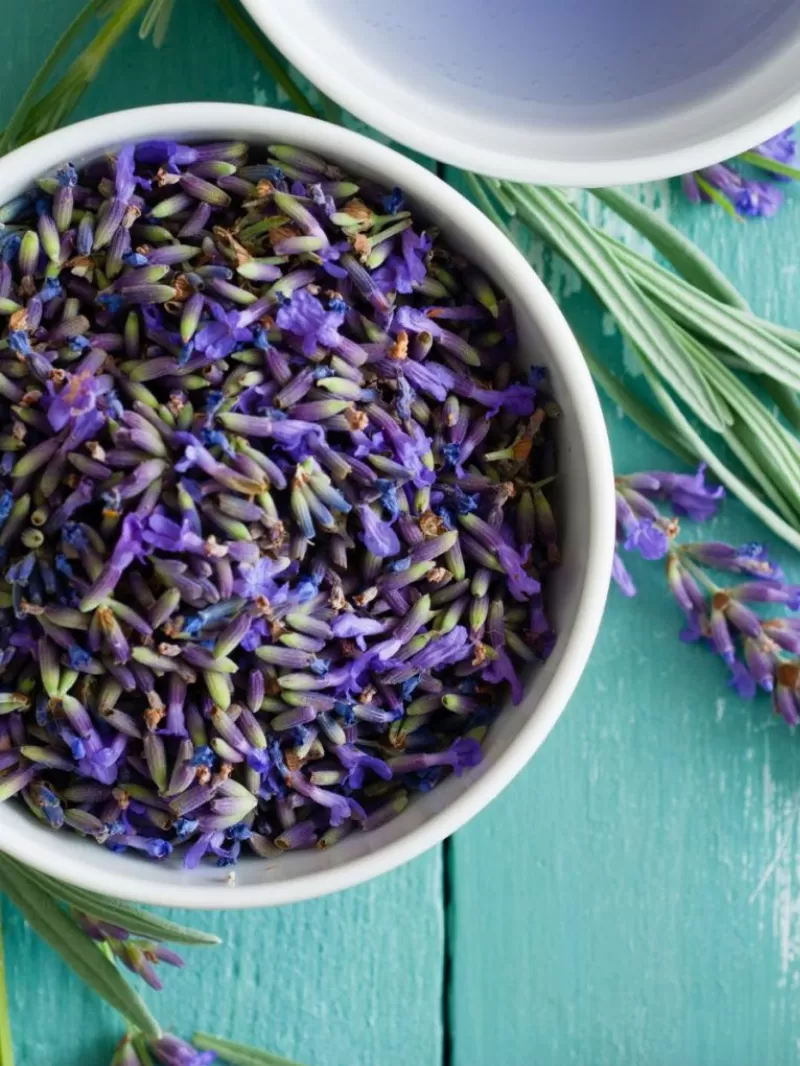
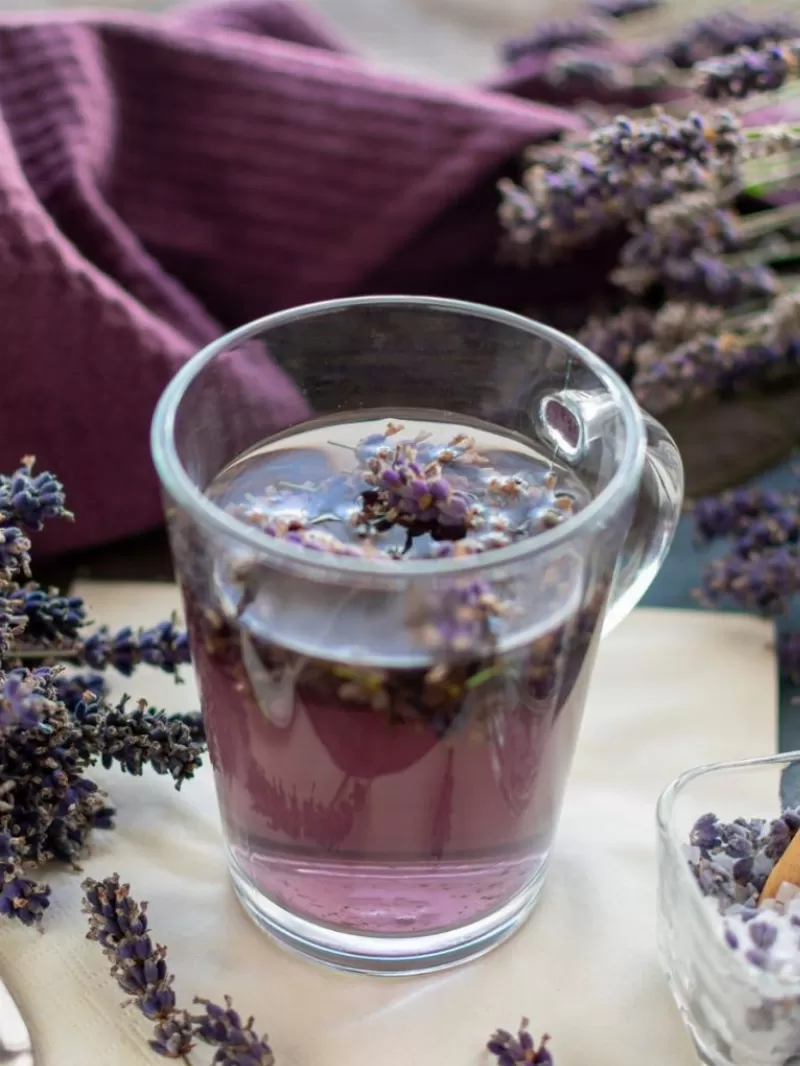
P.S. Don’t forget to try Munstead Lavender tea for a delightful and relaxing experience!
Does Munstead lavender come back every year?
Yes, Munstead lavender is a perennial plant that returns year after year with proper care.
What is the difference between true lavender and Munstead lavender?
Munstead lavender is a cultivar of true lavender (Lavandula angustifolia), sharing many traits but with its own unique qualities.
How long can Munstead lavender live?
With proper care, Munstead lavender can live for 10 to 15 years, though lifespan can vary based on growing conditions and maintenance.
Where should I place ‘Munstead’ lavender in my home?
Place Munstead lavender in a location that receives 6-8 hours of direct sunlight daily for optimal growth and blooming.
Is Munstead Lavender Edible?
Yes, Munstead lavender is edible and can be used in various culinary applications, including lavender-infused honey, potpourri, and sachets.
Key takeaways: Discover 5 enchanting flowers to create a magical fairy garden Learn the symbolic…
Watermelon Red Crape Myrtle is a classic, versatile tree with stunning pink-red blooms Grows 20-25…
Key Takeaways: Oriental lilies are prized for their large, fragrant blooms They thrive in well-draining…
Key takeaways: Amaranth is easy to grow in containers, perfect for beginners and experienced gardeners…
Vibrant, low-maintenance flowers for sunny spots Continuous color throughout summer Perfect for borders, ground cover,…
Here's how implementing no-dig techniques can transform your container gardening: Build Richer Soil: Layers of…