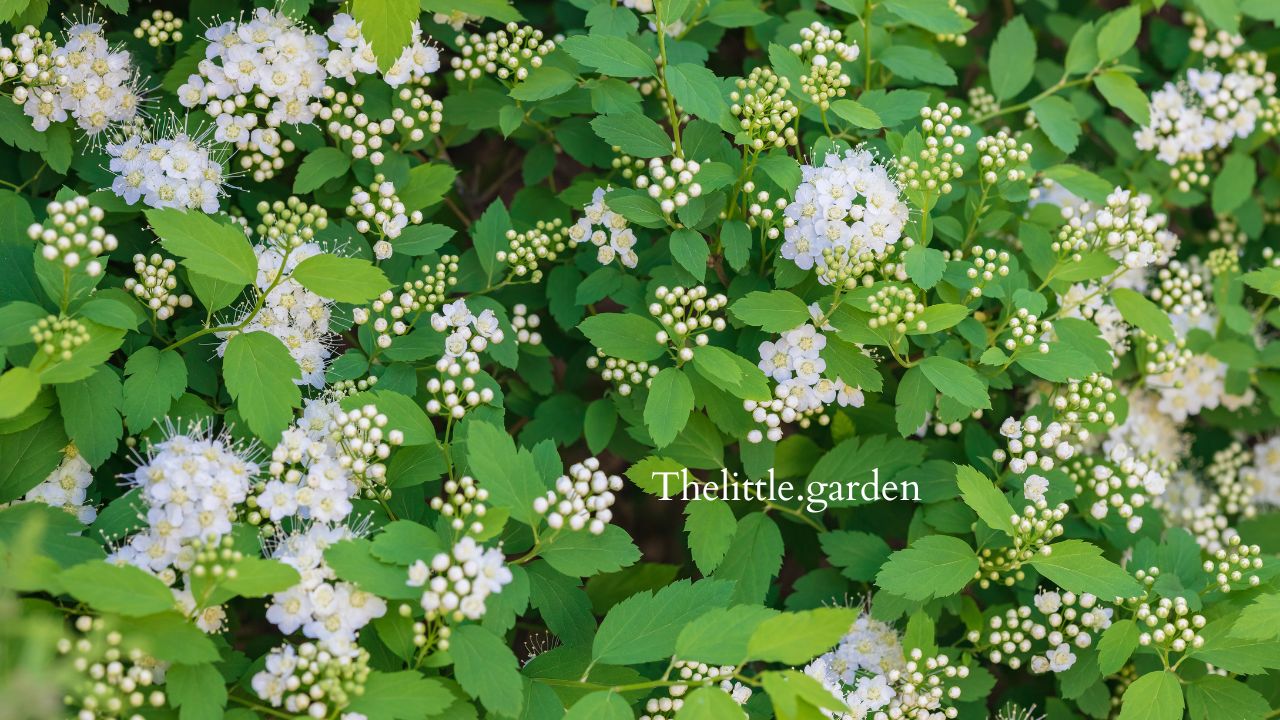
As the chill of late winter gives way to the promise of spring, many gardeners turn their attention to the crucial task of pruning. For those cultivating the magnificent Annabelle Hydrangea, this ritual is key to unlocking its full potential for a stunning summer display. Known for their impressive, snowball-like white blossoms, these smooth hydrangeas respond beautifully to thoughtful pruning, ensuring robust health and abundant flowering year after year.
Contents
Annabelle Hydrangeas (Hydrangea arborescens ‘Annabelle’) are beloved for their adaptability and striking floral show. They are deciduous shrubs, meaning they shed their leaves in winter, and are particularly cherished for their ability to thrive in various climates. These resilient plants are distinct because they bloom on “new wood,” which means the flowers develop on stems that grow in the current season. This characteristic simplifies their pruning requirements significantly, allowing for more aggressive cuts that encourage vigorous new growth and, consequently, more spectacular blooms. While they don’t purify indoor air, their presence in the garden offers immense aesthetic value and a sense of natural beauty.
PLANT DATA BOX — Annabelle Hydrangea
Annabelle Hydrangeas thrive in well-drained soil that retains moisture. A rich, loamy soil amended with organic matter provides an ideal environment for their root system. Consistent watering is paramount, especially during dry spells and the peak growing season, as these plants are not drought-tolerant. In hotter regions, they may require watering up to three times a week to keep the soil adequately moist. For light, they generally prefer a location that receives full sun to partial shade. In sunnier spots, ensuring consistent moisture is even more critical to prevent leaf scorch and flower decline.
Maintaining consistent soil moisture is crucial for Annabelle Hydrangeas. Feel the top inch of soil; if it feels dry, it’s time to water thoroughly. Avoid letting the plant sit in waterlogged conditions, which can lead to root rot.
As outdoor shrubs, Annabelle Hydrangeas are typically exposed to ambient humidity. They generally do well in average humidity levels and do not require special attention to this aspect in an outdoor setting.
Adequate airflow around your hydrangea is vital for its health, particularly in preventing fungal diseases. Thinning out older, weaker stems helps improve air circulation within the plant’s canopy, allowing leaves to dry more quickly after rain or watering.
While Annabelle Hydrangeas are usually grown in the ground, if you’re cultivating one in a large container, repotting might be necessary every few years as it outgrows its pot. Choose a container that’s one size larger and refresh the soil with a fresh, well-draining potting mix.
Keeping the leaves clean, especially in dusty environments, allows for better photosynthesis. A gentle spray with water can remove accumulated dust, which also helps in monitoring for early signs of pests.
Choosing the right spot for your Annabelle Hydrangea ensures its success. They flourish in locations that receive morning sun and some afternoon shade, especially in warmer climates, to protect them from intense heat. Good air circulation is also beneficial. Consider planting them as a border, in mass plantings, or as a stand-alone specimen where their large blooms can truly shine. Avoid placing them in areas with stagnant air, which can encourage pest and disease development.
If your Annabelle Hydrangea isn’t performing as expected, a quick check of its environment can reveal much. Yellowing leaves or stunted growth might suggest insufficient sunlight, prompting a move to a brighter spot. Conversely, scorched leaf edges can indicate too much harsh, direct sun, particularly in hot climates, suggesting a need for more afternoon shade. Always monitor the plant’s response to its current conditions.
Q1: When is the best time to prune Annabelle Hydrangeas?
A1: The ideal time is in late winter or early spring, before new growth begins.
Q2: How much should I cut back my Annabelle Hydrangea?
A2: You can cut back all stems to about 6-12 inches above the soil level. This encourages strong new growth and larger flowers.
Q3: Do Annabelle Hydrangeas need deadheading?
A3: While not strictly necessary for continuous blooming, deadheading spent flowers can improve the plant’s appearance and redirect energy into new growth.
Q4: My Annabelle Hydrangea’s blooms are flopping. What can I do?
A4: This is common due to their large flower size. Provide support with a ring or stakes early in the growing season to prevent stems from bending or breaking.
Q5: What kind of fertilizer is best for Annabelle Hydrangeas?
A5: A balanced slow-release fertilizer (like 10-10-10) in spring is generally recommended. Adding a little extra phosphorus can promote bigger blooms.
Q6: Are Annabelle Hydrangeas deer-resistant?
A6: While not entirely deer-proof, Annabelle Hydrangeas are generally less preferred by deer compared to other plants, but severe deer pressure can still lead to damage.
Mastering the art of pruning Annabelle Hydrangeas is a rewarding endeavor that promises a cascade of spectacular white blooms each summer. By understanding their unique growth habit and applying timely, intentional pruning techniques, you empower these resilient shrubs to thrive. Remember, nurturing an Annabelle Hydrangea goes beyond just trimming; it involves a holistic approach to care, from mindful watering to providing the right support for its impressive floral display. Embrace these guidelines, and your garden will be graced with the breathtaking elegance of a flourishing Annabelle Hydrangea, becoming a highlight of your outdoor space.
Wichtigste Erkenntnisse: Der Anbau eigener gemischter Blattsalate bietet unübertroffene Frische und Geschmack – direkt aus…
Here's how implementing no-dig techniques can transform your container gardening: Build Richer Soil: Layers of…
Healthy soil is teeming with beneficial microbes that act as a natural defense system for…
Transform your patio into a vibrant, wildlife-friendly oasis. Discover how to create beautiful, low-maintenance container…
Unlock the secret to a beautiful, resilient garden with Sedum & Yarrow blends. Discover why…
Beat the Heat: Discover resilient perennials that thrive in containers during the hottest summer months,…