- Integrating local flora creates sustainable, resilient gardens that support native wildlife and require less water and maintenance.
- Effective local flora integration involves designing with nature’s principles, balancing beauty with functionality to create vital habitats.
- Caring for your native garden throughout the seasons involves minimal intervention, focusing on natural processes like pest management and seed saving.
Imagine stepping into a garden that feels truly alive, where butterflies flutter, birds sing, and the air hums with the gentle buzz of bees. This isn’t just a dream; it’s the reality of gardening with native plants. Embracing local flora integration is about reconnecting your outdoor space with the natural world around it, creating a thriving, beautiful landscape that benefits both you and the ecosystem. It’s a journey towards a garden that requires less fuss, uses less water, and feels perfectly at home in its surroundings. Let’s explore how you can unlock the secrets of a dynamic and beneficial garden by welcoming your local plant communities.
Why Integrate Local Flora? The Heart of Native Gardening
Choosing plants that naturally belong in your area is the cornerstone of a truly sustainable garden. Local flora integration isn’t just a trend; it’s a powerful way to support biodiversity and create landscapes that are resilient and low-maintenance once established. Understanding the inherent advantages of indigenous plants compared to non-native species is the first step in cultivating a space that works in harmony with nature.
More Than Just Pretty Plants: Ecological Power
Native plants are the foundation of healthy local ecosystems. They have co-evolved with local insects, birds, and other wildlife, forming complex interdependencies. By incorporating them, you provide crucial food sources (nectar, pollen, seeds, berries) and shelter that are perfectly timed and nutritionally appropriate for your region’s fauna. This support strengthens the entire food web, from the tiniest microbes in the soil to the birds nesting in your trees. Native plant communities also help restore and maintain healthy soil structure and function, which is vital for the overall health of your landscape.
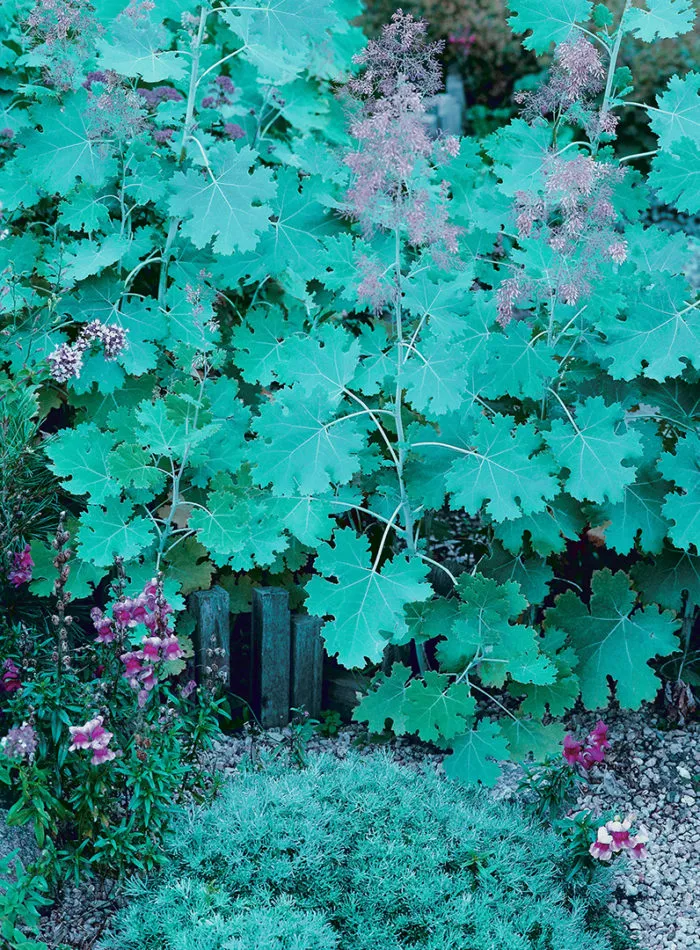
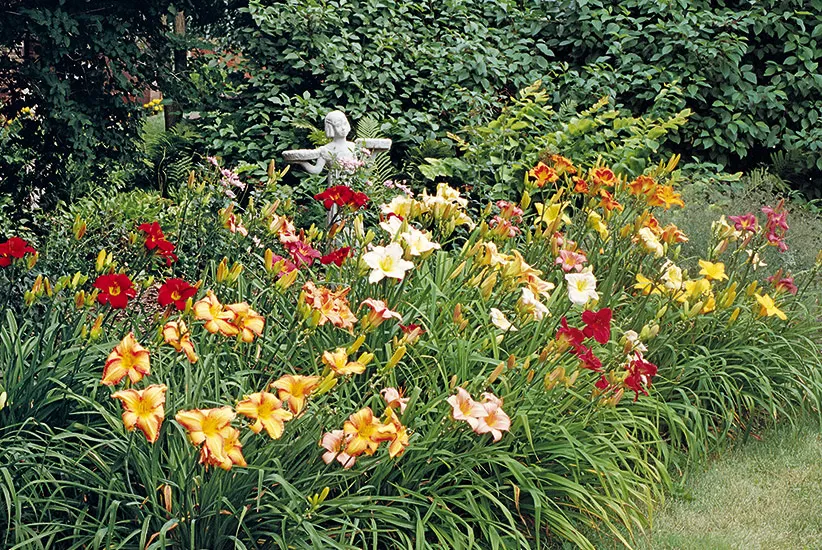
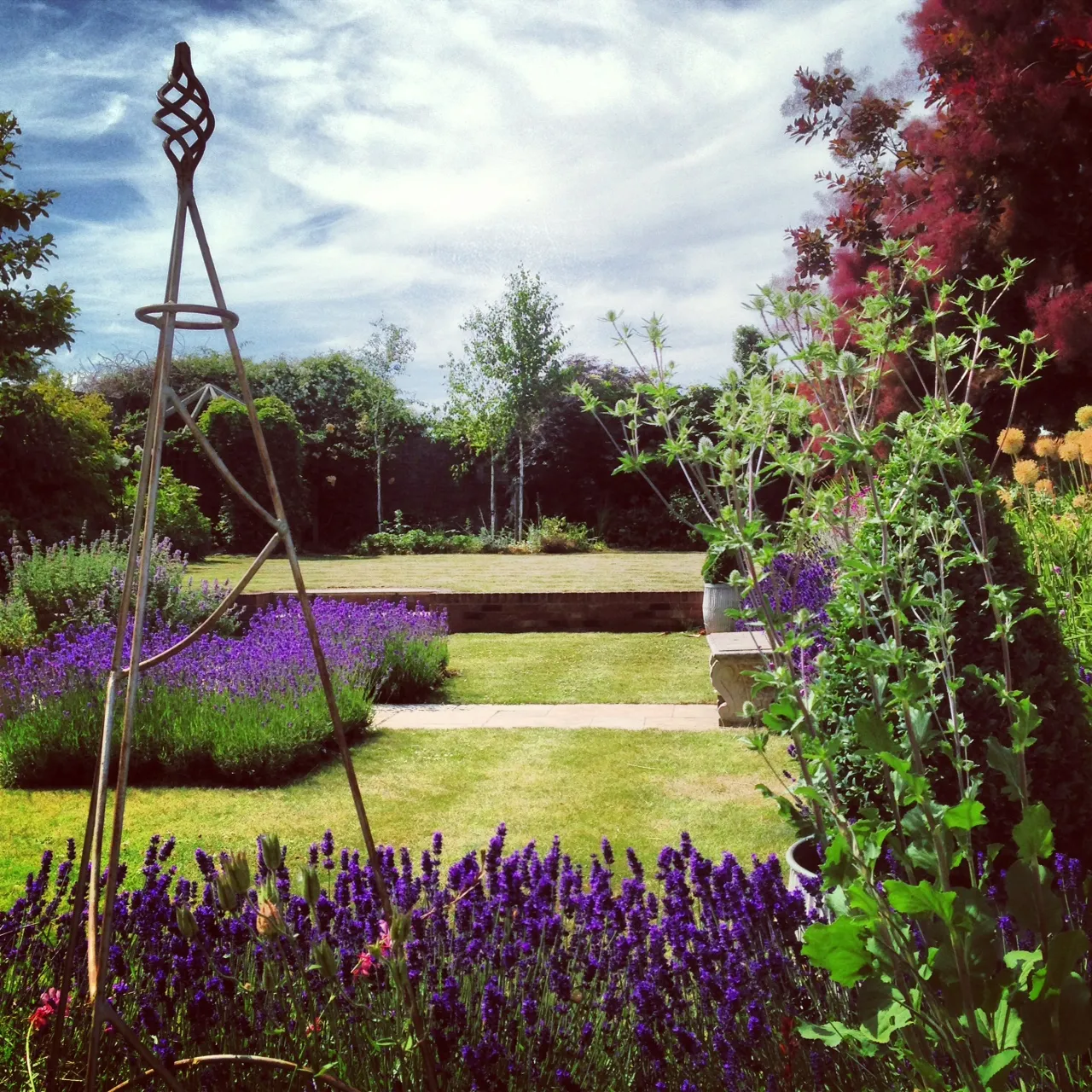
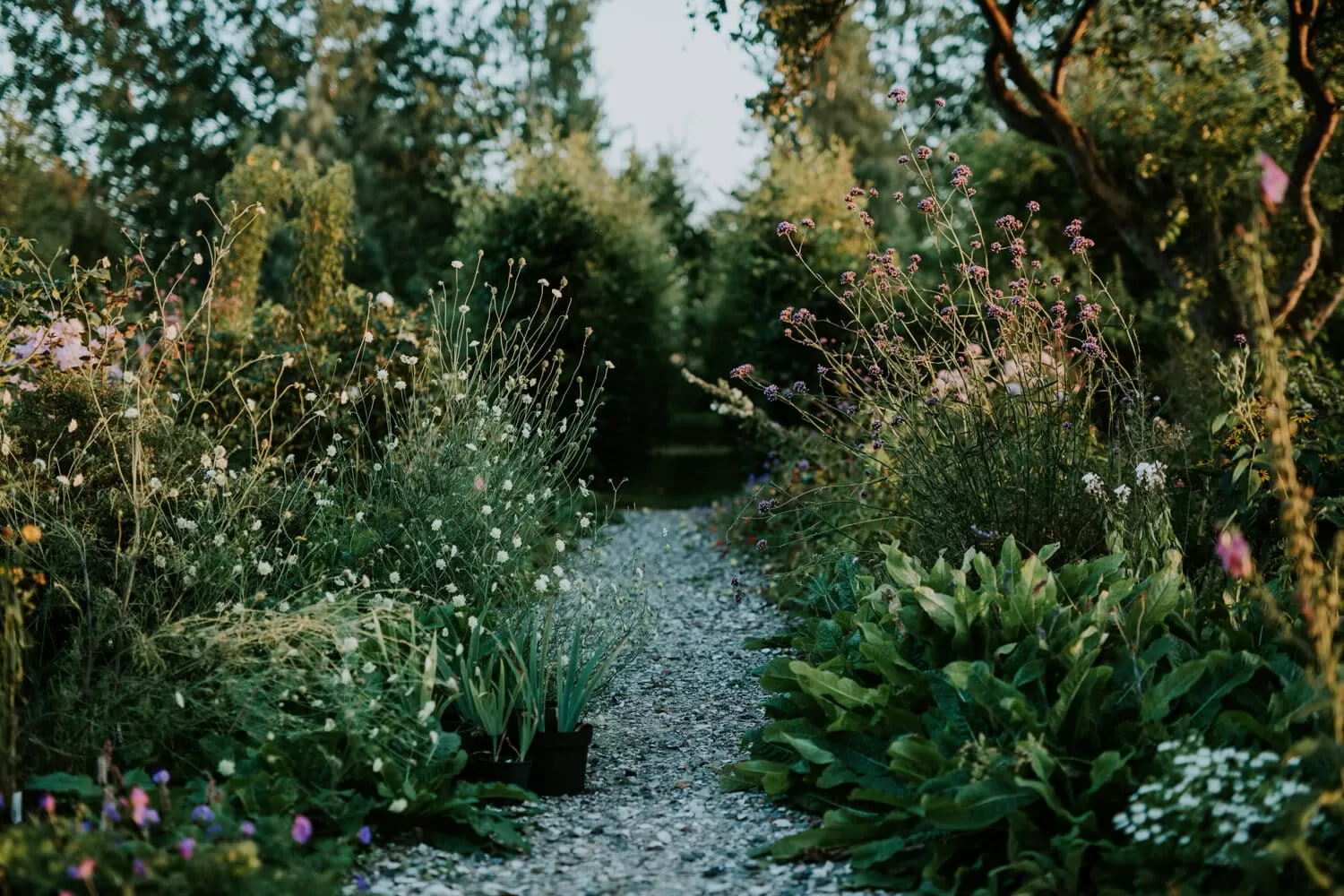
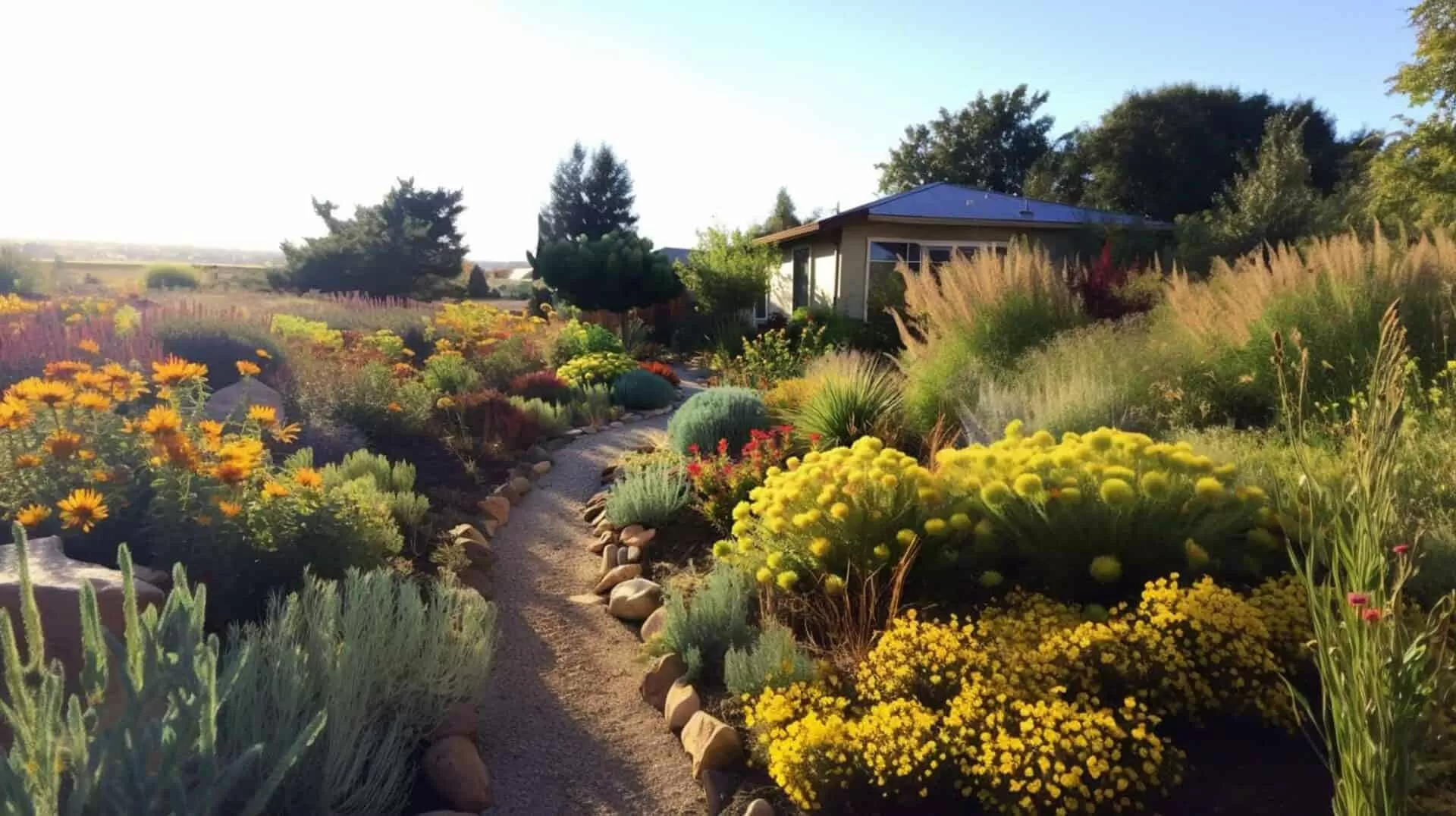 Flourishing garden showcasing vibrant native plants, illustrating successful local flora integration.
The Low-Maintenance, High-Reward Choice
One of the most appealing aspects of local flora integration is the promise of a garden that requires less intervention. Native plants are naturally adapted to the specific climate, soil, and rainfall patterns of your region. This means they are inherently more resistant to local pests and diseases, require significantly less supplemental watering once established, and rarely need fertilizers. Think less time spent watering, weeding, and dealing with problems, and more time simply enjoying your vibrant, bustling garden.
Choosing Your Local Stars: Selecting the Right Native Plants
Successfully integrating local flora into your garden starts with making informed plant choices. It’s about finding the species that will thrive in your specific conditions and contribute most effectively to the local ecosystem. This phase requires a little research, but it’s incredibly rewarding as you discover the unique beauty and resilience of your region’s native plant life.
Know Your Site: Sun, Soil, and Moisture
Before you pick a single plant, get to know your garden’s microclimates. Observe how much sunlight different areas receive throughout the day (full sun, part shade, full shade). Understand your soil type – is it sandy, loamy, or clay? Does it drain quickly or retain moisture? Knowing these fundamental conditions is essential for selecting plants that are naturally suited to the spot and will thrive without constant fuss.
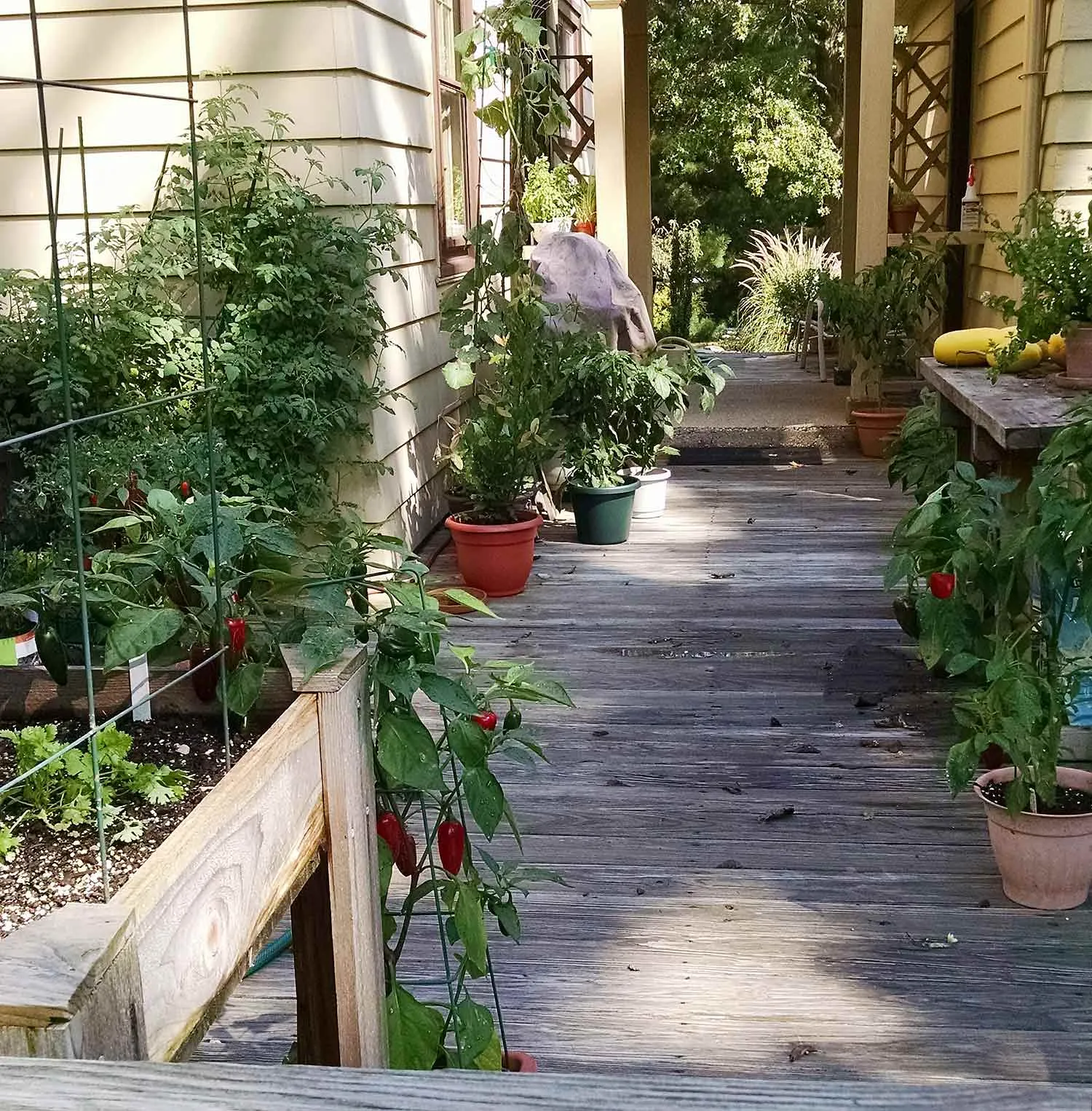
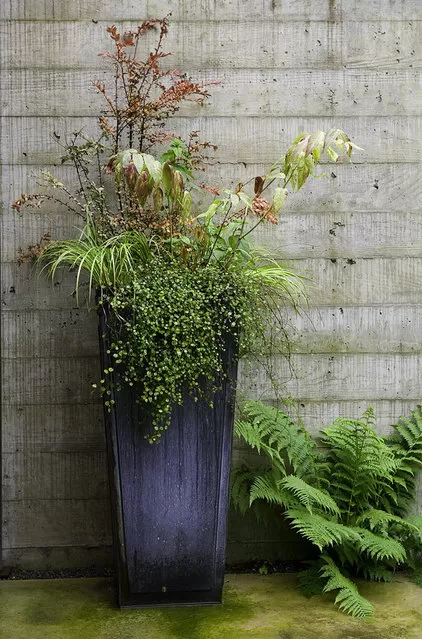
 Various native plants thrive in urban garden plots, showcasing successful local flora integration in limited spaces.
Finding Your Local Legends: Resources and Availability
Identifying appropriate native plants for your specific area is easier than you might think. There are numerous excellent resources available, often specific to your state or region. Local native plant societies, university extension offices, botanic gardens, and reputable online databases can provide invaluable lists and guidance based on your zip code or ecological region. Connect with local experts or join a community group – they often have the best insights into what truly thrives locally and where to find it. Remember to check with nurseries or seed suppliers for availability, as some specific native species might be harder to source, but there are almost always wonderful local alternatives.
Designing Your Native Haven: Principles of Integration
Local flora integration isn’t just about planting natives; it’s about designing a space that looks beautiful and functions like a miniature ecosystem. It’s possible to create a visually appealing garden that mimics the graceful, layered structure of natural landscapes while providing maximum benefit for wildlife.
Planning for Harmony: Layout and Structure
Consider the principles of balance, rhythm, and unity in your design. Native plants often look best when planted in naturalistic drifts or clusters, mimicking how they grow in the wild. Think about varying heights and textures to create visual interest throughout the seasons. Pay attention to the mature size of the plants you choose to ensure they don’t overcrowd each other or paths. Designing with scale in mind ensures your garden feels harmonious and well-established.
 A simple 1×1 meter garden plot plan illustrates a design focusing on spacing and plant types for native flora integration.
Blending Beauty and Purpose: Functionality in Design
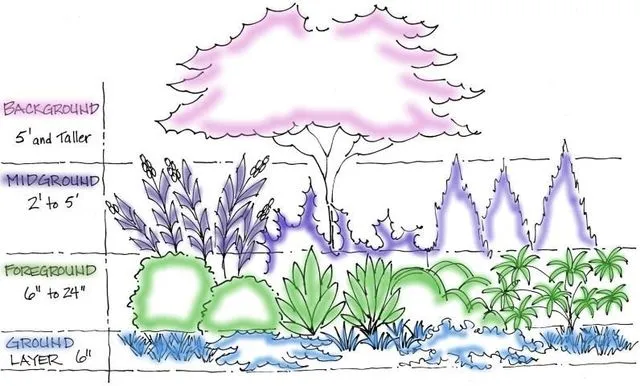
A successful native garden is one where aesthetics and ecological function go hand-in-hand. Select plants not just for their bloom color or shape, but also for the value they provide to wildlife – nectar for pollinators, seeds for birds, host plants for caterpillars, and structure for shelter. Designing with layers – groundcovers, perennials, shrubs, and trees – provides a richer habitat structure. Aim for a succession of blooms throughout the year to provide continuous resources for pollinators and visual interest for yourself. Appreciate the slightly wild, informal beauty that native plants offer, and embrace designs that feel organic and connected to the local landscape.
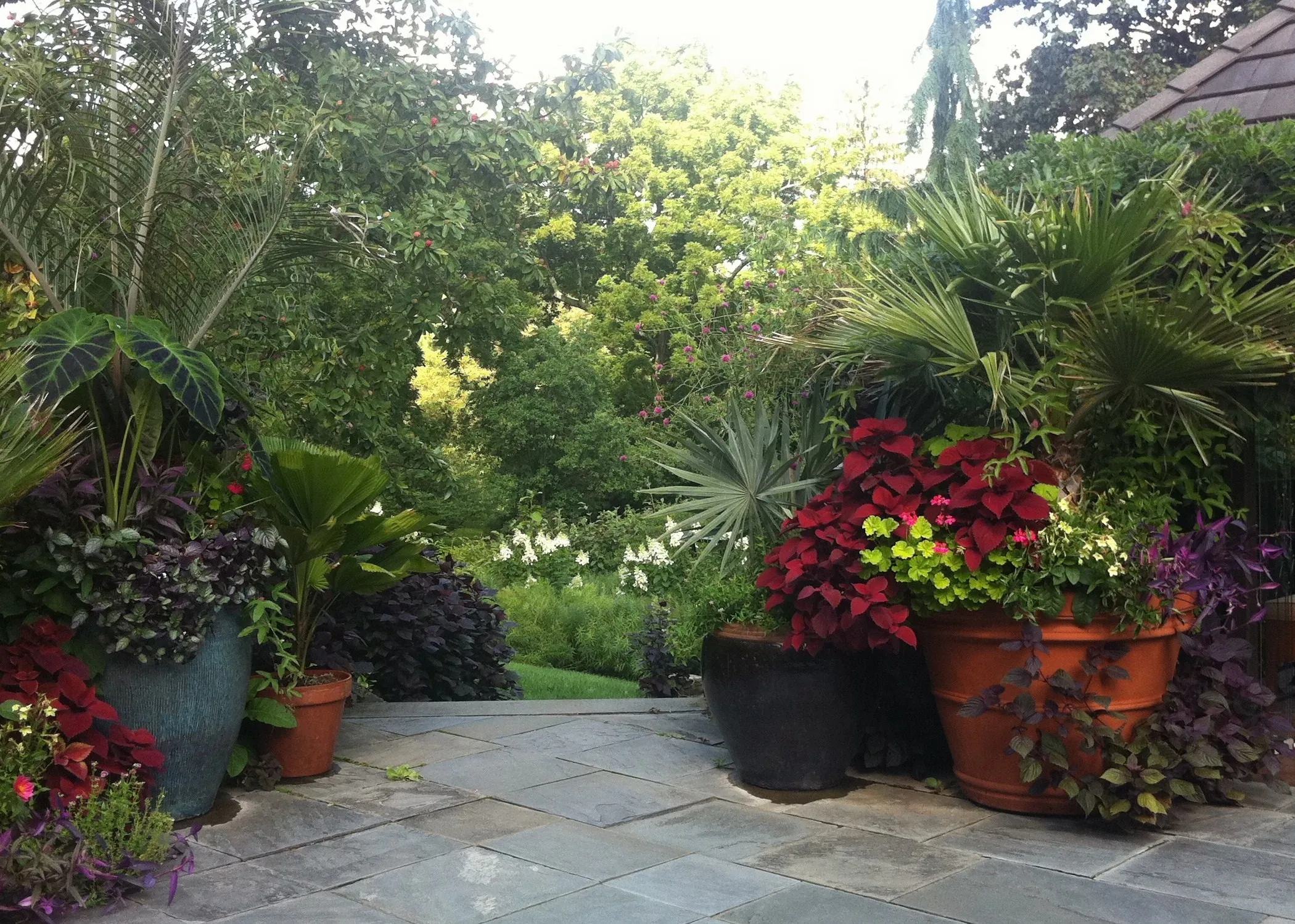
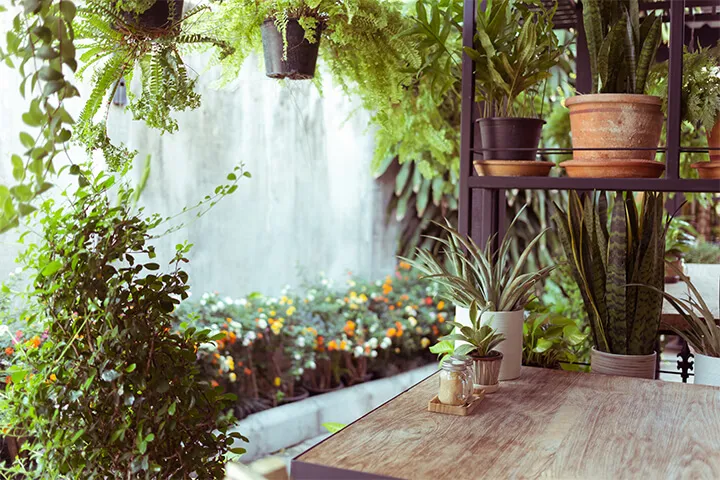
 Vibrant collection of native plants flourishing in an urban garden setting, showcasing diverse local flora integration.
Adding Structure: Paths and Hardscaping
Even a native garden can benefit from the inclusion of hardscape elements like paths, patios, or seating areas. These features provide structure, accessibility, and define different areas within the garden. When choosing materials, consider options that are permeable, like gravel, flagstone with wide joints, or permeable pavers, to allow water to soak into the ground rather than run off. Use hardscape to frame planting beds filled with your integrated local flora, creating inviting spaces that draw you into the garden.
Bringing Life to Your Garden: Local Flora for Wildlife
One of the most rewarding aspects of local flora integration is witnessing the increase in wildlife visitors. Native plants are essential for providing the food and shelter necessary to support the complex needs of local animals, from tiny beneficial insects to beautiful birds.
Pollinator Power: Attracting Bees, Butterflies, and More
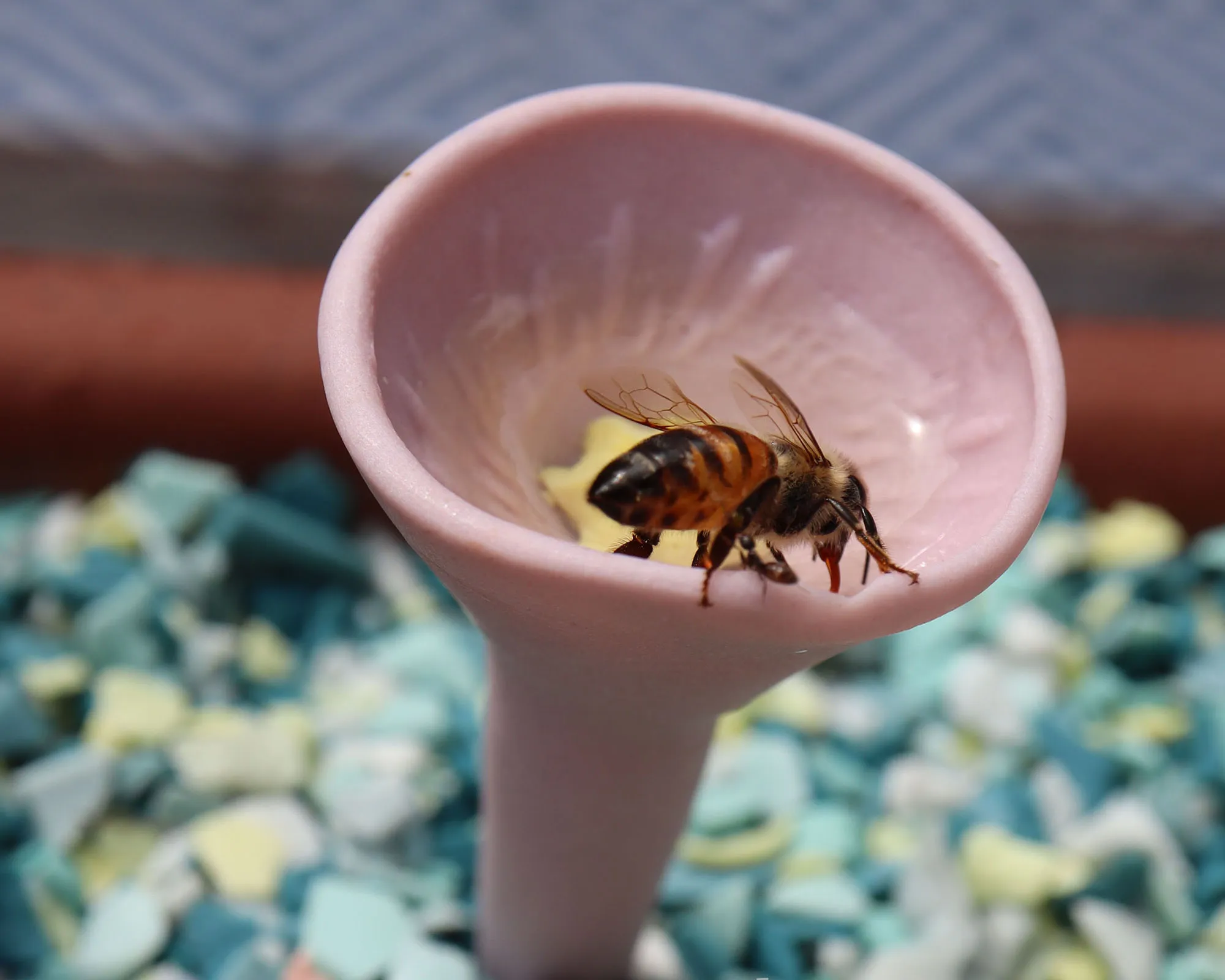
Native flowering plants are perfectly synchronized with the life cycles of local pollinators. Their flower shapes, colors, and nectar/pollen offerings have evolved alongside specific insects, making them far more effective attractants than most non-native options. Including a variety of native flowers with different bloom times ensures a season-long feast for bees, butterflies, moths, hummingbirds, and other vital pollinators.
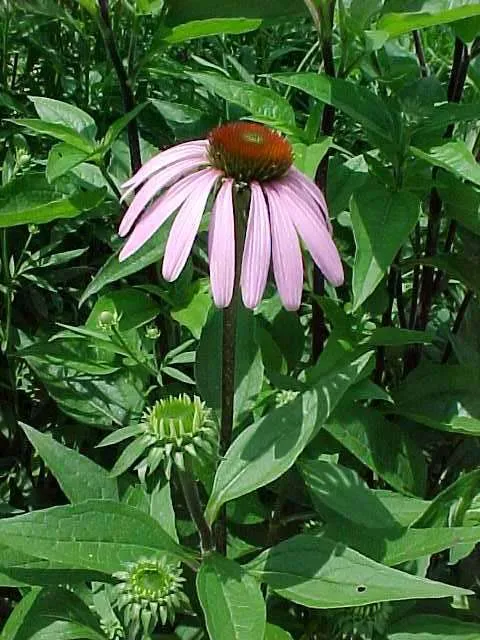
- Echinacea (Coneflower)
- Scientific Name: Echinacea spp.
- Common Name: Coneflower
- Zone: 3-9
- Light: Full Sun
- Humidity: Low to Medium
- Water: Low to Medium (once established)
- Agastache (Anise Hyssop, Hummingbird Mint)
- Scientific Name: Agastache spp.
- Common Name: Anise Hyssop, Hummingbird Mint
- Zone: 4-10 (varies by species)
- Light: Full Sun
- Humidity: Low to Medium
- Water: Low to Medium
 Ruby-throated hummingbird feeding on tubular native flowers in a local flora garden.
Feeding and Sheltering Our Feathered Friends
Native plants provide critical resources for birds throughout the year. Berries and seeds offer vital food sources, especially during migration and the colder months. The structure of native shrubs and trees provides safe nesting sites and shelter from predators and weather. Incorporating a diverse range of native plants ensures a buffet and refuge for a variety of bird species. Majestic native oaks (Quercus spp.) are particularly valuable, hosting hundreds of insect species that serve as crucial food for baby birds.
- Quercus spp. (Oak)
- Scientific Name: Quercus spp.
- Common Name: Oak
- Zone: Varies widely (3-9)
- Light: Full Sun to Part Shade
- Humidity: Low to Medium
- Water: Low (established)
- Asclepias tuberosa (Butterfly Weed)
- Scientific Name: Asclepias tuberosa
- Common Name: Butterfly Weed
- Zone: 3-9
- Light: Full Sun
- Humidity: Low
- Water: Low
The Buzz Below: Supporting the Soil Food Web
It’s not just the life above ground that benefits from local flora integration. The deep root systems of native plants improve soil structure, increase water penetration, and support a healthy community of beneficial microbes, fungi, and invertebrates in the soil. This underground ecosystem is essential for plant health, nutrient cycling, and overall garden resilience. Native grasses, in particular, are champions of soil health with their extensive root networks.
Thriving with Less: Water-Wise Local Flora Integration
In an era where water conservation is increasingly important, integrating local flora into your landscape is a brilliant strategy. These plants have spent millennia adapting to the specific rainfall patterns of your region, making them experts at thriving with minimal supplemental water, especially once established.
Naturally Resilient: Identifying Drought-Tolerant Species
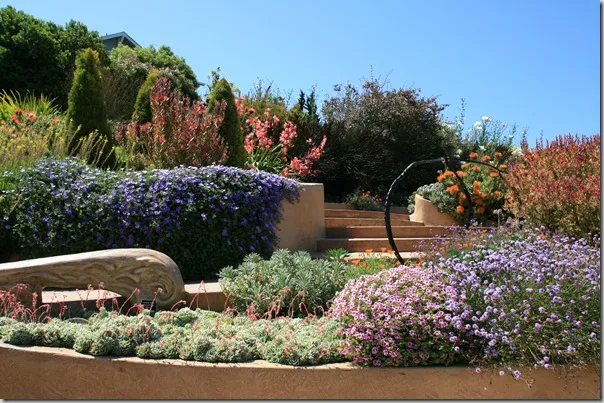
Many native plants possess remarkable adaptations for surviving dry periods. These include deep taproots that reach groundwater, waxy or hairy leaves that reduce water loss, and the ability to enter dormancy during drought. Selecting native species known for drought tolerance in your area (often referred to as xeriscape plants) is a key component of a water-wise garden design. These plants are naturally suited to sandy or lean soils that drain well.
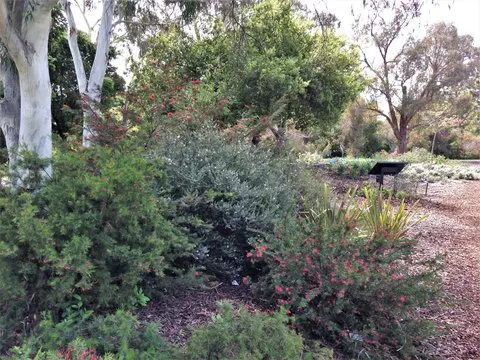
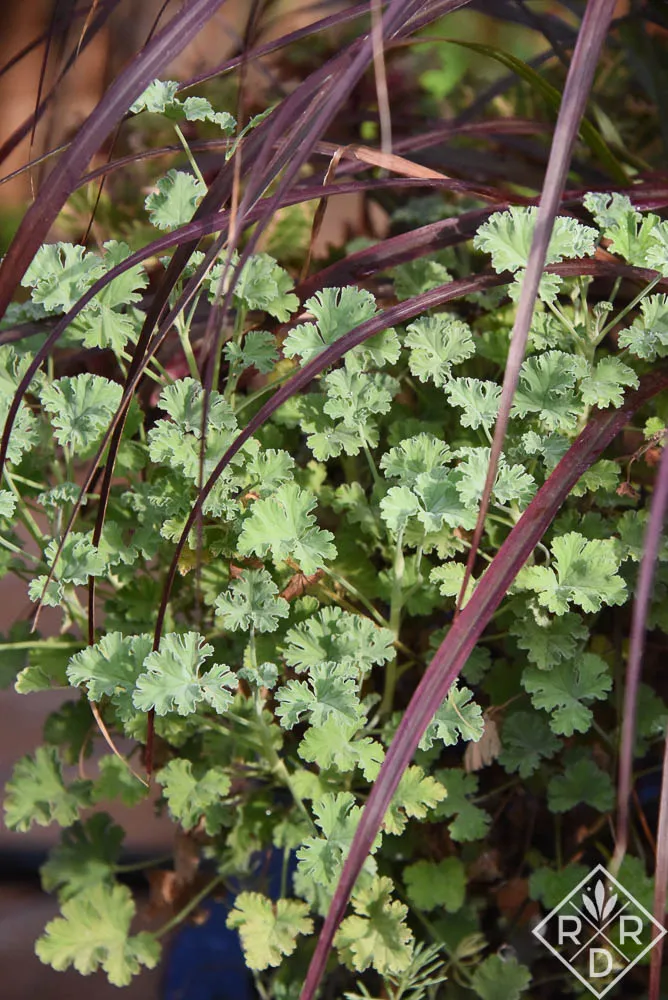
 Xeriscape garden featuring a variety of drought-tolerant native plants arranged artfully.
Smart Watering for Native Landscapes
While established native plants require less water, smart watering techniques are still important, especially during establishment or extended dry spells. Focus on delivering water directly to the root zone using drip irrigation or soaker hoses, rather than overhead sprinklers which lose more water to evaporation. Consider using a layer of native leaf litter or wood chips as mulch to help retain soil moisture and suppress weeds. Interestingly, some designers advocate for tighter plant spacing once established, allowing the plants themselves to shade the soil and act as “living mulch.”
Capturing the Rain: Gardens That Give Back
Rain gardens are a fantastic way to incorporate native plants while managing stormwater runoff. These slightly depressed areas are designed to capture rainwater from roofs, driveways, or lawns, allowing it to slowly soak into the ground. Planting a mix of native species adapted to both wet and dry conditions in these gardens creates a functional and beautiful feature that helps filter pollutants and recharge groundwater, showcasing a prime example of practical local flora integration.
Nurturing Your Native Garden Through the Seasons
Caring for a native landscape is often more about observing and guiding nature than intensive intervention. Seasonal maintenance focuses on supporting the natural processes of the ecosystem you’ve created, ensuring health and continuity.
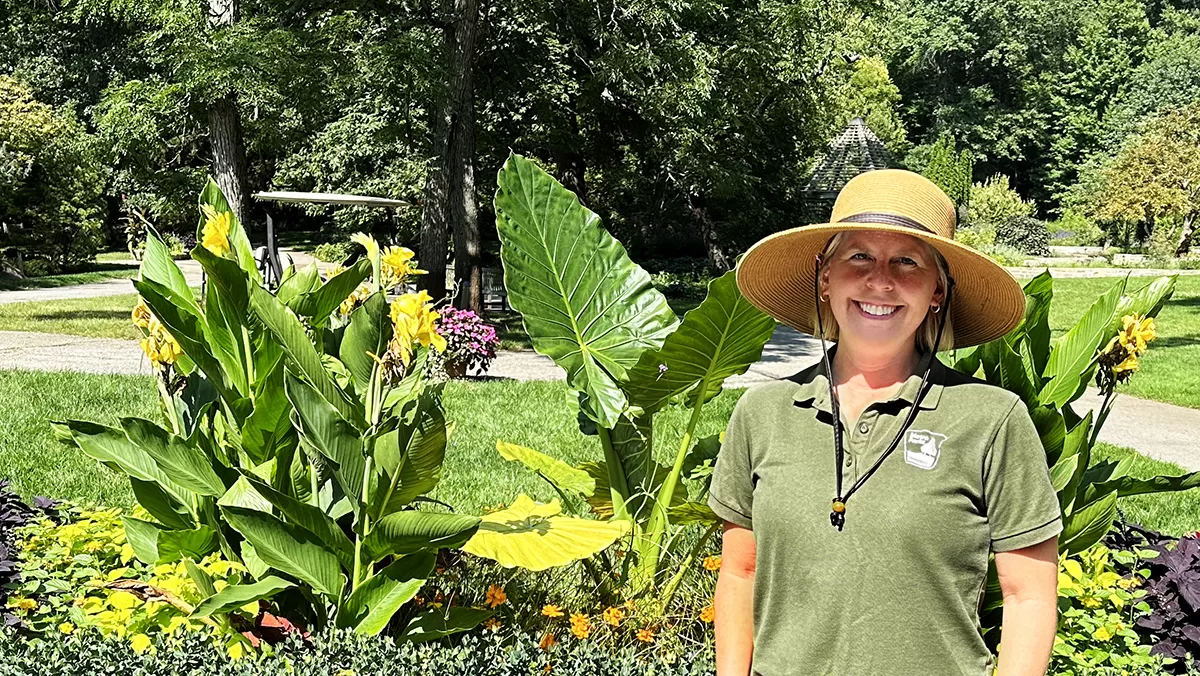
 Gardener performing seasonal maintenance activities in a native plant garden, potentially harvesting seeds.
Pruning with Purpose: Supporting Wildlife & Structure
Unlike traditional gardening where aggressive pruning is common, native plant maintenance often involves a lighter touch. Many native insects and pollinators overwinter in the hollow stems of perennials and shrubs. Leaving stems standing through the winter provides crucial habitat. Pruning is typically done to shape plants, remove dead or damaged material, or manage growth where plants might spread too aggressively. Tools like hand pruners or snips are usually sufficient for this minimal maintenance. Embrace the slightly less manicured look; it’s beneficial for wildlife!
Letting Nature Handle Pests: Natural Defenses
One of the joys of local flora integration is reducing the need for chemical pest control. Native plants have natural defenses and, when planted in diverse communities, they attract beneficial insects (like ladybugs, lacewings, and predatory wasps) that help keep pest populations in check. A healthy, diverse native garden is inherently more resistant to widespread pest and disease outbreaks than monocultures or landscapes filled with non-native species. You’re building an ecosystem where natural checks and balances are already in place.
Growing Your Garden: Seed Saving and Propagation
Once your native plants are established, you can engage in the rewarding practice of seed collection and propagation. Harvesting seeds from your thriving native plants allows you to expand your garden, share plants with others, and preserve the genetic diversity of your local flora. Research the best time and method for collecting seeds from specific species in your garden. Propagation can also be done through division (splitting clumps of perennials) or taking cuttings. Fall sowing of collected seeds, sometimes in protected containers, is a popular method for mimicking natural germination cycles.
Real-World Inspiration: Local Flora Integration in Action
Seeing examples of successful native plant landscaping can provide powerful inspiration for your own project. From small urban plots to expansive rural properties, local flora integration demonstrates its versatility and impact.
Urban Oases: Small Spaces, Big Impact
Even in dense urban environments, integrating local flora can create vibrant pockets of nature. Rooftop gardens, small backyard plots, hellstrips (the area between the sidewalk and the street), and community gardens can be transformed into vital mini-habitats. These urban oases provide stepping stones for wildlife moving through built-up areas and offer city dwellers a crucial connection to nature. Native plants adapted to urban conditions, like some tough sedges and wildflowers, can thrive where many exotics struggle.
Connecting Landscapes: Rural and Suburban Gardens
In suburban and rural settings, native landscaping can help mitigate habitat fragmentation by creating corridors and larger patches of natural vegetation. Replacing traditional lawns with native meadows or incorporating native shrubs and trees into property borders can significantly boost biodiversity. These larger projects showcase the potential for local flora integration to contribute to regional ecological health, providing food and shelter on a meaningful scale for a wider variety of wildlife. Consider incorporating regional favorites like Southern Magnolia (Magnolia virginiana) or various native grasses to enhance the local landscape.
- Magnolia virginiana (Sweetbay Magnolia / Southern Magnolia)
- Scientific Name: Magnolia virginiana
- Common Name: Sweetbay Magnolia, Southern Magnolia
- Zone: 5-9
- Light: Full Sun to Part Shade
- Humidity: Medium to High
- Water: Medium to High (prefers moist soil)
 Restored native meadow vibrant with purple lupine and yellow balsamroot wildflowers, illustrating successful local flora integration on a larger scale.
Resources for Native Plant Enthusiasts
Embarking on the journey of local flora integration is made easier by the wealth of resources available. Whether you’re just starting out or looking to deepen your knowledge, there are numerous avenues for learning, sourcing plants, and connecting with a supportive community.
Educational Materials and Workshops
Dive into books like ‘Planting In A Post-Wild World’ or ‘The Living Landscape’ for inspiring philosophies and practical advice. Many organizations and universities offer workshops, both online and in person, covering topics from basic native plant identification to designing and maintaining native landscapes. These resources provide the knowledge base you need to select the right plants and create a successful native garden.
Native Plant Nurseries and Seed Suppliers
Sourcing native plants and seeds from reputable nurseries and suppliers is crucial. Look for businesses that specialize in native species and ideally source plants from your specific region. Visiting local native plant nurseries allows you to see plants in person and get expert advice tailored to your area. Online suppliers can also be excellent resources, but always verify the plants’ native status and the company’s practices.
Community Support and Networking
Connecting with other native plant enthusiasts is incredibly valuable. Local chapters of native plant societies, garden clubs, or online groups (like Facebook groups dedicated to native plants in your state or region) offer opportunities to share experiences, ask questions, and learn from others who are gardening in your local climate and soil conditions. These communities often host plant swaps, garden tours, and educational events.
 Colorful native plant landscaping attracts wildlife, demonstrating the aesthetic and ecological benefits of local flora integration.
Summary
Embracing local flora integration is a transformative approach to gardening. By choosing plants that are native to your specific region, you create a landscape that is not only stunningly beautiful but also deeply connected to the local ecosystem. These gardens require less maintenance, conserve water, and provide vital habitat for birds, pollinators, and other wildlife. From understanding your site and selecting the right “local stars” to designing with purpose and nurturing your garden through the seasons, every step you take contributes to a more sustainable and vibrant environment. Start small, learn as you go, and enjoy the incredible rewards of cultivating a thriving natural sanctuary right in your own backyard.
Want to share your native garden successes or ask a question? Leave a comment below! Explore more articles on Thelittle.garden to continue your native plant journey.
Frequently Asked Questions
How do you start with including native plants in a garden?
Begin by observing your garden space to understand its conditions (sunlight, soil type, moisture levels). Research native plants suited to these conditions and your specific geographic area using local resources. Plan your layout based on plant needs and aesthetic goals, considering mature size and how species interact. Then, source your plants from reputable native nurseries and begin planting, focusing on establishing a diverse and thriving native community.
What is native plant gardening called?
Native plant gardening is also known as native landscaping, natural landscaping, or sometimes sustainable gardening or even xeriscaping (though the latter specifically focuses on water conservation). The core practice is the deliberate selection and planting of species indigenous to a specific geographic area, focusing on ecological benefit and natural resilience.
What are the disadvantages of native plant landscaping?
Potential disadvantages include limited availability of certain niche native species compared to common ornamentals, and some native plants might have a slower initial growth rate. However, these are often outweighed by the long-term benefits of reduced maintenance, increased ecological health, and climate resilience.
What is the ecological importance of native plants in landscaping?
Native plants are crucial for supporting local ecosystems. They provide essential food, shelter, and breeding grounds for native wildlife, including pollinators, birds, and insects. They improve soil health, aid in water management, and help maintain biodiversity, contributing to a resilient and balanced natural environment.
What is the role of native plants in contributing to a balanced ecosystem?
Native plants are foundational to a balanced ecosystem. They prevent soil erosion with their deep roots, support complex food webs by providing habitat and food sources for specific native fauna, and facilitate natural processes like pollination and nutrient cycling. By recreating natural plant communities, they help restore ecological balance and resilience in altered landscapes.