- Key Takeaways:
- Milkweed isn’t just a food source for monarch caterpillars; it’s their only host plant.
- Choosing NATIVE milkweed for monarchs is absolutely vital for their health, development, and successful migration.
- Every patch of native milkweed you cultivate can become a crucial sanctuary and stepping stone for these iconic butterflies.
Welcome, fellow garden enthusiasts, to TheLittle.garden! There’s a special kind of magic that flutters into our lives on delicate, orange and black wings – the monarch butterfly. These winged jewels undertake incredible journeys, and their survival is intricately tied to a humble, yet heroic plant: milkweed. If you’ve ever wondered how you can make a real difference for these magnificent creatures, planting milkweed for monarchs is one of the most impactful actions you can take. Let’s explore why this plant is so essential and how you can turn your garden into a monarch haven.
The Monarch’s Lifeline: Unpacking the “Milkweed for Monarchs” Connection
The relationship between monarch butterflies (Danaus plexippus) and milkweed plants (Asclepias spp.) is a tale of co-evolution written over millennia. It’s not just a casual friendship; for monarchs, milkweed is a matter of life and death. It’s the cornerstone of their existence, their nursery, and their sustenance.
From Tiny Egg to Voracious Caterpillar: Milkweed as Nursery and Nourishment
The monarch life cycle begins when a female monarch carefully selects a milkweed plant to lay her precious eggs, often on the underside of a leaf. Why only milkweed? Because monarch caterpillars are specialist feeders. They only eat milkweed. The leaves provide not just food but also a clever defense. Milkweed plants contain cardiac glycosides, compounds toxic to most animals. Monarch caterpillars, however, have evolved to safely consume these toxins and store them in their bodies. This makes the caterpillars (and later, the adult butterflies) unpalatable to many predators – a brilliant natural defense! I’ll never forget the first time I saw a cluster of striped monarch caterpillars munching away; they can strip a plant bare, but it’s a beautiful sign of a healthy ecosystem at work.
 Monarch caterpillars voraciously feeding on milkweed leaves, highlighting the plant's role as their sole food source.
These caterpillars grow astonishingly fast, shedding their skin multiple times over about two weeks before they are ready for their next incredible transformation.
Fueling the Flight: How Adult Monarchs Rely on Milkweed
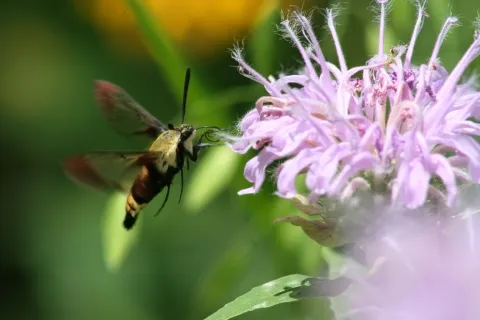
While caterpillars depend on milkweed leaves, adult monarchs turn to the nectar-rich flowers of milkweed, among other plants, as a vital food source. This sugary nectar provides the energy they need for their daily activities, reproduction, and, crucially, for their long-distance migrations. For those generations of monarchs that travel thousands of miles to overwintering grounds in Mexico or California, milkweed flowers are essential fueling stations along their arduous journey. Planting milkweed for monarchs ensures that these intrepid travelers have the energy reserves they need.
 Adult monarch butterfly sipping nectar from a vibrant pink milkweed flower cluster, essential for its migration.
Native vs. Non-Native: Making the Right Milkweed Choice for Monarchs
Now, here’s a crucial point for every gardener wanting to help: not all milkweed is created equal when it comes to supporting monarchs. While the thought of planting any milkweed might seem helpful, using native species is paramount.
The Problem with Tropical Milkweed
Tropical milkweed (Asclepias curassavica), with its bright, year-round blooms, is often readily available in garden centers. It’s tempting, I know! However, in regions where it’s not native (like much of the U.S.), tropical milkweed can cause serious problems. It doesn’t die back in winter in warmer climates, which can encourage monarchs to linger, breed year-round, and skip their essential migration. This can also lead to a higher transmission of a debilitating parasite called Ophryocystis elektroscirrha (OE), which can weaken butterflies and shorten their lifespan.
Why Native Milkweed Reigns Supreme for Monarch Health
Native milkweed species are perfectly synchronized with the monarch’s natural life cycle and migration patterns in your local area. They emerge in spring, providing food for early caterpillars, and die back in the fall, signaling monarchs that it’s time to migrate. This natural rhythm is essential for healthy monarch populations. By choosing native milkweed for monarchs, you are providing the right food at the right time and supporting their long-term survival.
Spotlight on Milkweed (Asclepias spp.): The Monarch’s Imperative Host
Milkweed is a diverse genus with many species native to different parts of North America. Finding the right ones for your region is key.
- Scientific Name: Asclepias spp.
- Common Name: Milkweed (various species include Common Milkweed, Swamp Milkweed, Butterfly Weed, etc.)
- Zone: Varies widely by species (e.g., Common Milkweed, Asclepias syriaca, is often hardy in zones 3-9). Always check for species native to your specific area.
- Light: Typically full sun, though some species can tolerate partial shade.
- Humidity: Varies by species; many are quite adaptable once established.
- Water: Generally moderate. Many native milkweed species are impressively drought-tolerant once their root systems are established. Avoid overwatering.
Your Monarch Oasis: Planting and Nurturing Milkweed
Ready to roll up your sleeves and create a monarch sanctuary? It’s easier than you think!
Setting the Stage: Tips for Successful Milkweed Planting
Most native milkweeds prefer a spot with plenty of sunshine – at least six hours a day. They are generally not fussy about soil, as long as it’s well-draining. When planting, give them some space to spread, as some varieties can be quite vigorous. You can start milkweed from seeds (some require a period of cold stratification) or purchase young plants from nurseries specializing in native flora. Planting a patch of at least 5-6 plants is a good start to attract monarchs.
Tending Your Monarch Buffet: Milkweed Care Essentials
Once established, native milkweed is wonderfully low-maintenance. Water regularly during the first growing season, but after that, many species are quite drought-tolerant. The most important aspect of care? Avoid pesticides entirely! Even organic options can harm monarch eggs and caterpillars. You might notice aphids on your milkweed; they are common and usually don’t cause significant harm to healthy plants or the monarchs. Think of them as part of the mini-ecosystem your milkweed supports.
 A cluster of yellow aphids on a milkweed stem, a common sight for gardeners planting milkweed for monarchs.
The Wonder of Metamorphosis: Observing the Monarch Life Cycle in Your Garden
One of the greatest rewards of planting milkweed for monarchs is witnessing their incredible life cycle up close. After about two weeks of feasting, a monarch caterpillar will seek a sheltered spot, often on the milkweed plant itself or nearby vegetation, and form a beautiful, jade-green chrysalis, sometimes flecked with gold.
 A jade green monarch chrysalis with gold flecks hanging from a milkweed plant, a sign of transformation.
Inside this protective casing, the caterpillar undergoes its miraculous transformation. After about 10-14 days, a magnificent adult monarch butterfly will emerge. It’s a breathtaking moment to witness its wings drying and hardening before it takes its first flight. Many gardeners, myself included, cherish these moments as a direct result of their planting efforts.
 A newly emerged monarch butterfly clinging to its chrysalis casing on a milkweed plant, wings freshly unfurled.
Beyond Your Fence: The Wider Impact of Planting Milkweed for Monarchs
Planting milkweed in your garden might seem like a small act, but its collective impact is enormous. Monarch populations have faced significant declines due to habitat loss, pesticide use, and climate change. Every patch of native milkweed, whether in a backyard, a school garden, or a community park, becomes a vital stepping stone in a network of monarch-friendly habitats. By choosing to plant milkweed for monarchs, you become an active participant in a continent-wide conservation effort, helping to ensure these beautiful butterflies continue to grace our skies for generations to come.
Share the Monarch Love!
The journey of the monarch butterfly is one of nature’s most awe-inspiring spectacles, and milkweed is its indispensable partner. We hope this guide has inspired you to embrace the joy of planting native milkweed for monarchs. It’s a simple, rewarding way to contribute to their survival and bring a touch of wild magic to your own little garden.
Do you have experiences planting milkweed or watching monarchs in your garden? We’d love to hear your stories! Share your tips, questions, or monarch sightings in the comments below. Let’s grow a brighter future for these incredible creatures, one milkweed plant at a time.