- Define your clear vision before you dig.
- Prioritize quality, long-lasting plants that bring joy now and in the future.
- Simplify large projects by focusing on one manageable zone at a time.
Feeling overwhelmed by your yard? Does the idea of landscaping feel like a monumental task? You’re not alone! Many of us dream of a beautiful outdoor space but get bogged down in the details. What if I told you there’s a way to create a serene, welcoming garden without the fuss? It’s called minimalist landscaping, and it’s all about intentional design, simplicity, and cultivating peace right outside your door.
As someone deeply invested in making a house feel like a cozy home, I’ve discovered these principles apply just as beautifully to the garden. My own journey through transforming various outdoor spaces has taught me that focusing on key elements, choosing wisely, and working incrementally makes all the difference. Let’s explore some simple steps to embracing a minimalist approach in your own garden.
Cultivate Your Vision: The Foundation of Minimalist Design
Before you buy a single plant or move a shovel of dirt, the first step in minimalist landscaping is crystal clear vision. It’s not enough to know you dislike what you have; you need to paint a vivid picture of what you truly want. This isn’t about endless options; it’s about focusing on the essential feel and function you desire for your space.
Pinpoint Your Desired Aesthetic
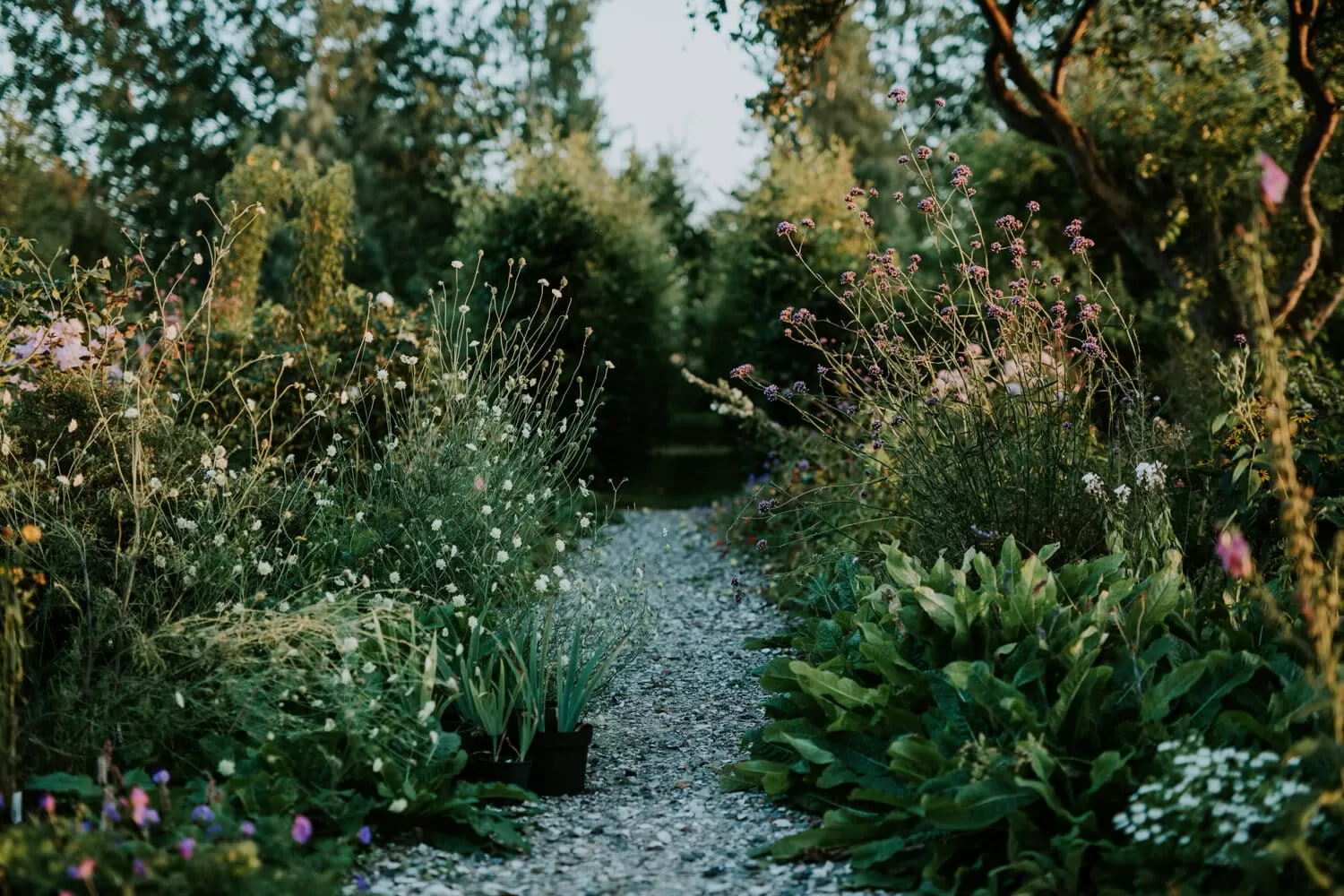
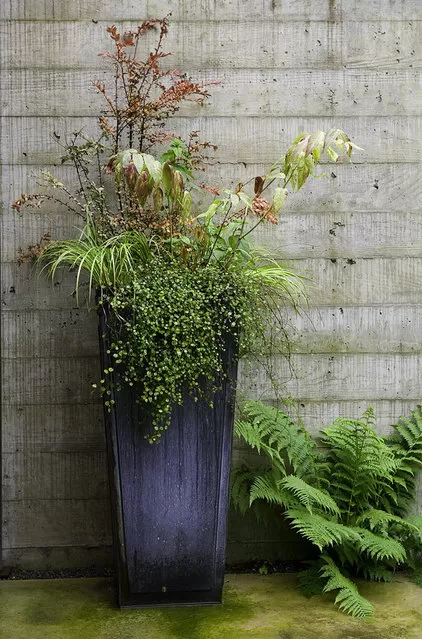
What does “serene” or “welcoming” look like to you? Is it clean lines, calming colors, specific textures, or a particular type of plant? Gathering inspiration helps refine this. Spend time browsing garden books, scrolling through landscape designs online, or visiting local nurseries. Create a dedicated space, perhaps a digital board, to collect images that make your heart sing. Look for common threads in the designs you love – these are clues to your minimalist aesthetic. This process isn’t about copying; it’s about understanding your preferences so you can make focused choices later.
Leverage Inspiration Boards Strategically
Think of your inspiration board as your minimalist manifesto for the garden. Every image should reinforce the calm, simple vibe you’re aiming for. Nine years ago, long before I even owned a house, I stumbled upon a photo of a simple white door framed by a lush, evergreen vine. It struck a chord deep within me. I didn’t know the plant or if I could grow it, but I knew that welcoming, classic feel was exactly what I wanted. Identifying that single element became a guiding principle for my future projects.
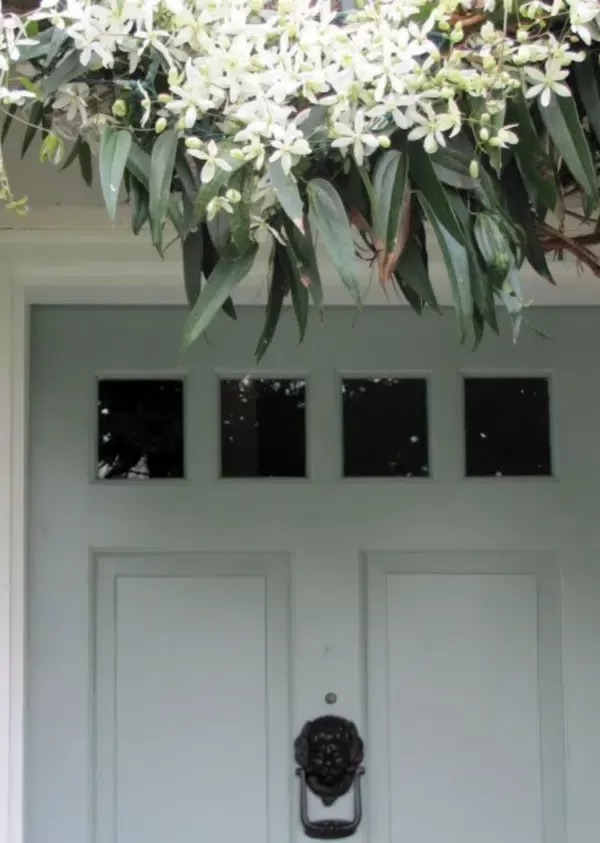 Inspirational image of a welcoming home entrance with white doors and a blooming Clematis vine framing the entrance
This one image of the charming vine fueled my vision for years. When we finally tackled our front entrance renovation, adding new doors and creating garden beds, that vine was central to the plan. It wasn’t just about adding a plant; it was about bringing that specific feeling of warmth and welcome to life, embodying a focused, minimalist goal.
Plant with Intention: Investing in Lasting Beauty
A core principle of minimalist living is choosing quality over quantity, things that bring sustained value and joy rather than fleeting trends. This translates beautifully to minimalist landscaping. Instead of filling beds with annuals that last one season, focus on intentional planting with species that offer enduring charm and often require less intensive care over time.
Prioritize Perennials for Enduring Charm
Perennials come back year after year, providing reliable structure and beauty with minimal effort once established. While they might have a higher upfront cost than annuals, they are an investment in your garden’s future, reducing the need for yearly replanting and maintenance – a truly minimalist approach to upkeep.
The Value of Mature Plants
Sometimes, investing a little more upfront pays dividends in immediate joy and long-term impact. I learned this lesson with peonies. While I could find younger plants for less, paying more for mature, established ones meant dozens of blooms right away, rather than waiting years for a substantial display. Bigger, healthier plants also mean you often need fewer of them to fill a space and create that lush, finished look you desire sooner.
 Lush side garden bed showcasing blooming peonies and other low-maintenance perennial plants
Featured Plant Spotlight: Clematis Armandii
This evergreen vine was the star of my front door inspiration! Its lush foliage and fragrant spring blooms offer significant impact for a single plant.
- Scientific Name: Clematis armandii
- Common Name: Evergreen Clematis
- Zone: 7-9
- Light: Full sun to partial shade
- Humidity: Average
- Water: Needs consistently moist, well-drained soil, especially while establishing.
Choosing key plants like this, which offer multiple seasons of interest and fulfill a specific role in your design, is central to an intentional, minimalist planting strategy.
Simplify Execution: Master Your Space, Zone by Zone
One of the biggest hurdles to landscaping is the sheer scale of the project. A large yard or multiple unloved areas can feel paralyzing. Minimalist landscaping tackles this challenge head-on by advocating for a “zone-by-zone” approach.
Why the Zone Approach Works
Instead of attempting to overhaul everything at once (which leads to scattered, unfinished work and burnout), break your outdoor space into smaller, manageable “rooms” or zones. Focus all your energy on completing one zone before moving to the next. This aligns perfectly with minimalist principles by reducing decision fatigue, allowing for focused effort, and providing the motivating satisfaction of seeing areas fully completed.
Defining Your Outdoor “Rooms”
Your zones might be defined by existing structures (a patio, a fence line, the area around the front door), function (an outdoor dining area, a children’s play space), or simply a natural boundary (a specific garden bed, a corner of the yard). Identify the zone that is most important to you, gets the most use, or offers the biggest impact. For us, after tackling areas related to a pool project, we moved to the back door area (our main entry), and finally, last year, the front door became the focus.
 Front porch area in early summer during initial stages of renovation and minimalist landscaping preparation
Celebrating Progress in Each Zone
Working zone by zone allows you to see tangible progress. Completing one area provides a sense of accomplishment and fuels motivation for the next. Even if other parts of your yard are still waiting for attention, having finished, beautiful zones makes the overall project feel less daunting. It’s about creating pockets of calm and beauty, one step at a time.
 Front porch area in fall, showing painted new doors and progress on garden beds, reflecting a simplified design
Our front garden project took time, evolving from the inspiration phase to digging beds, installing walkways, and finally planting the key elements. By focusing on this specific “front door room,” we were able to bring the vision to life step by step. Even if parts of the yard are still unfinished, the completed zones feel serene and intentional.
 Side garden bed featuring a minimalist sphere fountain as a focal point within a structured landscape zone
Embrace the Calm: Start Your Minimalist Garden Journey
Minimalist landscaping isn’t about having nothing; it’s about having exactly what brings you joy, peace, and beauty with less unnecessary complexity. By cultivating a clear vision, planting with intention, and mastering your space zone by zone, you can transform your outdoor areas into serene extensions of your home.
Are you ready to simplify your garden and cultivate more calm? Start small, define your first zone, and choose a few intentional plants. You might be surprised how much joy you find in the process, and the results.
Happy planting!
Ready to share your minimalist landscaping dreams or challenges? Leave a comment below! Don’t forget to share this article with fellow garden enthusiasts, and explore more tips on creating a home you love right here at Thelittle.garden.