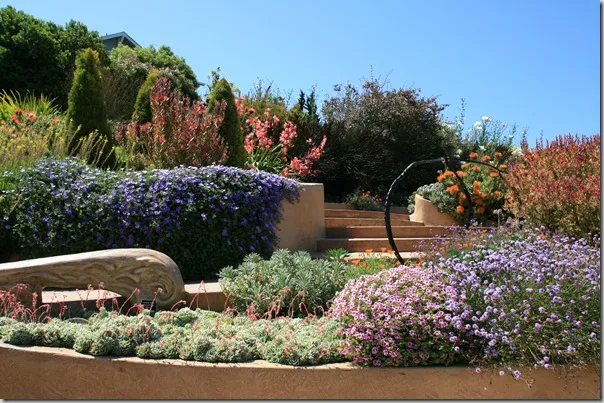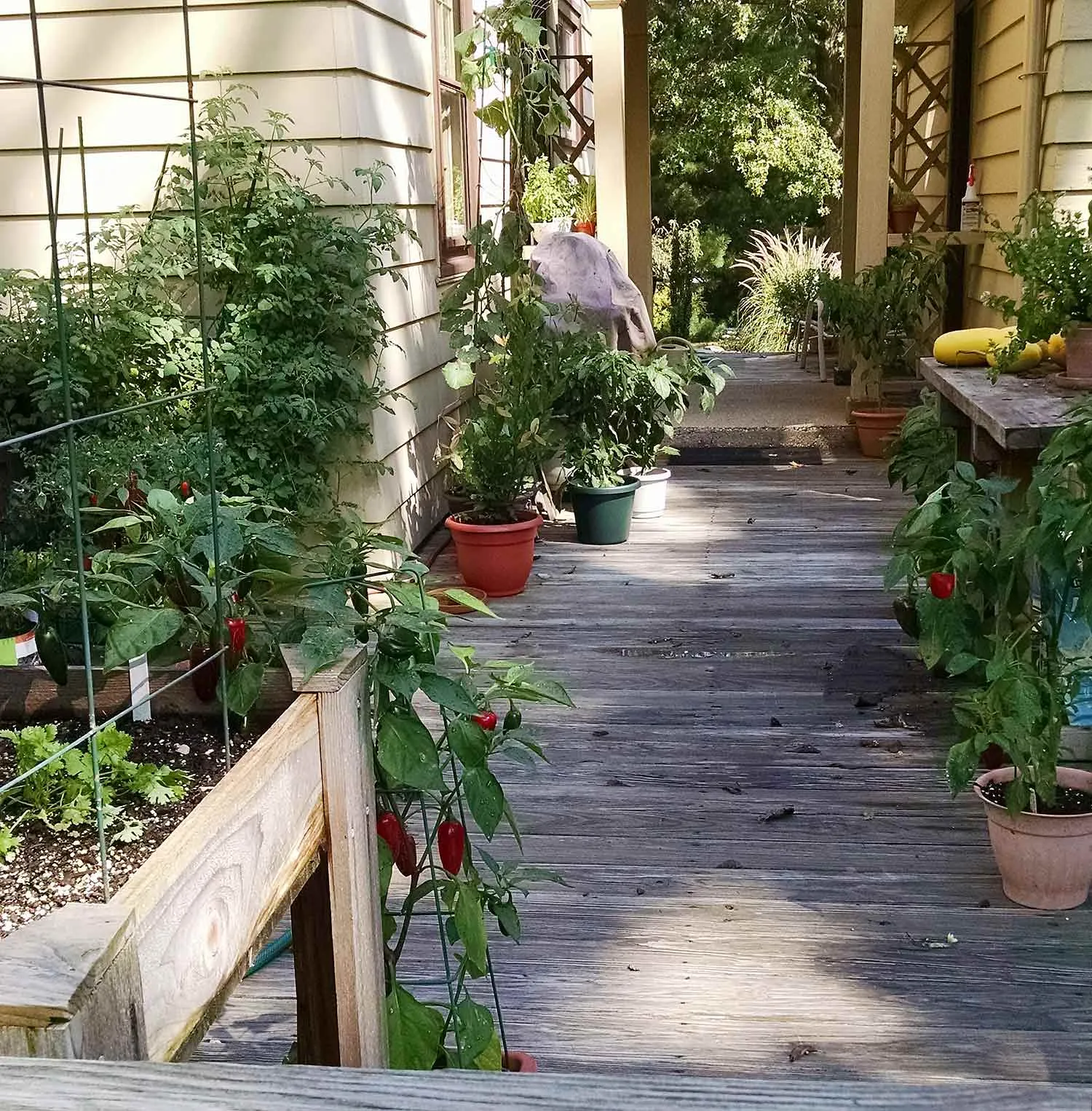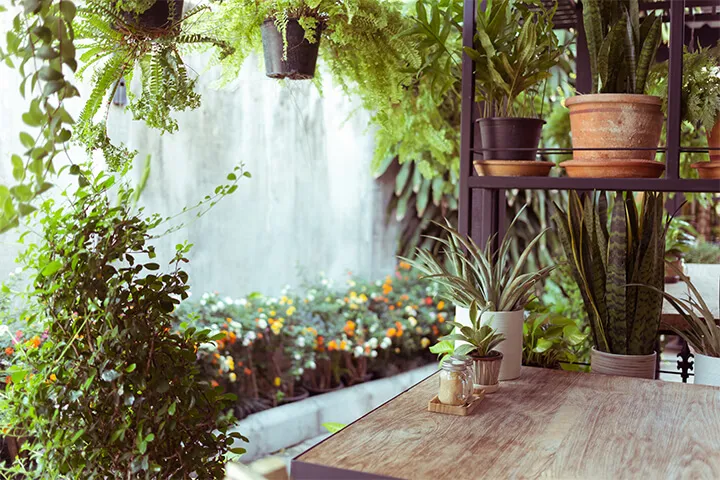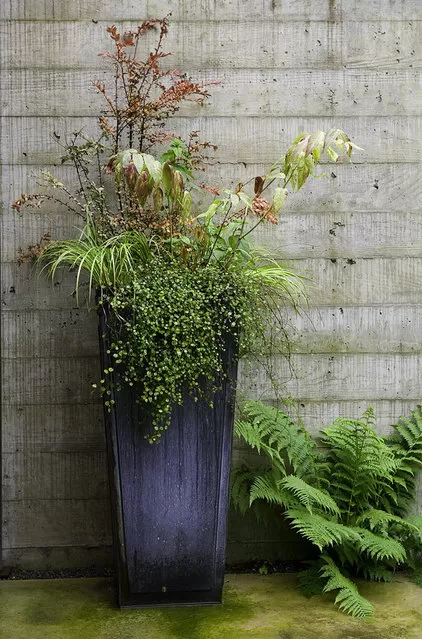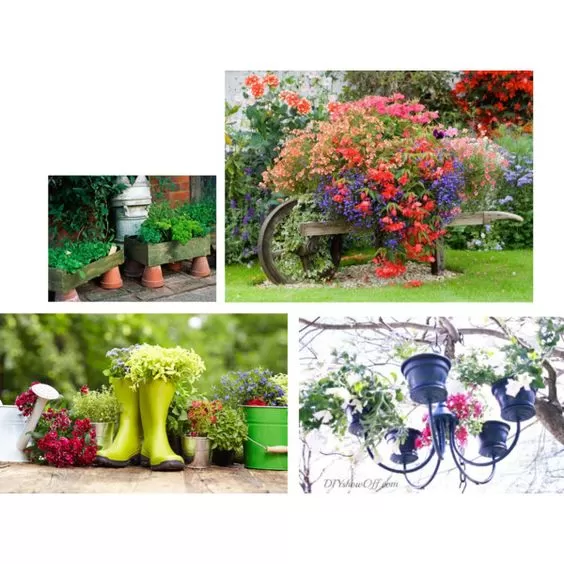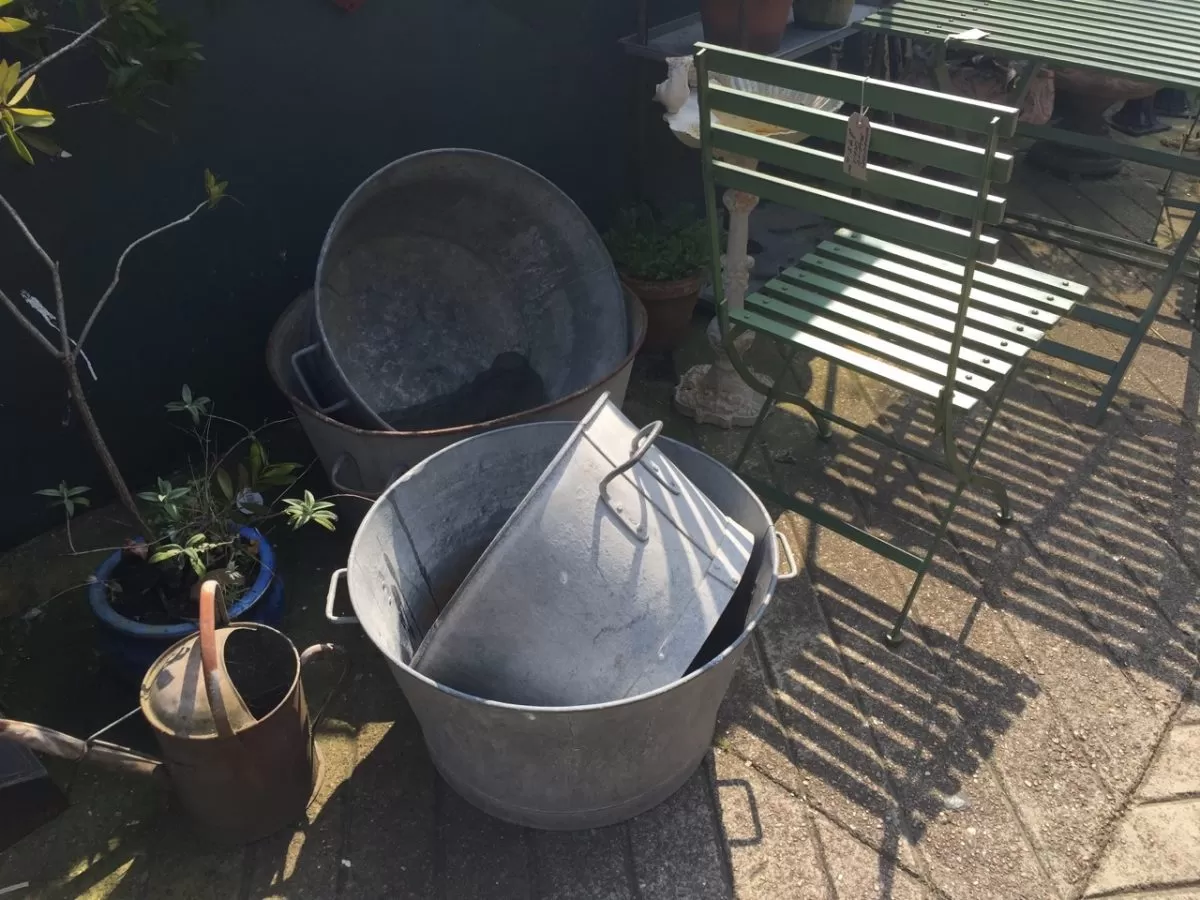
Limited outdoor space doesn’t mean sacrificing your gardening dreams or relaxation needs. With clever design, even the smallest patio, balcony, or backyard can become a dynamic, multifunctional oasis.
- Maximize every inch with vertical gardening and multi-level planters.
- Combine planting areas with comfortable seating for ultimate space efficiency.
- Choose furniture and features that serve dual or triple purposes.
- Blend edible plants with ornamentals for beauty and bounty.
- Incorporate smart solutions for easier care and year-round enjoyment.
Transforming a compact area requires smart planning and creative solutions that make every element work harder. The key is finding ways to layer functionality – think upward, consider dual-purpose items, and design for different activities and seasons. Let’s explore some innovative ideas, focusing on how multifunctional garden seating planters and similar concepts can elevate your small outdoor space.
Thinking Upward: Vertical Gardens and Tiered Planting
When horizontal space is scarce, look to your walls and fences. Vertical gardening is a game-changer for small spaces, allowing you to grow significantly more plants while adding striking visual interest.
Utilizing Wall-Mounted Planters and Hanging Baskets
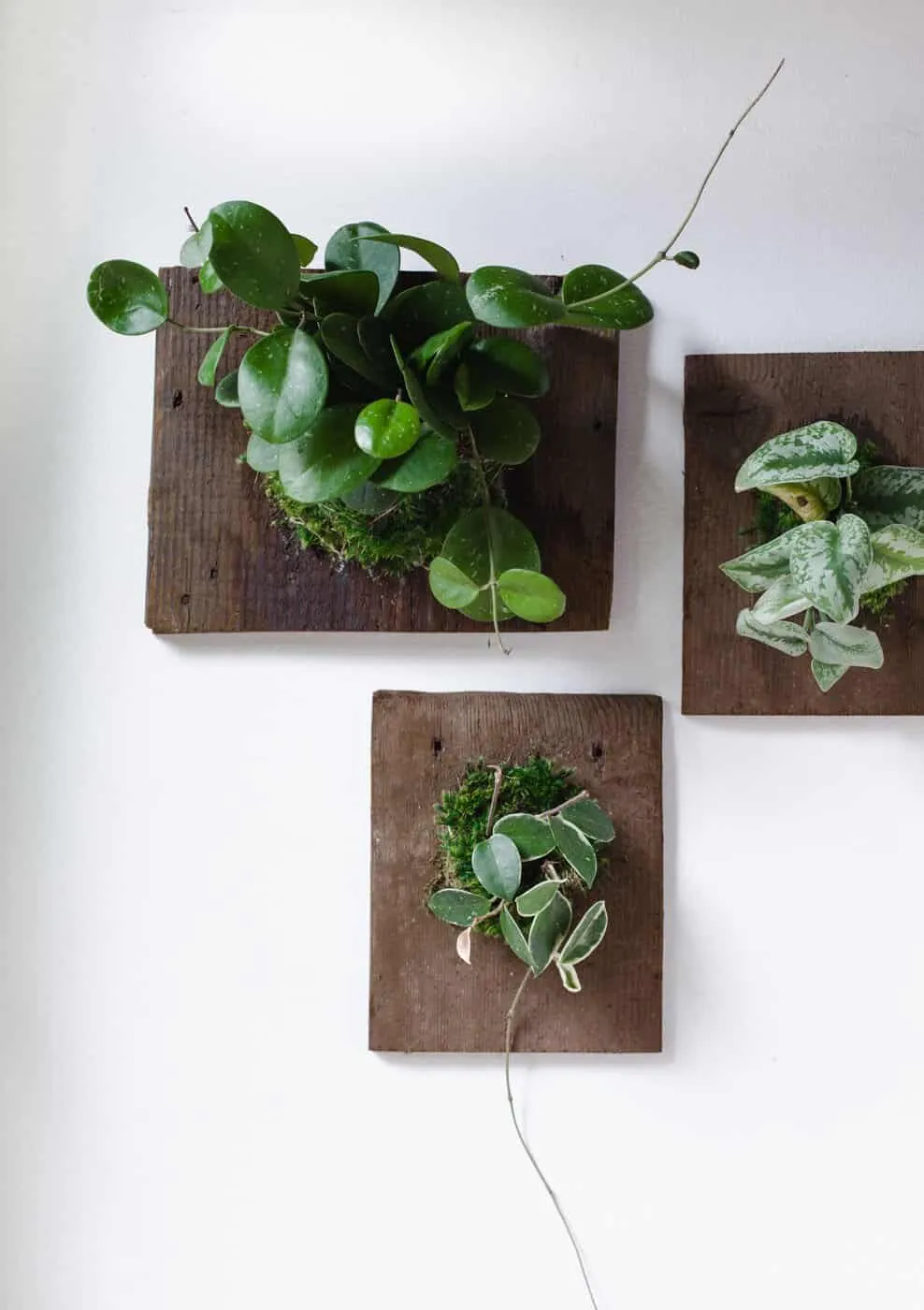
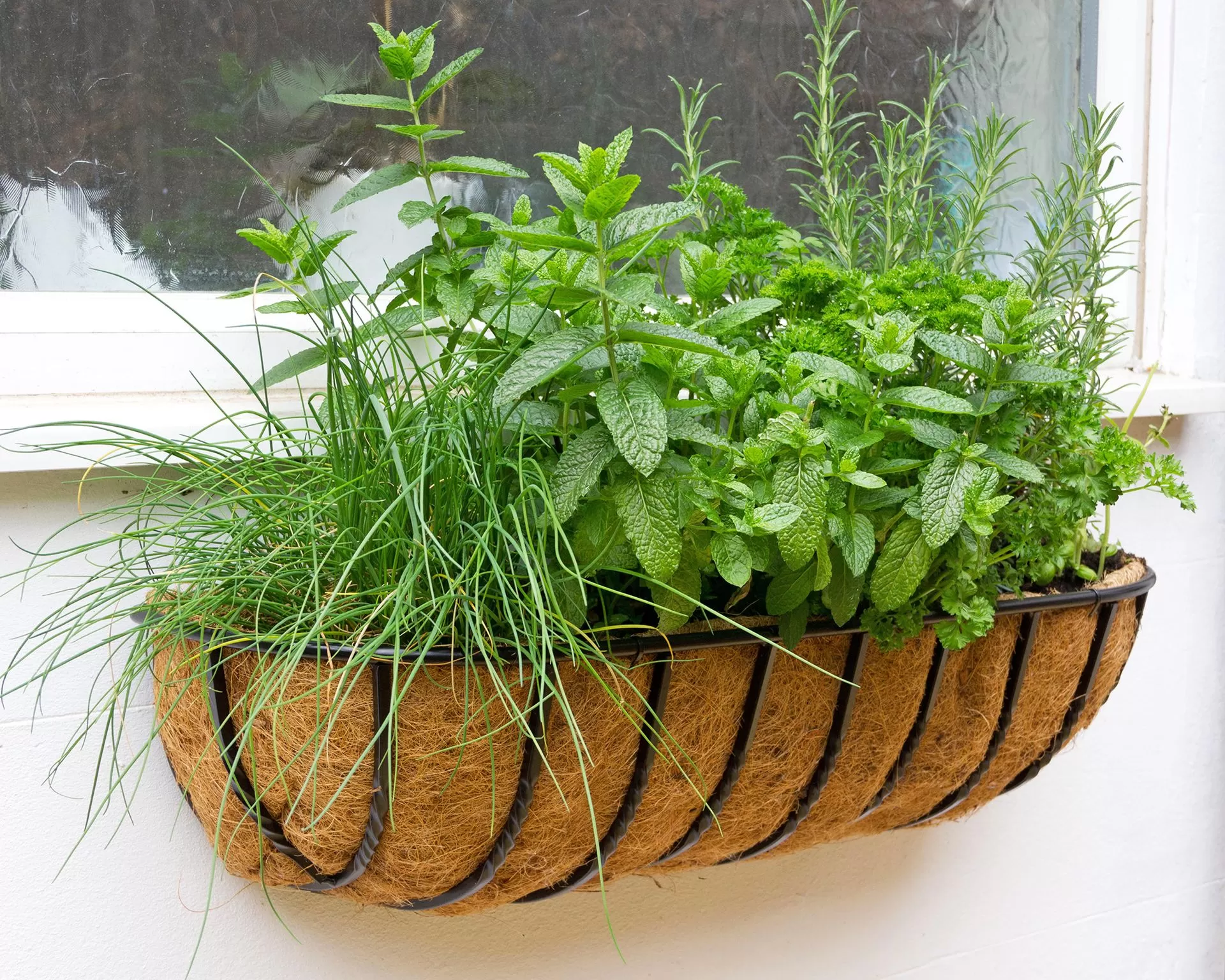
Turn bare walls into vibrant living displays using mounted planters. These can range from simple pots attached to a wall grid to elaborate pocket systems perfect for herbs, succulents, or cascading flowers. Hanging baskets suspended from eaves, pergolas, or even tree branches add another layer of green without occupying precious floor space. Imagine a wall of fragrant herbs just outside your kitchen door or a balcony railing adorned with colorful blooms.
Installing Trellises and Living Walls
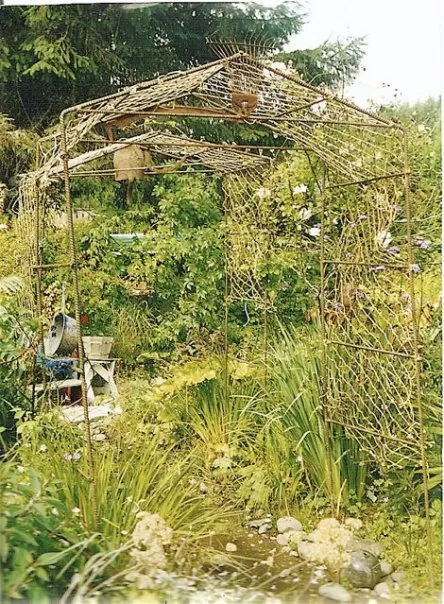
Trellises aren’t just for climbing roses; they are invaluable for supporting vertical growth of vegetables like cucumbers, beans, and peas. Positioning trellises along boundaries offers natural privacy screens while maximizing your growing area. For a truly immersive green experience, consider modular living wall panels. These systems can host dozens of plants in a small footprint, creating a lush backdrop that cleans the air and adds beauty. They are customizable to fit specific light conditions, making them viable for various microclimates within your small garden.
Layering Levels: Multi-Level Beds and Integrated Seating
Beyond going vertical, adding different heights to your garden beds creates depth and dimension, making small areas feel more expansive. Multi-level designs also provide varied growing conditions for different plant needs.
Building Tiered Planting Systems
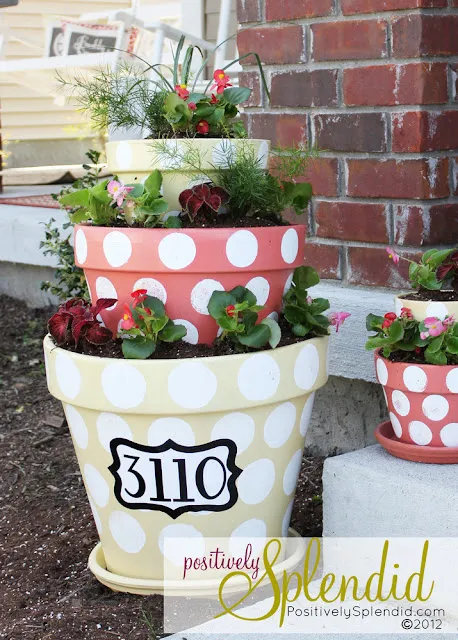
Tiered planters stack growing levels vertically, essentially multiplying your planting capacity. These can be purchased as ready-made units or built using materials like wood or composite boards to create stepped beds. Place taller plants on upper tiers and trailing or sun-loving varieties on lower ones to ensure optimal light access and create a visually appealing cascade of foliage and flowers.
 Mr. Stacky 5 Tier Stackable Strawberry, Herb, Flower, and Vegetable Planter – Vertical Garden Indoor/OutdoorThis image shows a multi-tiered stacking planter system, designed for growing strawberries, herbs, flowers, or vegetables in a compact vertical arrangement, perfect for small garden spaces.
Incorporating Raised Beds with Built-In Seating
This is where the concept of multifunctional garden seating planters truly shines. Raised beds with integrated seating offer a brilliant way to combine planting space with comfortable lounging or working areas. Design L-shaped or U-shaped beds with wide edges (at least 12-18 inches) at a comfortable sitting height (around 18-20 inches). This wide edge serves as a bench while the main part of the bed contains the soil for planting.
Using durable, weather-resistant materials like cedar or composite lumber ensures longevity. Add outdoor cushions to the seating ledge for extra comfort, turning a functional planting bed into a cozy spot for enjoying your garden, harvesting herbs, or simply relaxing amongst your plants. These multifunctional garden seating planters eliminate the need for separate seating areas, freeing up significant space for more planting or other activities.
Smart Furniture Choices: Convertible and Dual-Purpose Pieces
Outdoor furniture doesn’t have to be static. Choosing pieces that adapt or serve multiple roles is essential in a small garden.
Foldable and Stackable Solutions
Invest in furniture that can disappear when not needed. Bistro sets that fold flat or chairs that stack neatly and can be hung on a wall instantly reclaim patio space. Look for nesting tables that tuck away or modular seating components that can be reconfigured for different occasions – a small table for coffee, then expanded for dining.
Benches with Integrated Storage
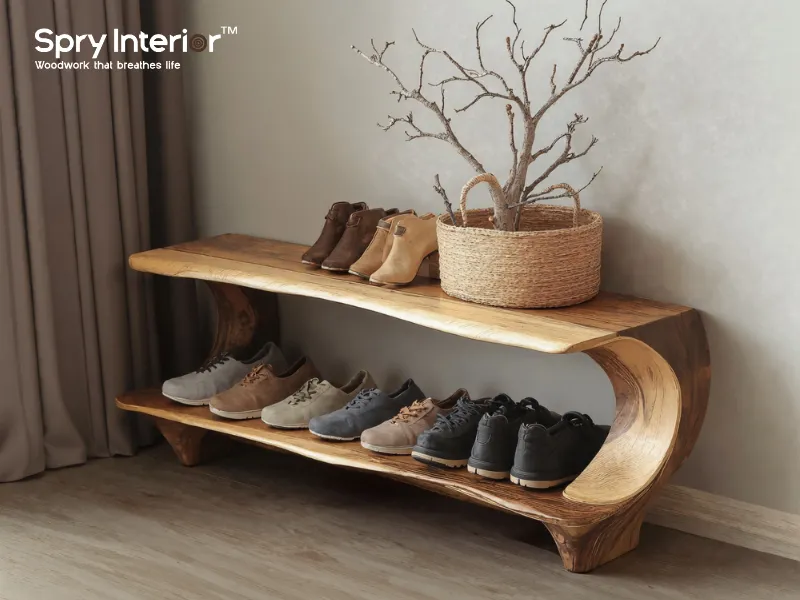
A bench that also offers storage underneath is a prime example of a multifunctional garden seating planter concept, even if it doesn’t contain plants directly. These benches provide comfortable seating while offering hidden storage for gardening tools, cushions, kids’ toys, or outdoor games. Some clever designs even incorporate small hidden tables or potting surfaces. Look for waterproof compartments to keep contents dry.
Edible Beauty: Integrating Food and Ornamentals
Why choose between beauty and bounty? Edible landscaping allows you to enjoy both in your small garden.
Designing Ornamental Vegetable and Herb Displays
Many edibles are visually appealing. Arrange colorful Swiss chard, crinkly kale, or the vibrant leaves of basil alongside traditional flowers or shrubs. Use dwarf herbs like thyme or oregano as fragrant groundcover or border plants that release scent when brushed. Strategic planting turns your garden into an attractive display that also provides fresh ingredients for your kitchen.
Incorporating Fruit Trees as Focal Points
Even small gardens can host fruit trees! Choose dwarf varieties that grow compactly. Multi-grafted trees are fantastic space savers, producing several types of fruit (like different apples or cherries) on a single trunk. Plant them in a corner or as a central feature.
Mentioned Plant Species:
- Swiss Chard: Beta vulgaris (Cicla Group), Common Name: Swiss Chard, Zone: 2-10 (annual in colder zones), Light: Full sun to partial shade, Humidity: Moderate, Water: Consistent moisture.
- Kale: Brassica oleracea (Acephala Group), Common Name: Kale, Zone: 7-10 (can be grown as annual elsewhere), Light: Full sun, Humidity: Moderate, Water: Consistent moisture.
- Rosemary: Salvia rosmarinus, Common Name: Rosemary, Zone: 7-10 (can be overwintered indoors elsewhere), Light: Full sun, Humidity: Low to Moderate, Water: Drought tolerant once established.
- Basil: Ocimum basilicum, Common Name: Basil, Zone: 10-11 (typically grown as annual), Light: Full sun, Humidity: Moderate, Water: Consistent moisture.
- Thyme: Thymus vulgaris, Common Name: Thyme, Zone: 5-9, Light: Full sun, Humidity: Low, Water: Drought tolerant once established.
- Dwarf Fruit Trees: Common Name: Various (Apple, Cherry, Peach, Pear, etc.), Zone: Varies by species/variety (check specific plant), Light: Full sun, Humidity: Moderate, Water: Consistent moisture, especially when fruiting.
- Mint: Mentha species, Common Name: Mint, Zone: 3-11, Light: Full sun to partial shade, Humidity: High, Water: Consistent moisture (can tolerate wet soil). (Note: Can be invasive, often best grown in containers or contained beds).
- Chives: Allium schoenoprasum, Common Name: Chives, Zone: 3-9, Light: Full sun to partial shade, Humidity: Moderate, Water: Consistent moisture.
Underplanting fruit trees with shade-tolerant herbs like mint (in a container!) or chives creates productive layers that utilize every bit of vertical and horizontal space around the tree base.
 Bonsai Fruit Tree Seeds: Lemon, Cherry, Orange, AppleThis image displays a pack of seeds for growing dwarf fruit trees like lemon, cherry, orange, and apple, suggesting the possibility of growing fruit in limited spaces.
Water Features with Purpose: Beyond Just Beauty
Water features add soothing sounds and visual appeal, but they can also contribute to the garden’s functionality.
Combination Irrigation and Decorative Elements
A simple recirculating fountain can be designed to also water nearby plants, providing gentle irrigation while creating a relaxing ambiance. Solar-powered pumps keep running costs low and are eco-friendly. Pairing a small fountain or water spout with a planter bed can create a beautiful focal point that also serves a practical watering purpose.
 MIXC 230FT Quick-Connect Drip Irrigation System Kit, Automatic Garden Watering System with 1/4This image shows a comprehensive drip irrigation system kit with tubing and various nozzles, illustrating technology used for efficient plant watering in gardens.
Rain Gardens for Runoff Management and Habitat
If your small garden has a low spot prone to collecting water, turn it into a rain garden. These specially planted areas use water-loving native species to absorb stormwater runoff, helping to filter pollutants and prevent erosion. They create a mini-habitat that attracts beneficial insects and birds, adding ecological value to your compact space.
Adapting to Seasons: Year-Round Enjoyment
A multifunctional garden should be enjoyable year-round. Design with seasonal changes in mind.
Planning for Winter Interest and Summer Shade
Choose plants that perform well in different seasons. Deciduous trees provide lovely shade in summer and allow warming sunlight through their bare branches in winter. Incorporate evergreens for structure and color throughout the year, especially dwarf conifers that fit small spaces. Winter-blooming plants like witch hazel or hellebores offer cheer during the colder months. Consider features like retractable awnings or temporary covers over patios or seating areas to provide shade or shelter as needed.
Mentioned Plant Species:
- Dwarf Conifers: Common Name: Various (Pine, Spruce, Fir, Juniper, Cypress, etc.), Zone: Varies by species/variety (check specific plant), Light: Full sun to partial shade (varies), Humidity: Moderate, Water: Consistent moisture, especially when young.
- Witch Hazel: Hamamelis species, Common Name: Witch Hazel, Zone: 3-9, Light: Full sun to partial shade, Humidity: Moderate, Water: Consistent moisture.
- Hellebores: Helleborus species, Common Name: Hellebore, Lenten Rose, Zone: 4-9, Light: Partial to full shade, Humidity: Moderate, Water: Consistent moisture, well-drained soil.
 Dwarf Papoose Sitka Spruce 1 – Year Live PlantThis image depicts a small potted Sitka Spruce plant, highlighting the availability of dwarf conifers suitable for adding year-round structure to compact garden designs.
Creating Flexible Spaces
Design zones that can easily transition. Lightweight, movable planters on wheels allow you to reconfigure seating areas or sunny spots as seasons change. A small fire pit can serve as a social hub on cool evenings and double as a decorative element or even a temporary planting base during warmer months (when cool).
Embracing Technology: Modernizing Your Small Garden
Smart technology can enhance the functionality and ease of managing a small garden.
Automated Watering Systems
Drip irrigation systems are highly efficient for small spaces, delivering water directly to roots and reducing waste. Connect them to smart controllers that adjust schedules based on weather, ensuring plants get exactly what they need without manual effort. This is particularly useful for vertical gardens or raised beds.
Multi-Purpose Lighting and Security
Outdoor lighting serves multiple purposes: illuminating pathways for safety, highlighting garden features, and providing ambiance for evening enjoyment. Solar-powered path lights are easy to install and energy-efficient. Motion-activated spotlights near seating areas or entry points add security and practical lighting when needed. Consider smart lighting systems controllable via smartphone to adjust brightness or color to suit the mood.
 URAGO Solar Pathway Lights – 10 PackThis image shows a set of ten solar-powered pathway lights with a decorative pattern, illustrating one type of multi-purpose lighting for small gardens providing both illumination and aesthetic appeal.
Conclusion: Your Multifunctional Garden Paradise Awaits
Your small garden is a canvas brimming with potential. By thoughtfully implementing ideas like vertical gardening, multi-level designs, smart furniture, edible landscaping, and especially by incorporating concepts like multifunctional garden seating planters, you can create a dynamic outdoor space that caters to multiple needs – from growing food to relaxing with a book.
Remember, successful small space design is about creative problem-solving and layering functions. Start with a few ideas that resonate with your lifestyle and the unique characteristics of your space. Experiment with different elements, like combining comfortable seating with accessible planting areas through multifunctional garden seating planters.
The true joy comes from personalizing these concepts to fit your vision. Whether you dream of a productive veggie patch, a peaceful reading nook, or an entertaining hub, these multifunctional approaches ensure your compact garden delivers maximum enjoyment from every single inch.
What are your favorite ways to make a small garden work harder? Share your thoughts in the comments below! Don’t forget to explore other articles on Thelittle.garden for more inspiration on transforming your outdoor space.