- Even small spaces like balconies or patios can become thriving pollinator habitats.
- Creating a pollinator container garden supports essential wildlife and boosts your own well-being.
- Planning involves choosing the right location, determining size (including vertical space), and selecting native plants.
- Careful plant selection, container choice, and ongoing maintenance ensure a successful garden.
- Anyone can create a beautiful, beneficial garden space with a few simple steps.
Imagine sipping your morning coffee surrounded by the gentle buzz of bees, the flutter of butterfly wings, and the vibrant colors of blooming flowers, all within arm’s reach on your balcony or patio. This isn’t just a dream; it’s entirely achievable! You don’t need acres of land to make a real difference for our precious pollinators and enjoy a beautiful green retreat. With careful planning and a little creativity, you can design a stunning pollinator container garden design that transforms any small space into a buzzing, beautiful haven. Let’s dive into how you can create this urban oasis.
Why Create a Pollinator Container Garden?
The importance of pollinators like bees, butterflies, hummingbirds, and moths cannot be overstated. They are vital for the reproduction of flowering plants, including many that provide our food. Sadly, pollinator populations are declining due to habitat loss, pesticide use, and climate change. By creating a pollinator garden, no matter how small, you provide crucial food sources (nectar and pollen), shelter, and nesting sites. Think about the collective impact if every household dedicated even a small corner to these vital creatures!
Beyond the ecological benefits, gardening is wonderfully rewarding for people too. Tending to plants in containers offers a calming activity that connects you with nature. Spending time in green spaces has been proven to reduce stress, improve mood, and boost overall mental well-being. Your pollinator container garden becomes a living, breathing piece of art and a personal sanctuary.
 A compact balcony is filled with pots of vibrant flowering plants, creating a lush retreat in an urban setting.
Planning Your Pollinator Container Garden Design
Successful container gardening starts with smart planning. Consider your space, your climate, and how much time you can dedicate.
Choose Your Location Wisely
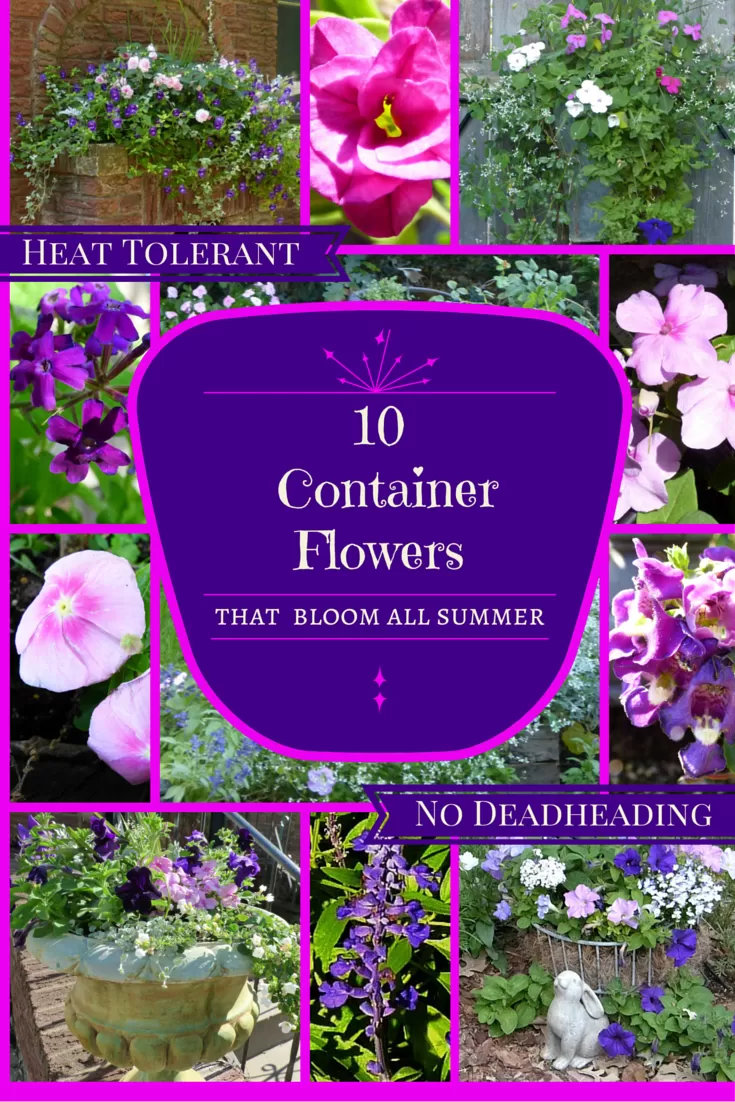
Sunlight is often the most limiting factor in container gardening. Most flowering pollinator plants thrive in full sun (at least 6-8 hours per day). Observe your potential garden spot throughout the day to understand its light patterns. If your balcony or patio is shady, don’t despair! Many excellent pollinator-attracting plants tolerate or prefer shadier conditions. The key is matching the plant to the light available. Also consider wind exposure, especially on upper-story balconies, as strong winds can dry out containers quickly and damage plants.
Determine the Size and Layout
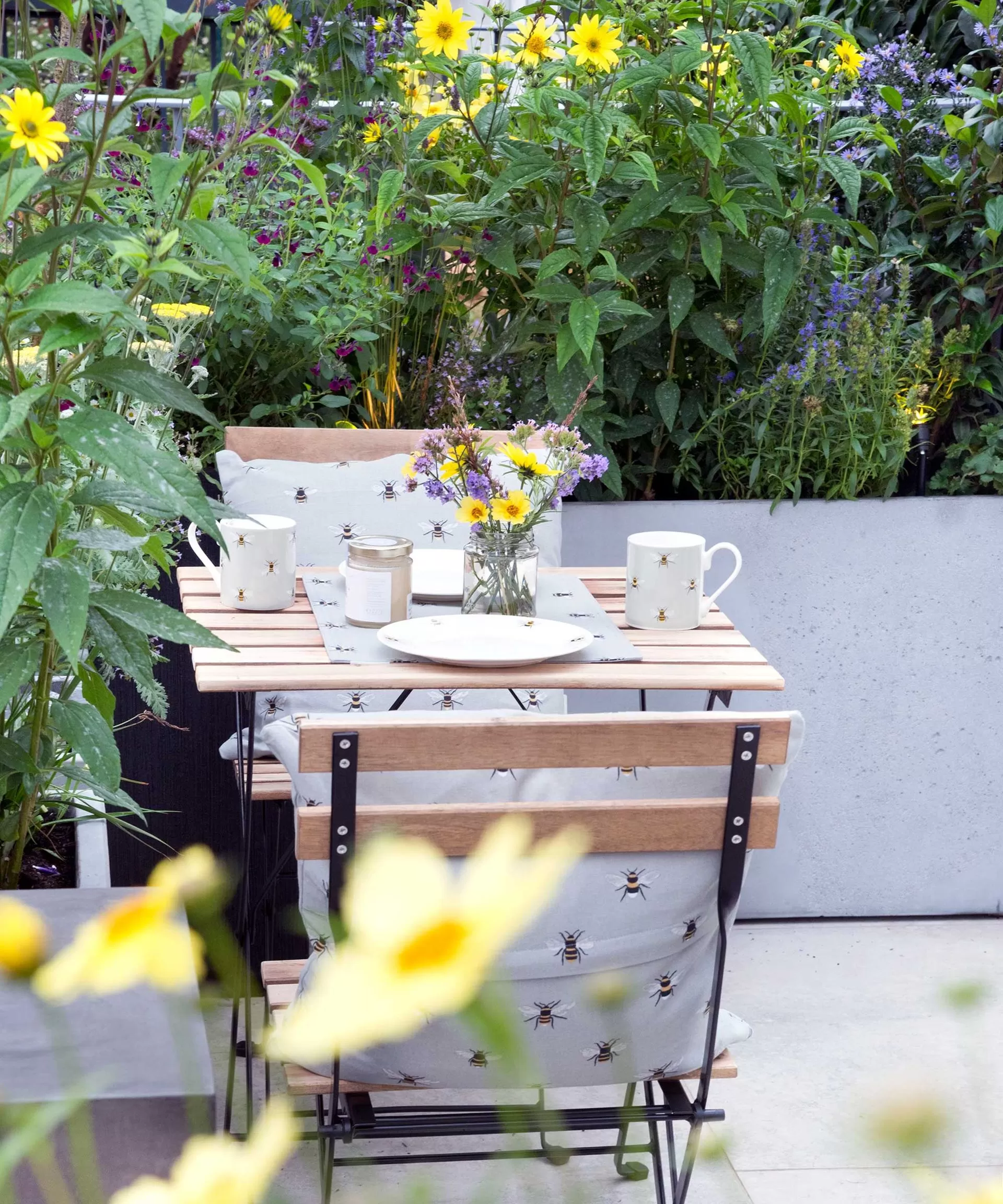
How much space can you realistically dedicate? Don’t just think horizontally; think vertically too! Balcony railings are perfect for hanging baskets or window boxes. Walls can host vertical planters or trellises for climbing vines. Shelves or tiered plant stands maximize the number of plants you can fit.
Use chalk or tape to outline where you imagine placing containers to get a feel for the space. Ensure there’s still room for you to comfortably enjoy your garden – perhaps a small chair or table. Consider the mature size of the plants you choose; they will grow! Measure the space once you have a layout idea.
Think about the maintenance commitment. More containers mean more watering, especially since pots dry out much faster than in-ground gardens. Be realistic about how much time you want to spend tending to your plants.
 A white-lined sphinx moth, also known as a hummingbird moth, extends its long proboscis to drink nectar from a pink Rocky Mountain beeplant flower.
Choosing the Right Plants for Your Pollinator Containers
Selecting the plants is perhaps the most exciting part! Focusing on native plants is highly recommended because they are adapted to your local climate, require less maintenance, and provide the most beneficial food and habitat for native pollinators.
Diversity is key to a thriving pollinator garden. Choose plants that:
- Bloom at different times: This provides a continuous food source from spring through fall.
- Offer a variety of flower shapes and colors: Different pollinators prefer different flower types (e.g., long tubes for hummingbirds, flat landing pads for butterflies, small clusters for small bees).
- Are native to your specific region: Local native plant societies or university extension offices are excellent resources. Many online tools also provide regional plant lists.
Consider the mature size of the plants when choosing containers. The pot should be large enough to accommodate the root system without becoming root-bound too quickly.
Plant Spotlight: Essential Blooms for Your Container Garden
Here are a few examples of excellent plants for pollinator containers, suitable for different conditions (always check if they are native to your specific area):
-
Lavender
- Scientific name: Lavandula spp.
- Common name: Lavender
- Zone: Varies by species (e.g., English Lavender 5-8)
- Light: Full sun
- Humidity: Prefers low humidity
- Water: Low to moderate, drought-tolerant once established
-
Bee Balm
- Scientific name: Monarda spp.
- Common name: Bee Balm, Wild Bergamot
- Zone: Varies by species (e.g., Monarda didyma 4-9)
- Light: Full sun to partial shade
- Humidity: Moderate to high, prefers good air circulation
- Water: Moderate, prefers consistently moist soil
-
Salvia
- Scientific name: Salvia spp.
- Common name: Salvia, Sage
- Zone: Varies widely (annuals or perennials, e.g., Salvia nemorosa 4-8)
- Light: Full sun (some tolerate light shade)
- Humidity: Low to moderate
- Water: Low to moderate, many are drought-tolerant
-
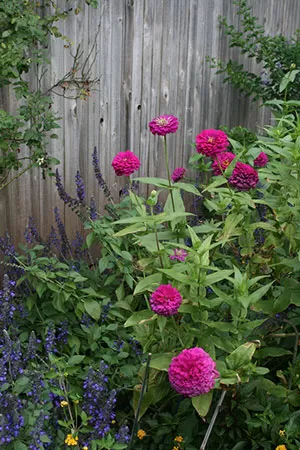
Zinnia (Annual)
- Scientific name: Zinnia elegans (common garden zinnia)
- Common name: Zinnia
- Zone: Grown as an annual in all zones
- Light: Full sun
- Humidity: Moderate
- Water: Moderate, prefers consistent moisture but avoid soggy soil
Gathering Your Supplies
Once you’ve chosen your plants, it’s time to get the right materials.
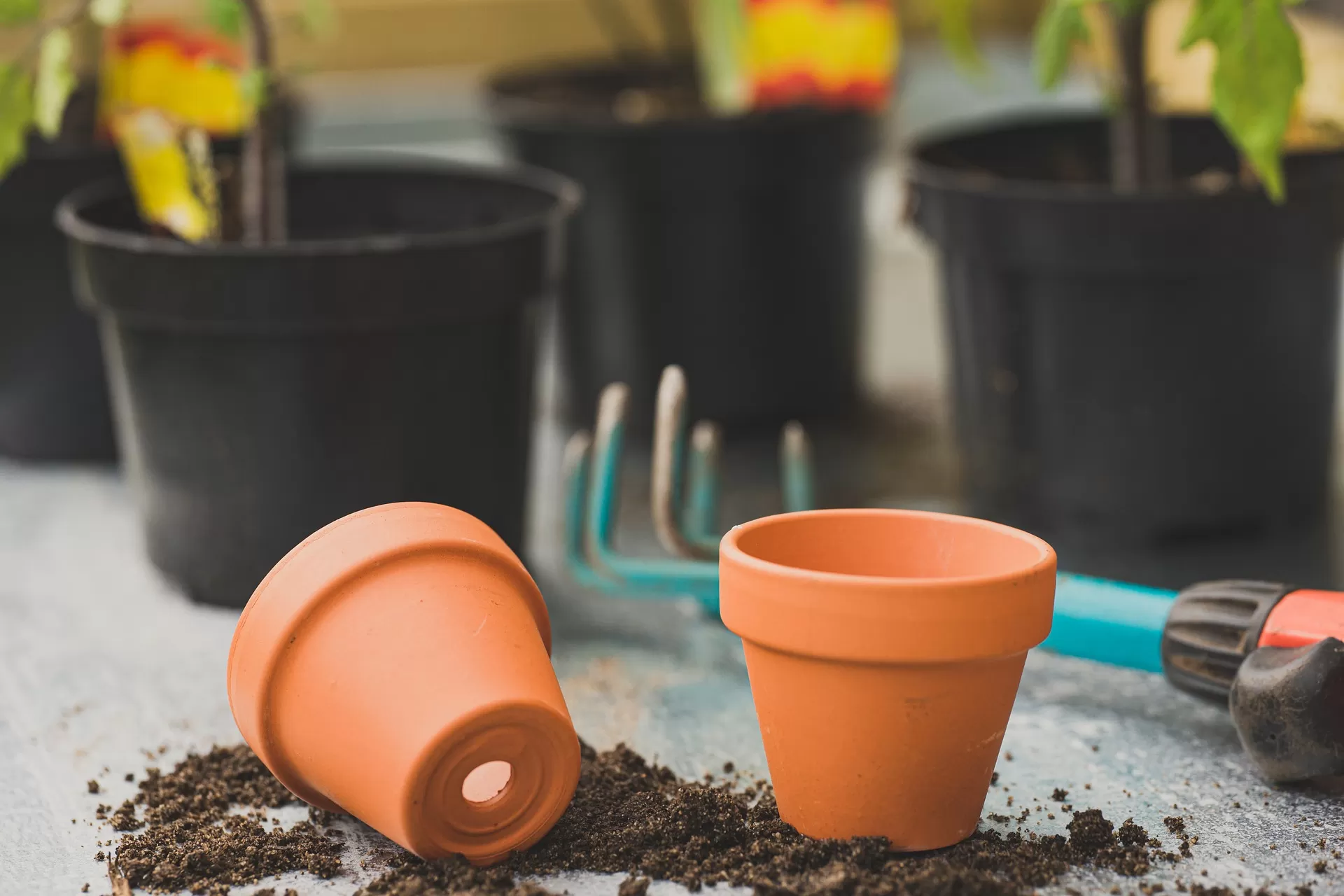
- Containers: Choose pots with drainage holes! This is non-negotiable. Without drainage, roots will sit in water and rot. Select pots that are roughly 2 inches larger in diameter than the nursery pot your plant came in. Pots that are too large can hold excessive moisture, while pots too small restrict growth. Consider the material: terra cotta looks lovely but dries out quickly, while plastic retains moisture better.
- High-Quality Potting Mix: Use a good quality potting mix formulated for containers. Do not use garden soil, which compacts too much in pots and lacks proper drainage.
- Essential Tools: Hand trowel for digging, hand cultivator for loosening soil, pruners for deadheading and shaping, gardening gloves to protect your hands, and a watering can or hose.
- Vertical Support: A trellis or stakes for climbing plants if you’ve incorporated vertical elements into your design.
- Mulch: A layer of mulch (like shredded bark or straw) on top of the soil in your containers helps retain moisture, regulate soil temperature, and suppress weeds.
 A small metal window box is filled with blooming purple and pink flowers attracting pollinators, mounted outside a window of an apartment building.
Planting and Arranging Your Oasis
With your plants and supplies ready, it’s planting day!
- Fill your container partially with potting mix.
- Carefully remove the plant from its nursery pot. If the roots are tightly wound around the bottom (root-bound), gently loosen them with your fingers or make a few vertical slits in the root ball.
- Place the plant in the container, ensuring the top of the root ball is about 1 inch below the rim of the pot (leaving space for watering).
- Fill the rest of the container with potting mix, lightly firming it around the root ball.
- Water thoroughly until water drains from the bottom.
Arrange your planted containers according to your design plan. Place taller plants towards the back or center (depending on if the garden is viewed from one side or all sides) and shorter plants towards the front. Consider how the plants will grow and spread. Ensure good air circulation between pots and plants to prevent fungal diseases. Grouping plants with similar watering needs can simplify ongoing care.
Ongoing Care for a Thriving Garden
Your container garden will need regular attention, especially when it comes to watering. Containers dry out faster than garden beds, particularly in warm, sunny, or windy conditions. Check the soil moisture regularly by sticking your finger about an inch deep. Water when the top inch feels dry. Water deeply until it runs out the drainage holes.
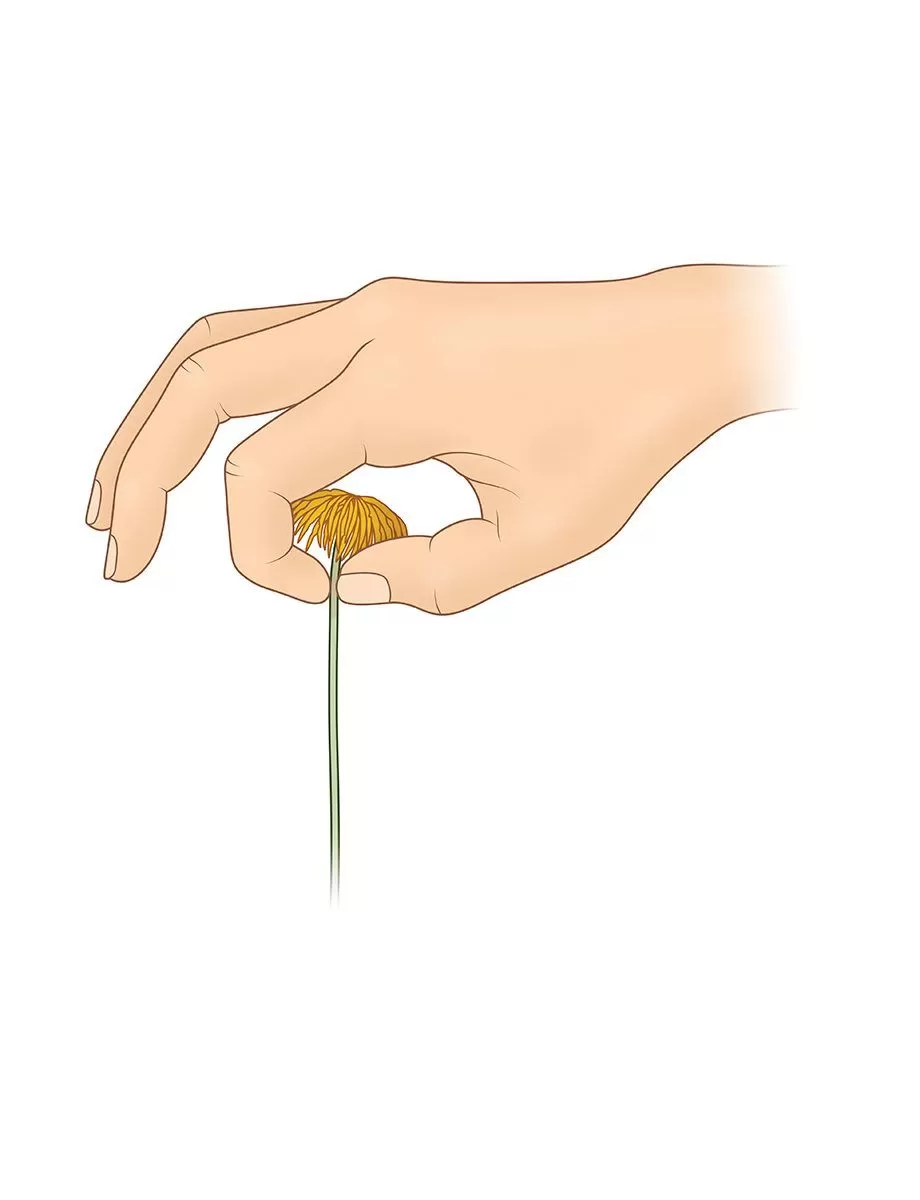
Deadheading spent flowers encourages more blooms. Fertilize occasionally with a balanced liquid fertilizer according to package directions, as nutrients in pots leach out over time. Monitor for pests and diseases, addressing issues promptly.
If you choose perennial plants in containers, consider how you will protect them over winter in colder climates. Some may need to be moved to a sheltered location, insulated, or brought indoors if suitable.
Creating a pollinator container garden design is a rewarding journey. From planning and planting to watching the first bees arrive, each step brings joy. You are not only beautifying your space but actively contributing to the health of our planet’s ecosystems.
Now that your urban oasis is taking shape, take a moment to relax, enjoy your hard work, and appreciate the little miracles buzzing and fluttering amongst your blooms.
We hope this guide inspires you to create your own pollinator haven! Do you have a favorite pollinator plant for containers? Share your thoughts and questions in the comments below. Explore more gardening tips and ideas on Thelittle.garden!