- Recognize the signs of overcrowding: reduced blooms, sparse centers, and flopping stems.
- Learn the best times and techniques for dividing your perennials.
- Discover how proper soil preparation and care nurture newly divided plants.
- Understand the specific division needs of popular garden favorites.
- Preventing perennial overcrowding is key to vibrant, healthy, and floriferous gardens.
Have you ever gazed upon your beloved perennial garden and noticed something wasn’t quite right? Perhaps your once-prolific Coneflowers are producing fewer blooms, your sturdy Sedums have developed an unsightly bare patch in the middle, or your tall Phlox are flopping over despite your best efforts. These are common signs that your perennials might be getting overcrowded. Just like humans needing space to grow, perennials can suffer when their clumps become too dense, leading to decreased vigor, reduced flowering, and even plant decline. But don’t despair! Preventing perennial overcrowding is a fundamental garden task that, when done correctly, can revitalize your plants, boost blooms, and maintain the beauty of your garden beds for years to come. It’s a simple yet powerful technique that turns potentially struggling plants into vibrant garden stars.
Why Preventing Perennial Overcrowding Matters
Perennials naturally grow and spread over time. Some are polite clumpers, expanding slowly outwards. Others are enthusiastic spreaders, sending out rhizomes or runners to colonize new territory. While this growth is desirable up to a point, unchecked expansion leads to overcrowding. As plants compete intensely for limited resources like water, nutrients, and sunlight, their performance suffers. Proactive division, framed as preventing severe overcrowding, ensures each plant has the space and resources it needs to flourish. It’s not just about fixing a problem; it’s about maintaining peak plant health and bloom potential year after year.
Signs Your Perennials Are Becoming Overcrowded
Learning to read your plants is key to knowing when division is needed for prevention. Look for these telltale signs:
Reduced Flowering or Vigor
One of the most common indicators is a noticeable decline in flower production. An overcrowded plant puts its energy into surviving in a dense tangle of roots rather than producing abundant blooms. You might also see weaker, thinner stems.
Dead Centers or Sparse Growth
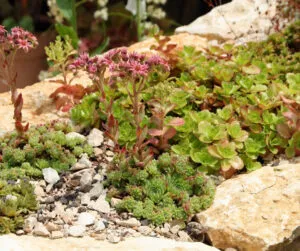
Many clumping perennials, like some ornamental grasses, Sedums, and Daylilies, grow outwards from the center. Over time, the oldest part of the clump in the middle can die out, leaving a bare or sparse patch surrounded by healthy growth.
 Overcrowded Sedum clump showing a bare center
Flopping Stems
Plants that once stood tall might start to flop or splay open, especially in the center. This weakness is often due to the lack of light and air circulation within the dense clump and reduced root efficiency.
Plants Outgrowing Their Space
Sometimes, the sign is simply that a plant has become too large for its designated spot in the garden design, crowding out its neighbors. Dividing it prevents this territorial dispute and maintains the intended look of your border.
The Art of Dividing Perennials: Your Key to Prevention
Dividing perennials might sound intimidating, but it’s a straightforward process that reaps significant rewards. It’s essentially taking one large, potentially struggling plant and turning it into several smaller, vigorous ones.
When is the Best Time to Divide?
The traditional rule of thumb is to divide spring-blooming perennials in the fall and fall-blooming perennials in the spring. This gives the plant time to establish roots during a period of less stress before their main growth or flowering season. However, the most practical advice is: divide when you have the time and can provide good follow-up care (adequate watering and attention). Many gardeners successfully divide perennials in early spring or early fall when temperatures are cooler and rainfall is often more consistent. Avoid dividing during the heat of summer.
Essential Tools You’ll Need
- A sharp garden shovel or spade: A sharp edge makes digging and cutting through roots much easier.
- Garden fork(s): Useful for lifting and sometimes prying clumps apart.
- A sturdy knife (like a linoleum knife or a dedicated garden knife) or a drywall saw: Excellent for cleanly cutting through tough root masses.
- Wheelbarrow or tarp: To place the dug-up clump and soil.
- Watering can or hose.
Step-by-Step: How to Divide Your Plants
- Prepare the Plant: If the plant is tall or bushy, you might want to prune it back by about one-third to reduce water loss after transplanting. Water the plant thoroughly a day or two before you plan to divide it, if possible.
- Lift the Clump: Using your sharp shovel, dig around the perimeter of the perennial clump. Start a little wider than the plant’s foliage spread to capture most of the root ball. Dig down and carefully lever the clump out of the ground.
- Techniques for Division:
- Shovel/Spade: For many fibrous-rooted plants (like Daylilies, Ornamental Grasses), you can use the sharp edge of your shovel to simply chop the clump into sections while it’s still partially in the ground or after lifting it.
- Forks: Insert two garden forks back-to-back into the center of the clump. Gently pry the handles apart to split the clump into two. Repeat as needed. This is good for plants with tough, woody crowns or large root masses.
- Knife/Saw: For plants with dense, tangled roots or those with dead centers (like Hostas or Sedums), a sharp knife or saw allows for precise cuts, letting you easily remove the dead center and divide the healthy outer sections.
- Selecting and Preparing Divisions: Examine the dug-up clump. Discard any sections with dead centers, signs of disease, or pest infestation. Look for vigorous, healthy sections with plenty of roots and a few growing points (eyes or shoots). Aim for divisions that are a reasonable size – not too small that they struggle to establish, and not so large that they quickly become overcrowded again. Divisions roughly the size of a quart or gallon pot are often ideal.
What to Do with the Divisions
You’ve now got multiple plant divisions ready for their new homes!
- Replant in the Original Spot: Select one healthy division to replant in the original location.
- Expand Existing Beds: Use other divisions to fill gaps or extend your current garden borders.
- Start New Gardens: Divisions are a cost-free way to create entirely new perennial beds.
- Share with Friends: Spread the joy of gardening by gifting divisions (but be mindful of not sharing plants from areas known to have invasive pests like jumping worms).
Caring for Your Newly Divided Plants
Proper follow-up care is crucial to ensure your newly divided perennials establish successfully and thrive, preventing future overcrowding issues.
Soil Preparation is Crucial
Before replanting any divisions, take the time to prepare the soil in the planting area. Amend the soil by incorporating compost, well-rotted manure, or other organic matter into the top 8-12 inches. This improves soil structure, drainage, and fertility, giving the new roots a better environment to grow.
Proper Planting Depth
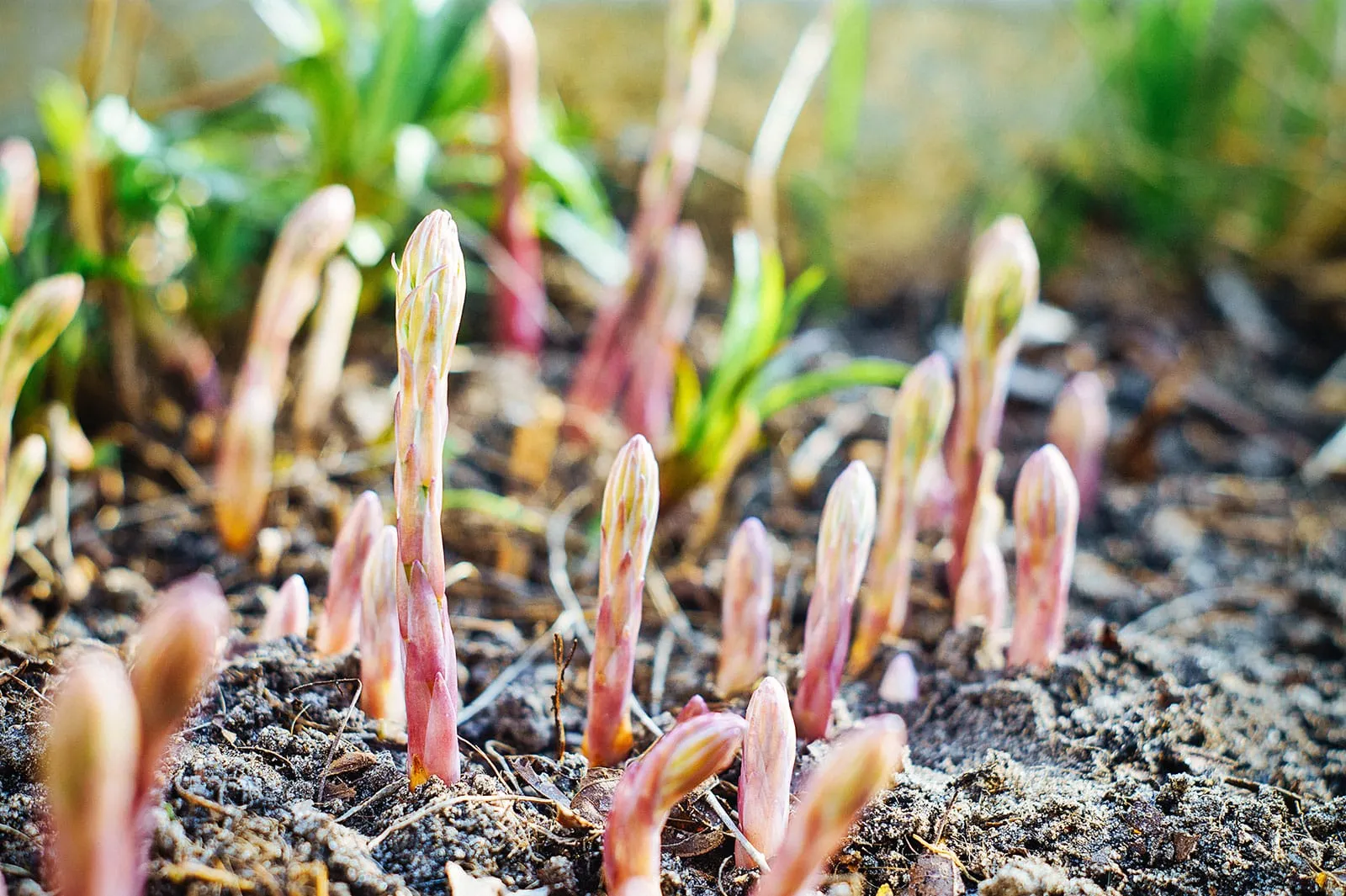
Plant each division at the same depth it was growing before. Planting too deep or too shallow can stress the plant and hinder its growth. For plants with visible crowns (like Hostas, Peonies, Irises), ensure the crown is level with the soil surface. For Peonies, specifically, ensure the “eyes” (growth buds) on the rhizome are no more than 1-2 inches below the soil surface, as deeper planting can prevent flowering.
Watering and Mulching
Water the newly planted divisions thoroughly immediately after planting. Continue to water regularly, especially during dry periods, until the plants are well-established. The soil should remain consistently moist but not waterlogged. Apply a layer of organic mulch (such as shredded bark, compost, or chopped leaves) around the base of the plants. Mulch helps retain soil moisture, suppress weeds, and regulate soil temperature, providing a more stable environment for root development. Keep the mulch a few inches away from the plant stems to prevent rot.
Weed Control
Keep the planting area free of weeds. Weeds compete fiercely with young, establishing plants for water, nutrients, and light. Regular weeding gives your divisions the best chance to establish quickly and healthily. Think of it as giving your new plants a head start!
Specific Perennials and Division Needs
Different perennials have varying needs and timelines for division as a preventative measure against overcrowding.
-
Peonies (Paeonia spp.): These garden classics are remarkably long-lived and seldom need dividing unless you want to propagate them or they are truly failing (rarely due to overcrowding, more often due to planting depth). If you do divide, fall is the best time. Wait until the foliage has died back naturally after frost. Ensure the “eyes” are planted shallowly (1-2 inches deep) to ensure future blooms.
-
Asters (Symphyotrichum spp.) and Shasta Daisies (Leucanthemum × superbum): These benefit from regular division (every 1-3 years) to maintain vigor, compactness, and prolific flowering, effectively preventing them from becoming weak and overcrowded. Divide Asters in spring, and Shasta Daisies every 2-3 years, ensuring well-drained soil, especially over winter.
-
Daylilies (Hemerocallis spp.) and Threadleaf Coreopsis (Coreopsis verticillata): Dividing these every few years helps maintain continuous blooming throughout their season. For Coreopsis, regular division can reduce the need for frequent deadheading by promoting healthier, more floriferous growth.
-
Ornamental Grasses (e.g., Miscanthus sinensis): Large clumps of ornamental grasses, especially borderline hardy varieties or those showing sparse growth, can be rejuvenated by division or even just by cutting through the clump in a grid pattern with a sharp spade in early spring before new growth begins. This process stimulates new growth from the crown, leading to a fuller, more vigorous plant and preventing the hollow center often seen in older clumps.
 Miscanthus sinensis 'Graziella' ornamental grass
Patience is a Gardener’s Virtue
It’s important not to be discouraged if your newly divided and replanted perennials don’t bloom profusely (or at all) in the first year. The plant’s primary focus after division and transplanting is on establishing a strong root system in its new location. This is often referred to as the “sleep, creep, leap” principle:
- Year 1 (Sleep): The plant focuses energy on root development below the surface.
- Year 2 (Creep): The plant begins to show more top growth and may produce some blooms.
- Year 3 (Leap): The plant is well-established and grows vigorously, reaching its full potential for size and bloom.
Be patient, provide consistent care, and you will be rewarded with thriving, bloom-filled plants in the subsequent years.
Taking the time to evaluate your garden and implementing preventative division techniques is a rewarding investment. By preventing perennial overcrowding, you ensure your plants remain healthy, beautiful, and full of blooms season after season. It’s a simple maintenance task that makes a world of difference in the long-term health and aesthetics of your garden.
Has division helped revitalize your garden? Do you have a favorite plant you divide regularly? Share your experiences in the comments below! And don’t forget to explore other garden tips and tricks on Thelittle.garden.