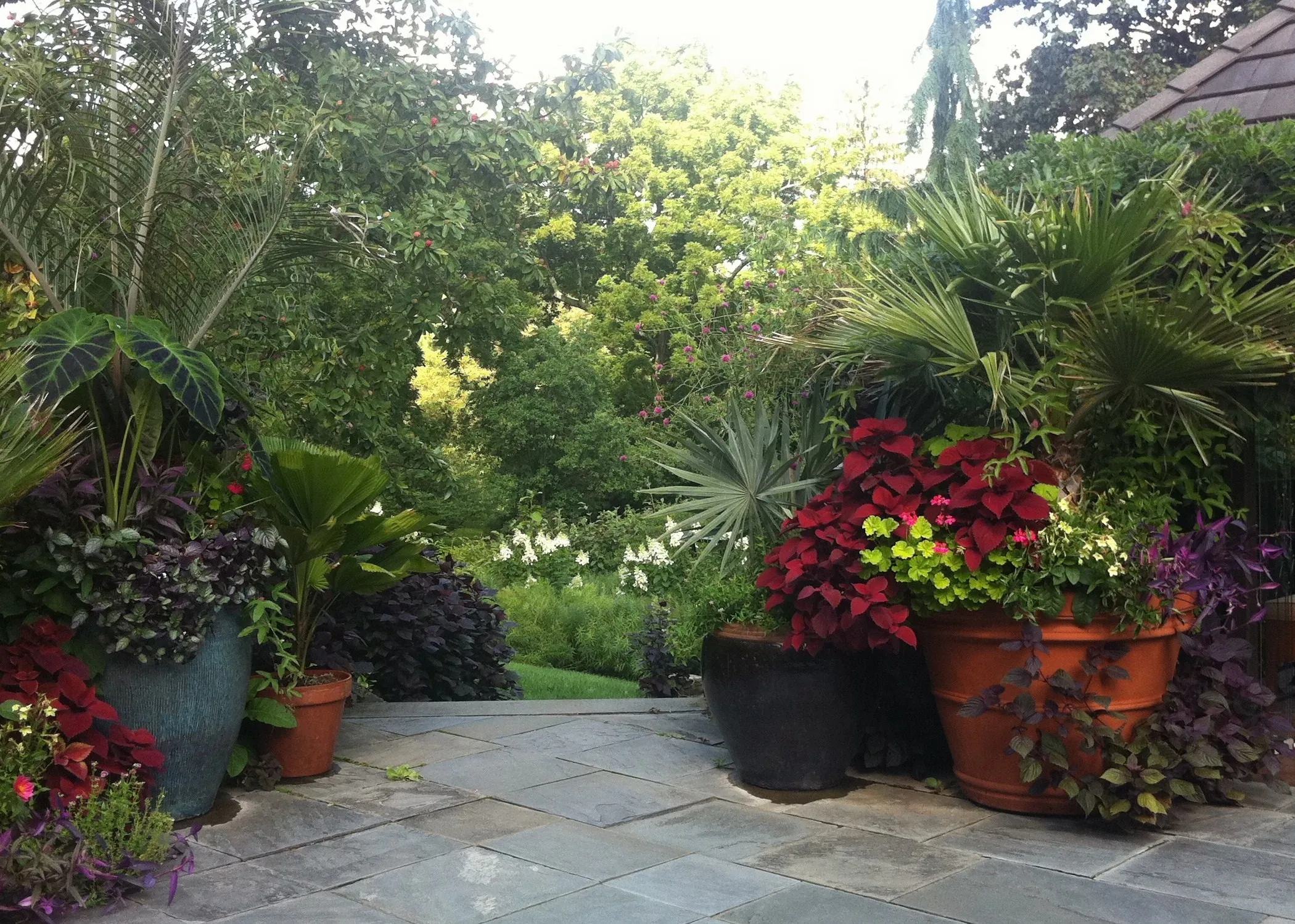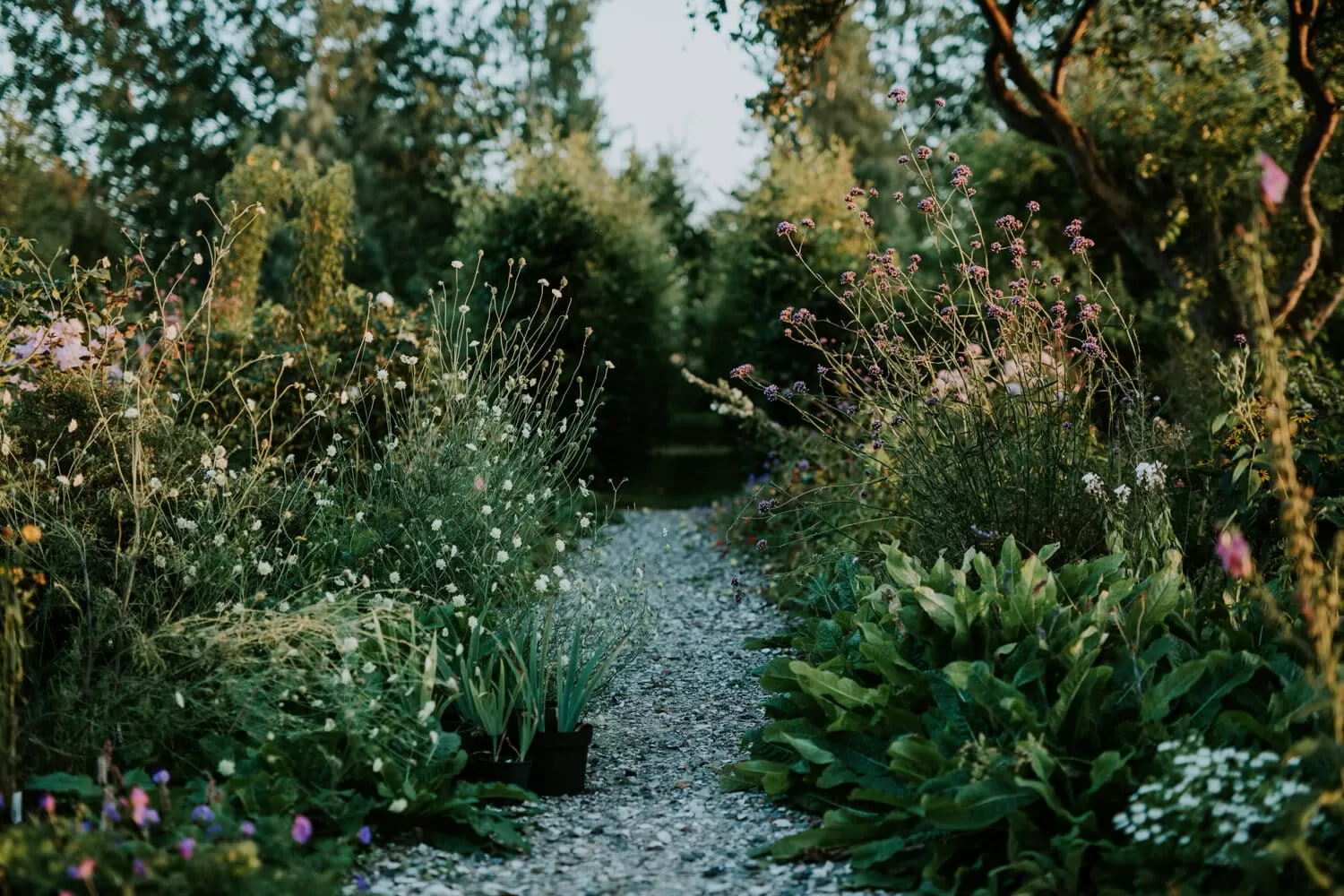
Looking for a smart way to create a private oasis on your patio or balcony? Container gardens aren’t just for flowers and herbs; they can be powerful tools for designing instant privacy screens! Skinny, columnar plants are the secret weapon, offering vertical height without gobbling up precious square footage. Let’s dive into how you can transform your outdoor living space with beautiful, functional privacy-screen container designs.
Key Takeaways:
- Container gardens offer flexible privacy solutions for small spaces.
- Skinny or columnar plants provide vertical screening without taking up much horizontal room.
- Choosing the right plant is key for successful privacy-screen container designs.
- Several adaptable shrubs are perfect candidates, offering foliage, color, and structure.
Creating a sense of seclusion in our outdoor spaces is often high on the wish list, especially when dealing with close neighbors or less-than-ideal views. While fences and walls are permanent solutions, they can be expensive and might not even be an option if you’re renting or have neighborhood restrictions. This is where the magic of gardening comes in! By carefully selecting plants and pots, you can craft beautiful, living screens that are both functional and aesthetically pleasing. Focusing on plants with a narrow, upright growth habit allows you to achieve significant height and density for screening without sacrificing your usable patio or deck space. Imagine sipping your morning coffee or enjoying an evening meal surrounded by lush foliage that blocks out the world – all thanks to smart privacy-screen container designs.
Why Choose Skinny Plants for Container Privacy?
When designing for small patios, balconies, or even tight corners of larger gardens, space is always a consideration. Wide, sprawling shrubs or trees can quickly overwhelm an area and leave no room for seating or movement. This is precisely why skinny, columnar plants are the heroes of privacy-screen container designs.
They offer:
- Vertical Impact: They grow upwards, providing height to block views from above or the side.
- Minimal Footprint: Their narrow shape means they take up very little space on the ground.
- Design Flexibility: Containers can be moved, rearranged, or swapped out as needed.
- Instant Results: Unlike waiting for plants to grow, you can purchase specimens large enough to provide immediate screening.
- Defined Spaces: Used singly or in groups, they can delineate different areas within a larger patio or garden.
Think of them as living sentinels or elegant dividers. They can stand guard at an entrance, create a subtle partition between seating areas, or form a dense green wall along a railing. I’ve personally used many of these plants to create charming, effective screens in clients’ gardens and my own little testing grounds, and they consistently prove their worth.
Stellar Plant Choices for Your Container Privacy Screen
The key to successful container gardening for privacy is selecting plants that naturally grow upwards rather than outwards, are well-suited to pot life, and offer the screening density you need. Here are some fantastic options to consider for your privacy-screen container designs, many of which I’ve found reliable over the years:
Fine Line Buckthorn
One of my go-to plants for adding vertical structure, especially in containers. Fine Line Buckthorn (Rhamnus frangula ‘Fine Line’) offers a delicate texture and maintains its slender, upright form without constant pruning – a huge bonus for container life!
- Scientific Name: Rhamnus frangula ‘Fine Line’
- Common Name: Fine Line Buckthorn
- Zone: USDA Zones 2-7
- Light: Full sun to part shade
- Water: Drought tolerant once established, but maintain consistent moisture in containers.
- Foliage: Fine, fern-like green leaves turn bright yellow in fall.
- Notes: Sterile variety, unlike older, invasive buckthorn types. Deer resistant. Unique brown stems speckled with white add winter interest. Grows about 5-7 feet tall and 2-3 feet wide eventually, but often stays smaller in pots.
 Waterwise container design featuring Fine Line buckthorn
A deer-resistant container design using Fine Line buckthorn for vertical structure.
Columnar Barberries
While barberries (Berberis) have some invasive concerns in certain regions (always check your local regulations!), their columnar varieties offer incredible color and shape for containers where they are permitted. I’ve seen them used beautifully to add pops of color and structure in even the smallest spaces.
- Scientific Name: Berberis thunbergii (cultivars like ‘Sunjoy Gold Pillar’, ‘Helmond’s Pillar’)
- Common Name: Columnar Barberry
- Zone: USDA Zones 4-8
- Light: Full sun (for best color)
- Water: Drought tolerant, but requires consistent moisture in containers, especially during heat waves, to prevent leaf drop.
- Foliage: Available in vibrant gold (‘Sunjoy Gold Pillar’) or deep burgundy (‘Helmond’s Pillar’).
- Notes: Deer resistant. Can be used singly as an exclamation point or grouped for a colorful, thorny screen. ‘Helmond’s Pillar’ tends to grow taller and faster than ‘Sunjoy Gold Pillar’. Adds fall color and berries.
 Helmond's Pillar barberry used to break up a planting bed
Using the dark foliage of Helmond’s Pillar barberry for vertical contrast in a garden bed.
 Semi-transparent screen using columnar plants including Helmond's Pillar barberry in containers
A mix of columnar shrubs, including Helmond’s Pillar barberry in pots, creating a semi-transparent privacy screen.
Moonlight Magic Crape Myrtle
Crape myrtles are often thought of as large trees, but newer cultivars like ‘Moonlight Magic’ offer a much more manageable, columnar shape perfect for containers, even in cooler climates where blooms might be less frequent.
- Scientific Name: Lagerstroemia cv. ‘Moonlight Magic’
- Common Name: Moonlight Magic Crape Myrtle
- Zone: Varies by cultivar, often Zones 7-9 (check specific tag).
- Light: Full sun (essential for flowering and best foliage color).
- Water: Requires regular watering, especially in containers, but prefers well-drained soil.
- Foliage: Stunning dark chocolate-colored leaves are attractive even without flowers.
- Notes: Grows 8-12 feet tall but only 4-6 feet wide, making it slender rather than truly “skinny,” but still a great fit for larger containers where you need height. Blooms are white. Can be a striking focal point.
 Dark chocolate foliage of Moonlight Magic crape myrtle
The dramatic dark foliage of Moonlight Magic crape myrtle adds rich color and vertical interest.
 White blooms on Moonlight Magic crape myrtle
Beautiful white flowers appear on Moonlight Magic crape myrtle in warmer climates.
Purple Pillar Hibiscus
For a burst of late-summer color combined with a narrow form, look no further than Purple Pillar Hibiscus (Hibiscus syriacus ‘Purple Pillar’). Its tropical-looking flowers are a delightful bonus to its excellent screening potential in a pot.
- Scientific Name: Hibiscus syriacus ‘Purple Pillar’
- Common Name: Purple Pillar Rose of Sharon
- Zone: USDA Zones 5-9 (check specific tag).
- Light: Full sun (best flowering).
- Water: Needs consistent moisture, especially in containers.
- Foliage: Dense foliage provides good screening.
- Notes: Grows only 2-3 feet wide while reaching significant height. Plant multiple pots 2 feet apart to create a quick, dense screen. Also available with white flowers (‘White Pillar’). Perfect for hiding utilities or separating spaces.
 Upright growth and dense foliage of Purple Pillar hibiscus
Reliably upright and densely foliated, Purple Pillar hibiscus is shown here being tested for growth habit.
 Close-up of Purple Pillar hibiscus bloom
Detail of the stunning purple blooms on the upright Purple Pillar hibiscus.
More Columnar Candidates for Containers
Don’t stop there! Several evergreen shrubs also boast that desirable narrow, columnar shape that makes them excellent choices for year-round privacy-screen container designs.
- Sky Pencil Japanese Holly (Ilex crenata ‘Sky Pencil’): Extremely narrow, upright evergreen. Needs well-drained soil. Zone 5-8. Full sun to partial shade. Needs consistent moisture in pots.
- Columnar Japanese Holly (Ilex crenata ‘Mariesii’): A more sculptural, slower-growing option than ‘Sky Pencil’, can be harder to find. Zone 5-8. Full sun to partial shade. Needs consistent moisture in pots.
- Green Spire Euonymus (Euonymus japonica ‘Green Spire’): A dense, upright evergreen, slightly wider than ‘Sky Pencil’ but still columnar. Zone 6-9. Full sun to partial shade. Adaptable to watering, but best with consistent moisture in containers.
- Graham Blandy Boxwood (Buxus sempervirens ‘Graham Blandy’): A slow-growing, tightly columnar evergreen boxwood. Zone 5-8. Full sun to partial shade. Prefers well-drained soil and consistent moisture.
- Summer Ruffle Hibiscus (Hibiscus syriacus ‘Summer Ruffle’): Similar upright form to Purple Pillar but with attractive variegated foliage and semi-double blooms. Zone 5-9. Full sun. Needs consistent moisture.
While the original article focused on ground planting, these varieties’ natural narrow habit makes them excellent candidates for pots, provided you choose an appropriately sized container and pay attention to watering needs, which are generally higher for plants in pots compared to in-ground.
Tips for Creating Your Privacy Screen Containers
Ready to build your own living screen? Here are a few tips to ensure success:
- Choose the Right Pot: Select containers that are large enough to accommodate the plant’s root system and provide stability as it grows taller. Heavy pots are less likely to tip over in wind. Ensure adequate drainage holes.
- Use Quality Potting Mix: Don’t use garden soil. A good quality potting mix designed for containers provides the right balance of drainage and moisture retention.
- Water Consistently: Plants in containers dry out faster than those in the ground. Check soil moisture regularly, especially during hot or windy weather, and water thoroughly when the top inch feels dry.
- Consider Placement: Grouping several containers together creates a more substantial screen. Think about where the sun hits throughout the day and match it to your plant’s light needs.
- Fertilize: Container plants benefit from regular feeding as nutrients leach out over time. Use a balanced liquid fertilizer or a slow-release granular fertilizer according to package directions.
- Winter Protection: In colder zones, container plants are more vulnerable to root freezing. Move pots to a sheltered location or provide insulation if necessary for less hardy varieties.
Creating a beautiful and effective privacy-screen container design is well within reach for any gardener, regardless of space limitations.
Conclusion
Transforming a small patio or balcony into a private sanctuary is easy and rewarding with the right plants. By choosing skinny, columnar shrubs and trees for your containers, you gain valuable height and screening power without sacrificing precious floor space. Whether you opt for the delicate texture of Fine Line Buckthorn, the bold color of columnar Barberries, the dark foliage of Moonlight Magic Crape Myrtle, the summer blooms of Purple Pillar Hibiscus, or the year-round structure of evergreen hollies or boxwood, you’re well on your way to creating a stunning and functional outdoor retreat.
We’d love to hear about your own privacy-screen container designs! Share your experiences and plant successes in the comments below. And be sure to explore more gardening inspiration and tips right here at Thelittle.garden!