- Thyme is a surprisingly tough and resilient herb, thriving even when other plants struggle in heat.
- It requires minimal care, preferring poor, well-drained soil and full sun.
- Numerous varieties offer diverse flavors, scents, and growth habits, from upright common thyme to low-growing creepers.
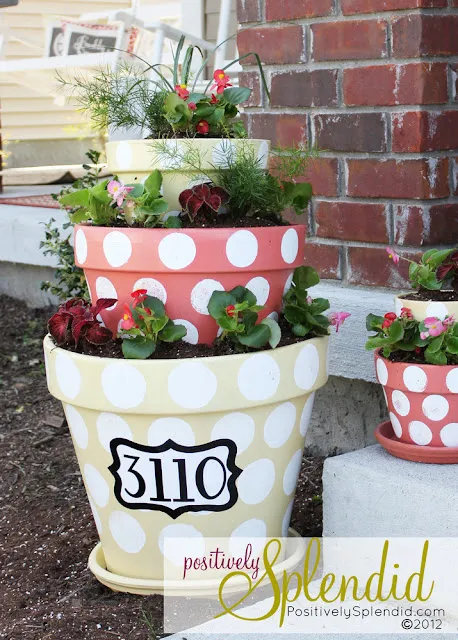
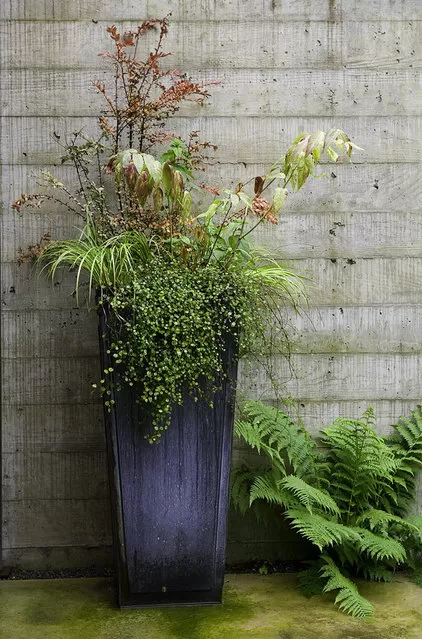
- Thyme is excellent for container gardening, especially in styles like cascading column planters.
- Using thyme in vertical planters saves space and creates a beautiful, edible display.
Even in the most challenging garden conditions – think scorching heatwaves that make other plants wilt dramatically – there are true garden heroes that stand tall. Thyme is one such resilient superstar. It’s a tiny plant packing a punch of flavor and fragrance, but its real superpower is its ability to thrive when neglected. Unlike fussy lettuces or demanding tomatoes, thyme rarely complains, asking for little more than sun and well-drained soil. This makes it an absolutely ideal candidate for showcasing its beauty and usefulness in innovative ways, such as in thyme cascading column planters.
Contents
- Why Thyme? The Resilient Herb for Any Garden
- A True Survivor: Heatwaves and Poor Soil
- The Beauty of Variety
- Thyme’s Perfect Match: Cascading Column Planters
- Why This Planter Style Works for Thyme
- Choosing the Right Thyme Varieties for Cascade
- Setting Up Your Thyme Tower: Soil and Drainage are Key
- Care Tips for Your Cascading Thyme Garden
- Sun, Water, and Food
- Winter Care
- Troubleshooting Common Thyme Issues
- The Soggy Soil Killer
- Conclusion
Why Thyme? The Resilient Herb for Any Garden
Thyme’s reputation as a tough-as-nails plant is well-earned. It laughs in the face of conditions that send lesser herbs into a dramatic faint. This resilience stems from its natural habitat.
A True Survivor: Heatwaves and Poor Soil
Originating in rocky, often dry areas, thyme is built for survival. It doesn’t appreciate rich, pampered soil; in fact, it often struggles in it. What thyme craves is excellent drainage. Soggy roots, especially over winter, are a death sentence. This is why adding plenty of grit, sand, or small rocks to its soil mix is crucial – a lesson learned the hard way when plants unexpectedly failed in seemingly “premium” garden soil. Seeing happy thyme plants thriving directly on driveway gravel is a testament to just how much they prioritize drainage over nutrients. This makes them perfect candidates for containers where drainage can be carefully controlled.
The Beauty of Variety
Beyond the familiar woody common thyme found in grocery stores, the world of Thymus is vast and exciting. Growing different varieties reveals a surprising range of flavors, smells, colors, and growth forms. While Thymus vulgaris is a staple, exploring other types opens up new possibilities in the kitchen and the garden.
- Common Thyme
- Thymus vulgaris
- Zone: 4-9
- Light: Full sun
- Humidity: Low to moderate
- Water: Low (drought tolerant)
Popular alternatives include the wonderfully fragrant citrus-scented thymes (Thymus x citrodorus), available in shades of green, gold, and variegated forms like ‘Aureus’ and ‘Silver Lemon Queen’. ‘Doone Valley’ is a low-growing option with attractive variegated leaves. For a unique aroma, look for varieties like ‘Orange Balsam’ or ‘Orange Spice’.
Then there are the groundcover or creeping types, less often used for culinary purposes but excellent for landscaping:
- Mother-of-Thyme (Creeping Thyme)
- Thymus serphyllum
- Zone: 4-8
- Light: Full sun
- Humidity: Low to moderate
- Water: Low (drought tolerant)
Other creepers include Thymus ‘Coccineus’ and woolly thyme (Thymus psuedolanuginosus). While not ideal for eating, they form aromatic, walkable mats and are perfect for planting between pavers or cascading over walls. Smaller, very diminutive types create a soft carpet effect. Mixing several creeping varieties offers a tapestry of textures, scents, and flower colors.
 Lush green thyme growing thickly as a drought-tolerant groundcover or lawn alternative
Finally, the “mimic” thymes offer surprising scents like ‘Lavender’, ‘Nutmeg’, ‘Oregano’, ‘Caraway’ (Thymus herba-barona), and ‘Rose Petal’. Experimenting with these in cooking, perhaps starting with simple dishes like roasted onions, can be a delightful adventure.
Thyme’s Perfect Match: Cascading Column Planters
Given thyme’s love for sun, its drought tolerance, and its diverse growth habits (including trailing types), it’s a match made in garden heaven for thyme cascading column planters.
Why This Planter Style Works for Thyme
Vertical, stacked planters offer several advantages that align perfectly with thyme’s needs:
- Excellent Drainage Potential: When setting up a column planter, you have complete control over the soil mix in each layer. This allows you to ensure the gritty, well-draining conditions that thyme thrives in.
- Increased Sun Exposure: Vertical planters maximize exposure to sunlight, which is exactly what thyme needs for healthy growth and robust flavor.
- Space Saving: For small patios, balconies, or limited garden spaces, a column planter allows you to grow multiple thyme varieties in a compact footprint.
- Visual Appeal: The tiered structure is ideal for showcasing thyme’s different forms. Trailing varieties can spill over the edges, creating the “cascading” effect the planter is named for, turning a functional herb garden into a living piece of art.
Choosing the Right Thyme Varieties for Cascade
While upright varieties work well in the top tiers, the true magic of a cascading column planter comes from incorporating the creeping and low-growing types. Varieties like Mother-of-Thyme, Woolly Thyme, and low-growing Lemon Thyme are perfect candidates. Planted around the edges of the lower tiers, they will naturally trail and spill over, softening the edges of the planter and creating a beautiful, fragrant cascade of foliage and tiny flowers. Mix in upright culinary thymes in the upper levels for easy harvesting.
Setting Up Your Thyme Tower: Soil and Drainage are Key
The absolute most important factor when planting thyme, especially in a multi-tiered container like a cascading column planter, is drainage. Do not use rich potting soil straight from the bag. Instead, create a mix by amending standard potting soil with plenty of coarse sand, perlite, fine gravel, or grit. Aim for a mix that drains almost instantly when watered. Ensure the planter itself has drainage holes at the bottom of each tier or at the very base if it’s a connected system. Proper layering during setup can also aid drainage.
 Healthy thyme plant thriving in a terracotta pot, showcasing its suitability for container gardening
Care Tips for Your Cascading Thyme Garden
Caring for thyme in a cascading column planter is wonderfully low-maintenance, perfectly matching its easy-going nature.
Sun, Water, and Food
Place your planter where it will receive full sun for at least 6-8 hours a day. Water sparingly. Thyme is drought-tolerant, and overwatering is a common killer. Allow the soil to dry out completely between waterings. In extremely hot or windy conditions, container plants may dry faster, but always check the soil moisture a few inches down before watering. Avoid fertilizing; rich soil reduces flavor and vigor in thyme.
Winter Care
Thyme is hardy, but container plants are more vulnerable to winter cold as their roots aren’t insulated by the surrounding soil. In colder zones (below Zone 5), your cascading thyme planter may not survive winter outdoors. Options include bringing the entire planter into an unheated garage or shed for protection, or treating the plants as annuals and planting fresh ones each spring. Small pots of thyme can sometimes survive the winter indoors on a sunny windowsill, providing occasional fresh sprigs.
Troubleshooting Common Thyme Issues
If your thyme is struggling, the culprit is almost always related to moisture.
The Soggy Soil Killer
Thyme roots hate sitting in wet conditions. If you notice wilting, yellowing leaves, or a general lack of vigor, check the soil drainage. This is why setting up your cascading column planter with an appropriate gritty mix and ensuring working drainage holes is paramount. Root rot is difficult to recover from, so prevention is key.
Conclusion
Thyme is a gardener’s best friend – resilient, beautiful, fragrant, and delicious. Its ability to thrive in tough conditions and its variety of forms make it a standout herb. Utilizing thyme in cascading column planters is a fantastic way to grow this versatile plant, saving space while creating a stunning vertical display that provides both visual appeal and fresh herbs right at your fingertips. It’s an easy project that promises abundant rewards.
Have you grown thyme in unique ways? What are your favorite varieties? Share your experiences in the comments below! And don’t forget to explore other articles on Thelittle.garden for more ideas to make your garden thrive.