Gardens are ever-evolving masterpieces, and often, the most striking features are the ones that already exist – like the majestic trees gracing your landscape. But what about that bare, sometimes challenging space right at the base of the tree? Don’t let it be an afterthought! With a little creativity and the right tree base landscape ideas, you can turn that neglected spot into a stunning focal point that enhances your entire yard’s beauty and curb appeal.
Here are some fantastic ways to breathe life into the area around your trees:
- Transform the shaded area into a lush garden sanctuary.
- Use simple mulch for a clean, polished look that protects roots.
- Add vibrant pops of color with flowers and plants.
- Build structure and solve problems like erosion with retaining walls.
- Integrate trees into your outdoor living spaces like decks or patios.
- Illuminate your trees for dramatic nighttime appeal.
- Create a peaceful retreat for relaxation and contemplation.
- Plant drought-tolerant succulents for unique texture and form.
- Define the space and add visual interest with thoughtful edging.
Let’s dive into how you can implement these tree base landscape ideas and elevate your garden design.
1. Embrace the Shade with a Flourishing Garden
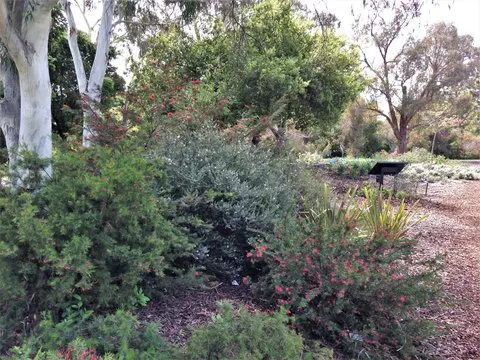
Thinking that the shade cast by your tree limits your planting options is a common misconception. In fact, the area beneath a mature tree offers a unique microclimate perfect for a whole host of beautiful plants that thrive away from direct sun. Designing a shade garden around the base of your tree is a wonderful way to add color, texture, and life.
Instead of fighting the shade, work with it! Many annuals and perennials adore the filtered light and cooler soil found here. Imagine lush hostas with their bold foliage, delicate impatiens bursting with color, or intricate coral bells adding a touch of elegance.
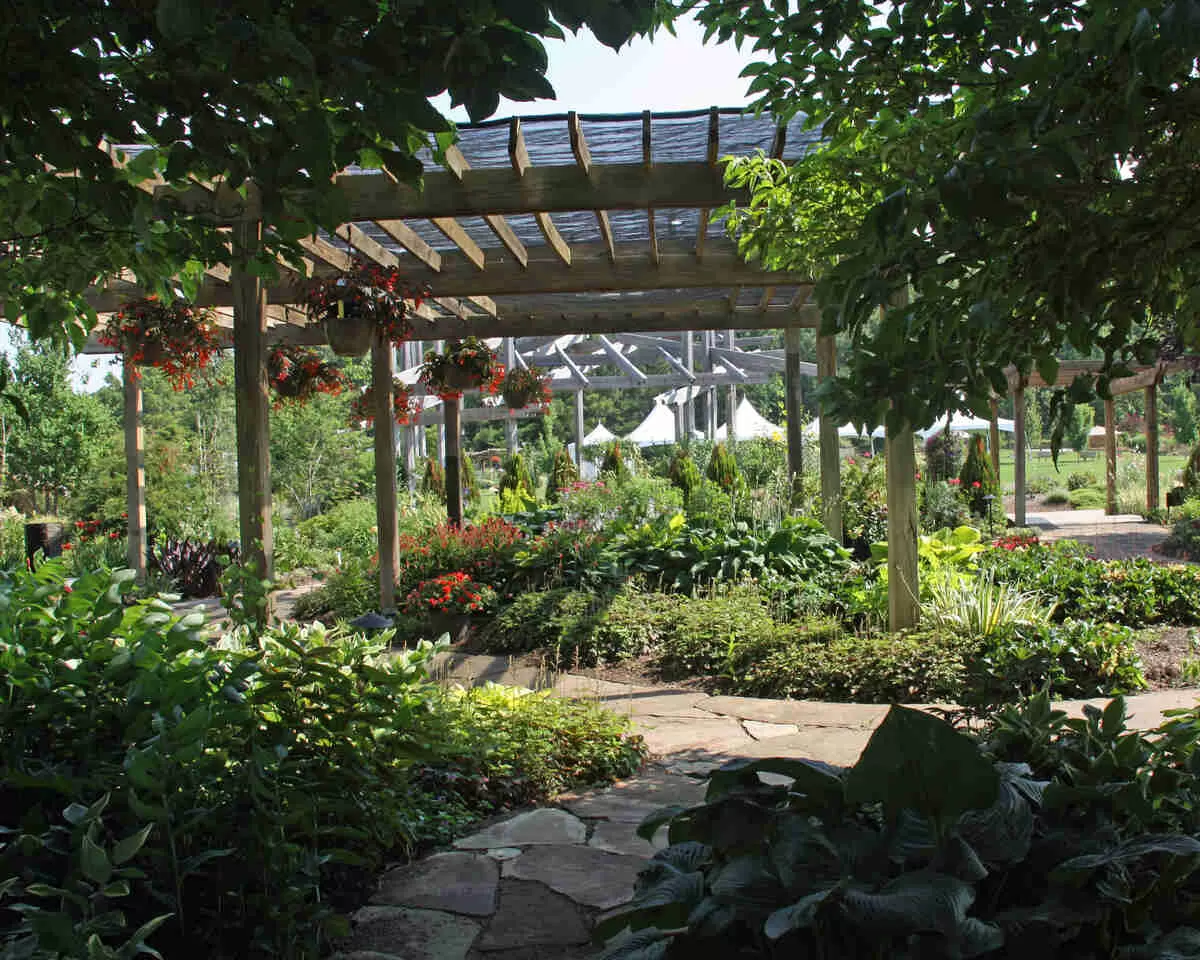 shade garden under large tree
Once your shade garden is established, consider winding a small garden path through it. This not only protects your precious plants from being stepped on but also invites visitors to slow down, explore, and appreciate the beauty you’ve cultivated around the tree trunk. For homeowners in cooler climates, incorporating ground covers like ivy or pachysandra can be a low-maintenance way to fill the space, often eliminating the need for mulch within a defined tree ring.
2. Keep it Simple with Mulch
Sometimes, the easiest and most effective tree base landscape idea is simply adding a layer of mulch. Mulch isn’t just decorative; it serves several important functions. It helps retain soil moisture, suppresses weeds, and regulates soil temperature. Plus, it provides a clean, finished look that covers any exposed roots and highlights the tree’s form.
You have endless options when it comes to mulch – from organic choices like shredded bark or wood chips to inorganic materials like gravel or stones. The color and texture can dramatically change the look of the tree’s base area, allowing you to match your overall garden style.
You can even incorporate some early spring bulbs like crocuses or later-blooming hostas directly into the mulched area for seasonal bursts of interest.
Pro Tip: When applying mulch, always practice the “donut” method, not the “volcano.” Keep the mulch layer 2-3 inches deep and pull it back about 6 inches from the tree trunk. Piling mulch directly against the trunk can trap moisture, encourage disease, insect infestations, and even rot. Proper mulching allows roots access to essential oxygen.
3. Surround Your Tree with Flowers
Who says a tree has to stand alone? Planting a vibrant ring of flowers around the base of your tree adds instant charm and draws the eye. This is a classic and beloved approach to tree base landscape ideas. The specific flowers you choose will depend on the light conditions under your tree, but there are options for everything from deep shade to dappled sun.
Consider creating a dedicated flower bed centered around the tree. Fill it with a mix of annuals for season-long color or perennials that return year after year. Think about combining different heights, textures, and bloom times to create a dynamic display. A ring of colorful petunias, cheerful daffodils, or elegant hostas can transform the base of a tree into a living bouquet.
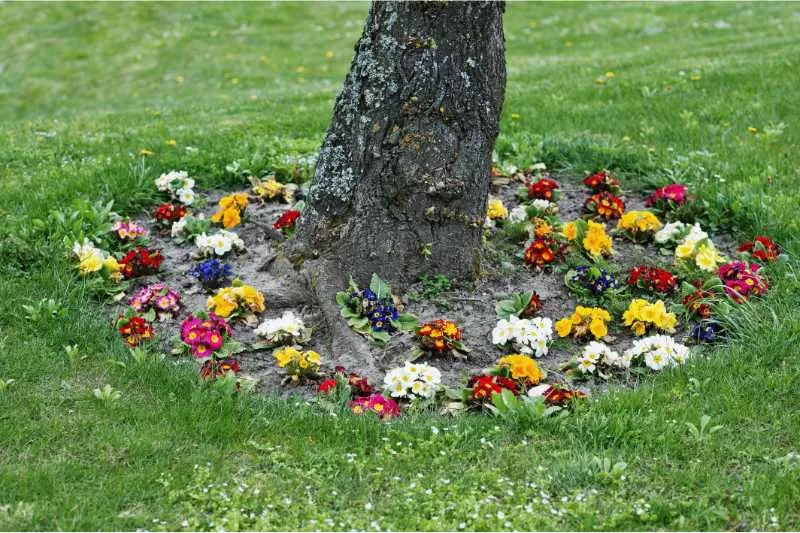 colorful flowers planted around the base of a tree
Making the tree the literal centerpiece of a carefully designed flower bed can elevate its status in your landscape, turning a simple tree into a celebrated garden feature.
4. Build a Retaining Wall for Structure and Style
For trees on slopes or in areas prone to erosion, a retaining wall around the base can be a practical and beautiful solution. It creates a level planting area, provides definition, and adds a touch of hardscape elegance. Building a low wall from stone, brick, or pavers creates a strong visual anchor for the tree and significantly boosts curb appeal.
Retaining walls offer a neat and tidy way to contain soil and mulch, preventing runoff and making the area easier to maintain. Beyond their functional benefits, they add architectural interest to your landscape, turning the base of a tree into a sculpted element of your garden design. While building a retaining wall is a more involved project and can be an investment, the lasting impact on your landscape’s structure and aesthetics is undeniable.
5. Design a Deck or Patio That Embraces the Tree
Want a truly unique and integrated outdoor living space? Design your deck or patio to incorporate an existing tree. Having a mature tree growing right through your deck creates a stunning, immersive experience. It instantly adds drama, provides natural shade, and fosters a deeper connection to nature right where you relax or entertain.
This design approach makes the tree an integral part of your home’s outdoor architecture, not just a feature in the yard. It offers practical benefits like shade and a sense of enclosure, making your patio or deck feel like a private oasis.
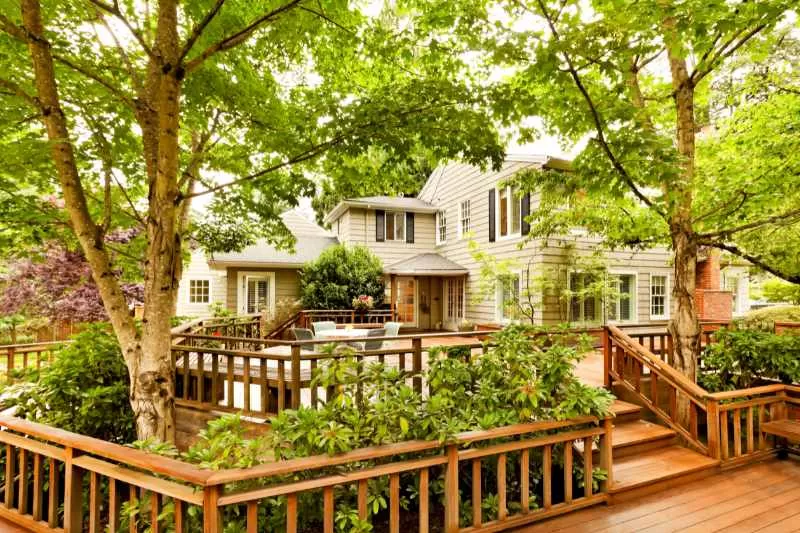 deck built around a large tree
However, this tree base landscape idea requires careful planning and ongoing maintenance. Trees grow, and their trunks and roots expand. The design must accommodate this growth to prevent damage to the deck structure. Also, expect tree litter like leaves, seeds, or small branches, which will require regular cleaning to keep the deck tidy and prevent potential issues like termites in wooden structures.
6. Highlight Your Tree’s Beauty with Night Lighting
Your stunning tree base landscape ideas shouldn’t disappear when the sun goes down! Landscape lighting is a magical way to showcase your trees and the surrounding landscape, adding ambiance and extending the enjoyment of your outdoor space into the evening. Strategic uplighting placed at the base of the tree can highlight its trunk, branches, and canopy, creating a dramatic focal point.
Lighting around the tree’s base can also illuminate pathways or seating areas nearby, making them safer and more inviting. Whether you’re hosting an evening gathering or simply enjoying a quiet moment on your patio, soft, well-placed lights can transform the mood of your garden.
Consider different types of fixtures, like uplights, spotlights, or even string lights woven through branches, to achieve the desired effect. Lighting isn’t just about aesthetics; it can also improve security by illuminating dark corners of your property.
7. Create a Personal Quiet Retreat
The natural shade and tranquility beneath a large tree make it an ideal location for a personal escape. Why not use this space to create a dedicated quiet spot just for you? This is one of the most personal tree base landscape ideas you can implement.
Imagine setting up a comfortable bench or hanging a cozy hammock between two sturdy branches. Add a small table for your book or cup of tea. Enhance the serenity with a simple water feature or surround yourself with fragrant plants. You could even add a bird bath or feeder nearby to attract feathered friends and enjoy their company. This space becomes your private sanctuary, a place to relax, read, write, or simply observe the beauty of your garden and the life within it.
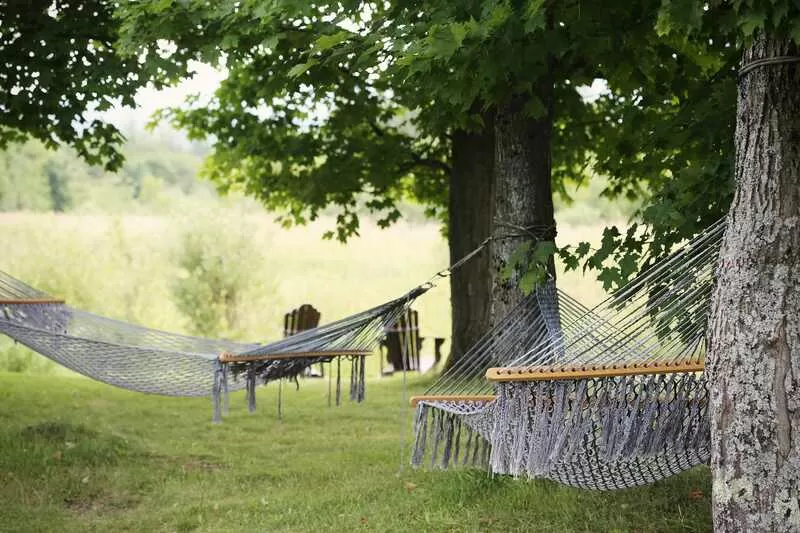 hammock tied between two trees
Designing this area is all about tailoring it to your needs and preferences, creating a corner of your garden that feels uniquely yours.
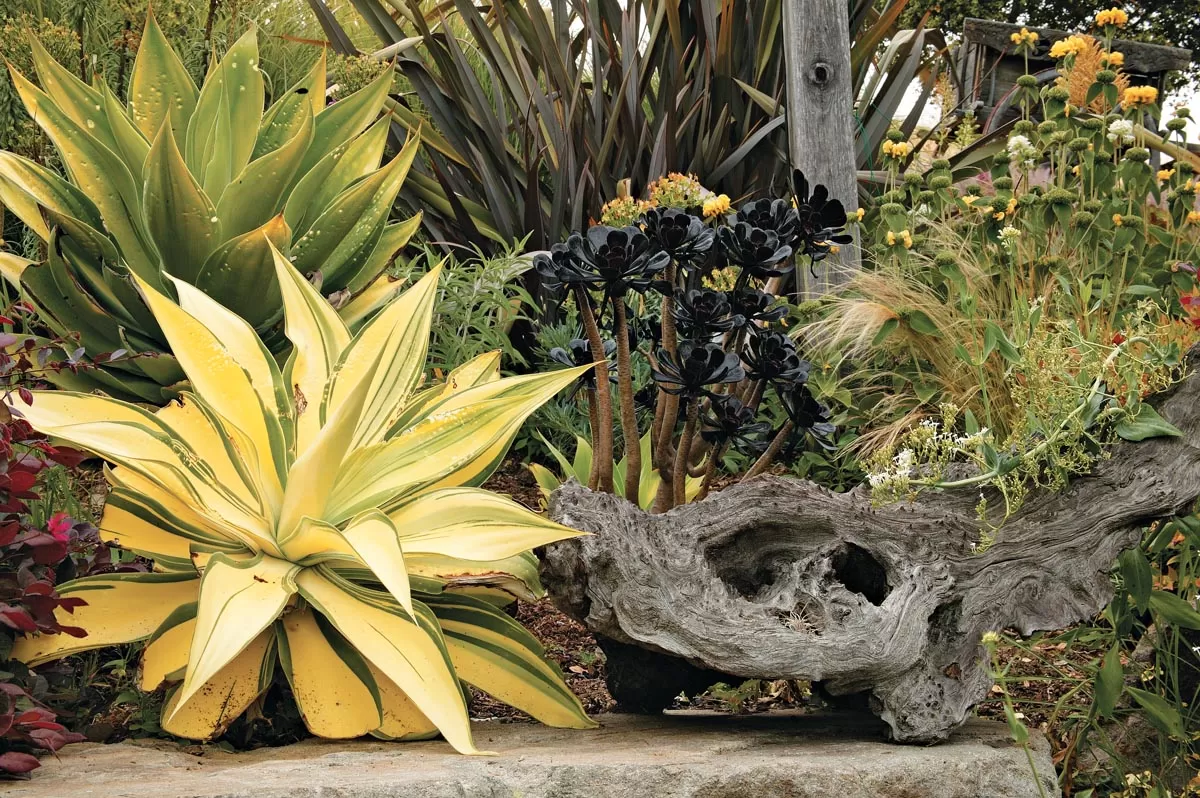
8. Plant a Low-Maintenance Succulent Garden
If you love the idea of planting around your tree but prefer a low-water, low-maintenance option, a succulent garden could be the perfect choice. While many succulents crave sunlight, the filtered light under a tree provides just enough sun to keep them happy without the risk of scorching in intense heat.
Succulents offer incredible diversity in shapes, sizes, colors, and textures, allowing you to create a truly unique and visually interesting display around the tree base. Their drought tolerance makes them ideal for areas that might not get consistent watering, and their architectural forms provide year-round interest.
Creating a succulent garden is relatively straightforward, but understanding the basic needs of succulents regarding drainage is crucial. Ensure the soil drains well to prevent root rot, and choose varieties that are suited to the light conditions under your specific tree. This provides a modern, stylish twist to traditional tree base landscape ideas.
9. Define the Area with Edging
Sometimes, the simplest elements make the biggest impact. Adding edging around the base of your tree is a straightforward yet effective way to enhance its appearance and function. Edging creates a clean line between the lawn, garden bed, or mulched area around the tree, giving it a polished, finished look.
Edging materials range from simple plastic or metal strips to decorative bricks, stones, or even low hedges. Choosing the right material can complement your home’s architecture and your garden’s overall style. Beyond aesthetics, edging helps contain mulch or soil within the tree ring and protects the tree’s roots from damage by lawnmowers or trimmers.
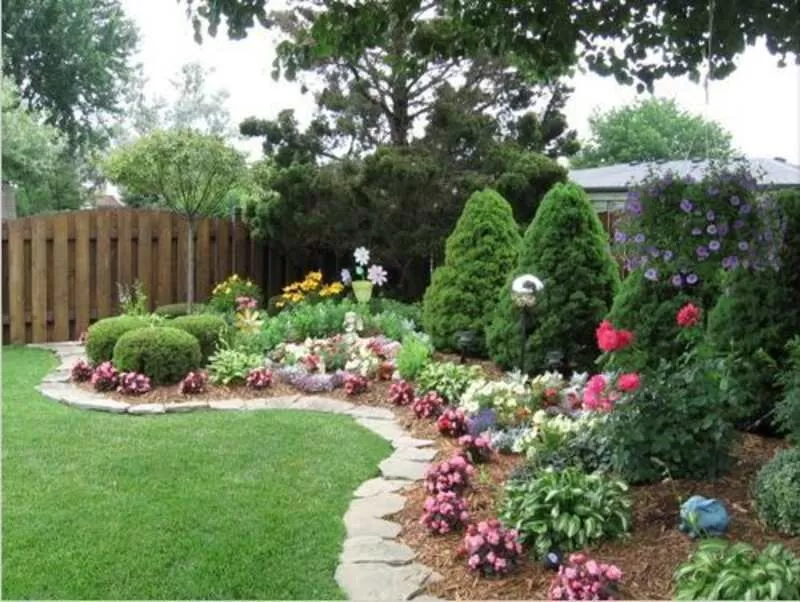 garden bed with stone edging
Edging acts as a visual frame, drawing attention to the tree and the landscape design around its base. It can also serve as a gentle barrier, keeping pets or playful children from disturbing the soil or fragile surface roots.
FAQs About Landscaping Around Trees
You might have some questions when planning your tree base landscape ideas. Here are answers to a few common ones:
Are Exposed Roots Bad for My Tree?
Exposed tree roots are generally not bad for the tree itself, but they can pose challenges for you. They can be easily damaged by lawn equipment, creating entry points for diseases or pests. Exposed roots can also become tripping hazards, make it difficult to mow the lawn, and even lift nearby structures or pathways as they grow.
How Can I Landscape Around a Tree With Exposed Roots?
Landscaping around trees with exposed roots requires care. Adding a thick layer of soil directly over the roots is not recommended, as this can suffocate the roots by preventing necessary oxygen exchange. The best approach is often to cover the roots with a layer of organic mulch (2-3 inches deep), keeping the mulch pulled back from the trunk. This protects the roots, improves soil health over time, and creates a tidy, no-mow zone around the tree base. You can then plant shallow-rooted groundcovers or shade-tolerant plants into the mulch layer rather than digging into the soil below.
How Much Mulch Should Be Around a Tree?
A layer of organic mulch, such as shredded bark or wood chips, should be spread 2 to 3 inches deep around the tree. The mulch should extend outwards to at least the tree’s drip line (the edge of the branches). Critically, keep the mulch pulled back about 6 inches from the base of the trunk to form a “donut” shape. Avoid piling mulch against the trunk, which can trap moisture and invite pests and disease.
Can You Put Landscape Fabric Around Trees?
Using landscape fabric around trees is a debated topic among gardeners. Proponents use it to suppress weeds and prevent inorganic mulches (like gravel) from sinking into the soil. However, many experts advise against it, especially with organic mulches. Landscape fabric can hinder the natural decomposition of organic matter into the soil, reduce oxygen and water flow over time as it clogs, and discourage beneficial soil life. For healthier soil and roots when landscaping under trees, an organic mulch applied correctly is generally preferred.
When to Consider Calling a Landscaping Professional
While many of these tree base landscape ideas are achievable DIY projects, some, like building complex retaining walls, designing decks, or installing intricate lighting systems, can be challenging. Additionally, working around mature tree roots requires careful consideration to avoid harming the tree.
If you’re unsure about the best approach for your specific tree, dealing with significant exposed roots, or planning a large-scale project, consulting a landscape professional can be invaluable. They can assess the site, recommend appropriate designs that won’t harm your tree, and handle the installation, ensuring your beautiful new tree base landscape is both stunning and healthy.
By implementing thoughtful tree base landscape ideas, you can transform often-overlooked areas of your yard into beautiful, functional, and engaging garden features that enhance your home’s curb appeal and your enjoyment of your outdoor space.
We hope these ideas inspire you to get creative around your own trees! Do you have a favorite way to landscape around your trees, or are you planning a new project? Share your thoughts in the comments below! And if you found these ideas helpful, consider sharing this article with fellow garden enthusiasts. Don’t forget to explore other articles on Thelittle.garden for more inspiration and tips for your home garden and landscape projects!