- Discover the ancient Japanese philosophy of Wabi-Sabi and its connection to finding beauty in imperfection and transience.
- Learn how the art of Kintsugi embodies this philosophy by celebrating the history of broken objects.
- Explore practical ways to apply Wabi-Sabi principles to create a calm, authentic, and naturally beautiful garden space.
- Understand why embracing aged materials, natural forms, and the flow of nature is key to Wabi-Sabi garden aesthetics.
Have you ever looked at a weathered stone path, a moss-covered wall, or a tree with a gracefully twisted branch and found a sense of profound beauty? There’s a captivating charm in things that show their age, their history, and their journey. This appreciation for the imperfect, the transient, and the authentic lies at the heart of the Japanese philosophy known as Wabi-Sabi.
While often associated with interior design or ceramics, the principles of Wabi-Sabi translate beautifully into the outdoor realm, offering a refreshing perspective on creating a garden. Forget the pursuit of sterile perfection and manicured lawns; wabi-sabi garden aesthetics invite you to celebrate the natural world as it is, finding peace and beauty in its ever-changing, flawed reality.
What is Wabi-Sabi?
At its core, Wabi-Sabi is an ancient Japanese worldview centered on the acceptance of transience and imperfection. It’s about finding beauty in authenticity, appreciating simplicity, and understanding that nothing lasts, nothing is finished, and nothing is perfect. It’s a quiet, unassuming beauty that emerges from the passage of time and the effects of nature.
Think about the art of Kintsugi, which means “golden joinery.” When a cherished ceramic piece breaks, Kintsugi doesn’t hide the damage. Instead, it repairs the cracks using lacquer mixed with gold, silver, or platinum dust. This repair doesn’t just mend the object; it highlights its history, transforming the breakage into a visible, beautiful part of its story. The mended item becomes unique, arguably even more beautiful than its original, perfect state.
Kintsugi is a powerful metaphor for Wabi-Sabi. It teaches us to see value in flaws, to understand that experiences (even breakage) add depth and character. This perspective is deeply rooted in Japanese cultural values like mottainai, a sense of regret over waste, and mushin, the state of accepting things without prejudice.
The philosophy gained prominence around the late 15th century. Legend has it that a Japanese shogun, Ashikaga Yoshimasa, sent a broken tea bowl back to China for repair but was dissatisfied with the crude metal staples used. This spurred Japanese craftsmen to develop Kintsugi, an elegant method that celebrated the break rather than concealing it.
 Blue ceramic cup repaired with Kintsugi gold lines
Collectors became so fascinated by the result that some were even accused of deliberately breaking pottery to have it repaired using the golden seams, eager to own pieces that embodied this unique aesthetic and philosophy.
Bringing Wabi-Sabi to Your Garden
Applying Wabi-Sabi to your garden space isn’t about following strict rules; it’s about cultivating a mindset and making conscious choices that reflect its core principles. It’s about creating a space that feels authentic, peaceful, and connected to the natural world’s cycles.
Embrace Imperfection
In a Wabi-Sabi garden, perfection is not the goal. A slightly crooked stone path, a weathered wooden fence showing signs of age, a mossy patch on a stepping stone – these are not flaws to be corrected but features to be appreciated. Allow plants to self-seed where they may, tolerate a few fallen leaves, and appreciate the irregular shapes that nature creates.
Celebrate Transience
Gardens are inherently transient spaces, constantly changing with the seasons. A Wabi-Sabi garden celebrates this. Appreciate the delicate beauty of spring blossoms knowing they won’t last, the vibrant life of summer, the rich colors of autumn decay, and the stark, sculptural forms of winter. Choose plants that offer interest throughout the year through their changing forms, textures, and seed heads. Embrace the cycle of growth, decay, and renewal.
Choose Natural, Authentic Materials
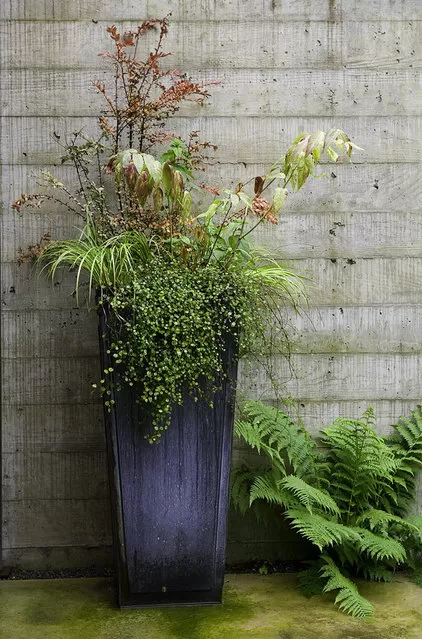
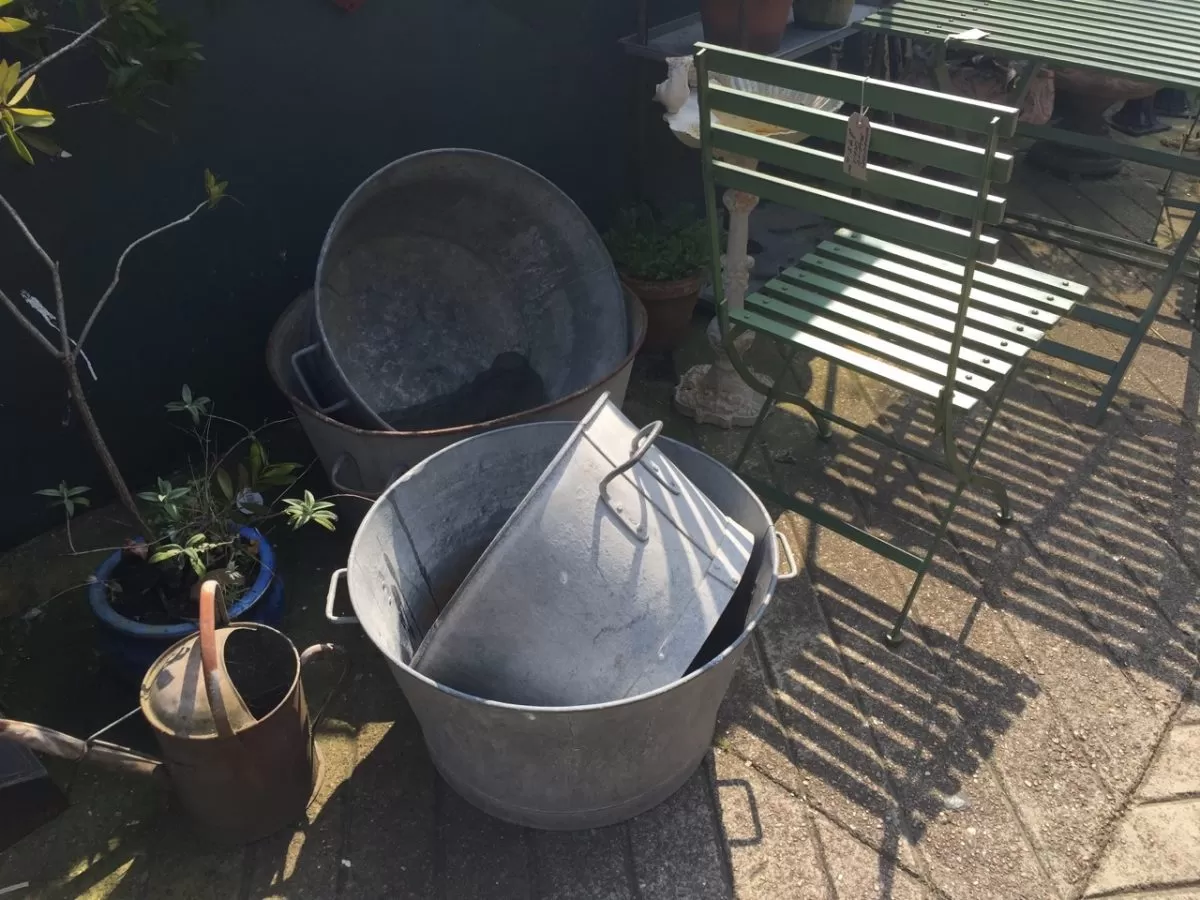
Opt for materials that age gracefully and blend harmoniously with the environment. Natural stone, reclaimed wood, gravel, and aged metal or clay pots develop a beautiful patina over time, adding character and depth that manufactured, perfect materials lack. The wear and tear become part of their story.
Keep it Simple and Unfussy
Wabi-Sabi favors simplicity over extravagance. Designs are often minimal, focusing on natural forms and textures rather than bright, showy colors or complex arrangements. Declutter your garden space, allowing each element – a single beautiful rock, a carefully placed bench, a cluster of simple plants – to stand out and be appreciated for its inherent qualities.
Allow for Patina and Age
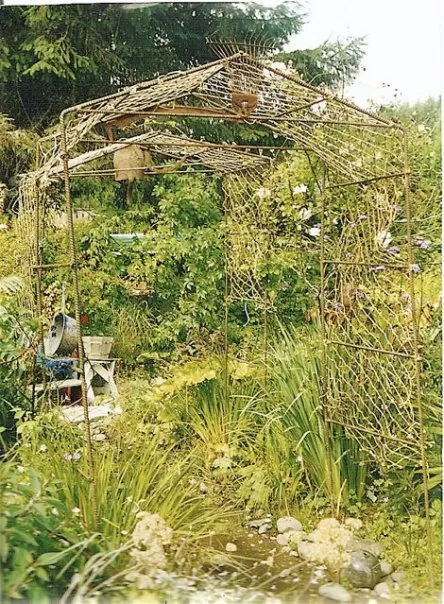
Don’t rush to replace items that show signs of age. That rusty metal trellis, the faded garden bench, the stone statue with a dusting of lichen – these elements possess a beauty that only time can bestow. They contribute to the garden’s sense of history and authenticity.
 Collage showing examples of Kintsugi repairs
Just as Kintsugi highlights the journey of a ceramic piece, the patina on garden elements tells the story of seasons passed and moments enjoyed in the space.
Focus on Texture and Form
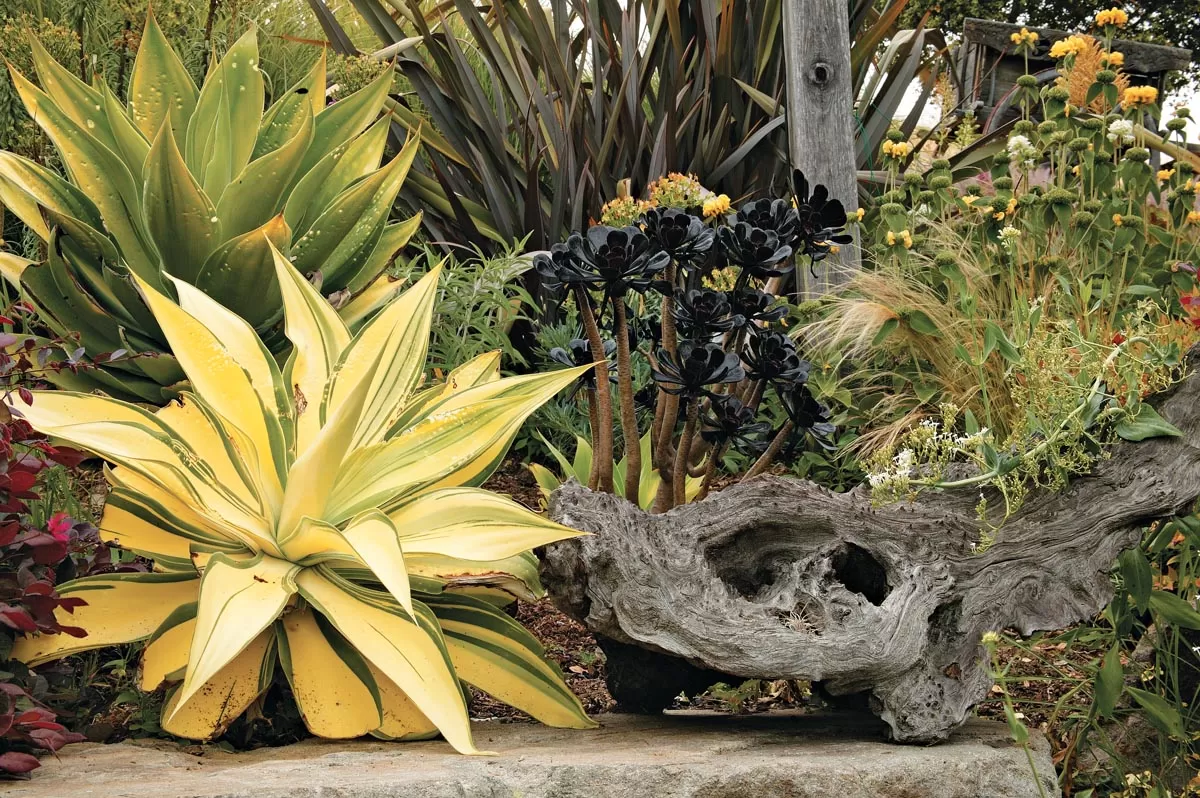
While color is beautiful, a Wabi-Sabi garden often emphasizes texture and form. Layers of different foliage textures, the rough surface of stone against soft moss, the sculptural shape of bare branches in winter – these elements provide subtle, lasting visual interest that aligns with the philosophy’s understated aesthetic.
Designing Your Wabi-Sabi Space
Creating a Wabi-Sabi garden isn’t about rigid planning but about intentional design choices that feel natural and unforced.
Natural Flow
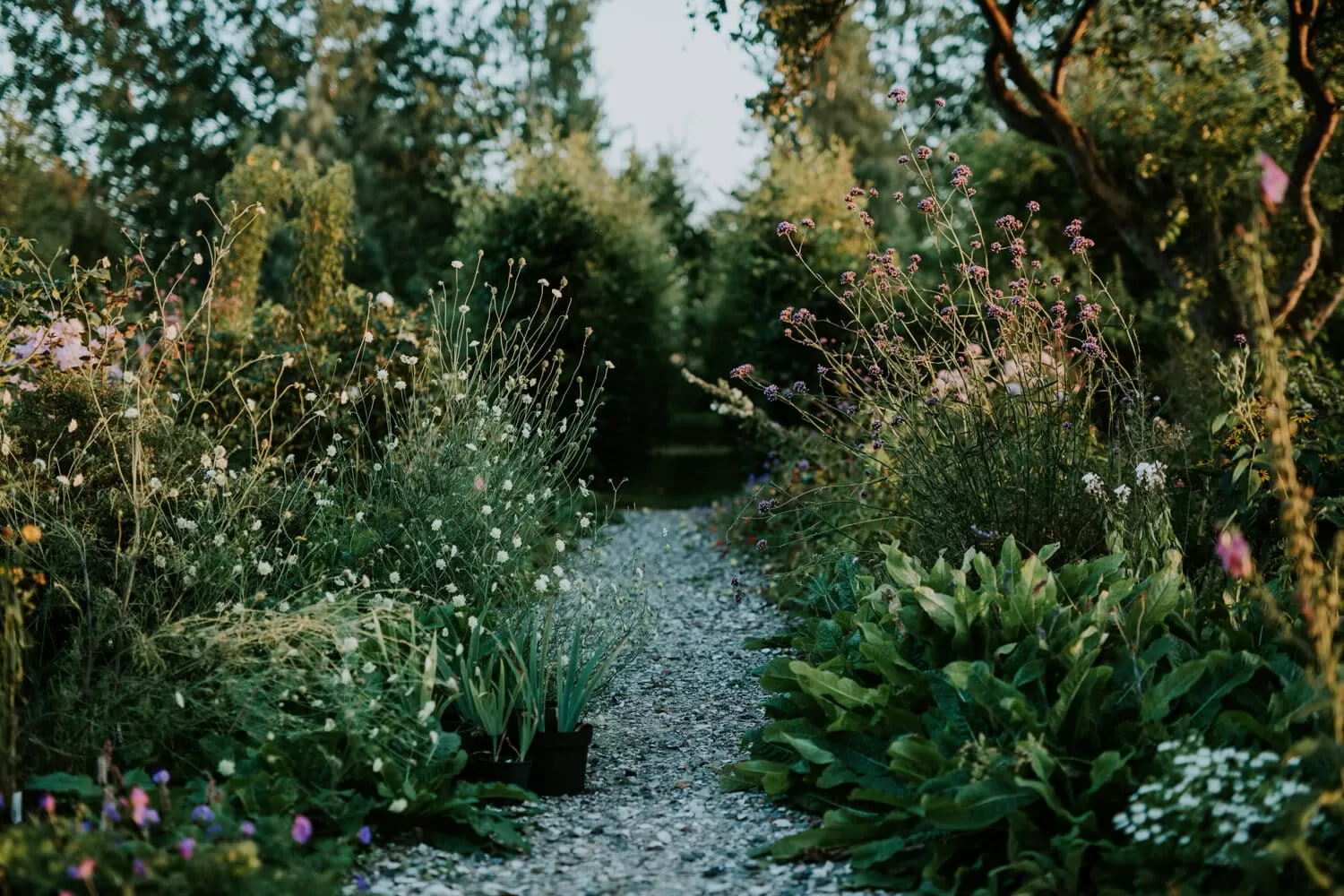
Think asymmetrical layouts and gentle curves that mimic the natural world rather than straight lines and perfect symmetry. Paths might meander, borders might be soft and irregular.
Plant Choices
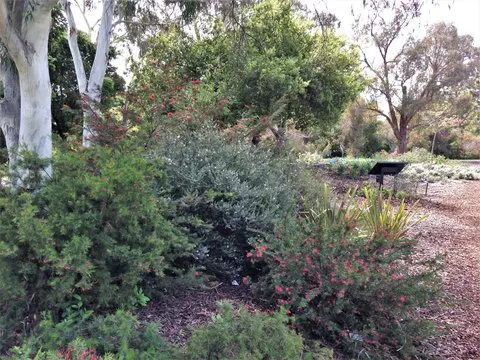
Select hardy plants that look good as they age and have interesting forms or textures. Focus on plants that suit your climate and require minimal intervention. Think about mosses, ferns, simple grasses, understated perennials, and trees with characterful shapes.
- Mosses (Various species)
- Scientific Name: Bryophytes (division)
- Common Name: Moss
- Zone: Varies greatly by species
- Light: Shade to partial shade
- Humidity: High
- Water: Consistently moist, but well-drained
- Ferns (Various species)
- Scientific Name: Pteridophytes (division)
- Common Name: Fern
- Zone: Varies greatly by species
- Light: Shade to partial shade (some tolerate more light)
- Humidity: High
- Water: Consistently moist, but well-drained
Garden Features
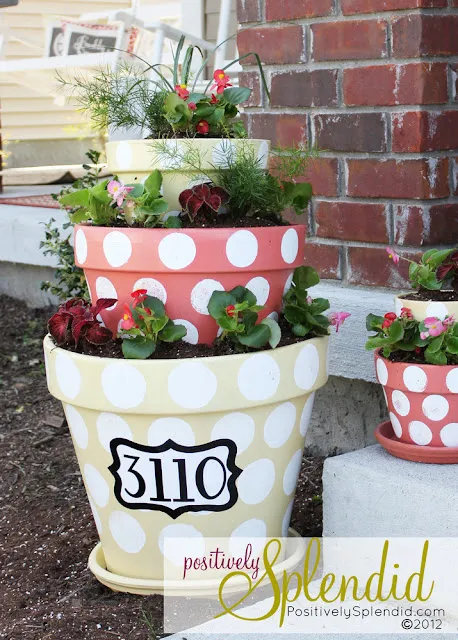
If you include features, choose simple, understated pieces. An aged stone lantern, a basic wooden bench, a collection of different-sized rocks. Avoid overly ornate or brightly colored ornaments. Aged or deliberately patinated containers can add character.
 Three images illustrating different Kintsugi repair styles: Crack repair, Piece recovery, Joint call
These methods of Kintsugi highlight how perceived flaws can be transformed into unique features, a principle echoed in the Wabi-Sabi garden where a cracked pot might be repurposed or a naturally formed hollow in a rock is appreciated.
Caring for Your Wabi-Sabi Garden
A Wabi-Sabi garden isn’t a neglected garden. It requires care, but care guided by acceptance rather than a need for control.
Pruning with Purpose
Prune to enhance the natural shape of a plant, not to force it into an artificial, perfect form. Remove dead or diseased branches, but appreciate a slightly irregular silhouette.
Letting Nature Have a Say
Work with your site’s conditions. Choose plants suited to the light and soil you have. Embrace the changes brought by weather and time.
Mindful Observation
Spend time observing your garden. Notice the subtle changes, the way light falls on different textures, the effects of rain, the lifecycle of plants. This mindful appreciation is central to the Wabi-Sabi philosophy.
 Collage showing Kintsugi repaired ceramics
Just as Kintsugi artists worldwide find inspiration in this tradition today, we too can draw inspiration from Wabi-Sabi principles.
Conclusion
Creating a garden based on wabi-sabi garden aesthetics is a journey of shifting perspective. It’s about finding beauty not in spite of imperfection, but because of it. It’s about accepting the transient nature of life and the garden, appreciating the simple, the authentic, and the marks left by time. By embracing these principles, you can cultivate a garden that is not only visually serene and unique but also a peaceful retreat that reflects a deeper connection to the natural world and the beauty of impermanent things.
Have you incorporated Wabi-Sabi elements into your garden? Share your thoughts and experiences in the comments below!