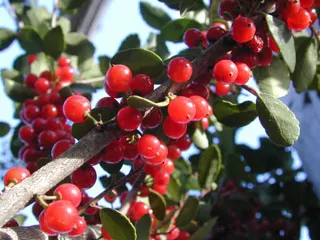
- Discover effective weed control methods for vibrant flower beds.
- Learn how to choose the right weed killer for your specific needs.
- Explore preventative measures to keep weeds at bay.
- Master the art of manual weed removal techniques.
A vibrant flower bed is a gardener’s delight, but unwelcome weeds can quickly turn this oasis into a chaotic mess. Not only do weeds detract from the beauty of your flowers, but they also compete for vital resources like water, nutrients, and sunlight. This comprehensive guide explores the best weed killer for flower beds, covering everything from prevention to eradication, so you can cultivate the flourishing flower bed of your dreams.
Understanding the Weed Threat in Flower Beds
Weeds are more than just an eyesore; they pose a significant threat to the health and vitality of your flower beds. They can harbor pests and diseases, disrupt soil composition, and ultimately stifle the growth of your cherished flowers. Effective weed control is essential for maintaining a healthy and beautiful garden.
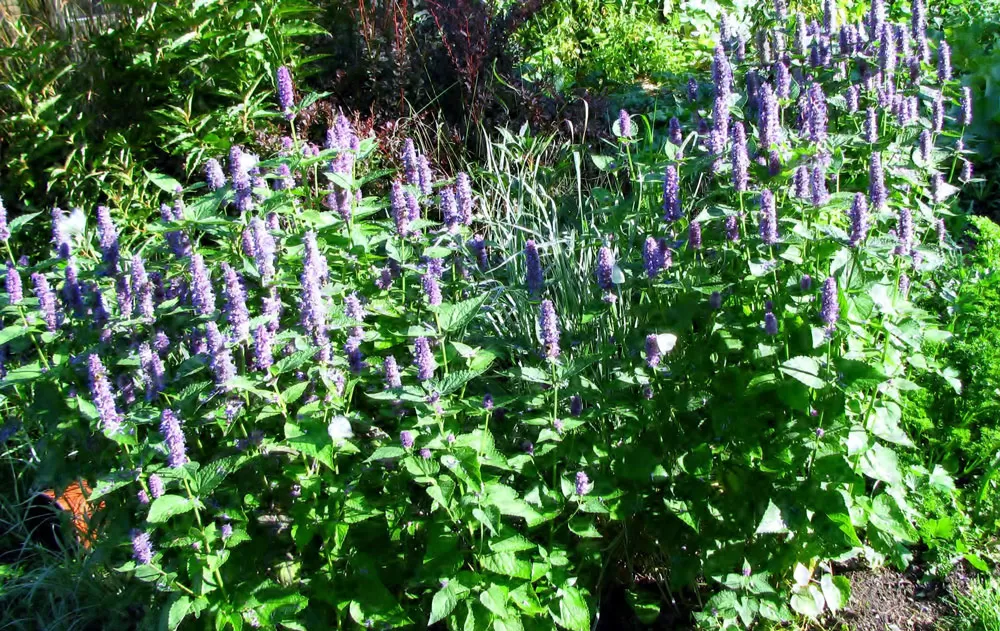
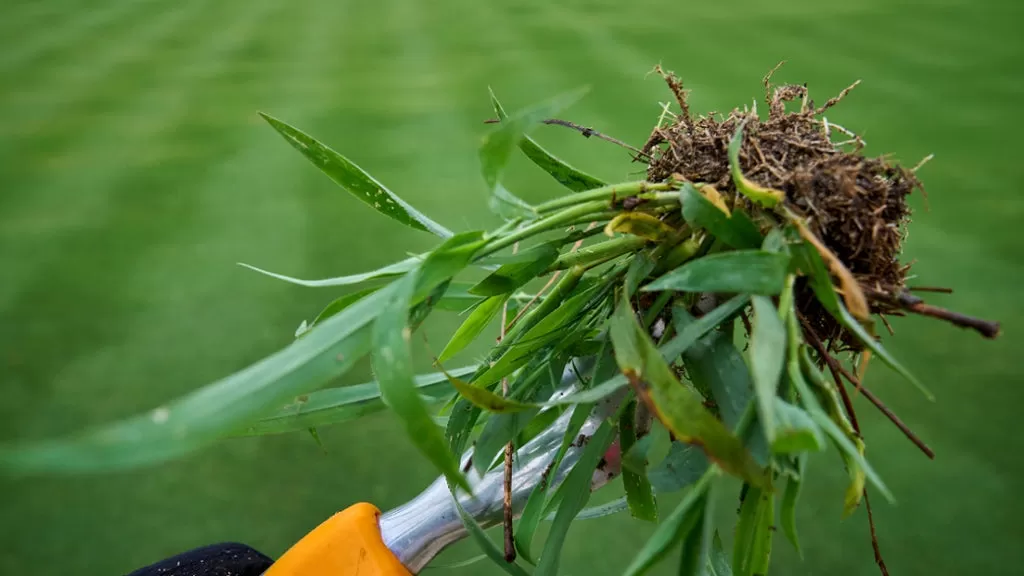 Weeds in a flower bed
Identifying Common Flower Bed Weeds
Before waging war on weeds, it’s crucial to know your enemy. Identifying the specific types of weeds infesting your flower beds allows you to tailor your weed killer strategy for optimal results. Common culprits include:
Broadleaf Weeds
These weeds are easily distinguishable by their broad leaves, often contrasting sharply with the surrounding foliage. Examples include dandelions, clover, and chickweed.
Grassy Weeds
Grassy weeds, like crabgrass and foxtail, can be trickier to spot due to their resemblance to desirable grasses. Their aggressive growth habits make them a formidable opponent in flower beds.
Preventing Weeds Before They Sprout
Prevention is the best defense against weeds. Implementing these strategies can significantly reduce weed growth and minimize the need for weed killer:
Mulching
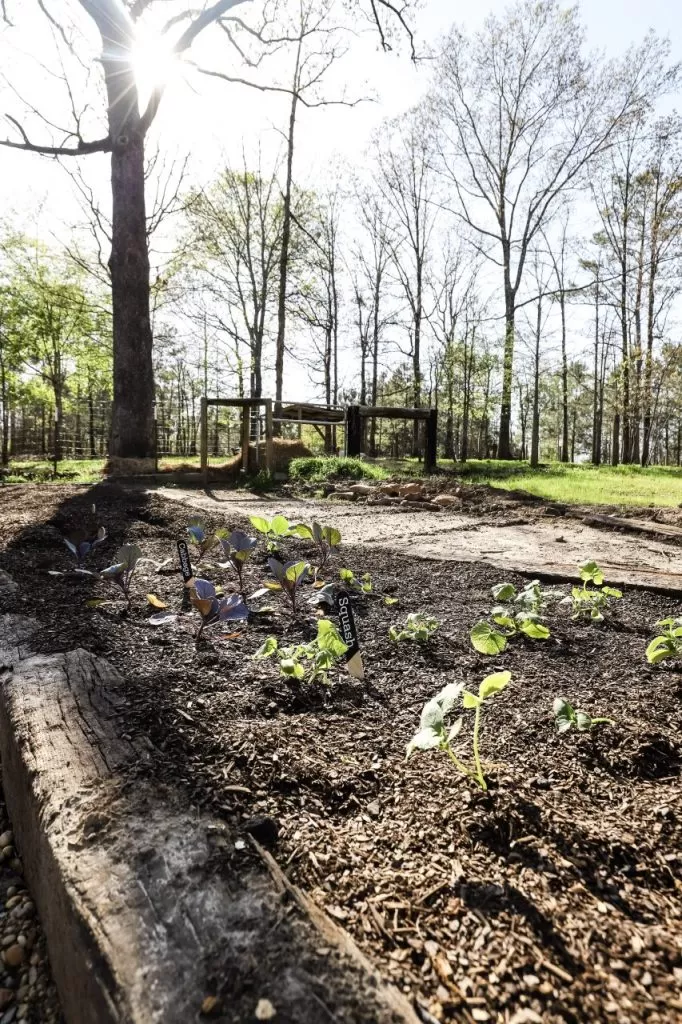
A thick layer of organic mulch (2-4 inches) suppresses weed germination by blocking sunlight and regulating soil temperature.
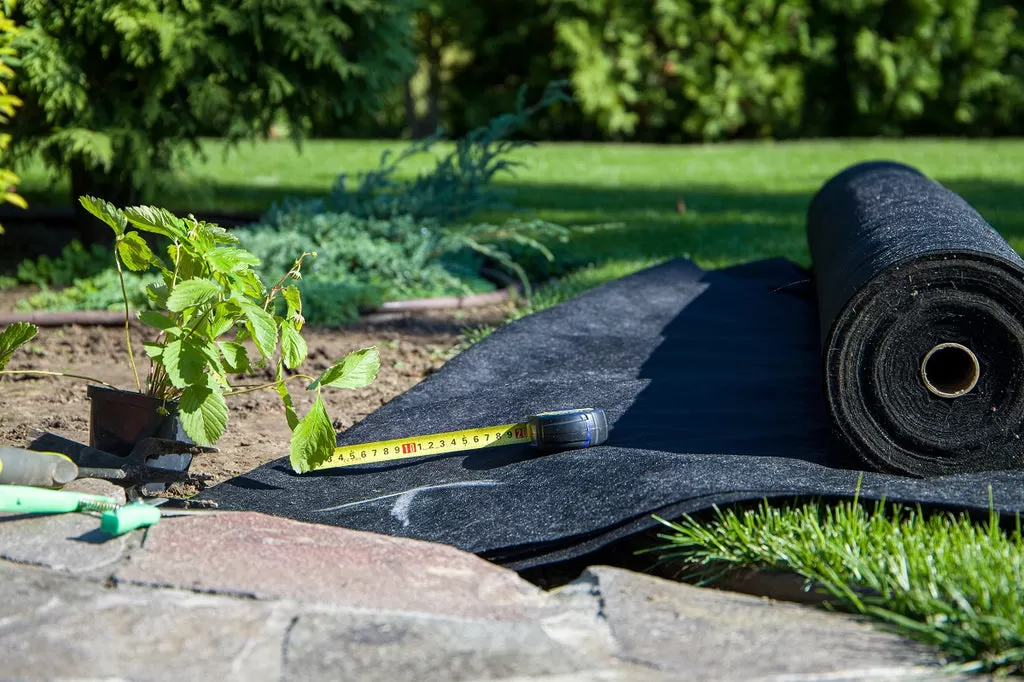 Mulch in a garden
Landscape Fabric
Permeable landscape fabric acts as a physical barrier against weeds while allowing water and nutrients to reach the soil.
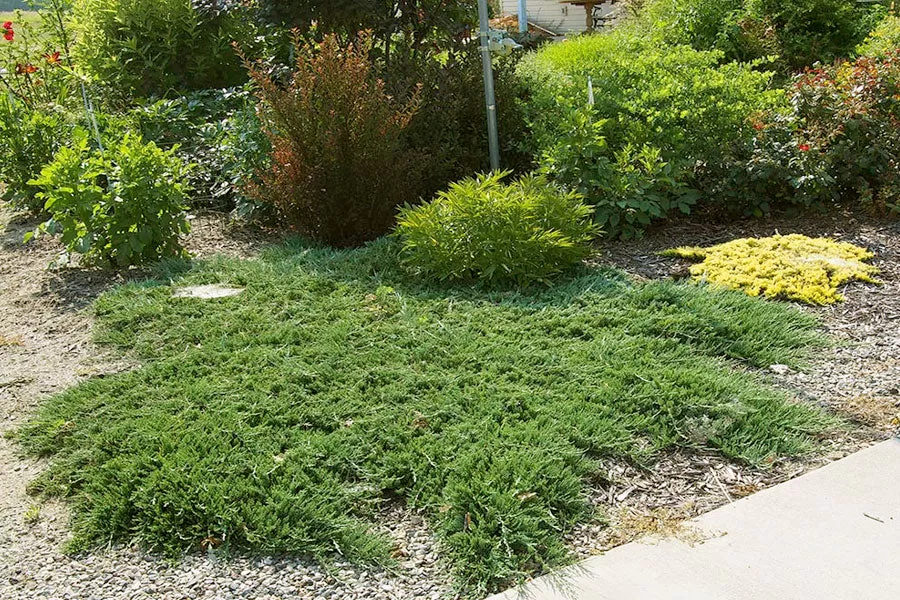
Weed-Resistant Plants
Choosing vigorous, fast-growing plants and groundcovers can help outcompete weeds for space and resources.
Manual Weed Removal Techniques
For smaller infestations or environmentally conscious gardeners, manual weed removal is a viable option.
Hand Pulling
Equip yourself with a weeding fork or trowel to effectively remove weeds by the roots.
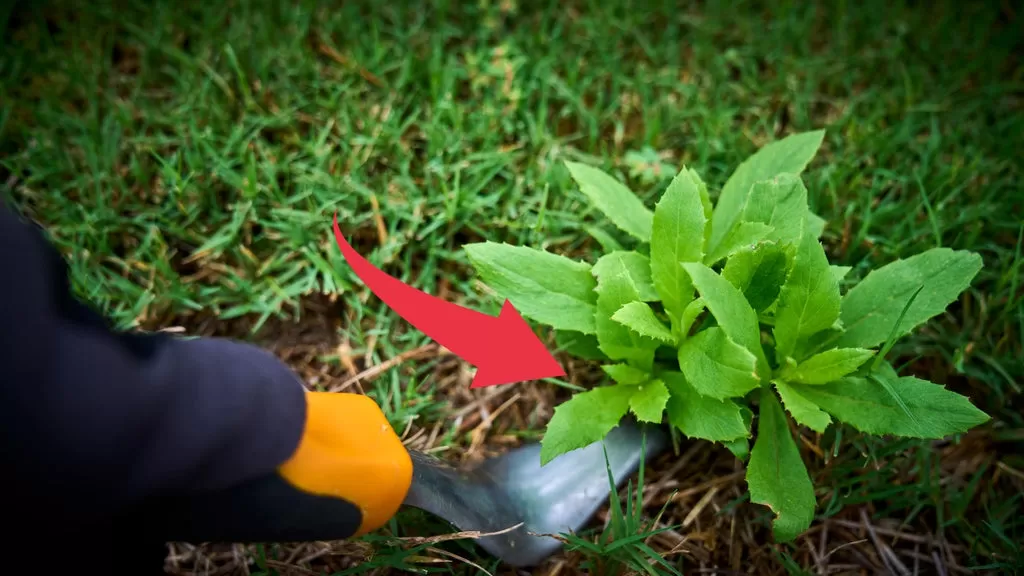 Pulling weeds
Regular Inspection
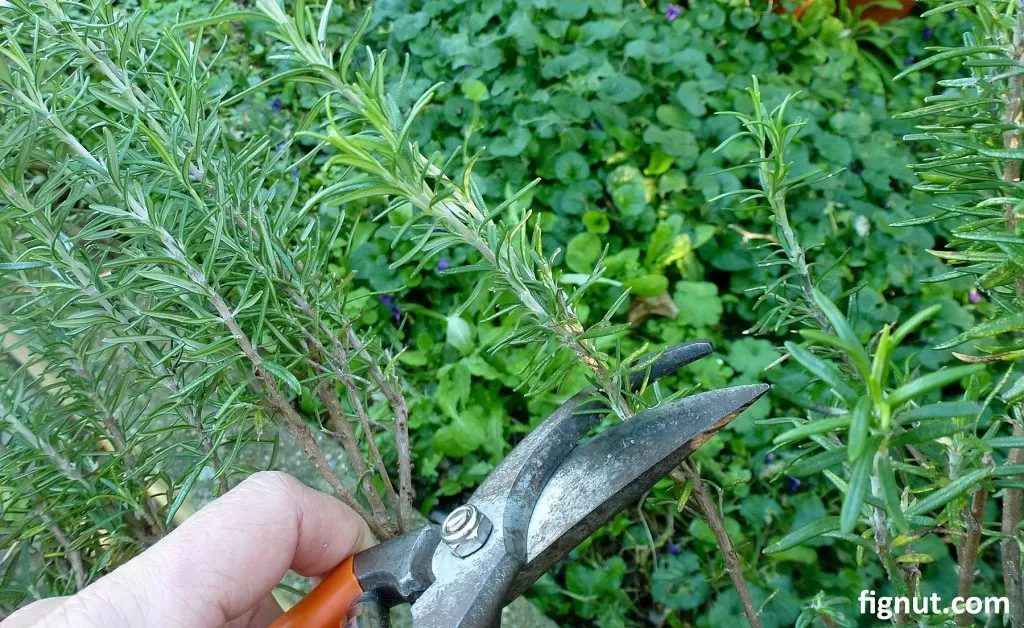
Consistent monitoring and prompt removal of young weeds prevent them from establishing a strong foothold.
Choosing the Right Weed Killer for Flower Beds
When manual removal isn’t enough, weed killer can provide effective control. Choosing the right product is crucial for protecting your flowers while eliminating unwanted weeds.
Selective Herbicides
These herbicides target specific types of weeds, sparing your desirable plants. Options include 2,4-D, dicamba, MCPA, clopyralid, and fluroxypyr.
Non-Selective Herbicides
These herbicides kill any plant they come into contact with, making them suitable for areas without desirable vegetation. Exercise extreme caution when using these products near flower beds.
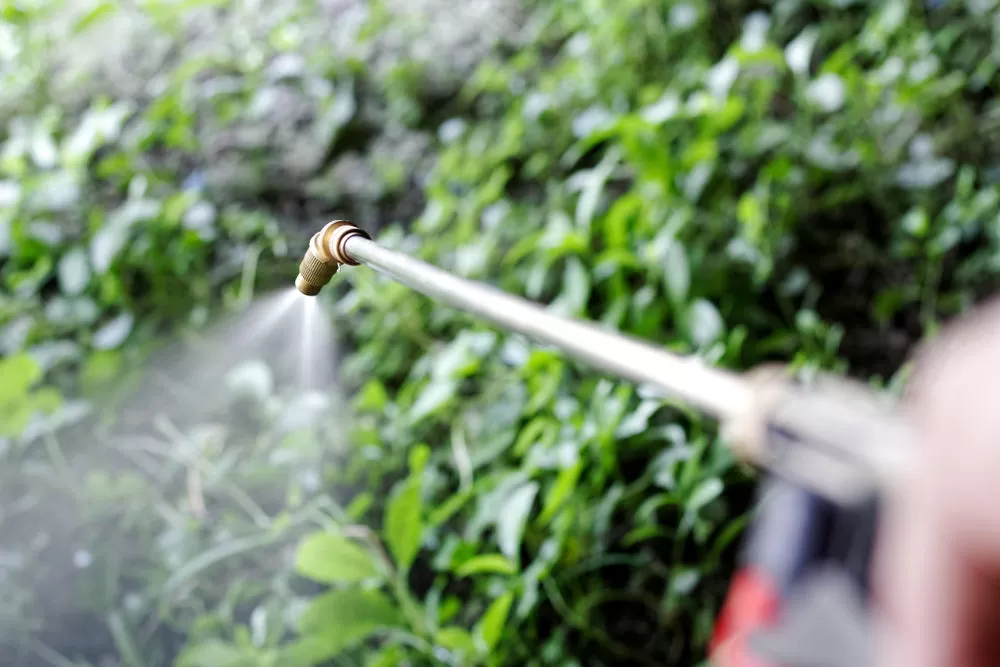 Applying weed killer
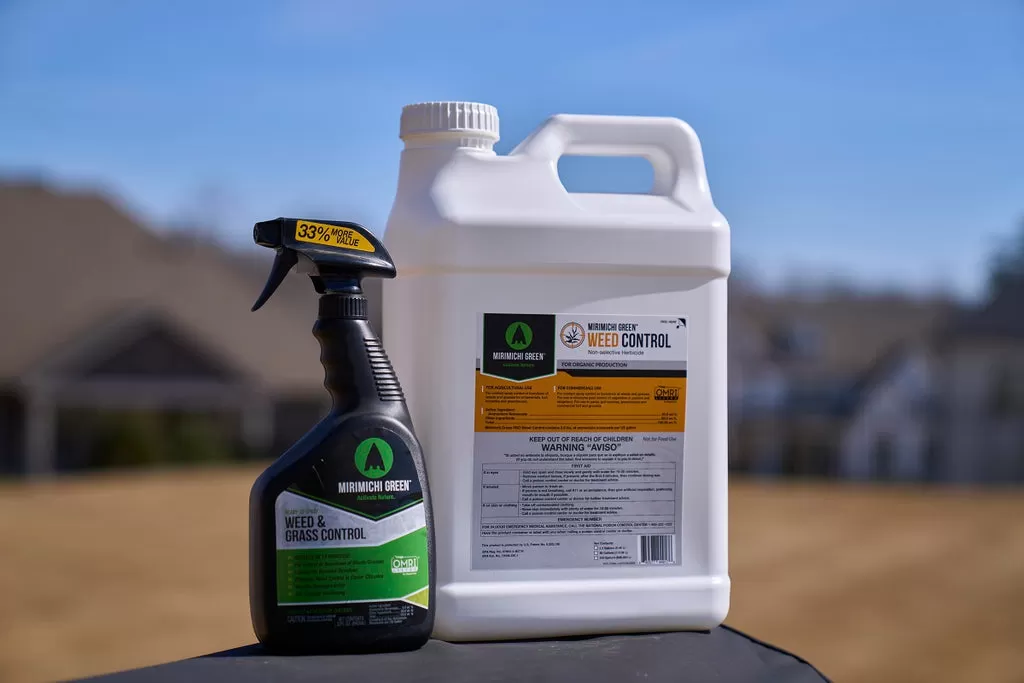
Organic Weed Killers
For a more environmentally friendly approach, consider organic weed killers, which often utilize natural ingredients.
Applying Weed Killer Safely and Effectively
Always follow the manufacturer’s instructions carefully when applying weed killer. Here are some additional tips:
- Apply on a calm day to prevent drift.
- Use a precision sprayer or paintbrush for targeted application.
- Shield desirable plants with cardboard or a bucket.
Maintaining a Weed-Free Flower Bed
Weed control is an ongoing process. Regular maintenance, including mulching, proper watering, and vigilant monitoring, is key to preventing future weed infestations.
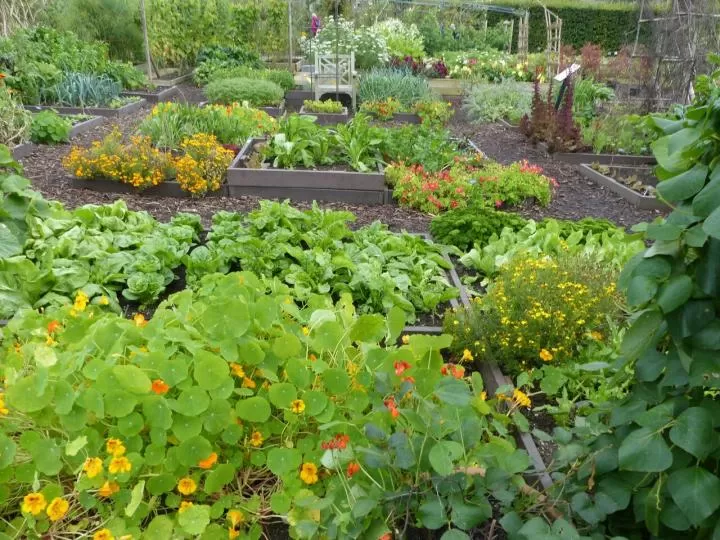
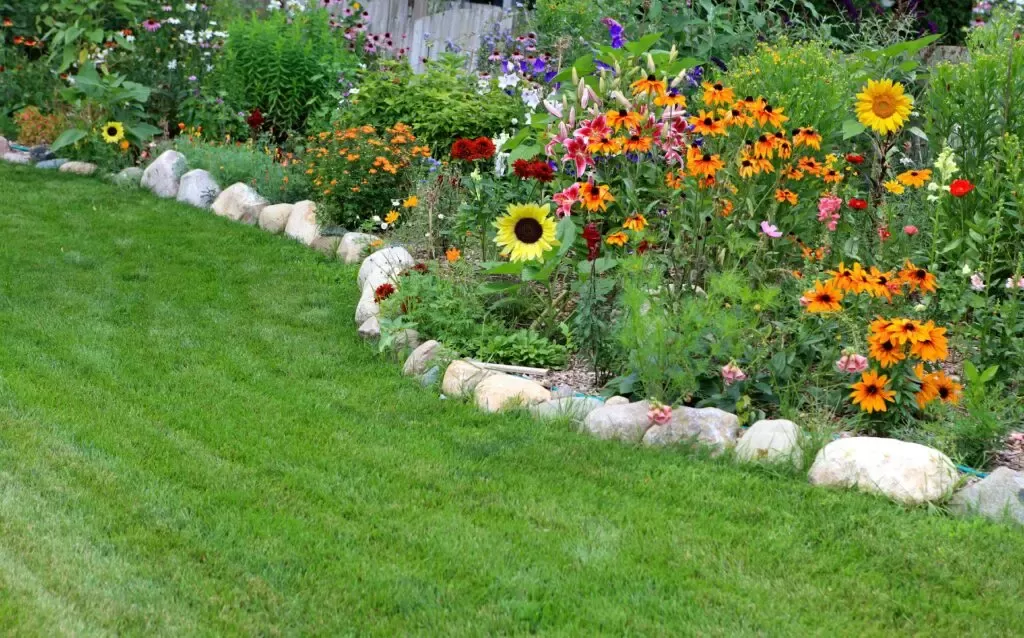
 Healthy plants in a garden bed
By understanding the different weed control methods and implementing a comprehensive strategy, you can create a beautiful and thriving flower bed free from unwanted invaders. Enjoy the vibrant colors and fragrant blooms of your weed-free paradise!
Mulch Maintenance for Weed Prevention
Maintaining your mulch is crucial for its effectiveness in weed control.
Mulch Depth
Keep a consistent depth of 2-4 inches, avoiding excessive mulch which can attract pests and diseases.
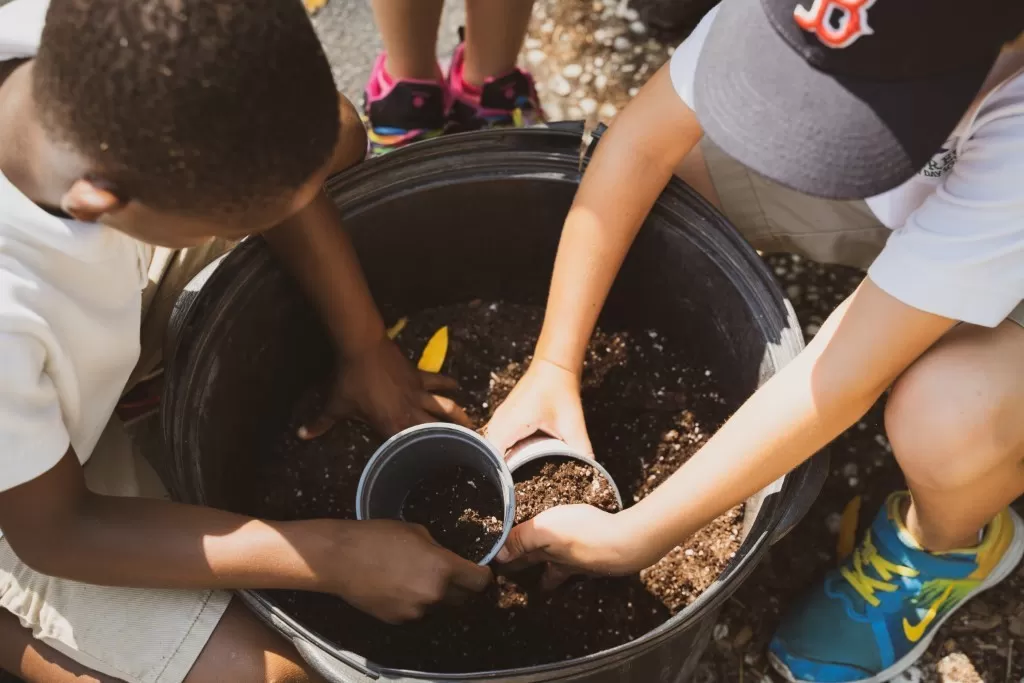
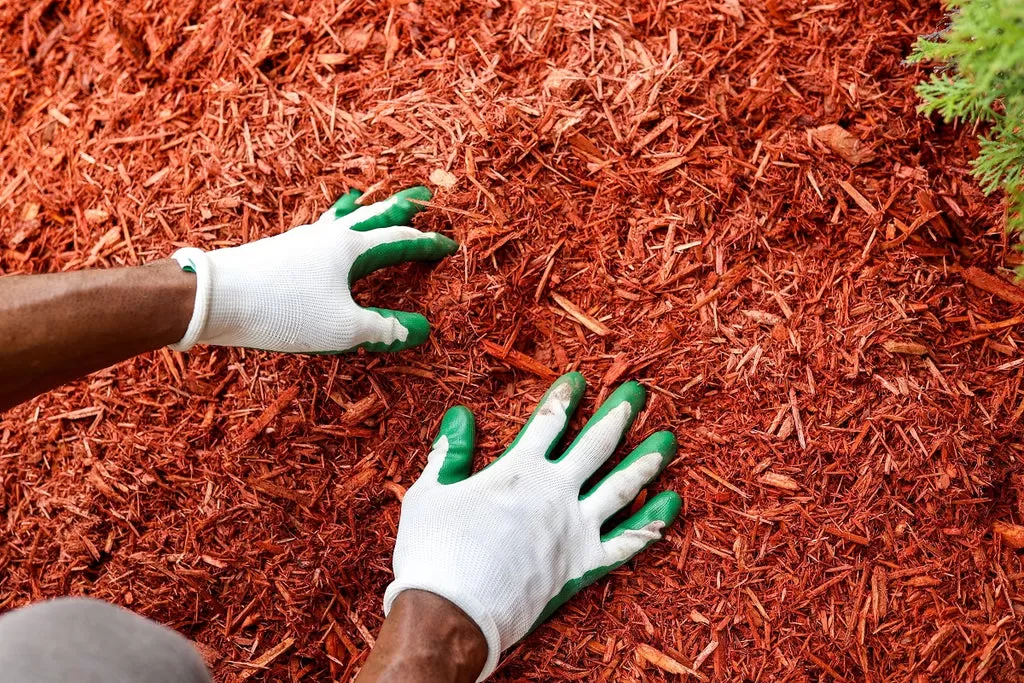 Mulching a garden
Replenishing Mulch
Regularly inspect and replenish mulch as needed, especially after heavy rains or as it decomposes.
Regular Garden Maintenance for Long-Term Weed Control
Ongoing garden maintenance plays a vital role in keeping weeds at bay.
Pruning and Thinning
Promote air circulation by pruning and thinning overgrown plants, creating an environment less conducive to weed growth.
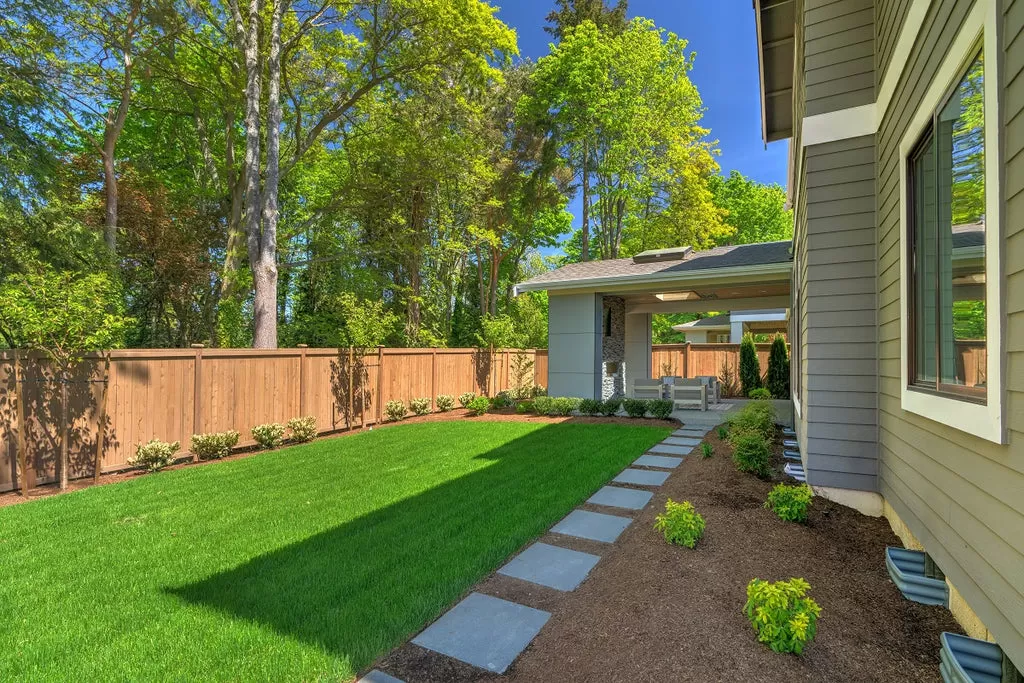 Maintaining a garden
Watering and Fertilizing
Deep, infrequent watering and balanced fertilization promote healthy plant growth, making them more resistant to weed competition.
We encourage you to share your own weed control tips and experiences in the comments below! Happy gardening!