- Save water and lower bills with smart plant choices.
- Create a beautiful, low-maintenance garden even in limited space.
- Boost your small yard’s appeal with clever design and hardscaping.
- Attract beneficial wildlife, adding life to your compact oasis.
Do you dream of a vibrant, beautiful garden but feel limited by the size of your yard and the constant demand for water and maintenance? Traditional lawns and thirsty plants can turn a small space into a chore rather than a haven. But what if you could transform your tiny plot into a stunning, easy-care landscape that conserves water and thrives with minimal effort? That’s the magic of xeriscaping small yards. Far from being just rocks and cacti, modern xeriscaping offers creative, lush, and colorful possibilities perfectly suited for compact urban and suburban spaces. Let’s explore how to make the most of your small yard with smart, water-wise design.
What is Xeriscaping and Why is it Perfect for Small Yards?
Xeriscaping is a landscaping approach centered on reducing or eliminating the need for irrigation. It achieves this by using plants adapted to dry climates, employing efficient watering methods, and incorporating thoughtful design elements like mulch and hardscaping. While often associated with large desert landscapes, xeriscaping principles are incredibly effective and beneficial for small yards.
In a small space, every design choice has a magnified impact. Xeriscaping allows you to maximize the beauty and functionality of your yard without the burden of excessive watering and maintenance. It’s an eco-friendly choice that saves time, money, and a precious resource – water. Plus, a well-designed small xeriscape can be a unique, eye-catching feature that enhances your property’s curb appeal.
Clever Xeriscaping Ideas Tailored for Small Spaces
Transforming a small yard with xeriscaping is about smart planning and selecting elements that work well in limited areas. You can create a dynamic and sustainable landscape by focusing on scale, texture, and water-wise solutions.
Maximize Impact with Strategic Hardscaping
Hardscaping provides structure and reduces the area that requires planting and watering. In a small yard, carefully chosen hardscape elements can define spaces, add visual interest, and create functional areas.
Paver walkways or stepping stones can guide the eye and create a sense of journey, even in a short distance. Gravel is an excellent alternative to grass, offering superb drainage and a low-maintenance surface. You can use different sizes and colors of gravel to create patterns or delineate areas. A small patio or deck can provide a cozy spot for seating, seamlessly integrated into your xeriscaped beds.
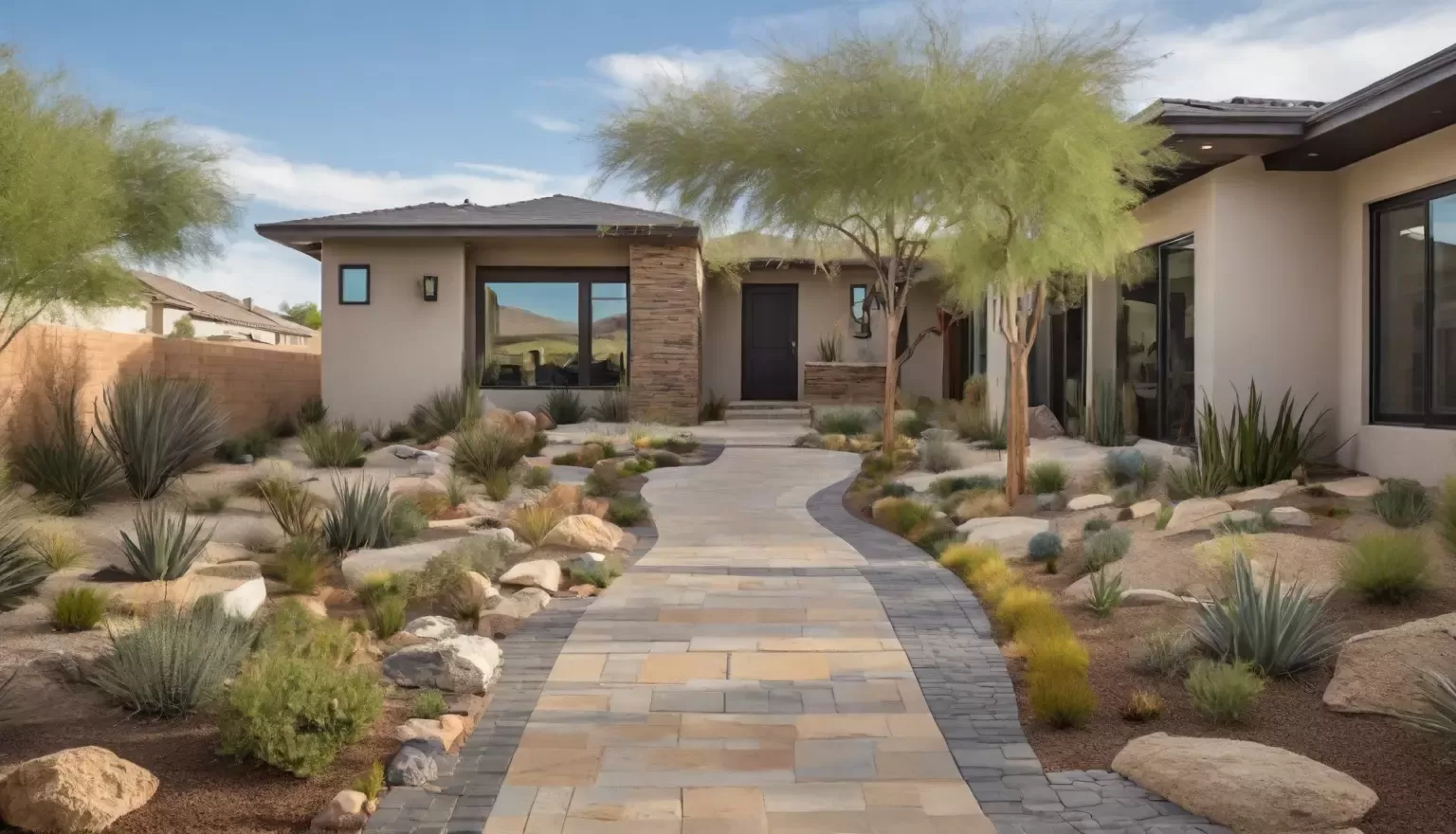 Curving paver walkway winding through a xeriscaped garden with rocks and drought-tolerant plants
Consider incorporating small rock garden elements. A few strategically placed boulders or groupings of attractive stones can add dramatic texture and serve as focal points, requiring zero water.
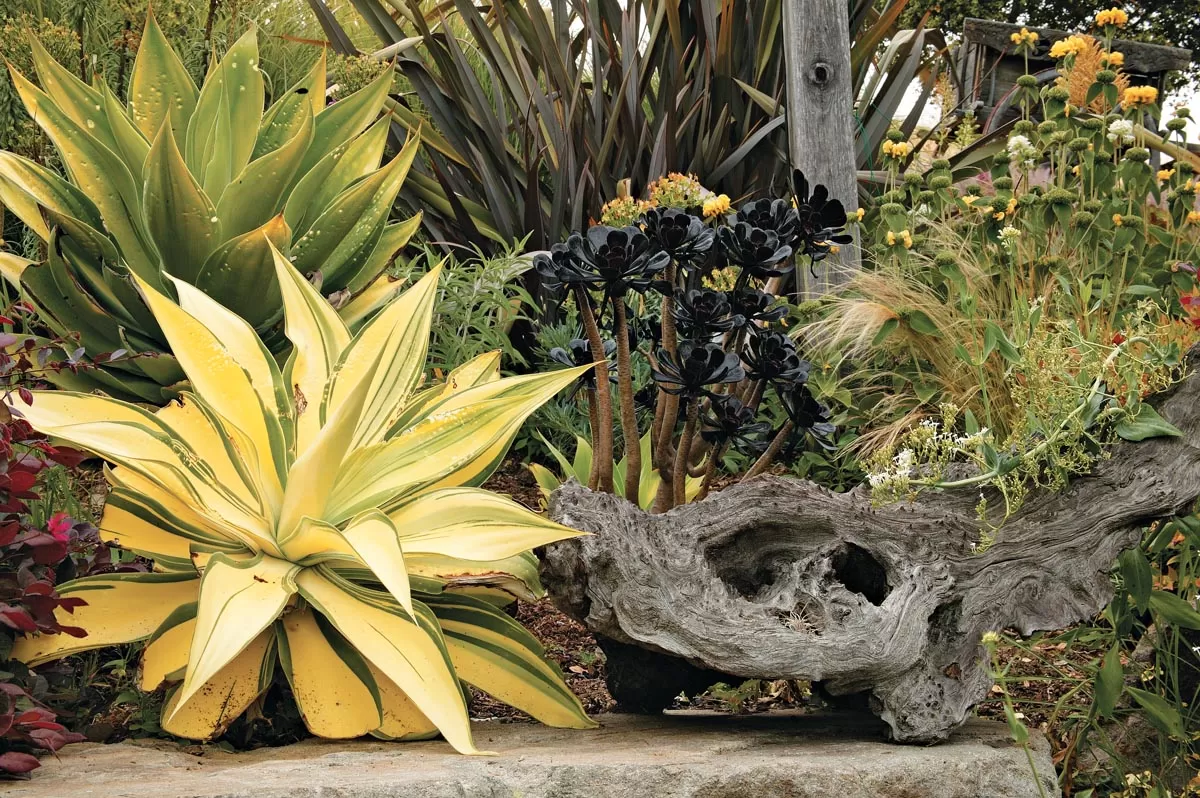
 Small rock garden featuring various sizes of stones and hardy succulent plants
Embrace the Power of Water-Wise Plants
Plant selection is key in xeriscaping, especially in small yards where space is limited, and each plant needs to earn its spot. Focus on drought-tolerant species, including natives, perennials, annuals, and, of course, succulents!
Container Gardening: A Small-Yard Superpower
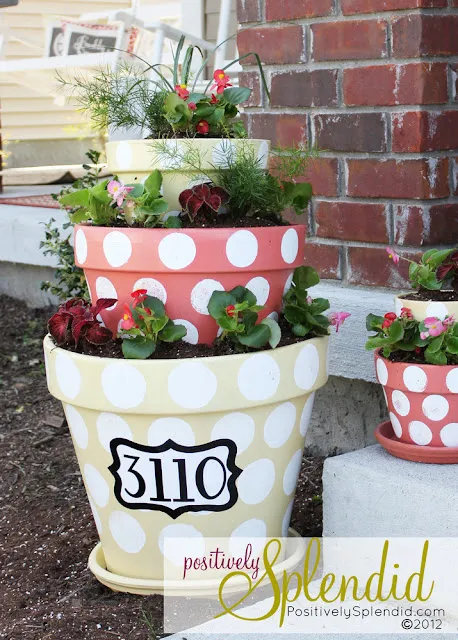
Containers are your best friend in a small xeriscape. They offer flexibility, allow you to control soil conditions, and make it easy to group plants with similar needs. Succulents are popular container choices for a reason – they come in endless varieties, shapes, and colors, require minimal water, and look stunning in pots.
 Assortment of colorful succulents planted in terracotta containers, perfect for small space xeriscaping
Beyond succulents, many drought-tolerant annuals and perennials thrive in containers, adding bursts of color and texture exactly where you want them. Think about layering different heights and forms for visual depth.
-
Sedum (Stonecrop)
- Scientific Name: Sedum spp.
- Common Name: Stonecrop
- Zone: 3-9 (varies by species)
- Light: Full sun
- Humidity: Low to Moderate
- Water: Low; drought tolerant once established
-
Lavender
- Scientific Name: Lavandula spp.
- Common Name: Lavender
- Zone: 5-9 (varies by species)
- Light: Full sun
- Humidity: Low
- Water: Low; thrives in dry conditions
Choosing the Right Plants for Beds
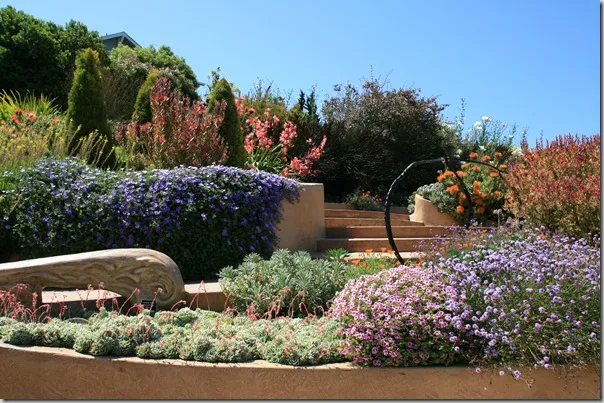
For beds and ground planting in small yards, select compact varieties of drought-tolerant perennials, ornamental grasses, and groundcovers. These provide structure, color, and texture without overwhelming the space.
Ornamental grasses like Blue Fescue add fine texture and movement. Low-growing groundcovers like Creeping Thyme or Sedum fill gaps, suppress weeds, and help retain soil moisture.
 A mix of ornamental grasses and low-growing groundcovers creating texture in a water-wise landscape
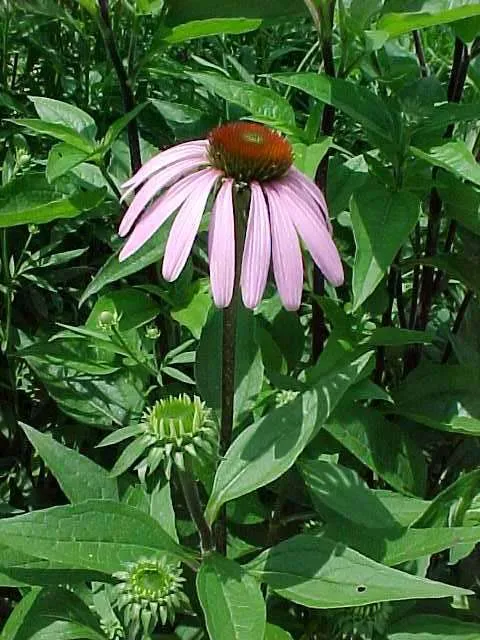
Hardy perennials such as Yarrow or compact varieties of Coneflower offer beautiful blooms with minimal fuss.
-
Blue Fescue
- Scientific Name: Festuca glauca
- Common Name: Blue Fescue
- Zone: 4-8
- Light: Full sun
- Humidity: Low to Moderate
- Water: Low; drought tolerant
-
Yarrow
- Scientific Name: Achillea spp.
- Common Name: Yarrow
- Zone: 3-9 (varies by species)
- Light: Full sun
- Humidity: Low
- Water: Very Low; highly drought tolerant
Don’t forget drought-tolerant annuals for seasonal pops of color! Zinnias, Marigolds, and Cosmos are excellent choices that provide vibrant blooms without needing constant watering.
 Bright drought-tolerant annual flowers adding vibrant color to a water-wise garden bed
Water Management in Miniature
Even in a small xeriscape, smart water management is crucial.
Applying a generous layer of organic mulch (like wood chips or bark) is one of the simplest yet most effective techniques. Mulch helps soil retain moisture, suppresses weeds, and regulates soil temperature, all while adding nutrients as it decomposes.
 Close-up view of natural mulch applied around drought-tolerant plants in a garden bed
For targeted watering, especially during establishment, a drip irrigation system is ideal for small yards. It delivers water directly to the roots with minimal waste from evaporation or runoff. For an even more sustainable approach, consider installing a small rain barrel to collect rainwater for later use on your plants.
 Drip irrigation tubing laid out in a garden bed, providing targeted water to plant roots
Design for Function and Appeal
Xeriscaping a small yard is not just about plant choice; it’s about creating a cohesive and enjoyable space.
Consider adding a small shade structure like a stylish shade sail or a compact pergola to make a seating area more comfortable during warmer months. This adds a vertical element and defines an outdoor living zone.
 Wooden patio cover providing shade over an outdoor seating area next to a garden
If you have pets, particularly dogs, plan for their needs. Incorporate durable surfaces like gravel or even a small patch of artificial turf in high-traffic areas. Choose plants that are non-toxic and sturdy enough to withstand occasional interaction. Ensure there’s always a water source available for them.
 A happy dog standing on artificial turf in a pet-friendly yard with some surrounding plants
Finally, avoid the trap of “zero-scaping,” which relies almost exclusively on rocks and hard surfaces. While hardscaping is important, a successful xeriscape, even a small one, balances hardscape with a variety of plant life to create a vibrant, living landscape.
 A garden primarily composed of large rocks and minimal plant life, an example of zero-scaping
Tips for Creating Your Small Xeriscape
Creating a successful xeriscape in a small yard involves careful planning and thoughtful execution.
- Research and Plan: Understand your microclimate (sun exposure, wind, drainage) and soil type. Sketch out your design, deciding where to place hardscape, beds, and any features.
- Choose Appropriate Plants: Select plants specifically suited to your region’s climate and adapted to low water. For small yards, pay extra attention to mature size to avoid overcrowding.
- Group Plants Wisely: Place plants with similar water needs together. This makes watering more efficient – your low-water plants won’t be overwatered, and your slightly-more-thirsty plants will get what they need.
- Install Efficient Irrigation (If Needed): While the goal is minimal watering, some supplemental irrigation might be necessary during establishment or extreme drought. Drip systems are highly recommended for their efficiency in small spaces.
- Mulch, Mulch, Mulch: Apply a generous layer (2-4 inches) of organic mulch to retain moisture and suppress weeds. Keep mulch a few inches away from plant stems to prevent rot.
- Maintain Regularly: While low-maintenance, xeriscapes aren’t no-maintenance. Regular weeding, occasional pruning, and monitoring for pests or disease will keep your small garden looking its best.
 Overview of a residential front yard designed using xeriscaping principles with various low-water plants
The Upside and Potential Downsides
Xeriscaping a small yard offers significant advantages:
- Water Savings: Drastically reduced water bills and environmental impact.
- Lower Maintenance: Less mowing, less watering, often less fertilizing.
- Increased Property Value: An attractive, sustainable landscape is a selling point.
- Habitat Creation: Native xeriscape plants can attract pollinators and local wildlife, even in urban settings.
- Beauty & Uniqueness: Create a distinctive look that stands out from traditional thirsty lawns.
Potential drawbacks, often less impactful in small yards:
- Initial Cost: The upfront cost for drought-tolerant plants, hardscaping materials, or irrigation systems can be higher than planting grass. However, this is often offset by long-term savings.
- Perceived Plant Limitation: While the selection of truly water-wise plants is narrower than traditional options, there is still a vast and beautiful array available, especially when considering regional natives.
- Establishment Period: New plants need some time and care (including initial watering) to get established before they become truly low-water.
Bottom Line
Xeriscaping is not just for sprawling desert properties; it’s a smart, sustainable, and beautiful landscaping solution perfectly suited for xeriscaping small yards. By focusing on drought-tolerant plants, strategic hardscaping, and efficient water use, you can transform a limited space into a low-maintenance, water-wise oasis that you can enjoy year-round. Embrace the possibilities of a beautiful, sustainable small garden.
Have you tried xeriscaping in a small space? Share your favorite plant or design idea in the comments below! Or, explore more gardening inspiration on our website.