Growing vibrant, cheerful flowers doesn’t require acres of land or even a dedicated garden bed. If you’ve ever dreamed of a burst of color on your patio, balcony, or even indoors near a sunny window, you’re in luck!
- Zinnias thrive in containers: They are incredibly versatile and adaptable to pot life.
- Container gardening offers control and flexibility: Easily manage soil, drainage, and sunlight exposure.
- Perfect for small spaces: Ideal for urban gardens, patios, and balconies.
- Easy to start from seed: A rewarding project for gardeners of all levels.
- Constant blooms: Regular deadheading encourages flowers all season long.
Can you really bring the explosive beauty of zinnias to your doorstep without digging up your yard? Absolutely! Zinnias container gardening is not just possible; it’s a fantastic way to enjoy these stunning flowers with surprising ease. Imagine stepping out onto your patio greeted by a kaleidoscope of colors, all neatly contained in pots and planters. This guide will walk you through everything you need to know to make that vibrant vision a reality.
Contents
- Why Choose Zinnias for Container Gardening?
- Zinnia Basics
- Benefits of Growing Zinnias in Pots
- Why Zinnias Are Perfect for Containers
- Getting Started with Zinnias in Containers
- Timing Your Planting
- Selecting the Right Pot and Soil
- Planting Zinnia Seeds in Pots
- Best Zinnia Varieties for Pots
- Sunlight Requirements
- Essential Care Tips for Potted Zinnias
- Watering Wisely
- Feeding Your Blooms (Fertilizing)
- Encouraging More Flowers (Deadheading)
- Dealing with Pests and Diseases
- Enjoying Your Zinnia Harvest
- Quick Answers: Common Questions About Growing Zinnias in Pots
- Growing Zinnias in Pots… You Sure Can!
Why Choose Zinnias for Container Gardening?
Zinnias (Zinnia elegans) are annual flowering plants beloved for their incredible range of colors, shapes, and sizes. From petite button-like blooms to large, dinner-plate-sized dahlias look-alikes, there’s a zinnia for every taste and container. But beyond their beauty, why are they so perfect for pots?
Zinnia Basics
Known for being remarkably easy to grow, zinnias are often recommended for beginner gardeners. They sprout quickly from seed and grow rapidly, offering almost instant gratification compared to many other flowering plants.
Benefits of Growing Zinnias in Pots
Opting for zinnias container gardening opens up a world of possibilities, especially if space is a constraint. Pots allow urban dwellers, apartment residents, and those with limited yard space to cultivate these beauties. Containers also give you unparalleled control over the growing environment – you select the perfect soil mix, ensure adequate drainage, and can easily move your plants to chase the sun or protect them from harsh weather.
Why Zinnias Are Perfect for Containers
Here are just a few compelling reasons why you should consider adding container grown zinnias to your space:
- Eye-Catching Colors: Zinnias boast an almost endless spectrum of bright, cheerful hues, instantly brightening any spot.
- Beginner-Friendly: They are forgiving plants, resilient and generally straightforward to care for, making them ideal for novice gardeners.
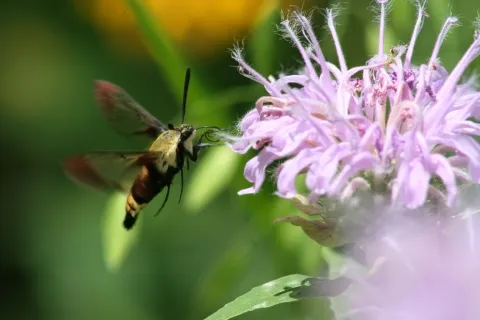
- Pollinator Powerhouses: Butterflies, bees, and hummingbirds are strongly attracted to zinnias, turning your pots into a vibrant wildlife hub.
- Long-Lasting Display: With proper care, zinnias can bloom continuously from early summer until the first frost, providing months of color.
- Excellent for Cutting: Their sturdy stems and long vase life make them a top choice for fresh indoor bouquets.
- Low Maintenance: Once established, they require minimal fuss, fitting easily into busy schedules.
- Adaptable & Versatile: They come in varieties suited for different container sizes and purposes, from compact border types to taller cutting flowers.
Getting Started with Zinnias in Containers
Ready to dive into zinnias container gardening? Here’s how to set your plants up for success from the very beginning.
Timing Your Planting
Zinnias are warm-weather annuals and are sensitive to frost. The ideal time to plant zinnia seeds directly into pots is after the last expected frost date in your region, typically in late spring or early summer. You can start seeds indoors a few weeks earlier if you want a head start, but they grow so fast from seed that direct sowing is often preferred.
Selecting the Right Pot and Soil
Choosing the right home for your zinnias is crucial. For adequate root development, opt for pots that are at least 8 to 12 inches in diameter. Smaller pots will restrict growth and dry out too quickly. Most importantly, ensure every pot has drainage holes at the bottom. Proper drainage is non-negotiable to prevent root rot, a common killer of container plants. Materials like terra cotta, plastic, or ceramic all work well, each with slightly different watering needs.
 Tips for Growing Zinnias in Pots
Don’t be afraid to get creative with your containers! Repurposing old buckets, wooden crates, vintage tins (with drainage holes added!), or ceramic bowls can add unique charm to your garden space.
For soil, ditch the garden soil. It compacts too easily in pots. Instead, use a high-quality, well-draining potting mix specifically formulated for containers. This provides the right balance of aeration and moisture retention that potted plants need to thrive.
Planting Zinnia Seeds in Pots
Zinnias are incredibly easy to grow from seed. Plant seeds about 1/4 inch deep in your chosen potting mix. While guides often suggest spacing seeds, with zinnias container gardening, you can afford to be generous! I often use a “Lazy Gardener” approach and sprinkle seeds quite thickly across the surface before lightly covering them. Zinnias don’t mind being cozy, and you can always thin them out later if they look too crowded.
After planting, water the soil thoroughly. Consistency is key during germination and establishment, but be careful not to waterlog the pot.
Best Zinnia Varieties for Pots
Not all zinnias are created equal when it comes to container gardening. For pots, especially on patios or balconies, dwarf and compact varieties are usually the best fit. They naturally grow shorter and bushier, filling out a pot nicely without getting leggy or top-heavy.
Look for series like ‘Profusion’ or ‘Zahara’, which are bred for their compact size, disease resistance, and prolific blooming habit. Other great choices include ‘Magellan’, ‘Dreamland’, ‘Lilliput’, and ‘Thumbelina’. When shopping for seeds, keep an eye out for labels that say “dwarf,” “patio,” or “container-friendly.”
 Envy container variety zinnia seeds for pots
Lazy Gardener Seed Tip: Don’t be stingy with your seeds! For a full, lush pot (10-12 inches), sow the contents of at least 4 seed packets. More seeds mean more blooms, and if they get too crowded, you can always thin the weaker seedlings later.
Sunlight Requirements
Zinnias are true sun-lovers. To produce abundant blooms, they need a minimum of 6 to 8 hours of direct sunlight every day. Position your pots in the sunniest spot available. One of the great advantages of zinnias container gardening is the ability to move your pots! If the sun shifts throughout the season or you notice a spot gets more light, simply relocate your cheerful zinnias.
Essential Care Tips for Potted Zinnias
Once your zinnias are growing happily in their pots, a few simple care routines will keep them blooming prolifically all season long.
Watering Wisely
Container plants generally dry out faster than those in the ground, and potted zinnias are no exception. Check the soil moisture regularly by sticking your finger about an inch deep. If it feels dry, it’s time to water. Water thoroughly until you see water draining from the bottom holes.
 terra cotta pot with dwarf zinnias blooming
Consistency is more important than frequency, but expect to water potted zinnias more often during hot, dry spells – perhaps even daily. Watering from the base of the plant or using a plastic saucer to let the pot absorb water from below can help keep the foliage dry, reducing the risk of fungal diseases like powdery mildew.
Feeding Your Blooms (Fertilizing)
While zinnias can often perform well without much feeding, a little fertilizer can encourage even more vigorous growth and blooming in containers, where nutrients can wash out over time. A balanced liquid fertilizer (like a 10-10-10 or similar) applied every 4-6 weeks after the plants are established is usually sufficient. Follow the product instructions for dilution and application.
 Fertilizer for cut flowers
Be cautious not to over-fertilize, as this can lead to lush foliage with fewer flowers.
Lazy Gardener Fertilizer Tip: Don’t let fertilizing stress you out! Zinnias are quite resilient. If you forget, they’ll likely still bloom. I like using an organic flower fertilizer simply when I remember, perhaps once after they’ve sprouted and maybe a couple more times during the peak blooming season.
Encouraging More Flowers (Deadheading)
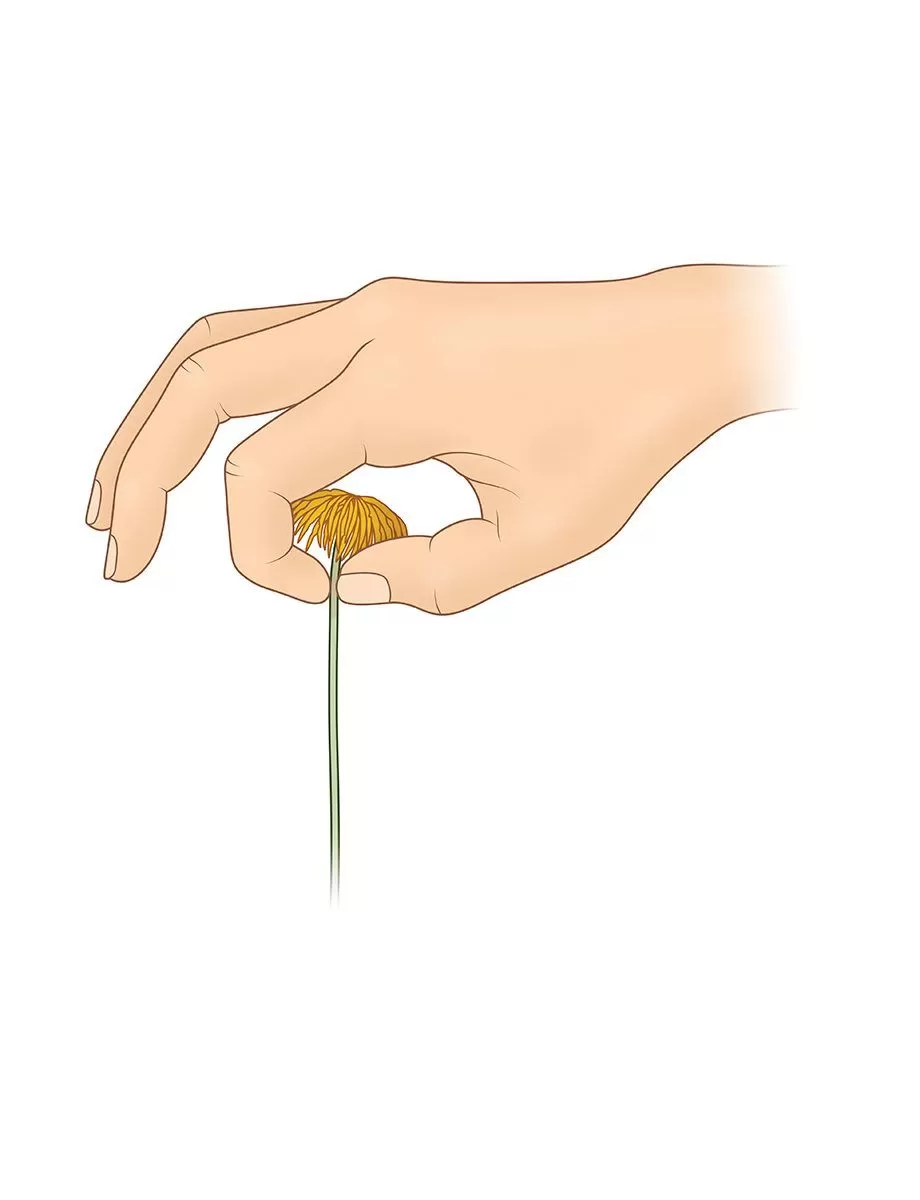
This is perhaps the most important tip for continuous blooms: deadheading. Deadheading is simply removing spent or fading flowers. When you remove a dead flower, the plant stops putting energy into producing seeds and instead directs that energy into creating more blooms.
Use clean snips or sharp scissors to cut off the dead flower stalk just above a set of healthy leaves or a lateral bud. Make this a regular part of your routine – the more you cut (either dead blooms or flowers for bouquets), the more the plant will produce!
Dealing with Pests and Diseases
Zinnias in containers can occasionally face challenges from pests or diseases, though they are generally quite hardy. Common issues include aphids, spider mites, and powdery mildew (especially in humid conditions or if leaves stay wet).
Here are some strategies to keep your potted zinnias healthy:
- Regular Inspection: Check your plants often for any signs of trouble (damaged leaves, pests).
- Proper Watering: Avoid overhead watering, which can encourage fungal diseases. Water the soil directly.
- Good Air Circulation: Don’t overcrowd pots, and space containers adequately.
- Handpicking: For visible pests like aphids, simply pick them off.
- Natural Sprays: Neem oil or insecticidal soap can help control many pests and some fungal issues if applied according to instructions.
- Sanitation: Remove fallen leaves and plant debris from the pot surface.
Enjoying Your Zinnia Harvest
The best part about growing zinnias? Harvesting their beautiful blooms! Cut flowers when they are fully open but still firm for the longest vase life. Place them directly into water after cutting.
Zinnias are renowned for how well they last in a vase, bringing indoor cheer for a week or more. And as mentioned, cutting encourages the plant to produce even more flowers, so harvest often! Zinnias also dry beautifully for everlasting crafts.
 How to make a dried zinnia wreath
Quick Answers: Common Questions About Growing Zinnias in Pots
Got burning questions about zinnias container gardening? Here are answers to a few common ones:
- Do zinnias do well in pots? Yes, absolutely! With the right pot, soil, sun, and watering, they thrive.
- What size pot do you need to grow zinnias? Aim for pots that are at least 8 to 12 inches in diameter to give the roots enough space.
- Why are my potted zinnias dying? Common causes include overwatering (leading to root rot), not enough sunlight, or pest/disease issues. Check your care routine!
- How long do zinnias last once they bloom? Individual blooms last for a good while, but the plants themselves will keep producing new flowers throughout the growing season until frost, especially with regular deadheading.
Growing Zinnias in Pots… You Sure Can!
Stepping into the world of zinnias container gardening is an incredibly rewarding journey. It’s a simple way to add spectacular color and life to even the smallest spaces. Zinnias are generous growers, asking for little more than sunshine, a bit of water, and the occasional snip to reward you with months of glorious blooms.
Whether you’re a seasoned green thumb looking for an easy win or a complete beginner eager to see fast results, growing zinnias in pots is a perfect project. So grab some seeds, find a sunny spot, and get ready to enjoy the vibrant, cheerful display of your very own container grown zinnias.
Share your zinnia container garden successes in the comments below, or ask any questions you might have! Happy gardening!