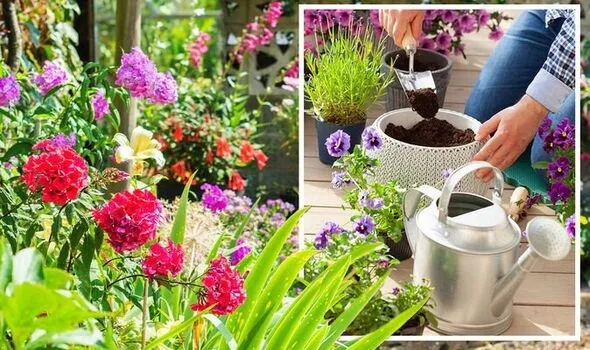
- Transform your patio or balcony into a fragrant oasis as the sun sets.
- Discover easy-to-grow potted plants that release intoxicating scents at night.
- Learn essential care tips for keeping your night-scented containers thriving.
- Attract nocturnal pollinators and add a magical sensory layer to your garden space.
There’s something utterly magical about the garden as twilight descends. The visual vibrancy of the day softens, and another sense takes over: scent. Many plants reserve their most powerful fragrances for the evening hours, releasing intoxicating perfumes designed to attract night-flying pollinators like moths. If you have a patio, balcony, or even just a sunny windowsill, you can harness this enchanting phenomenon by growing fragrant night-scented potted plants. These botanical treasures offer a unique sensory experience right outside your door, turning ordinary evenings into extraordinary moments filled with delightful aromas. Growing them in pots gives you flexibility, allowing you to place them exactly where you’ll enjoy their perfume the most and easily provide any necessary winter protection. Let’s explore some of the best choices to fill your nights with fragrance.
Why Choose Fragrant Night-Scented Plants for Containers?
Growing scented plants in pots offers distinct advantages, especially for those focusing on evening fragrance:
- Proximity: Place pots right by your favorite seating area, near windows, or along walkways to ensure you catch every whisper of scent.
- Flexibility: Move plants to follow the sun, protect them from harsh weather, or bring tender varieties indoors for winter.
- Controlled Environment: You can perfectly tailor the soil, watering, and feeding to the specific needs of each plant, often leading to healthier growth and more abundant blooms (and thus, more scent!).
- Instant Impact: Create a fragrant focal point quickly, even in small spaces.
Our Favorite Fragrant Night-Scented Potted Plants
These plants are well-suited for container growing and are renowned for their captivating evening perfumes.
Angel’s Trumpet
These dramatic plants boast huge, pendulous, trumpet-shaped flowers that release a sweet, powerful fragrance as evening falls. While stunning, all parts of the plant are poisonous, so place pots carefully away from pets and children. Most varieties popular for their fragrance are tender and thrive when grown in containers, allowing them to be easily moved indoors or to a protected location for winter.
 Large trumpet-shaped fragrant white flower of Angel's Trumpet (Brugmansia) hanging from a potted plant
- Scientific Name: Brugmansia species (e.g., Brugmansia suaveolens)
- Common Name: Angel’s Trumpet
- Zone: 9-11 (often grown as annuals or overwintered indoors in colder zones)
- Light: Full sun to partial shade
- Humidity: Moderate to high
- Water: Consistently moist; heavy feeders need regular watering
Tobacco Plant
Nicotiana sylvestris is a statuesque plant producing tall spikes of elegant, tubular white flowers. These flowers release an intense, sweet perfume in the evening air. Its upright habit makes it a striking vertical accent in a large pot or container grouping. It often acts as a biennial or short-lived perennial but readily self-seeds, potentially giving you new plants year after year.
 Tall white fragrant flowers of Nicotiana sylvestris, the tobacco plant, suitable for large pots
- Scientific Name: Nicotiana sylvestris
- Common Name: Tobacco Plant, Flowering Tobacco
- Zone: 10-11 (often grown as an annual in colder zones)
- Light: Full sun to partial shade
- Humidity: Moderate
- Water: Regular watering, especially in dry periods
Night Phlox
Don’t let the name confuse you – Night Phlox (Zaluzianskya ovata) isn’t a true phlox but offers a similarly delightful evening fragrance. This compact evergreen forms a neat mound covered in charming white flowers with a purple reverse. Their sweet scent is most pronounced after dusk. Since it’s not reliably hardy in many climates, growing Night Phlox in pots is ideal so it can be brought indoors or protected during winter. Regular deadheading will encourage continuous bloom.
 Cluster of small white night-scented flowers of Zaluzianskya ovata, or night phlox, in a pot
- Scientific Name: Zaluzianskya ovata
- Common Name: Night Phlox
- Zone: 8-10 (best grown in pots for overwintering in colder zones)
- Light: Full sun
- Humidity: Low to moderate
- Water: Water when the top inch of soil is dry
Petunia
While many modern petunias are bred for bloom size and color over scent, some varieties retain a lovely evening fragrance, often described as sweet or vanilla-like. The ‘Tumbelina’ series, known for its trailing habit, is particularly noted for its perfume. Petunias are classic container and hanging basket plants, making them perfect for adding pops of color and fragrance to your patio or balcony.
 Purple and pink petunia flowers, known for their sweet evening fragrance, spilling from a hanging basket
- Scientific Name: Petunia species
- Common Name: Petunia
- Zone: 10-11 (typically grown as annuals in colder zones)
- Light: Full sun
- Humidity: Moderate
- Water: Keep soil consistently moist; avoid soggy conditions
Star Jasmine
For a beautiful evergreen climber with a wonderful evening scent, look no further than Star Jasmine (Trachelospermum jasminoides). From mid to late summer, it produces clusters of small, star-shaped white flowers with a sweet, intense fragrance that perfumes the air, especially in the evening. While often grown on walls or trellises, it adapts beautifully to large pots with a support structure, making it a fragrant focal point on a patio.
 Fragrant star-shaped white flowers and glossy leaves of Star Jasmine (Trachelospermum jasminoides) trained on a support in a large pot
- Scientific Name: Trachelospermum jasminoides
- Common Name: Star Jasmine
- Zone: 8-10 (grow in pots and protect/move indoors in colder zones)
- Light: Full sun to partial shade
- Humidity: Moderate
- Water: Water when the top inch of soil is dry; drought tolerant once established
Regal Lily
These majestic lilies (Lilium regale) offer incredibly fragrant, large, white trumpet-shaped flowers often flushed with pink or yellow centers. Their sweet perfume is strongest in the evening. Lilies are excellent candidates for container growing, allowing you to enjoy their stunning blooms and intoxicating scent up close. Plant bulbs in pots in the fall or spring for summer bloom. Remember that lilies are toxic to cats.
 Trumpet-shaped white and pink fragrant flowers of Lilium regale, the Regal Lily, blooming in a container
- Scientific Name: Lilium regale
- Common Name: Regal Lily
- Zone: 4-8
- Light: Full sun to partial shade (keep roots cool)
- Humidity: Moderate
- Water: Keep soil consistently moist but well-draining during growth and flowering
Night-Scented Stock
A humble annual with an outsized fragrance! Night-scented Stock (Matthiola longipetala) may have small, unassuming flowers that look a bit sleepy during the day, but come evening, they release a powerful, sweet, clove-like scent that can fill a whole area. Sow seeds directly into pots in spring or successionally through summer for continuous bloom and fragrance.
 Delicate small pink flowers of Night-scented Stock (Matthiola longipetala) in a terracotta pot
- Scientific Name: Matthiola longipetala
- Common Name: Night-scented Stock
- Zone: Grown as an annual in all zones
- Light: Full sun
- Humidity: Moderate
- Water: Water regularly, keeping soil moist but not waterlogged
Pinks (Dianthus ‘Memories’)
Many varieties of Dianthus, commonly known as Pinks, are celebrated for their lovely clove-like fragrance, and some cultivars like ‘Memories’ offer this scent in a low-growing, often pure white form. These perennials are perfect for the front edge of a pot or in mixed containers, releasing their sweet perfume throughout the day, often becoming more noticeable in the still evening air.
 White clove-scented blooms of Dianthus 'Memories' spilling over the edge of a pot
- Scientific Name: Dianthus ‘Memories’
- Common Name: Pinks, Clove Pink
- Zone: 5-9
- Light: Full sun
- Humidity: Low to moderate; requires good air circulation
- Water: Water deeply but infrequently; allow soil to dry out between waterings
Summer Phlox
Border Phlox or Summer Phlox (Phlox paniculata) is a classic garden perennial loved for its large clusters of colorful blooms and sweet fragrance. Many varieties offer scent, and some release it more strongly towards evening. While traditionally grown in borders, compact cultivars are excellent in pots, providing vertical interest and fragrance throughout summer.
 Clusters of pink fragrant flowers of Summer Phlox (Phlox paniculata) suitable for containers
- Scientific Name: Phlox paniculata
- Common Name: Summer Phlox, Border Phlox
- Zone: 4-8
- Light: Full sun to partial shade (needs good air circulation)
- Humidity: Moderate to high
- Water: Keep soil consistently moist; avoid wetting foliage to prevent mildew
Night-Scented Jasmine
Cestrum nocturnum is perhaps the most famous of the night-scented plants, often simply called ‘Night-blooming Jasmine’ (though it’s not a true jasmine). This shrub produces clusters of greenish-white tubular flowers that release an incredibly potent, sweet perfume at night. The scent can be overwhelming to some but is highly prized by others. It is a tender plant and thrives when grown in a container, making it easy to bring indoors or protect when temperatures drop.
- Scientific Name: Cestrum nocturnum
- Common Name: Night-scented Jasmine, Night-blooming Jasmine
- Zone: 9-11 (grown in pots and overwintered indoors elsewhere)
- Light: Full sun to partial shade
- Humidity: Moderate to high
- Water: Water regularly, keeping soil consistently moist
Tuberose
For a truly intoxicating, rich, and complex fragrance, Tuberose (Polianthes tuberosa) is a top choice. Grown from bulbs (rhizomes), it sends up tall spikes of waxy white flowers whose heady perfume intensifies dramatically in the evening. Tuberose is perfect for pots, allowing you to enjoy its luxurious scent on your patio or even cut the stems to perfume your home.
- Scientific Name: Polianthes tuberosa
- Common Name: Tuberose
- Zone: 8-10 (bulbs lifted or overwintered indoors in colder zones)
- Light: Full sun
- Humidity: Moderate
- Water: Keep soil consistently moist during the growing season
Evening Primrose (Oenothera species)
Many varieties of Evening Primrose open their often bright yellow or pink flowers in the late afternoon or evening, releasing a delicate to strong fragrance that lasts through the night. Some Oenothera species form compact mounds perfect for pots, blooming reliably throughout the summer. Their charming flowers also attract moths and other night pollinators.
- Scientific Name: Oenothera species
- Common Name: Evening Primrose
- Zone: Varies by species, generally 4-9
- Light: Full sun
- Humidity: Low to moderate
- Water: Drought tolerant once established; water when soil is dry
Essential Tips for Growing Scented Plants in Pots
To get the most fragrance and beauty from your potted night bloomers:
- Choose the Right Pot: Ensure containers have drainage holes. Terra cotta pots are classic and breathe well, while plastic or glazed pots retain moisture longer. Size matters – choose a pot appropriate for the plant’s mature size.
- Use Quality Potting Mix: Don’t use garden soil. A good quality potting mix provides the right balance of drainage and water retention for containers. For some plants like Dianthus, adding grit or perlite can improve drainage further.
- Watering: Potted plants dry out faster than those in the ground. Check the soil moisture daily, especially in hot, windy weather. Water thoroughly until water drains from the bottom. Avoid letting pots sit in standing water.
- Feeding: Most flowering plants benefit from regular feeding during the growing season. Use a balanced liquid fertilizer diluted according to package instructions every 2-4 weeks to promote abundant blooms and strong scent.
- Placement: Position your fragrant pots where their scent can be best appreciated – near doors, windows, patios, or seating areas. Consider sun requirements for each plant.
- Overwintering Tender Plants: For plants like Brugmansia, Night Phlox, Night-scented Jasmine, or Tuberose bulbs in colder climates, be prepared to move them indoors to a sunny window or a cool, dormant location before the first frost.
Creating a Night Garden Experience
Beyond just individual pots, you can design a small ‘moon garden’ area on your patio or balcony using these fragrant plants. Use white or pale-colored flowers which are more visible at night. Add soft, upward-facing lighting to highlight foliage and flower shapes. Include comfortable seating where you can relax and simply breathe in the intoxicating perfumes as the stars come out.
Conclusion
Adding fragrant night-scented potted plants to your outdoor living space is a simple yet profound way to enhance your enjoyment of the evening. These plants offer a sensory dimension often overlooked in daytime gardening, transforming your patio or balcony into a captivating fragrant retreat after sunset. From the intense perfume of Tuberose and Night-scented Jasmine to the sweet notes of Petunias and Pinks, there’s a night-blooming beauty perfect for your containers. We hope this guide inspires you to explore the magical world of evening scents.
Have you grown fragrant night-scented plants in pots? Share your favorites and tips in the comments below! If you enjoyed this article, please share it with your fellow garden enthusiasts, and explore more content on Thelittle.garden for inspiration.